When I first started blending green smoothies I stuck to the basics—spinach kale maybe a little romaine. Then I discovered arugula and everything changed. Its peppery kick brought my morning routine to life in a way I never expected.
Adding arugula to my smoothies didn’t just boost the flavor. It made me curious about what this leafy green really brings to the glass. I love how it shakes up the usual mix and adds something bold and fresh. If you’re looking for a new twist on your daily greens arugula might be just what you need.
What Is Arugula?
Arugula is a leafy green that belongs to the Brassicaceae family along with kale and broccoli. I use it in my smoothie shop when I want to add a bold, peppery kick to blends that might otherwise taste flat. People sometimes know arugula as “rocket,” especially in Europe.
Leaves of arugula are small, lobed, and deep green. I see them add vibrant color and texture in both cold and blended drinks. In the produce section, arugula usually appears in loose bunches or small bags alongside spinach or mixed salad greens.
Nutrient levels in arugula are high compared to many lettuces. USDA data shows 100 grams provide about 1.6g protein, 160mg calcium, and 2373 IU vitamin A. Antioxidants, such as glucosinolates and lutein, add to its health value according to research published in the journal Nutrients (2019).
Flavor stands out most with arugula. Instead of bitter or bland, I taste a spicy, mustard-like edge that makes it unique in smoothies or shakes. When I want variety in greens—like spinach, chard, or kale—I often reach for arugula because it changes the whole experience.
Nutritional Benefits of Arugula
I use arugula in my shop’s smoothie blends to pack each cup with valuable nutrients that go beyond flavor. Fresh arugula boosts the overall nutrition profile of homemade smoothies and shakes, giving my recipes a clear edge for health-focused customers.
Vitamins and Minerals
Arugula delivers calcium, magnesium, and potassium, supporting bone health and hydration in one scoop. Every 20-gram serving offers 47 mg calcium and 13 mg magnesium, according to the USDA. It also includes vitamin K (about 21.8 mcg per handful) which supports blood clotting and bone strength. Vitamin A and folate, found in smaller quantities, promote immunity and help the body’s natural repair processes. I rely on these essentials to enhance both flavor and nutrition in every smoothie batch.
Antioxidant Properties
Arugula contains natural antioxidants that support cellular health. Glucosinolates, found in arugula’s leaves, protect my customers’ bodies from oxidative stress by neutralizing free radicals (Journal of Food Composition and Analysis, 2021). Vitamin C and beta-carotene, which are abundant in fresh arugula, also contribute to anti-inflammatory benefits and can help shield cells while adding a fresh, green brightness to smoothies. Using arugula lets me offer smoothies with both flavor and scientifically-backed wellness advantages.
Why Add Arugula to Green Smoothies?
Adding arugula to green smoothies elevates both flavor and nutrition. I use fresh arugula to deliver unique taste notes and a nutrient-dense boost that sets my smoothies apart.
Flavor Profile and Pairing Suggestions
Arugula’s peppery, sharp, and slightly bitter taste gives green smoothies a spicy edge that stands out from milder greens. I pair arugula with fruits like pineapple, mango, and apples to balance its assertive bite with natural sweetness. Combining arugula with other greens, including spinach or kale, softens the punch without losing the distinct flavor. For a savory twist, I blend arugula with avocado and cucumber, then add lemon or lime for brightness. In my shop, customers often compliment the layered, complex flavors arugula brings, especially when I blend it with a touch of ginger or fresh herbs for extra depth.
Texture and Color Enhancement
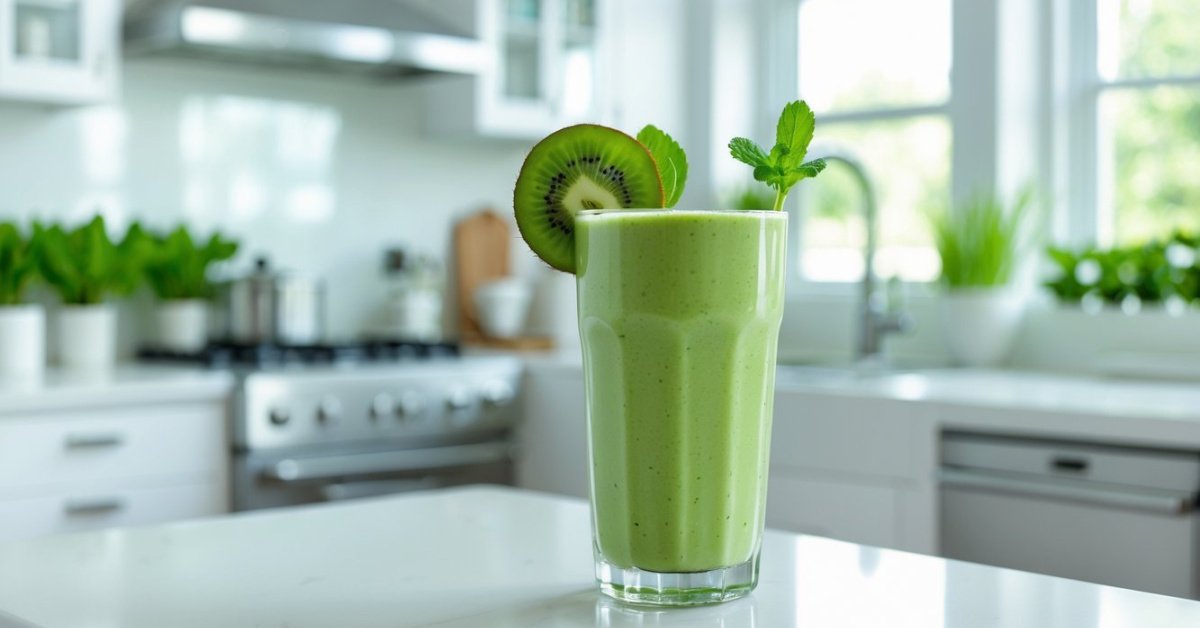
Arugula’s tender, small leaves blend down to a smooth consistency, so my smoothies stay creamy without gritty bits. The deep green pigments in arugula intensify the color of any green smoothie, making them look vibrant and appetizing in a glass or bottle. When I want a smoothie that looks as good as it tastes, I rely on arugula to deliver a rich emerald shade. Blending arugula with softer fruits like banana or pear also helps maintain a silky texture, ensuring every sip stays pleasant and easy to drink.
Potential Health Effects of Arugula in Green Smoothies
Adding arugula to green smoothies introduces unique nutrients and bioactive compounds that support several wellness goals. When I blend arugula into my smoothies, I notice not just a flavor boost but also particular benefits tied to digestive and immune health.
Digestive Health
Arugula contains fiber and plant compounds that support digestive function in smoothies. Fiber from a single packed cup of raw arugula adds about 0.3 grams, assisting normal bowel movements and supporting gut regularity, especially when combined with other fiber-rich ingredients like chia or flax seeds. Phytochemicals in arugula, such as glucosinolates, promote the growth of beneficial gut bacteria, according to research from the journal Molecules (2021). In my shop, customers who include arugula in their morning blends often report feeling less bloated and more comfortable after meals.
Immune Support
Arugula delivers vitamin C, beta-carotene, and assorted antioxidants in every smoothie I serve. One packed cup offers around 15 milligrams of vitamin C—about 16% of an adult’s daily value—helping protect immune cells, based on data from the USDA FoodData Central. Beta-carotene and vitamin A found in arugula also contribute to immune defense by supporting the mucous membranes and skin, which act as the body’s first line of defense. In my experience, pairing arugula with vitamin C–rich fruits like oranges or kiwis in smoothies further maximizes this immune-supporting synergy.
Tips for Using Arugula in Green Smoothies
I use arugula daily in my smoothie shop because it adds complex flavor and powerful nutrients. When blended the right way arugula brings boldness and depth to any homemade smoothie or shake recipe.
Selecting and Storing Arugula
I look for fresh arugula with crisp, deep green leaves–avoid wilted, yellow, or slimy spots. Baby arugula works best for smoothies because the leaves blend smoothly and the peppery taste stays balanced. Once I bring arugula home, I store it unwashed in a dry produce bag or airtight container in the fridge. This keeps it fresh for up to five days. Washing arugula right before blending helps remove grit and preserve the natural bite.
Recipe Ideas and Blending Tips
I pair arugula with naturally sweet ingredients like ripe bananas, frozen mango, pineapple, or juicy pears to balance the peppery notes. For each smoothie, I use 1 to 2 cups of loosely packed arugula per 16-ounce blend. Blending arugula with creamy bases like almond milk, Greek yogurt, or avocado smooths any bitterness. If you want a milder flavor, I combine arugula with spinach or romaine to layer the greens. Adding a squeeze of lemon or a few sprigs of mint brightens the flavor and adds more complexity. To avoid stringy bits, I blend arugula and liquid first before adding fruits or other texture ingredients, ensuring a velvety result every time.
Conclusion
Trying arugula in my green smoothies has been such a fun adventure and it’s opened up a whole new world of flavors for me. I love how its bold personality can completely change the vibe of a smoothie and keep things interesting.
If you’re looking for something fresh and different in your daily routine don’t be afraid to give arugula a try. You might just find a new favorite green that brings both taste and wellness to your glass.