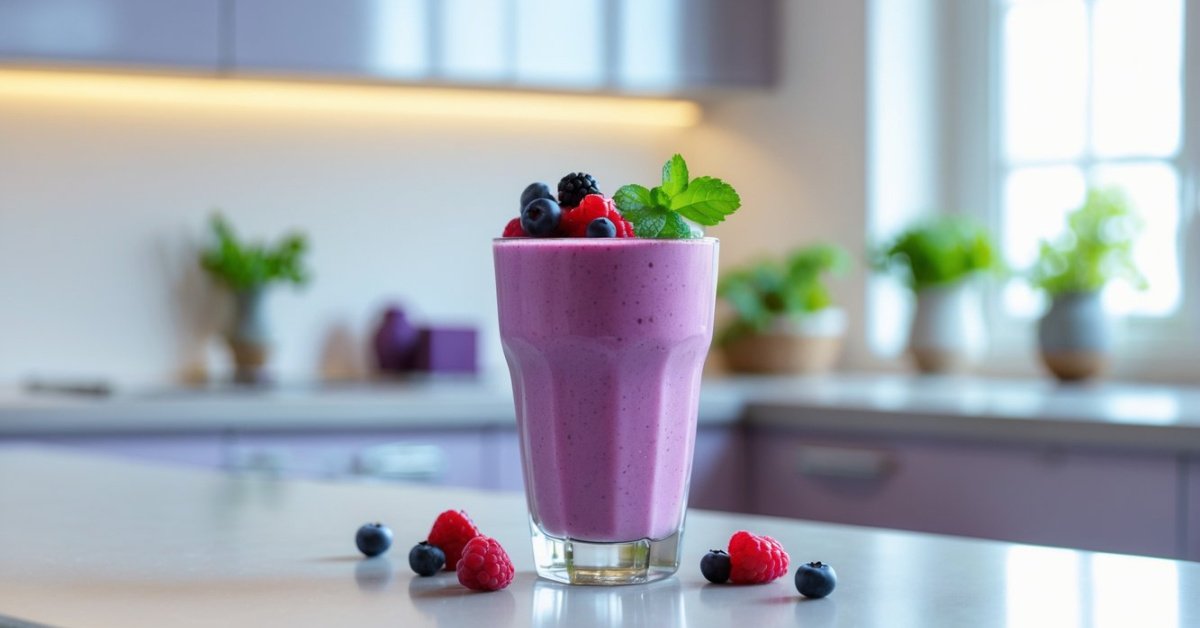

I love starting my day with a smoothie that’s both delicious and packed with nutrients. Lately I’ve found that adding walnuts takes my morning blend to a whole new level. These little nuts don’t just add a satisfying crunch—they bring a whole bunch of benefits to the table.
When I toss a handful of walnuts into my blender I know I’m boosting my smoothie with more than just flavor. It’s amazing how such a simple addition can make my breakfast feel richer and keep me feeling full longer. If you’re looking to power up your smoothies walnuts might just become your new favorite ingredient.
The Nutritional Power of Walnuts
In my smoothie shop, I always look for ingredients that add both flavor and nutrition. Walnuts stand out because they pack a lot of essential nutrients into every small handful.
Essential Vitamins and Minerals
Walnuts provide a rich source of vitamins and minerals, making them ideal for nutrient-dense smoothies. One ounce contains about 44 mg of magnesium, 98 mg of phosphorus, and 125 mg of potassium, all of which support hydration and energy (USDA FoodData Central). I notice that these minerals help keep my regulars feeling steady and alert all morning. Vitamin E and folate also come in decent amounts, supporting heart and brain health with every smoothie blend.
Healthy Fats and Antioxidants
Walnuts bring healthy fats and antioxidants to every smoothie. They contain 2.5 grams of alpha-linolenic acid (ALA) per ounce, offering more plant-based omega-3s than any other common nut (NIH Office of Dietary Supplements). I add walnuts to help my customers get the benefits of good fats, which support heart and brain function. High polyphenol content also gives walnuts an edge as an antioxidant source, helping combat oxidative stress from busy days. My favorite blends include walnuts because they boost nutritional value while keeping smoothies creamy and satisfying.
Why Add Walnuts to Nutrient-Dense Smoothies?
Walnuts transform nutrient-dense smoothies by increasing both nutrition and quality. I use them in my smoothies for their ability to improve flavor, texture, and overall satisfaction.
Enhancing Flavor and Texture
Walnuts enhance flavor and texture in smoothies and shakes. I notice their subtle nuttiness blends well with fruits like berries, bananas, and pears, adding complexity without overpowering other ingredients. I also find that walnuts create a richer, creamier consistency compared to seeds or other nuts, especially in plant-based blends. When blended properly, walnuts give smoothies a velvety texture that’s smooth but never greasy.
Boosting Satiety and Energy
Walnuts increase satiety and energy in morning smoothies. I see that their healthy fats, particularly alpha-linolenic acid (ALA) omega-3s, slow digestion and help keep me satisfied longer. Walnuts deliver a steady energy release because they also include protein and fiber, making my smoothies suitable for breakfast or a post-workout recovery meal. I’ve noticed customers at my smoothie shop mention feeling full and energized after enjoying walnut-based blends, compared to those without nuts.
Health Benefits of Walnuts in Smoothies
Walnuts add more than creaminess and flavor to smoothies. Each handful brings specific health benefits that make every smoothie blend more nourishing.
Heart Health Support
I use walnuts in shakes because they support heart health. Walnuts contain plant-based omega-3 alpha-linolenic acid (ALA), with 2.5 grams per 1-ounce serving according to the California Walnut Commission. This ALA helps maintain healthy cholesterol when included in a balanced diet. Walnuts also supply polyphenols, antioxidants that help protect cells and support vascular function in my recipes.
Brain Function and Cognitive Benefits
I blend walnuts for their brain-boosting nutrients. Walnuts have polyunsaturated fats, particularly ALA, and natural polyphenols that research from Nutrients (2019) links to improved cognition and memory support. Each serving offers magnesium and vitamin E, two nutrients associated with sharper focus and mental clarity. My customers who want a mental lift often request walnut smoothies for breakfast.
Anti-Inflammatory Effects
I recommend walnuts to my health-focused smoothie patrons for their anti-inflammatory effects. Walnuts contain polyphenols such as ellagitannins and bioactive peptides, both shown in clinical studies to help lower inflammation markers when part of a varied diet. This makes walnut smoothies a great choice for post-workout blends or those seeking to support overall well-being with food.
Tips for Incorporating Walnuts Into Smoothies
Walnuts deliver a creamy texture and nutrient boost to any smoothie. I’ve found simple methods help maximize their taste and health benefits in every blend.
Preparation and Blending Suggestions
Soaking enhances walnut creaminess and digestibility. I soak raw walnuts in water for at least four hours or overnight for silky smoothies, rinsing them just before use. Blending efficiency matters for texture—my high-speed blender creates a smoother result, but for standard blenders, I suggest adding walnuts before other solids for even distribution. Chopping walnuts before blending or using walnut halves prevents clumping. For a milder nutty profile, lightly toasting walnuts in a dry skillet brings out a subtle roasted flavor without bitterness. I measure servings precisely for balance, typically using 1–2 tablespoons per smoothie for optimal nutrition and taste.
Best Smoothie Pairings
Walnuts pair well with many common smoothie ingredients. I combine walnuts with berries like strawberries or blueberries for an antioxidant-rich blend. Green smoothies benefit from walnuts’ richness—I add them to spinach, kale, or Swiss chard for improved texture and nutty undertones. For creamy, dessert-like shakes, I blend walnuts with bananas, dates, and unsweetened cocoa powder. Tropical pairings such as pineapple and mango develop a rich, rounded flavor when walnuts are added. For protein-focused recipes, blending walnuts with Greek yogurt or plant-based protein powder creates a satisfying post-workout option. Each combination showcases how walnuts complement nutrient-dense smoothies with healthy fats, protein, and texture.
Conclusion
Adding walnuts to my smoothies has truly changed the way I approach breakfast and post-workout snacks. I love how they bring a subtle nuttiness and creamy texture that makes each blend feel a little more special.
If you’re looking for a simple way to make your smoothies more satisfying and nutritious give walnuts a try. It’s a small addition that can make a big difference in both taste and how you feel throughout the day.