I’m always on the lookout for ways to make my morning smoothies more exciting and nutritious. That’s when I stumbled upon matcha powder—the vibrant green wonder that’s been making waves far beyond the teacup. Just a single scoop can transform any smoothie into a powerhouse of flavor and energy.
I love how matcha adds a gentle kick without overwhelming the other ingredients. Its earthy taste blends beautifully with fruits and veggies, giving my smoothies a unique twist. If you’re curious about stepping up your smoothie game, matcha might just be the secret ingredient you’ve been missing.
What Is Matcha Powder?
Matcha powder is finely ground green tea made from shade-grown Camellia sinensis leaves. I source matcha for my smoothie shop because it’s packed with chlorophyll, amino acids such as L-theanine, and antioxidants like catechins. Unlike regular green tea, matcha uses whole leaves, so it delivers concentrated flavor and nutrition. I use ceremonial-grade matcha for brighter color and smoother taste, while culinary-grade matcha, usually deeper in hue, blends best for smoothies and shakes.
Matcha’s origins trace back to Japanese tea ceremonies from over 800 years ago, according to the Uji Matcha Council. Modern matcha fits naturally into smoothies—its powder dissolves easily, leaving no gritty texture, and the earthy taste balances well with fruits or leafy greens. Each scoop adds a natural, steady lift thanks to its unique combination of caffeine and L-theanine, making it a smart ingredient for my health-conscious customers.
Nutritional Benefits of Matcha Powder
Matcha powder brings unique nutrition to my smoothies and shakes. I pick it for the extra value it adds, not just for taste or color.
Antioxidants and Vitamins
Matcha powder delivers high antioxidant levels, mainly catechins like EGCG. One gram of matcha carries up to 137 times more EGCG than standard green tea, according to a study from the University of Colorado. My favorite part is that these antioxidants help fight cell-damaging free radicals, which supports overall health. Matcha also adds vitamins A, C, E, and K to every shake. I pair matcha with fruits like mango or pineapple in my smoothies to amplify vitamin content for my customers.
Energy and Metabolism Boost
Matcha powder sustains energy, giving my shakes a clean lift. Each gram contains 32 mg of caffeine, which is less than coffee but works differently. Thanks to the amino acid L-theanine, matcha gives a gradual energy boost, without the jitters or crash. This combo makes my smoothies a solid pick for steady morning energy. Research in The American Journal of Clinical Nutrition links matcha catechins with a mild increase in calorie burning and fat oxidation, which helps those interested in supporting a healthy metabolism. I add matcha to green bowls, banana shakes, and pre-workout blends for that reliable lift.
Why Matcha Powder Elevates Green Smoothies
Matcha powder easily transforms green smoothies with both flavor and nutrition. I rely on its distinct qualities in my smoothie shop to create blends that stand out and support wellness.
Flavor and Texture Enhancements
Matcha powder introduces a rich, earthy taste that pairs well with leafy greens, tropical fruits, and nuts. I mix matcha with spinach, kale, mango, pineapple, and banana for layers of subtle complexity and a creamy texture that other green teas can’t match. Finer than traditional green tea powders, ceremonial-grade matcha dissolves completely, avoiding any gritty residue, so each sip feels extra smooth. Guests in my shop instantly notice how the flavor profile changes—matcha tempers sweetness and enhances herbal notes for a balanced finish.
Visual Appeal and Color
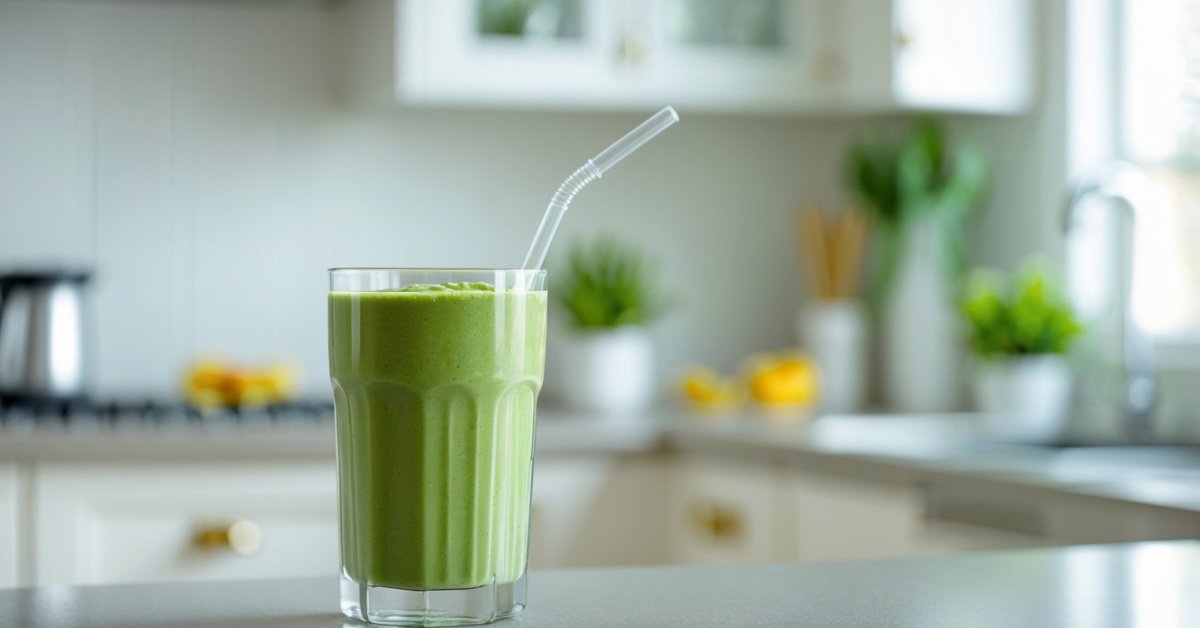
Matcha powder gives smoothies a vivid, jewel-like green that’s instantly recognizable. My customers comment on the vibrant color each time I blend ceremonial-grade matcha into their drinks. The chlorophyll content creates that signature hue, signaling freshness and health right away. In a glass, matcha stands out against other smoothie powders, and when I layer it with ingredients like chia pudding or coconut yogurt, the color contrast is striking and photogenic. This visual impact regularly draws new customers into my shop and encourages regulars to try new matcha blends.
How to Use Matcha Powder in Your Green Smoothies
Mastering matcha in green smoothies unlocks unique flavors and nutrition. I rely on precision and balance so every sip delivers vibrant matcha taste without overpowering freshness.
Recommended Dosage and Pairings
I use 1–2 teaspoons (2–4 grams) of matcha powder per 16-ounce smoothie for a bright green color and distinct earthy flavor. Brands vary, so ceremonial-grade works best for light, clean blends while culinary-grade handles rich flavors.
Spinach, kale, and avocado form my green bases for matcha. I pair these with fruits—like frozen pineapple, mango, or banana—for natural sweetness. Almond, coconut, or oat milks ensure a creamy texture. I also add chia seeds, flaxseed, or Greek yogurt to blend in more protein and healthy fats. For extra depth, a squeeze of lemon or a thumb of fresh ginger cuts the slight bitterness and rounds out the flavor.
Common Mistakes to Avoid
Overusing matcha muddies smoothie flavor and gives an astringent aftertaste, so I always measure carefully. I sift matcha before blending; clumps resist dissolving and create gritty texture. Adding matcha directly to a blender with liquid first disperses powder evenly—for powder added last, I risk residue stuck along the sides.
Sugar-heavy juices and syrups mask matcha’s subtle flavor and add excess calories. I skip sweetened yogurts or milk to keep flavor clear and avoid curdling with citrus—using non-dairy milk reduces clumping and improves smoothness when adding fruits like orange or pineapple.
Blending matcha into cold liquids preserves its color and delicate tannins, while hot water dulls both and introduces bitterness; I use chilled ingredients and ice to maintain matcha’s integrity in every green smoothie I pour.
Top Matcha Powder Brands for Smoothies
I’ve tested dozens of matcha powders in my shop and home recipes to find the best blends for flavor, texture, and nutrition. These brands consistently deliver smooth, vibrant green results that work beautifully in smoothies and shakes:
- Encha Organic Matcha
I use Encha’s organic ceremonial-grade matcha when I want a naturally sweet, rich flavor in my green smoothies. Their powder always blends seamlessly with spinach and tropical fruits like pineapple or mango, giving a bright, spring-green color in every batch. Encha sources leaves from organic farms in Uji, Japan, and tests for both purity and heavy metals.
- Ippodo Tea Ummon-no-mukashi Matcha
Ippodo’s Ummon-no-mukashi stands out for its lingering umami taste and incredibly fine grind. When I make premium avocado or kale smoothies, this matcha’s depth creates an earthy, creamy finish. Ippodo ships direct from Kyoto, using leaves cultivated for more than three generations.
- Jade Leaf Culinary Matcha
Jade Leaf’s culinary-grade matcha consistently gives me vibrant color and robust flavor, even in large 32-oz batches. I add 2–4 grams of this powder to mixed berry or banana-peanut smoothies for a gentle kick and visible color. Their powder stays clump-free after sifting, which ensures better blendability.
- MatchaBar Classic Blend
MatchaBar’s Classic Blend offers balanced astringency and subtle sweetness, perfect for pairing with almond or oat milk bases. I feature this brand in shop recipes needing a bold matcha presence, such as coconut yogurt and honey smoothies. Their matcha is grown in Nishio, Japan, and often appears in barista-focused competitions.
- Pique Sun Goddess Matcha
I reach for Pique’s Sun Goddess matcha when purity is my top priority. Their powder, grown in Kagoshima with triple-toxin screening, remains fresh-tasting with grassy notes. This matcha never gets bitter, even when I blend it with citrus fruits like kiwi or orange.
| Brand | Origin | Type | Notable Features | Best For |
|---|---|---|---|---|
| Encha | Uji, Japan | Ceremonial | Organic, smooth, no bitterness | Greens + tropical fruit blends |
| Ippodo Ummon-no-mukashi | Kyoto, Japan | Ceremonial | Umami-rich, ultra-fine powder | Avocado, kale, premium recipes |
| Jade Leaf Culinary | Japan | Culinary | Vibrant color, robust, blends easily | Large-batch or berry smoothies |
| MatchaBar Classic Blend | Nishio, Japan | Premium/Culinary | Bold, barista-focused, versatile | Dairy-free, almond/oat shakes |
| Pique Sun Goddess | Kagoshima | Ceremonial | Triple-toxin screened, pure, grassy | Citrus-based, detox smoothies |
I always pick matcha powders with bright green color, smooth texture, and clarity in taste—these five brands consistently meet my high standards. Experimenting with small amounts from these brands helps find the perfect balance for any green smoothie or shake.
Conclusion
Discovering matcha powder truly changed the way I approach green smoothies. It’s amazing how a single scoop can transform both the taste and appearance of any blend while delivering a gentle energy boost I can actually feel.
If you’re looking to shake up your morning routine or want a nutritious twist for your smoothies matcha is a game-changer worth trying. I love how it brings out the best in every ingredient and always leaves me feeling refreshed and inspired to experiment with new combinations.