I’ve always loved the sweet tang of pineapple in my smoothies but there’s more to this tropical fruit than just its bright flavor. Pineapple packs a punch when it comes to supporting digestive health and it’s a delicious way to give my gut a little extra care.
Blending pineapple into my daily smoothie routine feels like a treat but I know I’m also helping my body work better from the inside out. With just a few chunks tossed in I can turn an ordinary drink into something that’s both tasty and good for my digestion.
The Benefits of Using Pineapple for Digestive Health
Pineapple adds a refreshing twist to any smoothie while delivering real digestive benefits. I always reach for pineapple chunks when crafting drinks that help my customers feel good from the inside out.
Key Nutrients in Pineapple That Aid Digestion
Pineapple supplies digestive-friendly nutrients in every serving. Fresh pineapple is rich in vitamin C, supplying 79 mg per 100 g (USDA FoodData Central), and delivers 2.3 g fiber per cup. Fiber supports regularity and creates a smoother digestion process. Manganese, found in 1.5 mg per cup, helps with enzyme production and energy. Every time I blend pineapple into smoothies, I know I’m adding nutrition that helps the body break down food efficiently.
How Bromelain Supports Gut Health
Bromelain, a group of enzymes in pineapple, promotes gut health and comfort during digestion. This natural enzyme breaks down protein, making food easier to process and nutrients easier to absorb. Customers often mention feeling less bloated when enjoying my pineapple smoothies, especially after meals containing meat or dairy. Scientific reviews, including one in Biotechnology Research International (2012), highlight bromelain’s ability to speed up the digestive process and reduce inflammation. I always recommend blends containing pineapple, since this enzyme provides extra support that customers appreciate.
Incorporating Pineapple Into Smoothies
Pineapple works as both a flavor highlight and a digestive aid in smoothies. I use pineapple daily at my smoothie shop to boost gut health and add natural sweetness for my customers.
Best Smoothie Combinations for Digestive Health
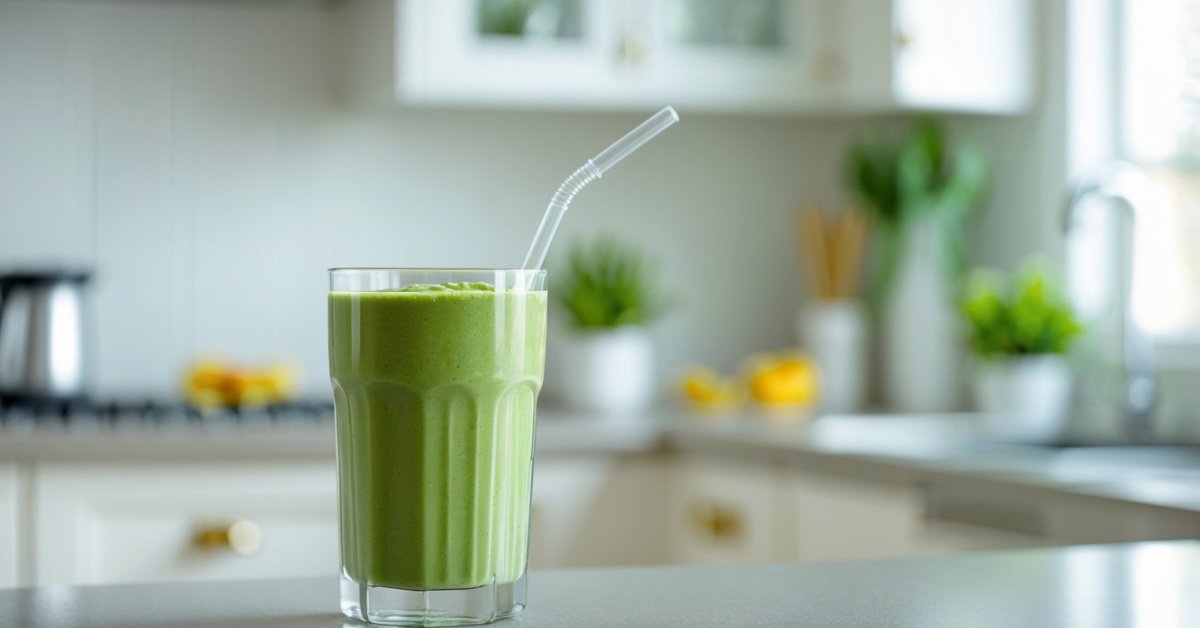
I blend pineapple with fiber-rich fruits like mango, banana, or pear to enhance digestive benefits. For example, mango and pineapple together offer a tropical blend full of vitamins A and C. Greek yogurt or kefir pairs well with pineapple for added probiotics, supporting gut flora balance. I often include leafy greens such as spinach or kale with pineapple—the pineapple’s acidity masks the bitterness of greens, and the added fiber helps maintain regularity. Ginger, when added in small amounts, complements pineapple while promoting smoother digestion, especially in post-meal blends.
Tips for Selecting and Preparing Pineapple
For smoothies, I choose fresh, ripe pineapple—look for golden skin, a sweet scent, and slight give when pressed. I core and chop the fruit into bite-sized pieces before freezing to preserve nutrients and make blending easy. Frozen pineapple creates a creamy, cold texture without using ice, which waters down the flavor. I always trim away the tough core and outer skin, leaving only the juicy flesh. When prepping batches, I store cut pineapple in airtight containers or freezer bags for up to 3 months, ensuring quick grab-and-blend convenience.
Potential Drawbacks and Considerations
Pineapple delivers natural sweetness and digestive support in smoothies but it’s important to consider possible drawbacks. I always assess ingredient limitations and inform customers to create safe, enjoyable blends.
Allergies and Sensitivities
Pineapple, like other tropical fruits such as kiwi and mango, can trigger allergies in some people. I notice that mild reactions show up as itchiness or tingling in the mouth, lips, or throat for a few of my customers. Severe reactions—though rare—may include rashes, swelling, or difficulty breathing. Bromelain, the enzyme that boosts digestion, also contributes to increased sensitivity for some, especially when using fresh pineapple. Allergic individuals or those with a known history of fruit sensitivities should consult with a healthcare provider before adding pineapple to their smoothies.
Recommended Serving Sizes
Consuming pineapple supports healthy digestion if used in suitable servings. I typically recommend using ½ to 1 cup of fresh or frozen pineapple chunks (about 85-165 grams) per smoothie. Larger servings may cause mouth irritation or a burning sensation because of the high acidity and bromelain content. I balance pineapple with other lower-acid fruits and creamy elements like banana or dairy to soften acidity in recipes at my shop. Overconsumption may lead to temporary digestive upset—including mild diarrhea or cramps—for sensitive people, especially when paired with other high-fiber ingredients. Moderation enhances benefits and maintains a pleasant experience for smoothie drinkers.
Conclusion
Pineapple has truly become one of my favorite ways to support digestive health while making my smoothies taste amazing. I love finding new combinations and experimenting with different add-ins to keep things interesting and gut-friendly.
If you’re looking to give your daily routine a tasty upgrade that’s gentle on your stomach pineapple is a great place to start. Just remember to listen to your body and enjoy it in moderation for the best results.