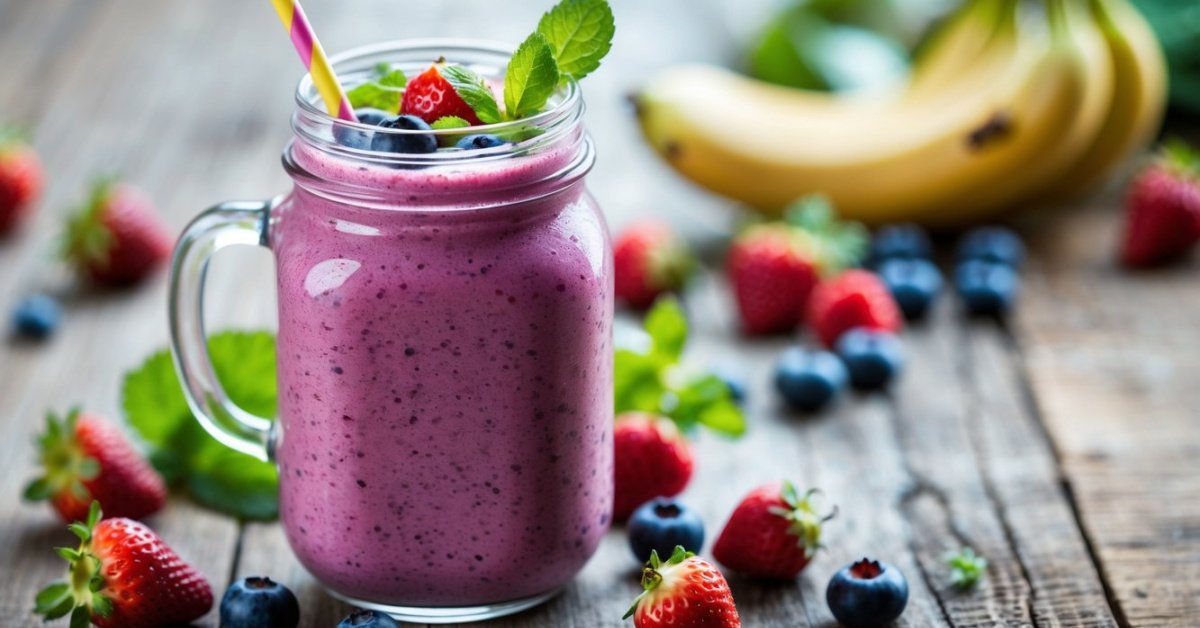
I love starting my day with a burst of flavor and nothing does it quite like a mango smoothie. That sweet tropical taste instantly lifts my mood and makes breakfast feel like a treat. But beyond the deliciousness there’s something even better—mangoes pack a serious nutritional punch.
Blending mango into my smoothies isn’t just about taste. It’s a simple way to sneak in vitamins and nutrients my body craves. Whether I’m fueling up after a workout or just looking for a refreshing snack I know that adding mango gives my smoothie an extra boost.
Understanding the Nutritional Profile of Mango
Mango brings a unique mix of nutrients to my smoothie recipes, boosting both flavor and health benefits. I always choose ripe, high-quality mangoes to maximize nutrition and taste for my customers.
Key Vitamins and Minerals in Mango
Mango contains a spectrum of vitamins and minerals that contribute to balanced nutrition in homemade smoothies:
- Vitamin C
Mango delivers about 36.4 mg of vitamin C per 100 g, according to the USDA. This supports immune health and helps absorb plant-based iron in other smoothie fruits like spinach.
- Vitamin A
Mango contains provitamin A carotenoids, providing up to 54 µg RAE per 100 g. This nutrient supports healthy vision and skin.
- Folate (Vitamin B9)
Mango offers approximately 43 µg of folate per 100 g. Folate is essential for cell growth and repair, which is especially important post-workout.
- Potassium
Mango provides 168 mg potassium per 100 g, helping regulate hydration during hot days and after exercise.
- Magnesium
Mango contributes small amounts of magnesium, supporting muscle and nerve function in recovery shakes.
Antioxidant Properties
Mango contributes naturally occurring antioxidants, which can help protect the body from oxidative stress when added to shakes:
- Polyphenols
Mango contains mangiferin, quercetin, and catechins—polyphenols studied for their free-radical fighting capabilities.
- Beta-carotene
Mango gets its rich orange color from beta-carotene, which converts to vitamin A and provides antioxidant support for skin and eye health.
- Vitamin C
Mango’s vitamin C offers not just immune benefits but also antioxidant protection, supporting daily wellness routines.
I select mango as a key base ingredient in my smoothie shop because these nutritional strengths enhance both the taste and the health benefits of every shake.
Health Benefits of Adding Mango to Smoothies
Adding mango to smoothies brings both taste and wellness into every blend. I focus on nutrition and flavor, so I choose mango for its unique health advantages and vibrant profile.
Immune System Support
Mango provides essential immune support through its high vitamin C concentration. Just 1 cup of diced mango supplies about 60 mg of vitamin C, covering around 67% of the daily value (USDA FoodData Central). Vitamin C, along with vitamin A and folate, helps the body defend against infections. When I blend mango with other fruits like strawberries or pineapples, the immunity-boosting effects multiply, creating stronger smoothies for cold and flu season.
Digestive Health and Fiber Content
Mango aids digestive health because it offers both soluble and insoluble fiber. Every cup delivers about 2.6 grams of fiber, supporting regularity and promoting a healthy gut. I often recommend mango in smoothies for customers looking to improve digestion, especially after meals or workouts. Blending mango with spinach or chia seeds further increases the fiber count for those needing support in this area.
Energy Boost and Hydration
Mango gives an effective energy boost and restores hydration due to its natural sugars and high water content. Roughly 84% of mango’s weight comes from water, contributing to hydration with every glass. Its simple carbohydrates provide a quick and sustained energy source, ideal for morning routines or post-exercise recovery. I combine mango with coconut water or Greek yogurt in shakes, offering options that help replenish energy and fluids quickly.
Creative Ways to Incorporate Mango into Smoothies
Mango adds creamy texture and bold tropical sweetness to any smoothie. I use it as a base ingredient and an accent to elevate both nutrition and taste in my recipes.
Classic Mango Smoothie Recipes
Classic mango smoothie recipes let fresh fruit shine. I blend ripe mango with Greek yogurt and a splash of orange juice for a thick, protein-rich drink. Swapping dairy for almond or coconut milk makes a creamy vegan version. For a lighter twist, I add mango, pineapple, and ice, creating a bright, refreshing option with fewer calories. Each mix delivers essential nutrients and lets mango’s flavor take center stage.
Pairing Mango with Other Superfoods
Pairing mango with other superfoods boosts both flavor and health benefits. I combine mango and spinach for a vibrant smoothie packed with fiber, folate, and vitamin K. Adding chia seeds or flaxseed introduces omega-3s and extra protein to the mix. Mango and blueberries create an antioxidant-rich blend, while a little turmeric or ginger adds anti-inflammatory properties. Pairings like these transform smoothies into powerhouse snacks that support my shop’s healthy ingredient philosophy.
Tips for Choosing and Preparing Mango for Smoothies
Selecting ripe mangoes boosts smoothie flavor and texture. I always look for skin with a rich golden-yellow or red blush, avoiding green patches unless I’m planning to ripen them at home. A gentle squeeze should give slightly—firm mangoes blend smoothly, while soft ones add extra sweetness. Strong fruity aroma at the stem end signals ripeness, which I rely on daily in my shop to guarantee taste.
Washing mangoes removes residues. I rinse each mango thoroughly before peeling to keep my smoothies safe and clean, especially when blending the fruit with skin on for extra fiber in some recipes.
Cutting mangoes cleanly helps avoid waste and speeds up prep. I slice off the mango cheeks lengthwise on either side of the pit, score the flesh into cubes, and then scoop out the cubes with a spoon. This method minimizes mess in my kitchen and makes portioning easy for staff and home smoothie makers alike.
Using frozen mango saves time and delivers consistent texture. I freeze diced ripe mango in batches—it chills smoothies instantly and keeps prep simple. Purchasing pre-cut frozen mango works well too, provided it contains only fruit with no added sugars or preservatives.
Storing mangoes wisely preserves their quality. I store unripe mangoes at room temperature and refrigerate ripe ones to slow spoilage. My shop always stocks enough ripe mangoes for same-day smoothies and batches prepped for freezing, making sure each blend retains peak nutrition and taste.
Conclusion
Mangoes have truly transformed the way I approach smoothies both at home and in my shop. Their vibrant flavor and impressive nutrient profile make them an easy favorite for anyone looking to boost their daily wellness.
Every time I blend up a mango smoothie I’m reminded of how a simple ingredient can deliver so much goodness. If you haven’t tried adding mango to your smoothies yet now’s the perfect time to start enjoying all the benefits this tropical fruit has to offer.