I love finding new ways to make my shakes extra creamy without relying on dairy or heavy creams. Almonds have quickly become my go-to secret ingredient. They’re not just packed with nutrients—they also add a rich texture that takes any shake to the next level.
Blending almonds into shakes creates a smooth and velvety drink that feels indulgent but stays wholesome. Whether I’m craving a classic chocolate shake or something fruity and fresh I know almonds can work their magic. If you’re looking to upgrade your shake game you’ll want to keep reading.
Benefits of Using Almonds in Creamy Shakes
Almonds give creamy shakes a thick texture because they blend smoothly when soaked and processed. Their natural oils and proteins help achieve a velvety consistency in shakes, whether I’m preparing a strawberry almond smoothie or a chocolate almond shake.
Almonds provide plant-based protein—6 grams per 28 grams—contributing to muscle repair and making shakes more filling for breakfast or a post-workout treat.
Almonds add heart-healthy fats, including monounsaturated fats, which account for 63% of their total fat content according to USDA data. These fats support cholesterol balance in daily diets.
Almonds supply vitamin E (7.3 mg per ounce), magnesium (76 mg per ounce), and fiber, which support immunity, energy, and digestion in those searching for wholesome shake ingredients.
Almonds offer a light, nutty flavor that enhances both cocoa and fruit-based blends without overpowering other components. Many regular customers at my smoothie shop request almonds for this subtle boost.
Almonds keep shakes naturally free from dairy and gluten. I recommend them to anyone seeking delicious options for vegan, lactose-free, or gluten-free diets.
| Benefit | Description | Nutritional Amount (per 28g/1oz) |
|---|---|---|
| Texture | Provides creaminess without dairy | — |
| Protein | Makes shakes more satisfying | 6g |
| Monounsaturated Fats | Supports heart health | ~7g |
| Vitamin E | Boosts antioxidant intake | 7.3mg |
| Magnesium | Supports muscle and nerve function | 76mg |
| Fiber | Aids digestion | 3.5g |
| Flavor | Complements fruit and chocolate | — |
| Allergen-Friendly | Suitable for dairy/gluten-free diets | — |
Choosing the Right Almonds
Selecting the best almonds improves the smoothness, flavor, and nutrition in creamy shakes. I focus on key almond qualities to deliver the creamiest, healthiest shakes at my smoothie shop.
Raw vs. Roasted Almonds
Raw almonds provide a mild, clean taste and blend to a subtler creaminess. Roasted almonds add depth and a toasted flavor, but often bring extra oil and salt. I choose raw almonds for shakes when I want to highlight almond creaminess and keep flavors neutral—especially for fruit or chocolate blends. Roasted almonds are better for dessert-style shakes, containing deeply nutty notes, but I avoid salted varieties, as sodium alters the shake’s taste and texture.
Soaking Almonds for Better Creaminess
Soaked almonds create a softer, silkier texture in shakes. I soak raw almonds in filtered water for at least 6 hours or overnight at my shop, then rinse them before blending. Soaking breaks down phytic acid and tannins, improving blendability and digestibility. This step results in ultra-smooth shakes—no gritty bits or rough textures—so anyone can achieve a decadent, creamy finish at home.
Preparing Almonds for Shakes
Almond preparation changes the texture and flavor of every shake. Smoother shakes depend on clean, well-prepped almonds that blend seamlessly with fresh or frozen fruits.
Blanching and Peeling
Blanching and peeling almonds lets me create shakes with extra creamy texture. I pour boiling water over raw almonds and soak them for about 60 seconds, then drain and rinse under cold water. The skins slip off with a gentle squeeze, leaving only the pure white almond inside. Peeled almonds reduce grittiness and help deliver a naturally smooth finish—especially important for lighter fruit or vanilla blends where texture matters most.
Grinding and Blending Techniques
Grinding almonds before blending guarantees complete smoothness in every shake. I pulse soaked and peeled almonds in a food processor until they resemble a coarse paste before adding them to my blender. For larger batches at my shop, I use a high-speed blender that turns almonds into a silky base within seconds. Combining the ground almonds with other ingredients like fruits, plant milks, or cocoa, I always blend for at least 60-90 seconds. This process breaks down the nuts fully, ensuring they mix seamlessly with liquids and boost the creaminess of every shake, from chocolate to berry.
Step-by-Step Guide: How to Use Almonds for Creamy Shakes
Blending almonds into shakes creates unmatched creaminess and boosts nutrition. I rely on almonds daily at my smoothie shop—they always deliver richer texture and satisfying, plant-based flavor in every blend.
Basic Almond Shake Recipe
Start with pre-soaked almonds for the smoothest base. My go-to ratio uses ¼ cup of raw, soaked almonds for every 1 cup of cold water. I blend the almonds and water on high for 1 – 2 minutes until fully smooth, then add 1 frozen banana for thickness and natural sweetness. I blend again, stream in ½ teaspoon vanilla extract, and taste for balance. I sometimes add 1–2 teaspoons of honey or maple syrup if I want extra sweetness. I strain through a nut milk bag or fine mesh for ultra-silky shakes, especially for guests who prefer minimal pulp.
Variations and Flavor Additions
I adjust almond shakes daily with flavor twists I know my customers love.
- Chocolate Almond Shake: I blend in 1 tablespoon unsweetened cocoa powder and a pinch of sea salt with the basic recipe. For true chocolate lovers, I’ll add a dash of cinnamon and crushed cacao nibs on top.
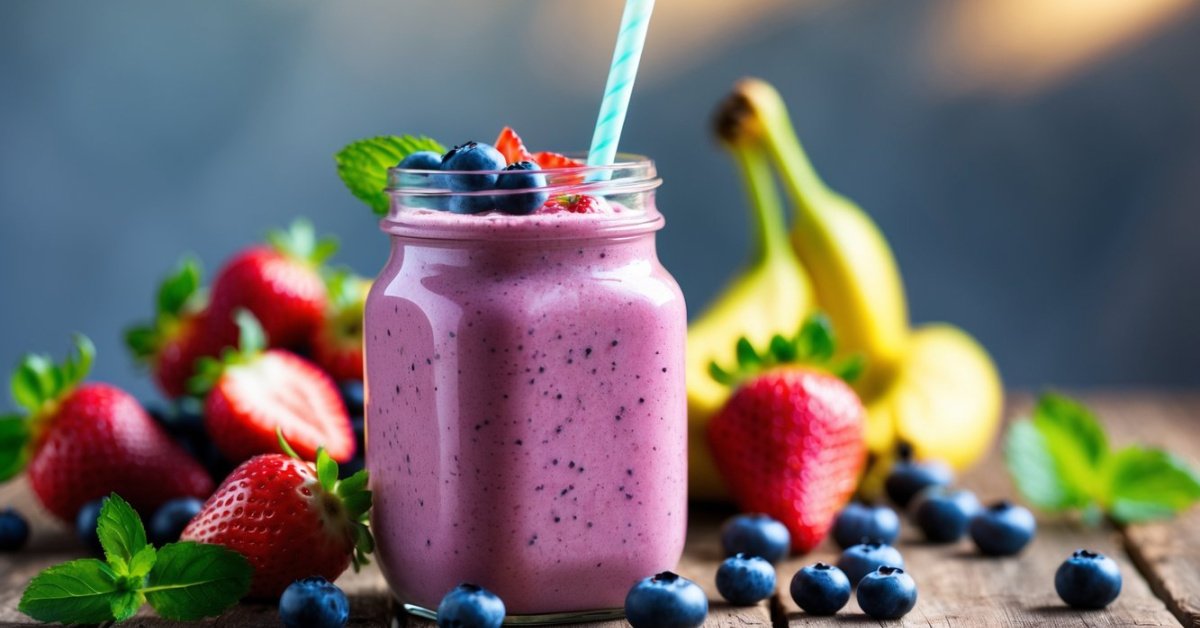
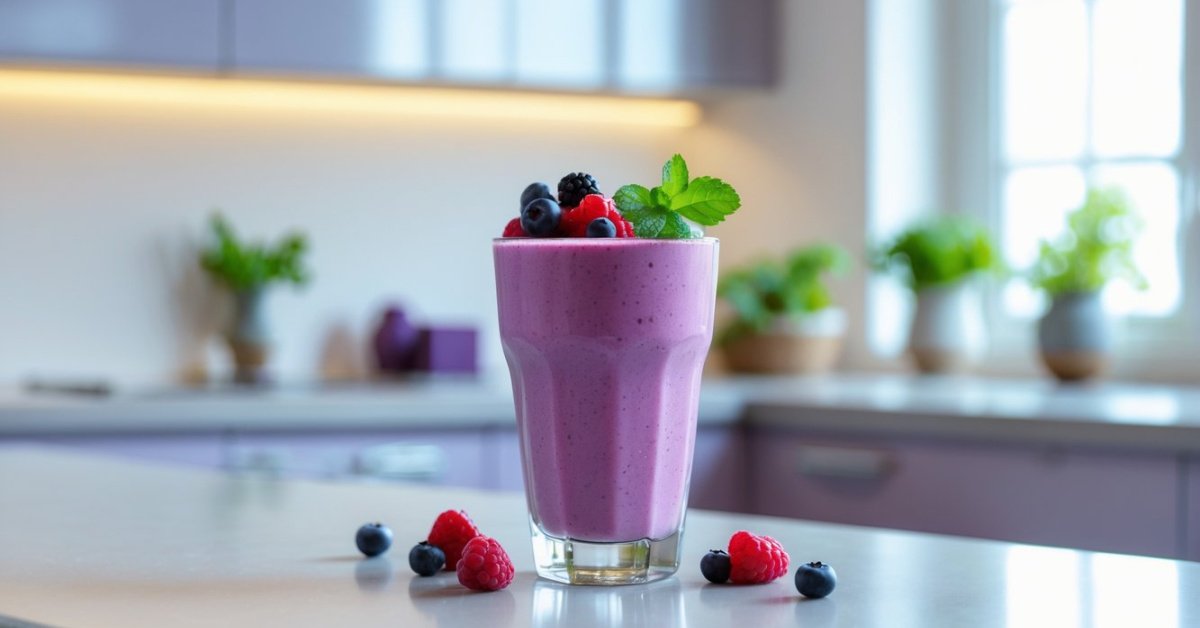
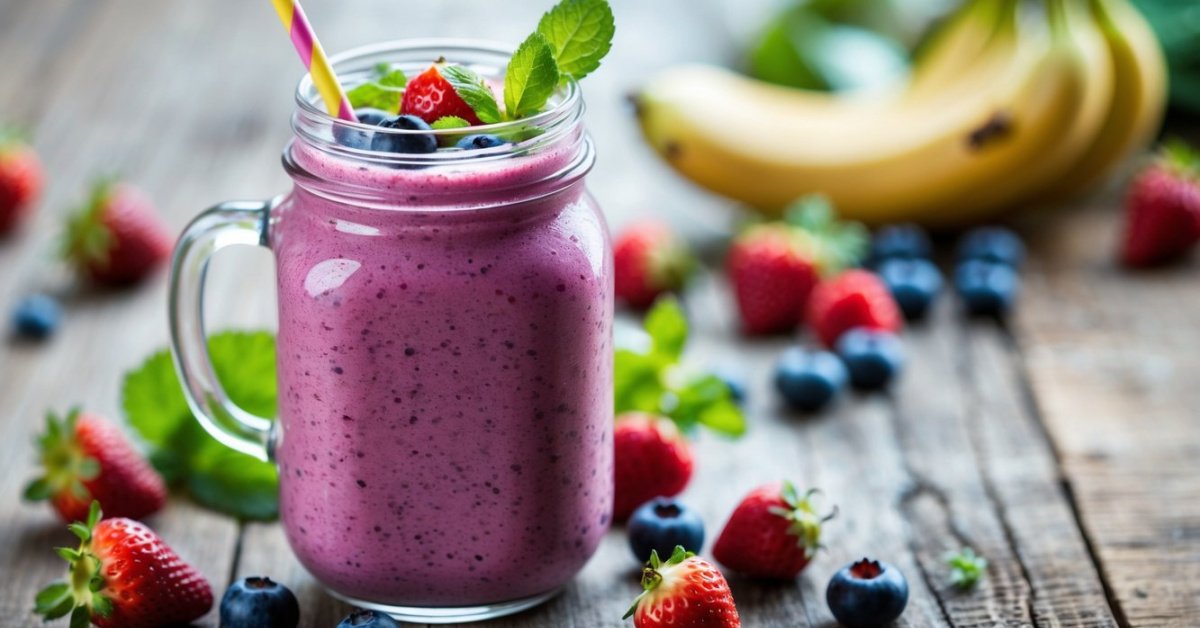
- Berry Almond Shake: I add ½ cup frozen blueberries, strawberries, or raspberries with the soaked almonds. I sweeten naturally with dates or agave and finish with a squeeze of lemon for freshness.
- Tropical Almond Shake: I replace the banana with ½ cup frozen mango and ¼ cup pineapple, using coconut water instead of plain water for a tropical spin.
- Protein Almond Shake: I blend a scoop of plant-based protein powder and 1 tablespoon chia seeds into the basic recipe if I need a post-workout boost.
Each variation builds around the creamy almond base, maximizing flavor and nutrition. I always use high-quality ingredients to keep shakes fresh and wholesome.
Tips for Achieving Extra Creaminess
- Soak Almonds Longer
I soak almonds overnight, at least 8 hours, to make them blend into a soft, velvety base. Shorter soaking, like 2–4 hours, softens them but doesn’t give that extra-smooth texture needed for premium shakes.
- Blend at High Speed
I use a high-speed blender for 60–90 seconds to create a uniform, creamy shake base. Slower blenders leave gritty almond pieces that affect the mouthfeel.
- Add Frozen Ingredients
I add frozen bananas, berries, or mango for added creaminess without extra liquid. Frozen fruit thickens and chills shakes while complementing blended almonds.
- Use Nut Milks
I reach for almond or cashew milk instead of water to amplify nutty flavors and smooth texture. Unsweetened versions keep the shake light and balanced.
- Emulsify with Healthy Fats
I blend in a spoonful of almond butter, avocado, or coconut cream for enhanced body. Healthy fats stabilize the shake and keep creams from separating.
- Use Less Liquid for Thickness
I reduce water or milk amount by 15–30% when I want a thicker consistency. Thick shakes pour more slowly and feel indulgent with fewer add-ins.
- Strain for Silky Texture
I strain blended almond base through a fine mesh or nut milk bag before adding other ingredients to remove any remaining pulp. This step keeps shakes ultra-smooth, especially for guests who prefer a super-silky experience at my smoothie shop.
- Sweeten to Taste
I add a touch of honey, dates, or maple syrup only after blending almonds, so the shake is creamy first, then just sweet enough.
Strategic use of premium ingredients and careful preparation ensures that every almond-based shake I serve or make at home achieves the highest standard of creaminess.
Common Mistakes to Avoid
Blending unsoaked almonds makes shakes gritty and less creamy. I always soak almonds at least six hours or overnight to guarantee a smooth texture and maximum creaminess.
Using roasted or salted almonds can overpower the shake’s flavor and increase sodium. I stick with raw, unsalted almonds for a mild, creamy base and cleaner taste.
Adding too much liquid results in thin shakes that lack body. I measure water or nut milk closely, starting with less, then increase only if the blend needs it.
Skipping high-speed blending causes small almond pieces to remain, affecting mouthfeel. I blend at maximum speed for 1-2 minutes until no bits remain and the shake looks silky.
Relying only on almonds for thickness creates watery results. I combine almonds with frozen bananas or avocado for better body and a richer texture.
Forgetting to strain the shake, especially when using standard blenders, leaves pulp and makes the drink less enjoyable. I strain my blend through a nut milk bag or fine mesh sieve for ultra-smooth shakes.
Sweetening before tasting risks an overly sweet shake that masks the natural almond flavor. I always blend first, then taste before adding honey, maple syrup, or dates based on the final flavor.
Using low-quality or old almonds gives shakes a stale taste and reduces nutritional value. I select fresh, high-quality raw almonds and store them in an airtight container in a cool place for best results.
Conclusion
Almonds have truly transformed the way I make shakes at home and in my smoothie shop. Their natural creaminess and subtle flavor make every shake feel like a treat—without any dairy or heaviness. Once you try using soaked almonds as your base, you’ll notice just how much smoother and richer your shakes become.
Experimenting with different flavors and techniques is half the fun. Don’t be afraid to get creative and make each shake your own. With a little practice and the right ingredients, you can whip up deliciously creamy shakes that fit any lifestyle or craving.