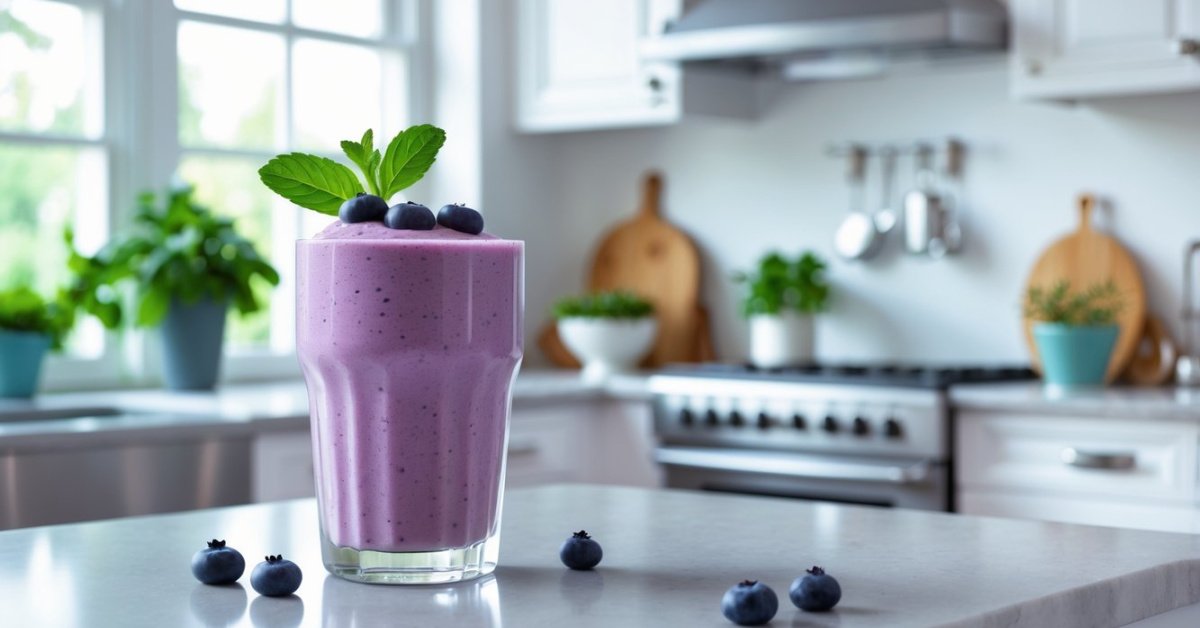
When I’m craving something sweet I always reach for a natural sweetener. With so many options out there though it’s tough to know which one’s best for my morning oatmeal or afternoon tea. Honey agave and maple syrup each have their own unique flavors and benefits but they’re not all created equal.
I’ve often wondered if one is actually healthier or if it just comes down to taste. Whether I’m baking cookies or drizzling something over pancakes I want to make sure I’m making the right choice. Let’s take a closer look at how these three popular sweeteners stack up against each other.
Overview of Natural Sweeteners
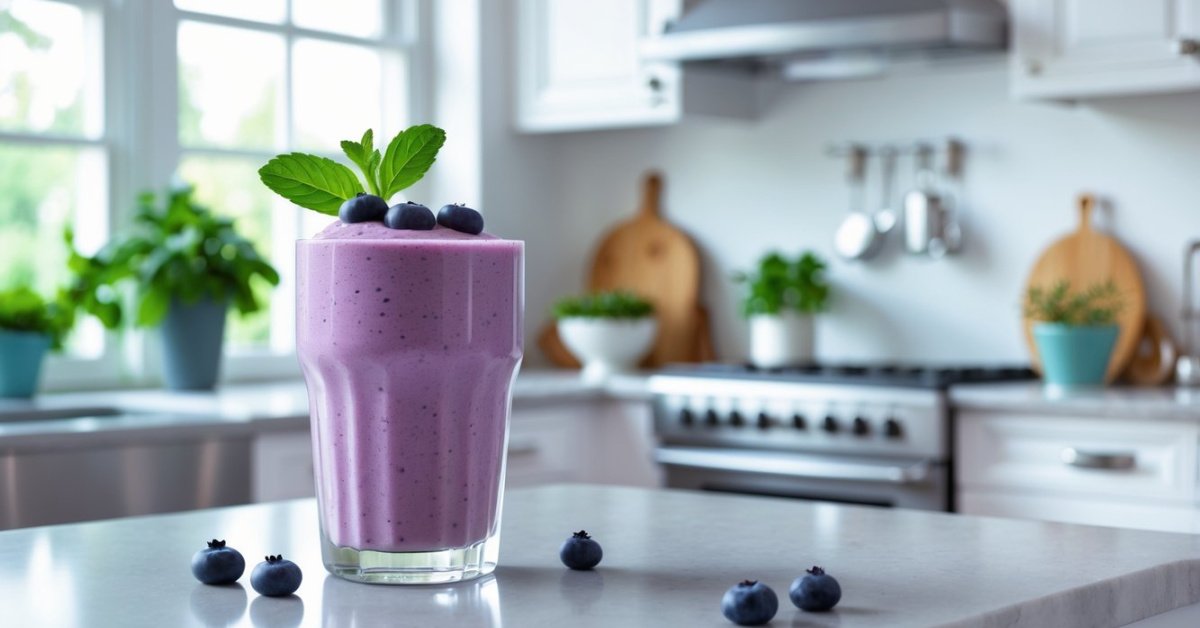
As someone who crafts hundreds of smoothies and shakes daily, I see natural sweeteners like honey, agave, and maple syrup as essential ingredients for both taste and quality. Each sweetener brings unique flavors and textures that affect smoothie and shake creations. Pure honey offers floral notes and a thicker consistency, perfect for recipes needing moisture and a distinct finish. Agave syrup dissolves quickly, providing a mild taste and thinner texture, which works well in chilled drinks or blended shakes. Maple syrup introduces a rich, caramel-like sweetness and remains a favorite for those who want depth and subtle complexity in every sip.
Ingredient purity stands out when choosing natural sweeteners, as each one contains not only sugars but trace minerals, antioxidants, and sometimes plant-specific phytonutrients. For instance, raw honey contributes pollen and small amounts of local minerals, while pure maple syrup contains manganese and zinc. Knowing these differences helps me select the right sweetener depending on flavor profiles and the nutrition I want my smoothies and shakes to deliver.
Natural sweeteners give customers options for customizing sweetness without relying on refined sugar. They’re versatile, letting me adjust blends for everything from classic berry smoothies to creamy plant-based shakes. This variety directs my choices behind the counter and at home, always aiming to balance flavor, nutrition, and texture.
Nutritional Comparison: Honey vs Agave vs Maple Syrup
When picking the best sweetener for smoothies and shakes, I weigh both flavor and nutrition. Each sweetener—honey, agave, and maple syrup—adds something unique to every blend.
Caloric Content and Sugar Composition
Honey, agave, and maple syrup all deliver quick energy thanks to their natural sugars. Each tablespoon gives:
| Sweetener | Calories | Total Sugars (g) | Main Sugar Types |
|---|---|---|---|
| Honey | 64 | 17 | Fructose, glucose |
| Agave | 60 | 16 | Fructose (up to 90%) |
| Maple Syrup | 52 | 12 | Sucrose |
Honey packs more calories than maple syrup. Agave contains more fructose by percentage, which creates a sweeter taste per gram. Maple syrup delivers sucrose, similar to table sugar. I often consider agave when making low-calorie blends for customers who want maximum sweetness with less volume.
Vitamins, Minerals, and Antioxidants
I’ve noticed trace nutrients in all three sweeteners, though the amounts stay modest. Honey supplies small quantities of vitamin C, calcium, and potassium. Maple syrup includes more minerals, especially manganese and zinc, which support immune health. Agave offers only trace minerals, lacking significant vitamin benefits.
Antioxidants appear most abundantly in darker honey and pure maple syrup. For example, buckwheat honey and grade A dark maple syrup both show higher antioxidant counts compared to agave. Adding these to smoothies gives a small boost of nutritional value that I find important in my recipes.
Each sweetener offers a different nutritional profile, so I match their benefits to the ingredients and goals of every smoothie or shake order.
Taste, Texture, and Culinary Uses
As someone who crafts smoothies and shakes daily, I find that honey, agave, and maple syrup each bring distinctive taste and texture qualities that can either lift or balance a recipe.
Flavor Profiles and Pairings
- Honey: Honey delivers bold floral and fruity notes, with clover, wildflower, and orange blossom as common varieties. I notice it offers depth to berry or citrus smoothies and complements nuts or oats in shakes.
- Agave: Agave syrup tastes mild and almost neutral, with subtle caramel undertones. I prefer it in green smoothies, tropical blends, or whenever I want the fruit flavors to shine through without being masked.
- Maple Syrup: Maple syrup brings a rich, earthy, and slightly smoky sweetness. Its pronounced caramel flavor pairs well with banana, nut butters, cocoa, and pumpkin in smoothies and protein shakes.
Best Uses in Cooking and Baking
- Honey: I use honey when I want a thick drizzle on smoothie bowls or as a binding agent in raw energy bites and breakfast bars. It works best in recipes where its viscosity and flavor can stand out, such as yogurt parfaits.
- Agave: Agave syrup dissolves rapidly in cold liquids, making it ideal for smoothies and iced beverages. It’s my choice for vegan recipes since it’s plant-based and has a low-key sweetness that layers easily with other ingredients.
- Maple Syrup: Maple syrup integrates well in baked goods like muffins, granola bars, and pancakes. I also swirl it into oat smoothies for added minerals and that classic pancake-house flavor.
In every blend, I match the sweetener’s flavor profile and texture to my main ingredients, maximizing taste, consistency, and nutrition.
Health Impacts and Considerations
Choosing between honey, agave, and maple syrup means considering how each sweetener affects health and how it fits into smoothie routines. I focus on a few key factors when making choices for my recipes and customers.
Glycemic Index and Blood Sugar Effects
Glycemic index levels play a big part in how sweeteners influence energy and blood sugar spikes. Agave ranks lowest on the glycemic index (about 15-19), mainly due to its high fructose content, which means it impacts blood sugar less rapidly than others (Harvard Health Publishing). Honey falls in the middle (35-60), with its natural blend of glucose and fructose offering a moderate impact. Maple syrup sits above honey with a glycemic index around 54, delivering a quicker blood sugar spike. For customers with concerns about blood sugar—like those making smoothies for sustained energy—agave can help keep levels steadier, if consumed in small amounts and paired with fiber-rich ingredients.
Potential Allergies and Sensitivities
Allergies and sensitivities affect sweetener choices for smoothies and shakes, especially in a shop environment. Honey occasionally causes reactions in individuals sensitive to pollen or bee products, so I always check with customers before adding it. Agave rarely causes allergic reactions but might cause digestive upset for those sensitive to high-fructose syrups or those with irritable bowel syndrome. Maple syrup rarely triggers allergies, but some customers react to tree pollen residues or additives in non-pure syrups. I keep certified pure maple syrup and organic raw honey on hand to reduce risks, and I always ask about allergies before making custom blends.
Environmental and Ethical Factors
Choosing honey, agave, or maple syrup for smoothies affects both environmental impact and ethical sourcing. Each sweetener’s origin and production support different practices, so I pay close attention to these factors when sourcing ingredients for my smoothie shop.
- Honey Production and Bee Health
Responsible beekeeping supports local pollinators, which helps create healthy ecosystems crucial for crops and wildflowers. Commercial honey farming sometimes raises concerns about overharvesting and poor worker bee treatment. I source honey from local apiaries that prioritize bee welfare and sustainable harvesting, which keeps local pollination strong.
- Agave Cultivation and Land Use
Agave comes from the agave plant, primarily in Mexico. Large-scale agave production sometimes leads to monoculture farming, which lowers biodiversity and depletes soil nutrients. The harvesting process can also stress the agave population, especially with global demand rising for sweeteners and spirits like tequila. I look for agave syrup from certified, sustainably farmed agave to minimize negative impacts.
- Maple Syrup Tapping and Forest Conservation
Maple syrup tapping typically preserves existing forests since healthy, mature maples need to thrive for high-quality syrup. This process allows forests to stay intact, supporting local wildlife. Over-tapping can stress trees, so I work with suppliers practicing selective tapping and adhering to forest management guidelines that keep tree health a priority.
| Sweetener | Key Environmental Concern | Common Ethical Consideration | My Preferred Sourcing Practice |
|---|---|---|---|
| Honey | Impact on pollinators | Bee well-being, overharvesting | Local, small-batch, sustainable beekeepers |
| Agave | Monoculture, biodiversity | Overharvesting, fair labor | Certified sustainable, supports biodiversity |
| Maple Syrup | Forest management | Tree health, local community support | Selective tapping, responsible forest stewardship |
I choose sweeteners for their taste and health value, but also to support ethical and sustainable supply chains. In my experience, these choices help create better smoothies and keep my business connected to values my customers care about.
Which Sweetener Is Best for You?
Choosing the best sweetener for smoothies and shakes depends on your priorities, whether they’re health, taste, or sustainability. As someone who’s spent years perfecting recipes in my smoothie shop, I weigh several factors when selecting honey, agave, or maple syrup behind the counter.
Nutritional Goals
Selecting a sweetener based on nutritional value affects both the flavor and function of a smoothie. Pure honey supplies small amounts of vitamin C, calcium, and potassium. Maple syrup gives you manganese and zinc that boost mineral content, especially if you’re crafting smoothies for post-workout recovery. Agave syrup contains fewer minerals but dissolves fastest and lets the their flavors shine—ideal when you want natural sweetness without changing texture. If calorie count matters, agave usually contains slightly fewer calories per tablespoon than honey but more fructose, which affects metabolism differently.
Blood Sugar Impact
Considering blood sugar effect matters for customers monitoring glycemic response. Agave syrup ranks lowest on the glycemic index, so it’s the option I reach for when making smoothies for my customers who monitor glucose levels. Honey and maple syrup both push blood sugar higher, though honey has more fructose by percentage, which can spike levels faster if consumed in large amounts.
| Sweetener | Avg Calories/Tbsp | Main Sugar Type | Glycemic Index |
|---|---|---|---|
| Honey | 64 | Fructose, Glucose | 50-58 |
| Agave Syrup | 60 | Fructose | 10-19 |
| Maple Syrup | 52 | Sucrose | 54 |
Taste and Texture Preferences
Choosing a sweetener for taste and texture lets me fine-tune the smoothie experience for my customers. Honey gives bold, floral notes and adds body—great in berry and citrus blends. Agave syrup keeps things neutral, so it’s my favorite for green smoothies and drinks featuring delicate tropical fruits. Maple syrup imparts a caramel-like richness, perfect for nutty, banana, or cocoa-based shakes.
Dietary Restrictions and Allergies
Accommodating allergies and dietary restrictions requires thoughtful sweetener selection. I avoid honey for vegans or anyone sensitive to pollen. For these guests, agave or maple syrup works better. With maple, I double-check for tree sap sensitivities, which are rare, but worth keeping in mind.
Sustainability Preferences
Prioritizing ethical sourcing aligns with my commitment to quality. I buy honey from local, cruelty-free beekeepers when available. For agave, only certified sustainable suppliers who rotate crops meet my standards. With maple syrup, I work with farmers using selective tapping to preserve forest health.
My Go-To Sweetener for Smoothies
Balancing all these aspects, I reach for different sweeteners based on the customer’s needs and the smoothie recipe. For antioxidant-rich, mineral-boosted blends, I prefer pure maple syrup or darker honeys. For low-glycemic needs or a super-smooth texture, agave syrup gets picked. In my shop, I keep all three on hand, so I can always customize shakes and smoothies to match specific tastes, health goals, and sustainability values.
Conclusion
Choosing between honey agave and maple syrup really comes down to what matters most to me in the moment. Sometimes I’m craving the bold floral taste of honey other times I want the quick-dissolving sweetness of agave or the rich depth of maple syrup. I love having all three options on hand so I can mix and match based on the recipe and my mood.
No matter which sweetener I reach for I always try to keep health and sustainability in mind. It feels good knowing I can sweeten my smoothies and treats in a way that fits my values and tastes.