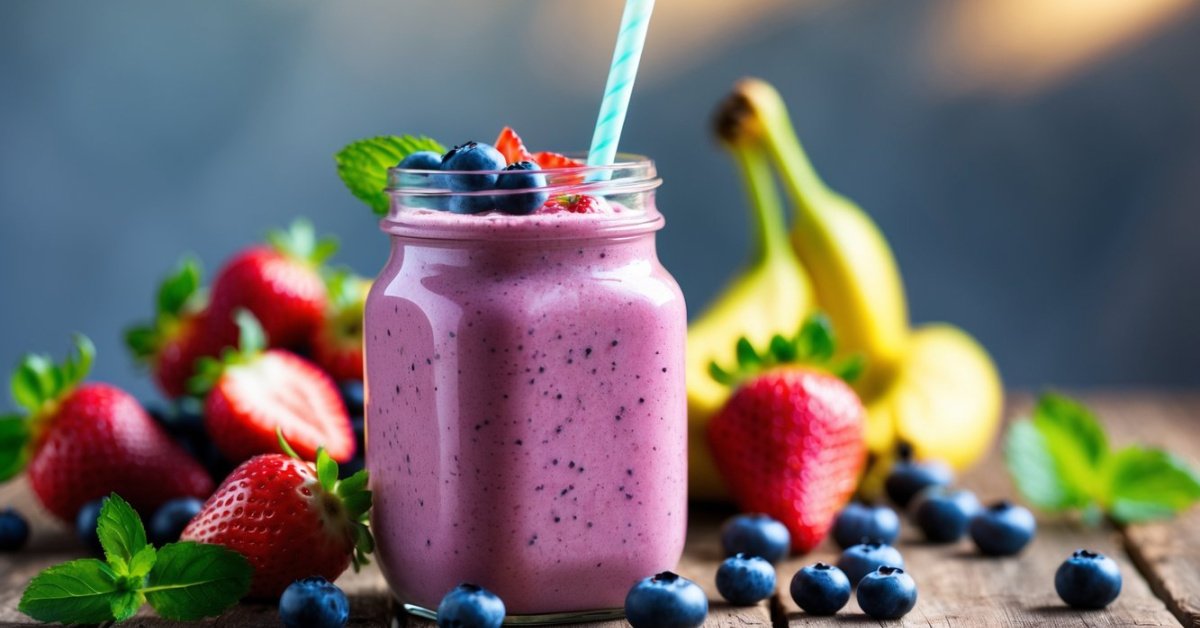
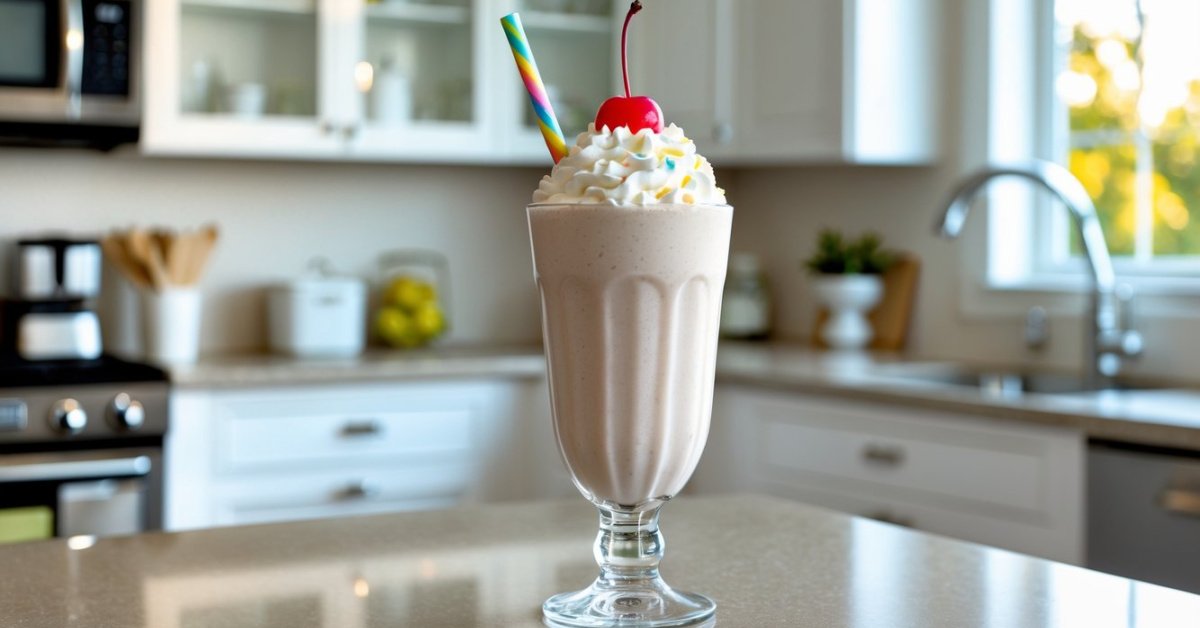
Nothing beats the taste of a creamy berry shake made with the freshest fruit. I love how the sweet and tangy flavors come alive when the berries are just right. But picking the best berries isn’t always as simple as grabbing the first box you see at the store.
I’ve learned that the secret to a perfect shake starts with knowing what to look for in fresh berries. Whether I’m blending strawberries blueberries or raspberries I want every sip to burst with flavor and color. Let me share a few tips that make all the difference when I’m choosing berries for my favorite shakes.
Why Choosing the Right Berries Matters for Shakes
Flavor defines the experience of any homemade shake, with fresh berries delivering vibrant taste in each sip. When I use peak-season strawberries, blueberries, or raspberries, shakes bring out refreshing sweetness or gentle tang that frozen or overripe berries can’t match.
Texture depends on the berry quality; fresh, firm berries create thick, smooth blends, while mushy or wilted ones make shakes runny or grainy. At my smoothie shop, I see the difference every time I swap in fresh ingredients.
Nutrition stands out most with fresh berries, as they keep more vitamin C, fiber, and antioxidants than aged or old stock. Using quality fruit, I help customers enjoy both flavor and health benefits in each shake.
Color and visual appeal matter too. Fresh berries keep shakes bright purple, pink, or red, which customers notice from the moment their drink’s ready. Vivid fruit tones come only from just-picked, high-quality berries.
Consistency in every blend becomes easy to achieve once I prioritize the right berries. Overripe or unripe berries disrupt the balance of sweetness, nutrition, and texture, affecting the final product people expect at my shop and in their home kitchens.
Key Factors in Selecting Fresh Berries
Knowing what to look for in fresh berries makes every shake richer in taste, texture, and color. I always focus on these details when picking strawberries, blueberries, and raspberries for my smoothies and shakes.
Appearance and Color
Checking the appearance and color identifies ripe, high-quality berries. I choose strawberries with even, deep red coloring and blueberries with uniform blue or purple hues. Raspberries should have a bright red or deep pink shade with no dullness. Avoiding dull or brown spots helps guarantee maximum freshness. Berries with shiny, taut skin signal peak ripeness and the best flavor for shakes.
Texture and Firmness
Feeling the berries for firmness determines their quality. Fresh strawberries, blueberries, and raspberries should feel firm but not hard. I set aside berries that feel mushy, wrinkled, or overly soft. A gentle squeeze confirms that the berries are plump and juicy, not dry or overdue. Firm berries blend smoothly, creating thicker, creamier shakes.
Smell and Freshness
Noticing the aroma helps me judge berry freshness. Ripe berries give off a sweet, fragrant smell unique to each type—strawberries and raspberries smell fruity and sweet, while blueberries have a subtle floral scent. Berries with sour, musty, or no aroma often lack flavor and could be past their best. Tasting berries with great aroma gives better results in both nutrition and taste.
Popular Berry Options for Shakes
Fresh berries shape the flavor and nutrition of any smoothie or shake. I use these three classic types in my shop for their taste, color, and health benefits.
Strawberries
Strawberries deliver a naturally sweet, tangy kick in shakes. I always choose berries with a deep red color, avoiding white tips and green patches. Smooth, glossy skin and firm flesh guarantee the berries are ripe but not overripe. I never select berries with dry caps or any shriveled spots. For shakes, medium-sized strawberries blend best, creating a creamy texture without seeds overwhelming the drink.
Blueberries
Blueberries give smoothies rich color and subtle sweetness. I look for berries with a deep blue-purple hue and a silvery, powdery bloom—this bloom protects the fruit and indicates freshness. Each berry should feel plump and roll freely rather than clump together, which signals mold or overripeness. Fresh blueberries also float easily in water, which helps me quickly sort out any spoiled or underripe ones before blending.
Raspberries and Blackberries
Raspberries and blackberries add a burst of tartness and a vibrant visual to shakes. I always inspect each berry for a full shape, bright color, and a dry, firm surface. Mushy or leaking berries quickly ruin a batch, so I stay vigilant for soft spots or dampness. Because these berries bruise easily, I use them immediately after buying for peak flavor and nutrition. I find that blending equal parts of fresh raspberries and blackberries yields a balanced, bold shake that my customers love.
Tips for Storing and Preserving Freshness
Storing fresh berries for shakes keeps their flavor, texture, and nutrition intact. I always start by keeping berries dry. Moisture speeds up spoilage, so I gently pat berries dry with a paper towel if they’re damp. I store them unwashed, only rinsing just before blending.
Using breathable containers extends berry shelf life. I place berries in shallow containers lined with a dry paper towel and leave the lid slightly ajar or use vented plastic clamshells. Airtight packaging traps excess moisture and leads to mold or soft spots.
Refrigerating berries slows ripening and spoilage. For strawberries, blueberries, raspberries, and blackberries, I store them at 34–38°F (1–3°C). I always check daily for damaged or moldy berries and remove them to avoid spreading.
Freezing extra berries works if I want zero waste or if a large batch is on hand. I arrange washed and dried berries in a single layer on a baking sheet. After they’re frozen solid (usually 2–3 hours), I transfer them to a sealed freezer bag, pressing out as much air as possible to keep them fresh, bright, and perfect for shakes.
Here’s a quick reference table for optimal berry storage:
| Berry Type | Storage Method | Shelf Life (Days) |
|---|---|---|
| Strawberries | Dry, unwashed, vented container in fridge | 3–5 |
| Blueberries | Dry, unwashed, vented container in fridge | 7–10 |
| Raspberries | Dry, unwashed, single layer in shallow container in fridge | 2–3 |
| Blackberries | Dry, unwashed, single layer in shallow container in fridge | 3–4 |
| Any (Frozen) | Washed, dried, single layer first, then sealed bag in freezer | 60–180 |
Keeping berries fresh means more consistent shakes, vibrant colors, and the natural sweetness and nutrition I want in every order or homemade blend.
Common Mistakes to Avoid When Choosing Berries
Skipping visual inspection limits quality control. I always check for bruises, mold, or dull colors before buying berries for shakes. Damaged spots or excess moisture indicate early spoilage, especially for strawberries and raspberries in hot weather.
Ignoring berry firmness risks runny shakes. I press gently to ensure each berry feels plump and springy—never mushy or shriveled. Softness in blueberries often means they’re aging and could affect shake consistency.
Overlooking aroma misses freshness clues. Strong, sweet scents signal ripe berries ready for blending. If I pick up fermented or sour smells, I avoid those containers for shake use.
Buying pre-packaged berries without inspecting causes inconsistency. I always open the package or buy in small batches so I can assess all berries, not just the surface ones. Hidden spoilage in blackberries and raspberries is common.
Relying on out-of-season berries reduces nutrition and flavor. I stick with in-season options or trusted local sources, since berries grown far away or stored for long periods can lack sweetness and vitamins.
Washing berries too early shortens shelf life. I rinse only right before blending, since added moisture encourages mold and softening, especially with delicate raspberries and strawberries.
Confusing size with ripeness sacrifices taste. Large berries, like oversized strawberries, aren’t always sweeter or more flavorful than mid-sized, fully ripe ones that deliver better results in shakes.
Mistakenly choosing discount or bulk berries for savings leads to more waste. I resist bargain packs if I can’t use them quickly—soft, overripe berries spoil my shakes’ smooth, thick texture, wasting good ingredients and nutrition.
Conclusion
Choosing fresh berries for shakes has become second nature to me and it’s always worth the extra care. When I take a moment to select the best fruit my shakes turn out brighter tastier and more satisfying every time.
I love knowing that a little attention at the store or market pays off in every sip. With the right berries on hand it’s easy to whip up shakes that impress friends family or customers—and keep everyone coming back for more.