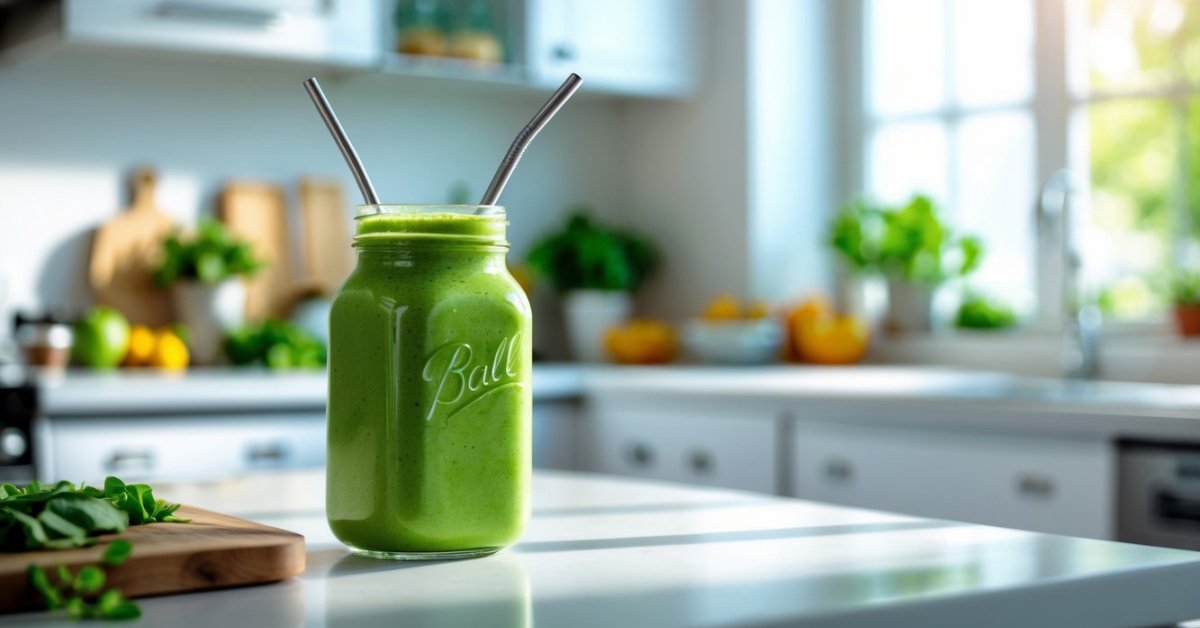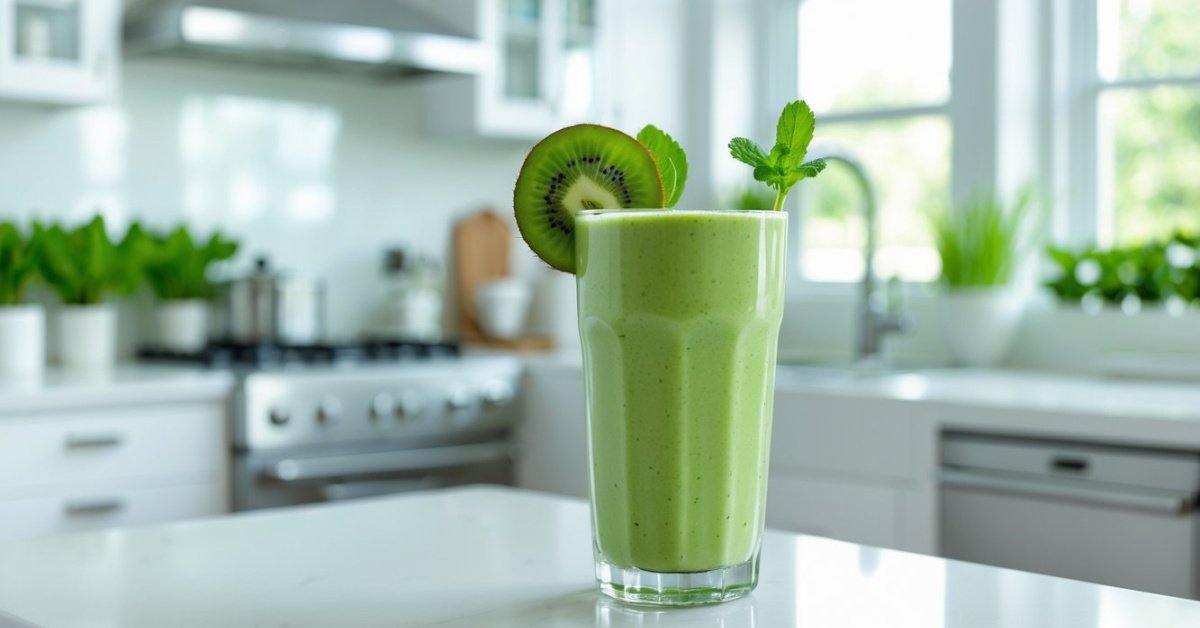

I love starting my day with a smoothie that packs a punch, and spirulina always finds its way into my blender. This vibrant green superfood has a reputation for boosting energy and adding a nutritious kick to just about any drink. But if you’ve ever wondered how to actually use spirulina in your smoothies without overpowering the flavor, you’re not alone.
It took me a few tries to get it just right, but now I can’t imagine my morning routine without it. With the right tips and a little creativity, spirulina can become the star ingredient in your smoothies—without making them taste like the ocean. Let’s dive into how to make this powerful powder work for you.
What Is Spirulina and Why Add It to Smoothies
Spirulina comes from blue-green algae harvested in freshwater lakes and ponds. I use spirulina in my smoothie shop because it offers concentrated nutrition in small servings. Each tablespoon of spirulina powder contains about 4 grams of protein, B vitamins including B12, iron, and antioxidants like phycocyanin (USDA FoodData Central). These nutrients support energy, immune health, and muscle recovery, so spirulina fits perfectly in morning and post-workout smoothies.
Spirulina’s mild earthy taste blends easily with fruits and leafy greens. When I use bananas, pineapple, mango, or spinach in smoothies, the natural flavors mask spirulina’s bold notes. Spirulina’s vivid green color adds a vibrant look that appeals to health-focused customers. Since spirulina contains no gluten or dairy, people with allergies or food sensitivities can enjoy it.
I add spirulina because it boosts the nutrition of any smoothie without requiring a lot of extra prep time. For people making smoothies and shakes at home, spirulina offers a quick way to pack in extra nutrients and make every sip count.
Choosing the Right Spirulina for Smoothies
Selecting spirulina for smoothies means checking freshness, taste, and quality certifications. I always look for organic options with a vibrant green color and fine powder texture in my shop. Third-party tested spirulina ensures no heavy metals or contaminants, which matters for anyone blending it at home.
Comparing brands helps spot differences in origin and flavor profile. Milder-tasting spirulina works best for beginners, especially when paired with fruits like banana or pineapple. I recommend starting with small jars before buying in bulk in case a brand’s taste stands out more than others.
Checking spirulina’s source offers an extra layer of quality control. The safest spirulina often comes from controlled farms in the US, Taiwan, or Hawaii—these places follow higher production standards than unregulated sources.
Reading the ingredient list keeps shakes clean. Pure spirulina contains no fillers or additives. I avoid products listing stevia or flavorings, since they can change the smoothie’s natural taste and texture.
Storing spirulina in a cool, dry place keeps it fresh and potent for weeks. After opening, I reseal containers tightly to prevent clumping and odor changes. Over time, properly stored spirulina keeps every smoothie clean-tasting and full of nutrients.
Preparing Spirulina for Smoothie Use
Spirulina easily fits into at-home smoothie and shake recipes, especially when the right form and portions come into play. As someone passionate about maximizing both taste and nutrition, I always start by choosing the right type and measuring the ideal amount.
Powdered vs. Tablet Forms
Powdered spirulina adds vibrant color and blends evenly with most smoothie bases. When I use powder, I notice it mixes seamlessly with bananas, spinach, and berries. Tablet spirulina, while convenient for on-the-go supplementation, isn’t designed for blending. Tablets bring gritty texture or clumping, making them less ideal for smoothies and shakes. For smooth results, I always reach for organic spirulina powder.
Measuring the Right Amount
Measuring spirulina precisely keeps the smoothie both tasty and nutritious. I typically use 1 teaspoon (about 3 grams) per 16-ounce smoothie for a mild taste. For bigger nutrition boosts, 1 tablespoon (about 7 grams) works, mostly with strong-flavored ingredients like pineapple or citrus to balance spirulina’s earthiness. Spirulina’s flavor gets strong quickly, so I recommend starting small and increasing as you get used to it. I measure with a standard kitchen teaspoon and always level it off for consistency.
Spirulina Smoothie Recipe Ideas
Spirulina creates vibrant smoothies with a unique green color and mild earthy taste. I experiment often to balance nutrition, flavor, and eye appeal for customers and at home.
Classic Green Spirulina Smoothie
Classic green spirulina smoothies feature leafy greens and creamy bases. I blend 1 banana, 1 cup fresh spinach, ½ avocado, 1 teaspoon spirulina powder, and 1 cup almond milk. Spinach and avocado help mask spirulina’s flavor, while banana adds natural sweetness. For extra creamy texture, I sometimes add 1 tablespoon almond butter or swap almond milk for oat milk.
Tropical Spirulina Smoothie
Tropical spirulina smoothies pair spirulina with tangy and sweet fruits. I mix 1 cup frozen pineapple, ½ cup frozen mango, ½ banana, 1 teaspoon spirulina, and 1 cup coconut water. Pineapple and mango keep the smoothie sweet and tropical, creating a bright green color. Adding 1 tablespoon lime juice brings out more vibrant flavors and balances the spirulina.
Berry Spirulina Smoothie
Berry spirulina smoothies use berries to add antioxidants and a colorful twist. I blend 1 cup mixed berries (such as blueberries, raspberries, strawberries), ½ banana, 1 teaspoon spirulina, and ¾ cup Greek yogurt or plant-based yogurt. Berries’ sweetness and tartness blend with spirulina’s earthy notes, and yogurt brings smooth consistency. For vegan customers, I use coconut or almond yogurt with a splash of plant-based milk.
Tips for Enhancing Flavor and Nutrition
Experimenting with spirulina in smoothies lets me create drinks that taste great and deliver powerful nutrition. Maximizing both flavor and nutritional value starts with mindful pairing and balancing.
Balancing Spirulina’s Taste
Layering flavors masks spirulina’s earthy notes without overpowering the smoothie. Pairing spirulina with sweet fruits—bananas for creaminess, mangoes for brightness, or pineapple for tang—balances its boldness. Blending in fresh citrus juices like orange or lime freshens the profile and lightens the aftertaste. Mixing a teaspoon of raw honey or a few dates provides natural sweetness that complements spirulina’s flavor while enhancing nutrient content. Using creamy bases—almond milk, coconut yogurt, or avocado—smooths texture and mellows earthiness in every sip.
Combining With Other Superfoods
Combining superfoods with spirulina packs more nutritional punch into each smoothie. Adding a tablespoon of chia seeds increases omega-3 fatty acids and thickens drinks without overpowering flavor. Blending in flaxseed meal introduces fiber and supports heart health, especially when paired with berries and greens. Mixing in hemp seeds boosts protein and minerals, working especially well in post-workout shakes. Spinning in cacao nibs or acai powder raises antioxidant levels and enhances richness, pairing well with tropical and berry spirulina blends. Each superfood I select depends on the specific wellness goals—energy, immunity, or recovery—that I want the smoothie to support.
Potential Health Benefits of Spirulina in Smoothies
Mixing spirulina into my smoothies boosts the nutrient density and supports my shop’s mission of crafting recipes with clean, purposeful ingredients.
- High-Quality Plant Protein
Spirulina adds about 4 grams of complete protein per tablespoon, offering all essential amino acids. Customers aiming for muscle recovery or plant-based nutrition see better results from smoothie blends like my Classic Green Spirulina Smoothie.
- Rich Source of Antioxidants
Spirulina contains phycocyanin, a blue-green pigment with antioxidant effects (source: NIH). Customers often ask about immunity support, so I add spirulina to blends to help protect cells from oxidative stress—especially post-workout.
- Supports Immune Health
B vitamins, beta-carotene, and iron in spirulina keep the immune system active. I suggest this for busy professionals or families—smoothies get an easy functional upgrade.
- Potential to Aid Energy Levels
Iron helps carry oxygen in the blood, supporting natural energy. Many customers mention feeling less sluggish when I include spirulina in their morning shakes paired with banana or oats.
- Promotes Gut-Friendly Nutrition
Spirulina offers fiber and prebiotic compounds for gut health. Customers sensitive to dairy or gluten enjoy an immune-friendly ingredient that’s easy to digest.
- Supports Healthy Blood Sugar Balance
Studies show spirulina may help support healthy blood sugar (source: Diabetes Metab Syndr Obes, 2018). I incorporate it into protein-rich smoothies for customers who want balanced energy without sugar spikes.
These are the key health rewards that I notice when using great spirulina in smoothies, reinforcing my approach to delicious, nourishing shakes in my shop.
Conclusion
Adding spirulina to my smoothies has truly transformed my morning routine and given me a simple way to boost my nutrition. I love how just a small scoop can make any shake more vibrant and nourishing without a lot of extra effort.
If you’re curious about trying spirulina in your own smoothies don’t be afraid to experiment. With the right pairings and a little creativity you might find it becomes a staple in your kitchen too. Happy blending!