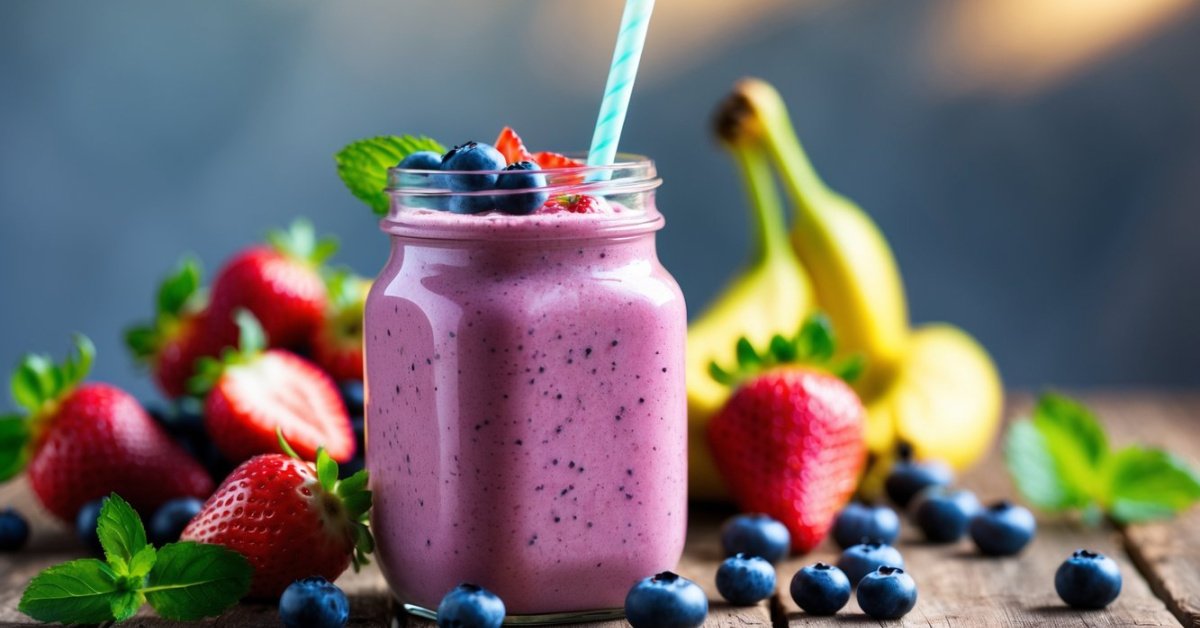

I’ve always loved experimenting with new fruits in my morning shakes and dragon fruit quickly became a favorite. Its vibrant color and mild sweetness make any smoothie look and taste amazing. But there’s more to this tropical fruit than just good looks and flavor.
When I started adding dragon fruit to my shakes I realized I was also giving my body a boost of essential nutrients. It’s packed with vitamins fiber and antioxidants that can make a real difference in how I feel throughout the day. If you’re curious about what makes dragon fruit such a smart choice for your shakes you’re in the right place.
What Makes Dragon Fruit a Superfood?
Dragon fruit packs essential nutrients into every serving, making it a standout ingredient in shakes. Each cup (about 227 grams) delivers vitamin C, magnesium, and fiber—nutritional elements that support energy and gut health.
Antioxidants—like betalains and flavonoids—work in dragon fruit to help fight cell damage from free radicals. I use this fruit in my smoothies for its ability to naturally boost the immune system and support skin health. These key compounds appear in fresh, frozen, and freeze-dried dragon fruit, so every form keeps shakes nutritious.
Low sugar and abundant water content keep dragon fruit light and hydrating. People who want a creamy texture in shakes often mix in pitaya, which blends smoothly while adding only subtle sweetness. It’s ideal for nutrient-dense blends that don’t overpower other fruits or greens.
High fiber (about 7 grams per serving) supports digestion and helps my customers feel satisfied after a shake. Fiber also pairs well with plant-based proteins, which I recommend for a balanced smoothie base.
Variety of vitamins—B1, B2, B3, and C—mean I can use dragon fruit year-round to offer vibrant options that look as good as they taste. Its seeds bring a plant-based protein punch, which vegan customers appreciate.
I recommend dragon fruit for those seeking shakes with both nutrient density and visual appeal. My customers often come back for recipes featuring pitaya because it consistently elevates both nutrition and experience.
Key Nutrients in Dragon Fruit
Dragon fruit packs essential nutrition in every scoop, making it a go-to for shakes. I use it in my smoothie shop because its nutrients support energy, immunity, and digestibility.
Vitamins and Minerals
Dragon fruit supplies key vitamins and minerals that boost the value of any shake. Each 100-gram serving delivers about 9 mg vitamin C, supporting immune health (USDA FoodData Central). Magnesium content averages 18 mg per 100 grams, benefiting energy metabolism and muscle function. Iron comes in at 0.74 mg, which helps oxygenate blood. Potassium at about 110 mg in each serving supports heart function and hydration.
Antioxidants and Fiber
Dragon fruit contains antioxidants that help combat cell damage, which is crucial for long-term health. Betalains, found in red-fleshed varieties, and flavonoids protect the body from environmental stressors. Fiber content averages 7 grams per cup, making shakes more filling and supporting digestive well-being. These antioxidants and fiber work together, keeping smoothies both nutritious and satisfying.
Health Benefits of Dragon Fruit Shakes
Dragon fruit shakes add more than a bold color to my menu. With every blend, I deliver a solid boost of nutrients and wellness.
Boosting Digestive Health
Blending dragon fruit into shakes enhances digestive support. Each 100-gram serving packs about 7 grams of fiber, promoting regularity and easing digestion in my customers’ daily routines. Dragon fruit’s prebiotic properties help feed healthy gut bacteria, so I often recommend these shakes to anyone seeking gentler digestion. Paired with plant-based proteins like pea or hemp, dragon fruit shakes satisfy hunger and help retain fullness between meals.
Supporting Immune Function
Serving dragon fruit shakes in my shop helps support customers’ immune systems with essential nutrients. A typical blend offers about 9 mg of vitamin C and powerful antioxidants like flavonoids, both crucial for cellular protection and immune defense. I favor red-fleshed dragon fruit varieties for their richer betalains, as these unique antioxidants help shield cells from environmental stress. For those looking to boost immune resilience throughout the year, I find dragon fruit an easy ingredient to keep on any smoothie lineup.
Comparing Dragon Fruit Shakes to Other Fruit Shakes
Dragon fruit shakes excel in nutrition and texture when compared to other popular fruit shakes like strawberry, banana, and mango shakes. I focus on several key points when guiding customers to ingredients that enhance each blend’s value.
- Vitamin C Content
Dragon fruit offers about 9 mg of vitamin C per 100 grams, while strawberries contain approximately 59 mg, and mangoes have around 36 mg. Though dragon fruit has less vitamin C than strawberries, it adds a vibrant antioxidant profile and a hydrating texture.
- Fiber Amount
Dragon fruit contains 3 grams of fiber per 100 grams, compared to bananas at 2.6 grams, strawberries at 2 grams, and mangoes at 1.6 grams. Fiber helps shakes feel filling and supports digestive regularity, giving dragon fruit shakes an edge for those seeking more satiety.
- Sugar Content
Dragon fruit features lower sugar content, about 8 grams per 100 grams, while bananas reach 12 grams, mangoes 14 grams, and strawberries 4.9 grams. Customers wanting a less sweet, more balanced shake often prefer dragon fruit for this reason.
- Antioxidant Benefits
Dragon fruit, especially red-fleshed varieties, supplies betalains and flavonoids, antioxidants less common in other fruit shakes. Antioxidants protect cells from oxidative stress, making dragon fruit shakes attractive to those seeking healthy, functional drinks.
- Texture and Blendability
Dragon fruit gives shakes a creamy, smooth texture without dominating flavors. Banana shakes also blend into a thick base, but banana flavor is more intense, often overpowering other ingredients. Strawberry and mango shakes tend to be more fibrous and don’t create the same seamless base.
- Visual Appeal
Dragon fruit’s vibrant pink or white flesh creates visually striking shakes, distinguishing them from pale banana shakes or the softer orange and red of mango and strawberry shakes. Customers often request dragon fruit for its unique look.
| Fruit | Vitamin C (mg) | Fiber (g) | Sugar (g) | Distinct Antioxidants | Blend Texture | Visual Appeal |
|---|---|---|---|---|---|---|
| Dragon Fruit | 9 | 3 | 8 | Betalains, Flavonoids | Creamy, Smooth | Vibrant Pink/White |
| Banana | 8.7 | 2.6 | 12 | Dopamine, Catecholamines | Thick, Heavy | Pale Yellow |
| Strawberry | 59 | 2 | 4.9 | Ellagic Acid, Anthocyanins | Slightly Fibrous | Bright Red |
| Mango | 36 | 1.6 | 14 | Lupeol, Mangiferin | Fibrous, Juicy | Soft Orange |
Dragon fruit’s nutritional makeup, paired with its mild sweetness and visual appeal, keeps it a preferred option for customers at my smoothie shop. I combine it with other fruits, leafy greens, or plant-based proteins, knowing the end result maintains both quality and flavor balance.
How to Maximize Nutritional Value in Your Shake
Focusing on ingredient selection and smart preparation techniques helps deliver nutrient-packed dragon fruit shakes every time. I always aim for maximum flavor and nourishment in every blend.
Choosing the Right Ingredients
Fresh dragon fruit gives the best texture and highest levels of vitamins C and fiber, so I reach for ripe, bright-fleshed pieces whenever possible. I pair dragon fruit with high-quality plant-based proteins like pea or hemp, and use unsweetened plant milks, Greek yogurt, or kefir to boost creaminess without extra sugar. For extra nutrients, I sprinkle in flaxseeds, chia seeds, or a handful of leafy greens like spinach. I avoid sugary add-ins—frozen berries, mango chunks, or a banana work better to add sweetness and antioxidants, without overloading on simple sugars.
Tips for Preparing Healthy Shakes
Blending dragon fruit with the skin removed ensures a smoother consistency and more appealing color. I start with liquids, then add fruit, seeds, and powders, letting the blender run a bit longer for the creamiest shake. Measuring portions keeps calories and sugar in check—100 grams of dragon fruit, one scoop of protein, and ½ cup of other fruits creates a nutrient-dense base. For added fiber and omega-3s, I toss in a tablespoon of ground flaxseed. I taste before serving and adjust with lemon juice or a few fresh mint leaves for a bright finish, enhancing both nutrition and flavor, every time.
Conclusion
Adding dragon fruit to my shakes has truly changed the way I approach my morning routine. Its subtle flavor and vibrant color make every blend more exciting and appealing. I love knowing that each sip delivers a boost of nutrients and supports my health goals without any fuss.
Experimenting with different combinations keeps things fresh and delicious. Whether I’m craving something light or need a filling breakfast, dragon fruit always fits right in. If you haven’t tried it yet, I think you’ll be pleasantly surprised by how much it can elevate your daily shakes.