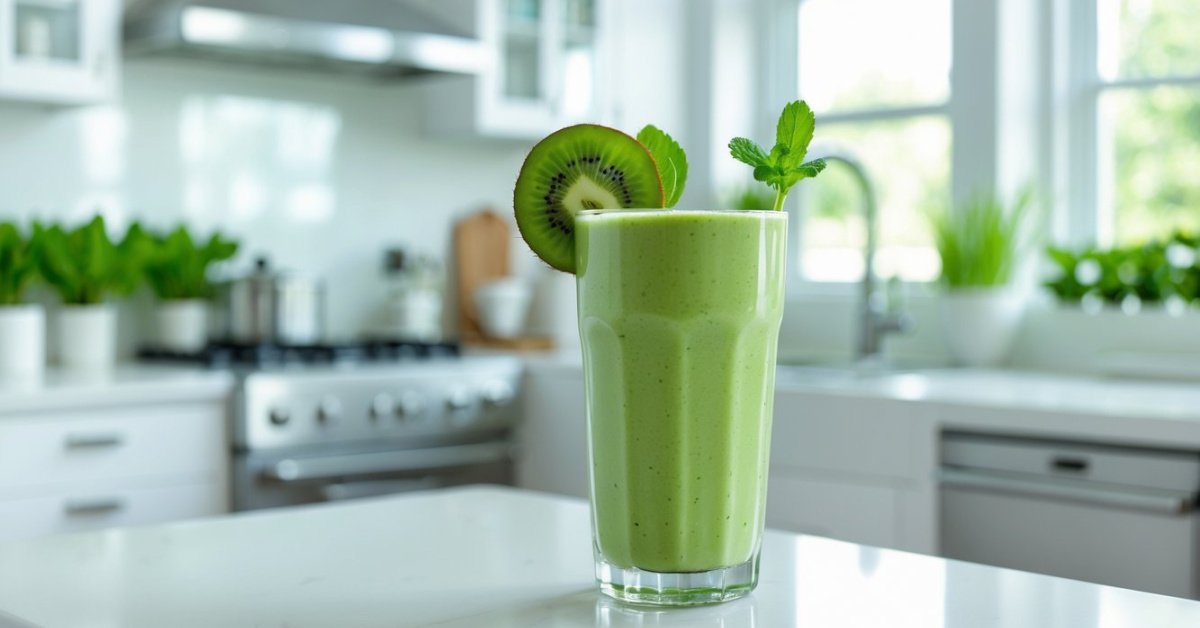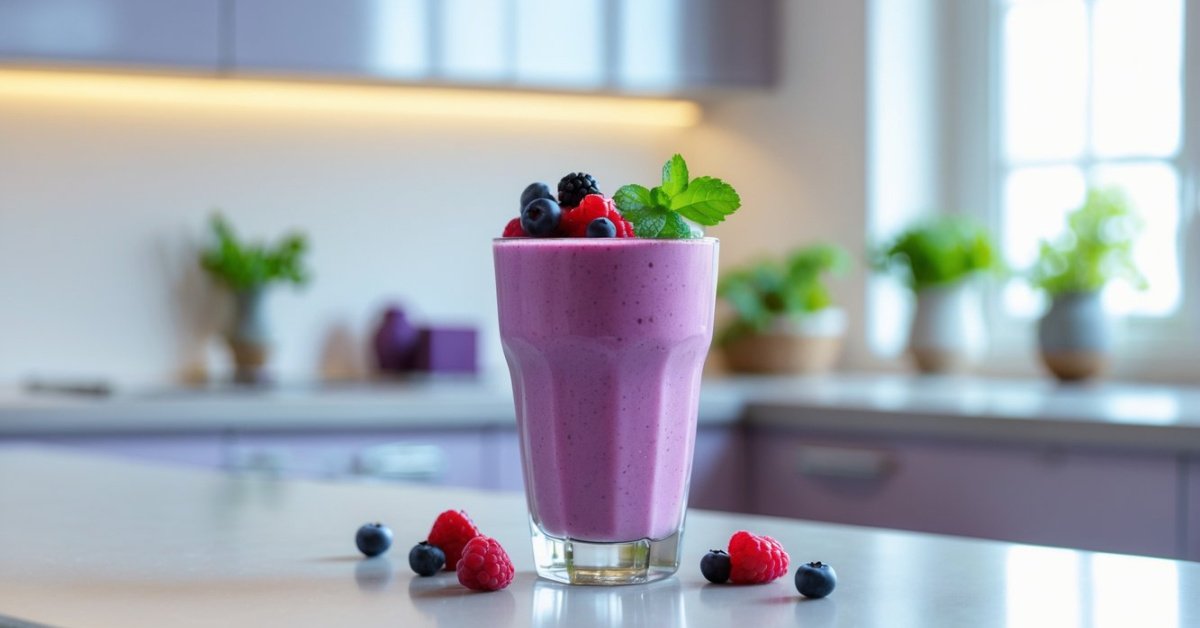
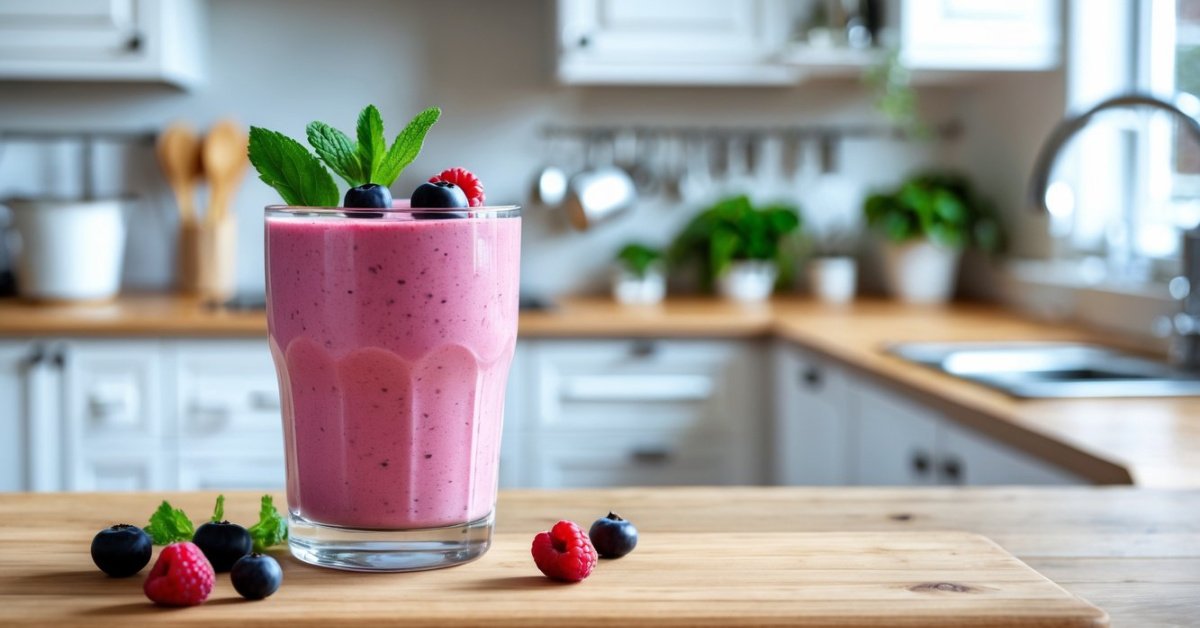
I love starting my day with a colorful smoothie packed with fruits and veggies. It feels like the easiest way to sneak in extra nutrients and keep my energy up. With endless recipes and flavors, it’s no wonder smoothies have become a go-to health trend for so many of us.
But lately, I’ve started to wonder if it’s possible to have too much of a good thing. While smoothies seem healthy on the surface, drinking them in excess might come with some hidden downsides. Before I blend up my next glass, I want to take a closer look at what happens when we overdo it.
Understanding the Popularity of Smoothies
People recognize smoothies as a staple for anyone seeking fast, nutrient-packed options at home or on the go. I notice most customers come in for vibrant fruit blends, leafy green smoothies, and protein shakes. I use ripe bananas, spinach, Greek yogurt, and almond milk for their balance of taste and nutrition. Fresh berries, mango, and avocado regularly make their way into my recipes since they bring natural sweetness and creamy texture.
Home smoothie makers appreciate the flexibility to mix seasonal fruits or superfood add-ins, such as chia seeds, flaxseed, or spirulina. Customizing flavors lets people control sugar intake and fit their dietary preferences. Instagram feeds and wellness blogs highlight homemade smoothie bowls topped with granola or nuts, fueling trends among health-conscious consumers.
Many visitors choose smoothies to replace breakfast or lunch, hoping to save time without sacrificing nutrients. Smoothies allow for quick preparation, minimal cleanup, and the inclusion of fiber, vitamins, and plant proteins. In my shop, plant-based milks, nut butters, and adaptogens like maca powder attract customers searching for wellness-boosting options.
This growing demand for smoothies reflects a broader interest in healthy lifestyles and ingredient transparency. At home and in my shop, I emphasize using fresh produce and natural sweeteners to create flavorful drinks that appeal to both taste and wellness goals.
Nutritional Content of Smoothies
Smoothies combine diverse ingredients for concentrated nutrition, but the mix affects both health impact and overall balance. I always focus on what goes into every blend at my shop and in my kitchen.
Common Ingredients and Their Benefits
I rely on fruits like bananas, berries, mangoes, and apples for vitamins C and A, potassium, and antioxidants. I use leafy greens such as spinach, kale, and chard for fiber, vitamin K, and folate. I often add proteins through Greek yogurt, protein powders, or nut butters. I blend in healthy fats like chia seeds, flaxseeds, or avocados for omega-3s and extra creaminess. I sometimes use milk, almond, oat, or soy milk, which each provide different amounts of calcium, vitamin D, or plant protein.
Added Sugars and Calorie Concerns
Many smoothies end up with added sugars from honey, agave, flavored yogurts, or fruit juices. These extras can push sugar and calorie content far past daily needs without people realizing it. Even ingredients like dates, maple syrup, or sweetened plant milks can add up fast. At my shop, I use unsweetened milks and whole fruits whenever possible to avoid unnecessary sugars. I also pay attention to portion sizes, since a large smoothie can contain 350–500 calories depending on the recipe. Checking labels and measuring ingredients keeps the calorie count in check for every smoothie I make.
Main Risks of Overconsuming Smoothies
Overindulging in smoothies—even those packed with quality ingredients—presents several health risks. I see many customers try to maximize nutrition, but too much of a good thing sometimes creates unintended problems.
Blood Sugar Spikes and Diabetes Risk
High portions of fruits, fruit juices, or sweetened yogurt in smoothies cause rapid blood sugar spikes. When I add bananas, mangoes, pineapples, or sweetened nut milks, the sugar load easily exceeds 30 grams per serving. Studies link frequent consumption of high-sugar beverages, including fruit-heavy smoothies, to increased insulin resistance and higher type 2 diabetes risk (source: American Diabetes Association). I recommend mixing in low-glycemic fruits like berries, adding leafy greens, and limiting added sweeteners to keep blood sugar balanced.
Potential for Weight Gain
Large smoothie portions pack more calories than many customers expect. A 20-ounce smoothie with nut butters, protein powder, and avocado can reach 500–700 calories. Even if made with healthy ingredients, drinking more calories than expended leads to weight gain. I always tailor my recipes to match individual activity levels and encourage measuring ingredients to keep portion sizes in check.
Impact on Dental Health
Smoothies coat teeth with natural sugars and acids from fruit, accelerating enamel erosion. If I blend in citrus fruits or sweetened yogurt, that acidic exposure increases. The American Dental Association connects frequent sipping of sugary beverages to higher rates of cavities and tooth decay. I usually suggest drinking smoothies quickly instead of sipping over long periods, and rinsing the mouth afterward to reduce acid exposure.
Digestive Issues and Fiber Imbalance
Blended smoothies sometimes lack the fiber variety present in whole produce. When I use mostly fruit without veggie or seed additions, fiber content drops and digestion slows. Too many high-fiber add-ins like flaxseed or chia sometimes tip the balance the other way, causing bloating or discomfort. Variety is key—I blend greens, fruits, seeds, and creamy bases to maintain digestive balance and support gut health.
Comparing Smoothies to Whole Foods
Blending fruits or vegetables for smoothies changes texture and nutrient profile compared to eating whole foods. Fruit and veggie smoothies let me pack nutrients into a glass, but blending usually breaks down cell walls, reducing chewing time and affecting satiety. When I eat whole fruits like apples or carrots, fiber stays intact, slowing down digestion and keeping hunger at bay longer than a smoothie of the same calories.
Nutrient absorption also differs. In smoothies, nutrients like vitamin C and polyphenols from berries become more bioavailable due to processing, but exposure to air and light during blending speeds up nutrient loss. Whole foods like oranges or blueberries deliver more stable nutrient content when eaten right after peeling or washing.
Added sugar is easier to overconsume in smoothies than with whole foods. When making a strawberry-banana smoothie at my shop, even a modest blend can contain the juice of five or six large strawberries and a full banana—more sugar than most people eat whole in one sitting. Eating whole fruit as a snack gives me better control over portion size and limits sugar intake, especially helpful if I’m watching my macros.
Digestion moves faster with blended drinks than with whole produce. Smoothie bowls and drinks hit the system quickly, spiking blood glucose in as little as 20 minutes, whereas chewing whole apple slices or raw kale extends the glycemic response. I encourage customers to pair smoothies with seeds or nuts—like chia or almonds—to slow digestion and mimic the fiber diversity of whole produce.
Hydration differs too. Smoothies supply fluid from added milk or juice, but chewing whole fruits like watermelon or cucumber naturally delivers water, fiber, and micronutrients together, enhancing satiety and reducing the urge to snack between meals.
I see both smoothies and whole foods as valuable, but I recognize they play different roles in a balanced diet. By switching between blended drinks and fresh produce—like alternating a spinach smoothie with a spinach salad—I balance convenience, taste, and nutrient delivery in my daily routine and for my customers.
Tips for Enjoying Smoothies Safely
Balance portions for healthier smoothies. I keep most smoothies in the 12–16 oz range at my shop, as oversized drinks easily push calories, sugar, and carbs past recommended daily values. When blending at home, I pour drinks into smaller glasses to discourage overconsumption.
Prioritize whole, unsweetened ingredients for more nutrient-dense drinks. I use fresh or frozen fruit, leafy greens, and unsweetened plant-based milk to avoid hidden added sugars or processed sweeteners. I skip juice concentrates and flavored syrups, choosing natural sources like berries, spinach, avocado, and flaxseeds as bases.
Include sources of healthy fats and protein for steadier energy. Adding Greek yogurt, nut butters, chia seeds, or tofu allows smoothies to support satiety and minimize blood sugar spikes. For example, I blend almond butter with spinach, banana, and oats for a filling option at my smoothie shop.
Rotate ingredient varieties for broader nutritional coverage. I frequently switch between tropical fruits, cruciferous greens, and seed add-ins to prevent overreliance on one type of fiber or micronutrient. This variety supports digestive health and maintains flavor appeal.
Pair smoothies with whole foods for greater satisfaction. When serving smoothies as a meal at my shop or at home, I offer a handful of nuts or whole grain toast on the side, as chewing whole foods aids satiety compared to liquids alone.
Rinse your mouth with water after drinking smoothies to help protect dental health. Acidic fruits and natural sugars can erode enamel if they linger on teeth. I keep water handy at my smoothie counter and encourage sipping between smoothie tastes.
Monitor total sugar content and caloric intake by tracking the quantities of high-sugar fruit or sweeteners used. I double-check recipes, using digital scales for precision, and recommend limiting ingredients like pineapple juice or honey to small amounts.
Opt for fiber-rich add-ins for improved gut health. I add oats, flaxseed, or psyllium husk to my shop’s recipes to boost fiber content, since blended fruit alone may not deliver enough to maintain digestive regularity.
Adjust smoothie consumption based on individual wellness goals. I tailor recipes for regular customers seeking weight management, energy boosts, or balanced nutrition, focusing on ingredient combinations that align with those targets. When in doubt, I consult with nutritionists for specialty requests.
| Tip | Action | Example/Context |
|---|---|---|
| Balance portions | Keep serving sizes at 12–16 oz | Use smaller glasses at home |
| Prioritize whole, unsweetened ingredients | Choose fruits, greens, unsweetened milk, avoid juice concentrates | Use spinach and berries for base |
| Include healthy fats and protein | Add nut butter, seeds, yogurt, tofu | Blend almond butter and oats for satiety |
| Rotate ingredient varieties | Vary fruits/greens/seed add-ins weekly | Alternate mango-kale and blueberry-chia blends |
| Pair smoothies with whole foods | Add nuts, toast, or granola on the side | Serve smoothie with whole grain toast |
| Rinse after drinking | Drink water right after smoothie | Keep water available at counter |
| Monitor sugar and calories | Weigh or measure high-sugar ingredients | Limit honey and pineapple juice |
| Opt for fiber-rich add-ins | Use oats, flaxseed, psyllium husk | Sprinkle flaxseed into banana smoothie |
| Adjust for wellness goals | Modify recipes for weight, energy, or nutrient focus | Consult with nutritionist when needed |
Conclusion
As much as I love the convenience and flavor of a good smoothie it’s clear that moderation and thoughtful ingredient choices matter. Smoothies can absolutely fit into a healthy lifestyle but they’re not a cure-all.
I find that paying attention to portion sizes and balancing what goes into my blender helps me sidestep unwanted side effects. With a little mindfulness I can keep enjoying my favorite blends while supporting my overall health and wellness goals.