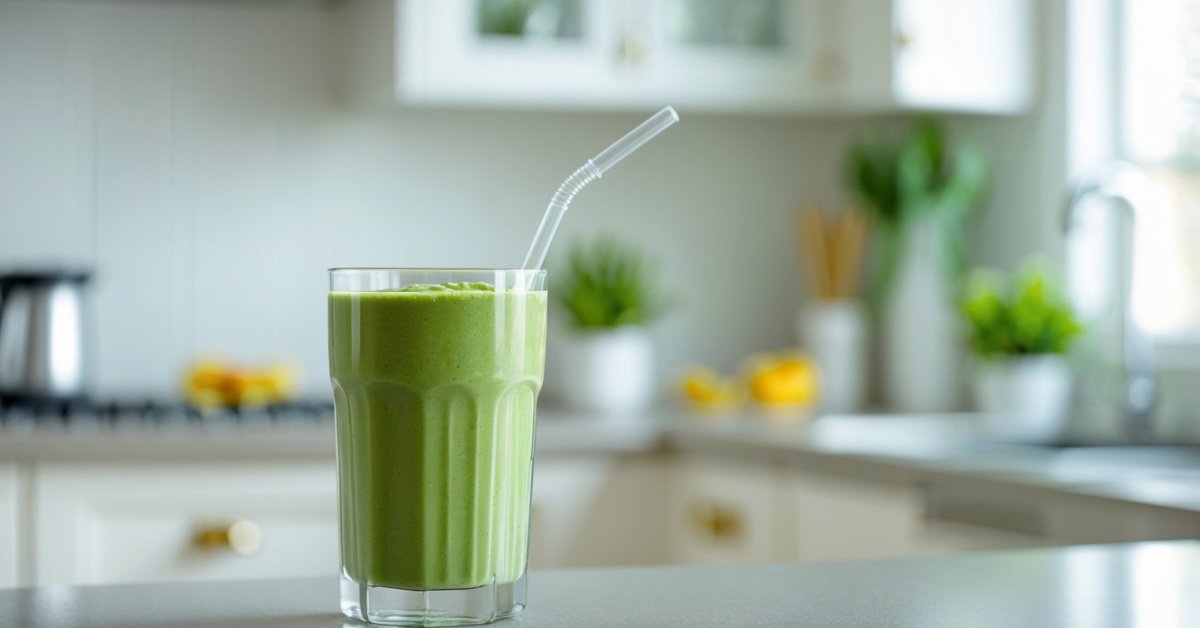

I love starting my mornings with a vibrant smoothie packed with greens. It’s such an easy way to sneak in extra nutrients without even thinking about it. While spinach and kale usually steal the spotlight, I’ve found that chard deserves a place in the blender too.
Chard brings a unique flavor and a gorgeous pop of color to any smoothie. It’s mild enough not to overpower the other ingredients but still adds a punch of nutrition. When I want to boost the health benefits of my favorite blends, chard is one of my go-to greens.
Understanding Chard: A Nutritional Powerhouse
Chard stands out in my shop when I’m choosing greens for nutrient-dense smoothies because it’s packed with essential vitamins and minerals. One cup of raw chard contains about 300% of the Daily Value (DV) for vitamin K, 44% for vitamin A, and 18% for vitamin C, based on USDA FoodData Central. These nutrients support immunity, vision, and bone health.
Chard delivers important minerals for smoothie drinkers looking for variety. Each serving contains about 7% DV for magnesium, 4% for potassium, and 10% for manganese. Shoppers looking for heart health, energy metabolism, and muscle function benefit from these minerals.
Antioxidants make chard a unique ingredient for smoothie recipes. Chard provides beta-carotene, lutein, and zeaxanthin, which support eye health and help protect against oxidative stress. I recommend chard for clients wanting a vibrant green smoothy with a nutrient boost.
Fiber rounds out chard’s appeal. Chard offers about 1.8 grams of fiber per cup. When blended, it creates a silky texture and supports digestion for those who enjoy daily smoothies.
Low-calorie and low-carb qualities place chard among my top choices for health-focused drinkers. One cup of raw chopped chard has just 7 calories and 1.4 g carbs, so it fits almost any diet plan. I find clients appreciate seasonal chard for its mild taste, colorful stems, and robust nutrient profile.
Key Nutrients Found in Chard
Chard adds more than color to nutrient-dense smoothies—it packs a broad range of micronutrients that amplify health benefits in every glass. I always choose chard when I want to level up a smoothie’s nutrition without overpowering its flavor.
Vitamins and Minerals
Chard provides essential vitamins and minerals that support energy and wellness in homemade smoothies. Each cup of raw chard delivers roughly 300% DV for vitamin K, 44% DV for vitamin A, and 18% DV for vitamin C according to the USDA FoodData Central. These values mean stronger bones, better immune function, and sharper vision in every serving.
Minerals like potassium (136 mg per cup), magnesium (29 mg), manganese (0.14 mg), and a touch of calcium give chard an edge over spinach or kale, especially for customers who want heart health and muscle function benefits in every smoothie. When I blend chard into drinks, I know I’m offering a balance of vitamins and minerals that regular greens can’t always match.
Antioxidants and Phytochemicals
Chard contributes potent antioxidants and unique phytochemicals, supporting long-term wellness for customers who want more from their smoothies. I value chard’s supply of beta-carotene, lutein, and zeaxanthin—compounds that help protect eye health and reduce oxidative damage from free radicals, supported by data published in Antioxidants journal (2022).
Plant pigments like betalains, which give chard its red and yellow stems, add more than just color—they deliver powerful cellular protection. When I incorporate rainbow chard into smoothies, the betalain pigments join forces with flavonoids and phenolic acids, supporting defenses against cellular stress and inflammation. Every blend pours more than flavor—chard delivers functional nutrients that help my shop’s smoothies stand out.
Why Add Chard to Smoothies?
As someone who’s blended thousands of smoothies, I see chard as an underused hero ingredient. I love how it delivers both vivid color and robust nutrition without compromising taste.
Taste and Texture Profile
Chard offers a mild, earthy flavor that blends well with mangoes, pineapples, or bananas. I often reach for rainbow chard because its bright stems not only look beautiful but also elevate the visual appeal of any smoothie bowl. Raw chard leaves incorporate seamlessly into blends, giving my smoothies a silky finish with no grittiness, unlike tougher leafy greens.
Health Benefits and Dietary Support
Chard boosts the nutrition profile of every smoothie I make in my shop. Each cup adds fiber for better digestion, plus high vitamin K, A, and C content for immune support, vision, and bone health. Chard keeps calories low—just 7 per cup—and carbs at 1.4 grams, making it a smart choice for keto, vegan, or general health-focused diets. I find customers appreciate the lasting energy they get from magnesium and potassium in chard, and the antioxidants like beta-carotene and lutein support cellular health. For anyone after functional benefits with an easy, fresh flavor, chard is my go-to green.
Creative Ways to Incorporate Chard in Smoothies
As a smoothie shop owner and smoothie enthusiast, I look for nutrient-rich greens that create balanced flavors and silky textures. Chard stands out for its vibrant color, subtle earthiness, and nutritional punch, making it a standout addition to any smoothie.
Pairing Chard With Other Ingredients
Pairing chard with fruits and superfoods balances its taste while enhancing the nutrient mix in every sip.
- Blend chard with sweet fruits like mangoes, pineapple, and bananas to mask its subtle bitterness.
- Add mild, creamy bases like avocado or coconut yogurt to create smooth texture and round out edges.
- Combine chard with citrus fruits—lemons, limes, or oranges—for a bright, refreshing twist that supports vitamin C content.
- Include seeds and nuts, such as chia, flax, or almonds, for added omega-3s and protein, complementing chard’s minerals.
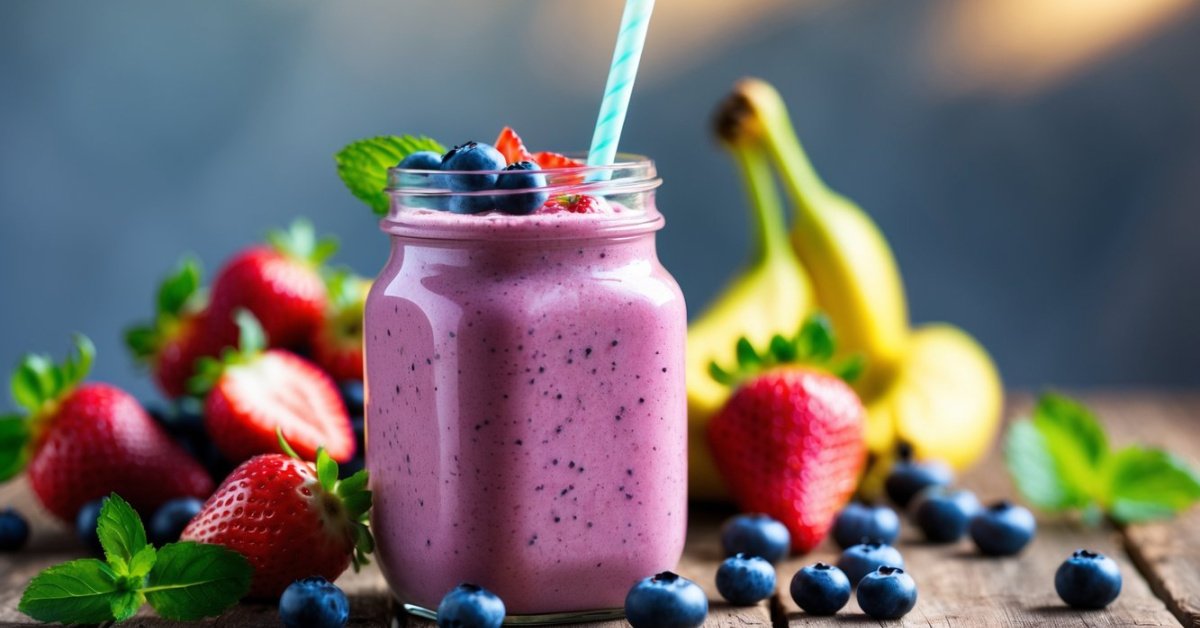
- Boost antioxidants by tossing in berries—blueberries, strawberries, or blackberries—alongside chard for eye-catching color and a nutrition lift.
Layering flavors and textures ensures that chard melds seamlessly into any smoothie without dominating the blend.
Tips for Blending Chard Smoothies
Blending chard for smoothies requires a few techniques for a restaurant-quality result.
- Use fresh, young chard leaves for a milder taste; remove thicker stems if you prefer a softer texture.
- Chop chard roughly before adding to high-speed blenders for quicker, even blending and no leaf fragments.
- Add chard to the blender with liquids first—such as coconut water or almond milk—so the leaves break down completely, resulting in a silky finish.
- Taste the blend and adjust with extra fruit or a drizzle of honey if you want extra sweetness.
- Freeze chard in ice cube trays with a bit of water for future smoothie prep; this makes smoothies colder and preserves nutrients longer.
Prioritizing these tips, I keep chard smoothies fresh, balanced, and packed with nutrition for daily blends at home and in the shop.
Comparing Chard With Other Leafy Greens in Smoothies
When picking greens for smoothies, I always compare chard, spinach, and kale, since these three hold similar prominence in home kitchens and smoothie shops.
Flavor and Texture
Chard delivers a mild, earthy flavor that blends easily with ingredients like mango, banana, or pineapple. Spinach, for example, imparts a slightly sweeter, more neutral taste that makes it nearly undetectable in most fruit smoothies. Kale adds a stronger, slightly bitter note that can overpower flavors, especially if I use more than a cup per batch. For texture, chard’s tender raw leaves break down quickly, yielding a smooth finish, while kale often needs extra blending and can bring a fibrous quality to the drink.
Nutrition Profile
Chard, spinach, and kale offer different nutrient strengths, and I track these values closely to balance health goals and taste. Here’s a side-by-side comparison for one cup (raw):
| Leafy Green | Vitamin K (%DV) | Vitamin A (%DV) | Vitamin C (%DV) | Fiber (g) | Calories |
|---|---|---|---|---|---|
| Swiss Chard | 300 | 44 | 18 | 1.8 | 7 |
| Spinach | 181 | 56 | 14 | 0.7 | 7 |
| Kale | 684 | 206 | 134 | 0.9 | 7 |
Chard’s vitamin K content stands out, supporting bone health and blood clotting, while its vitamin A and C amounts offer immunity and vision support. Spinach brings more folate and iron, for example, important for energy and red blood cell production. Kale offers the most vitamin C per cup and is packed with antioxidants, making it the strongest anti-inflammatory option.
Color and Visual Appeal
Rainbow chard adds bright reds and yellows to smoothie bowls, something neither spinach nor kale displays. I’ve found these colors make a difference when attracting customers and encouraging kids to try new blends.
Best Use Cases
I prefer chard in tropical fruit blends and recipes where color matters. Spinach works best in “green” smoothies meant to taste fruity but look vibrantly green. Kale makes a solid choice for bold, citrusy smoothies or as a pairing with apple and ginger, examples where stronger flavors can balance its bitterness.
Digestion and Blending
Chard blends to a silky texture with less work, which customers notice, especially if they dislike grit. Kale and spinach can be fibrous if not chopped or blended long enough, with kale presenting the most frequent challenges.
These nuances shape how I recommend greens to smoothie enthusiasts and explain why chard remains a personal and professional favorite for balanced, nutrient-rich, and visually appealing smoothies.
Conclusion
Adding chard to my smoothies has been a game changer for both flavor and nutrition. I love how it brings a fresh twist to my blends and keeps things interesting with its vibrant color and silky texture.
Chard’s versatility makes it easy to pair with a variety of fruits and creamy bases so I never get bored. Whether I’m making breakfast at home or serving customers in a smoothie shop I always reach for chard when I want a nutrient boost that doesn’t overpower the taste.
If you’re looking to elevate your smoothie game give chard a try. It’s a simple way to add more color nutrients and deliciousness to your daily routine.