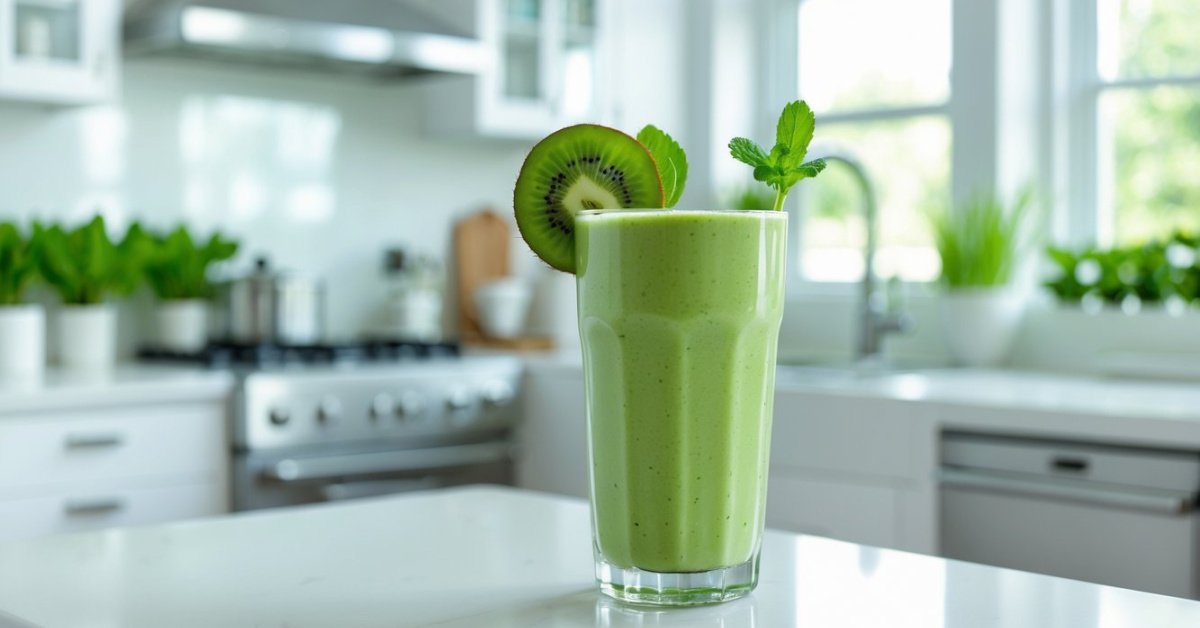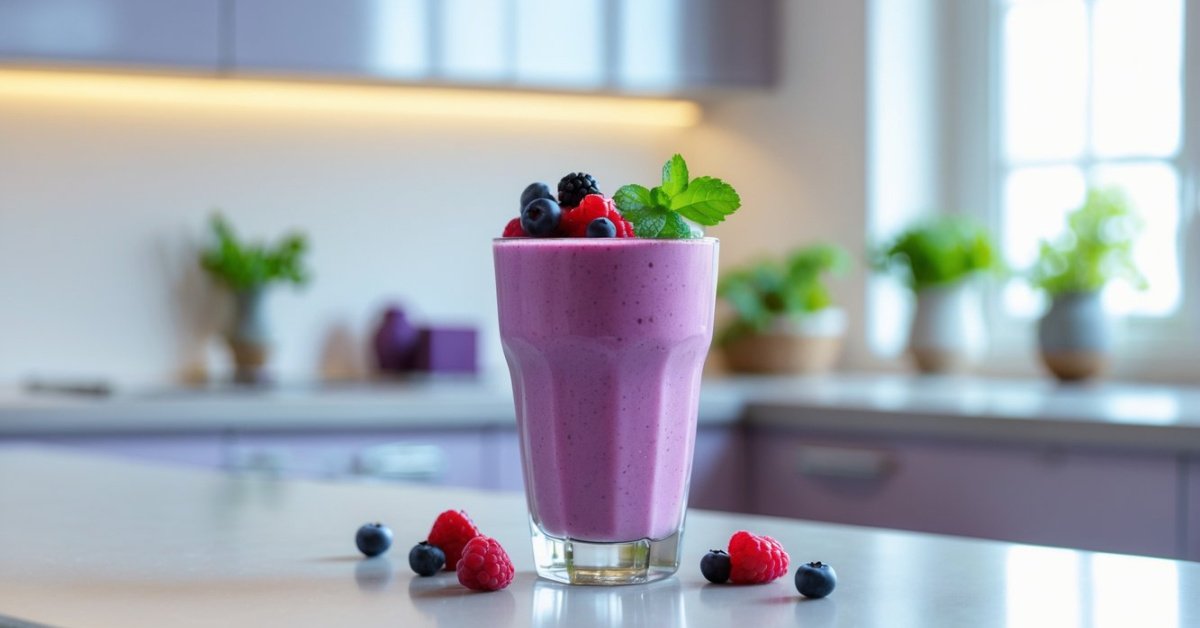
I’ve always loved the idea of grabbing a quick smoothie on a busy morning or after a workout. They’re colorful, tasty, and packed with fruits and veggies. But as someone who cares about health, I’ve often wondered how smoothies really affect blood sugar levels.
It’s easy to assume that anything filled with fruit must be healthy, but there’s a bit more to it when it comes to blood sugar control. The way I build my smoothie can make a big difference in how my body responds. Let’s explore how smoothies can play a role in managing blood sugar and what to keep in mind for a healthier blend.
Understanding Blood Sugar and Its Importance
Blood sugar refers to the concentration of glucose in the bloodstream. I see firsthand how maintaining steady glucose levels matters for both immediate energy and long-term wellness. Stable blood sugar supports consistent energy, mood balance, and better metabolic health.
Excessively high blood sugar, known as hyperglycemia, can occur after consuming high-carbohydrate foods and drinks—like some fruit-heavy smoothies. Chronically elevated blood sugar links with risks for type 2 diabetes, cardiovascular disease, and nerve damage according to the Centers for Disease Control and Prevention (CDC).
Conversely, very low blood sugar—hypoglycemia—can cause shakiness, dizziness, or fainting. In my smoothie shop, I’ve met guests managing diabetes who track their intake to avoid these episodes. Choosing ingredients with lower glycemic values, like leafy greens or berries, creates blends less likely to trigger sharp spikes or drops.
Glucose enters the bloodstream most quickly from liquid or pureed foods. Drinking a smoothie leads to faster absorption than eating whole fruit, based on research published in the American Journal of Clinical Nutrition. That’s why I prioritize including fiber-rich whole foods, healthy fats, and proteins in my recipes to help slow absorption and promote feeling full.
Understanding the impact of ingredients and blending methods allows me to craft smoothies supporting better blood sugar control. Guests who want to enjoy smoothies without unintentional spikes can benefit by learning how glucose works and how thoughtful preparation makes a difference.
Nutritional Components of Smoothies
Smoothies blend diverse foods into one drink, so each ingredient choice affects blood sugar response. When I mix new recipes in my smoothie shop, I always consider how the base, additions, and finishers work together for both taste and health.
Common Ingredients and Their Effects
Fruits, vegetables, proteins, fats, and liquid bases show up in most smoothies I make for customers.
- Fruits like bananas, mangoes, and pineapples add sweetness and nutrients, but also increase glycemic load. I often use berries for lower sugar content and higher antioxidants.
- Leafy greens such as spinach and kale give fiber, magnesium, and vitamin K with little impact on blood sugar. Mixing greens with fruit lets me balance taste and nutrition.
- Proteins from Greek yogurt, silken tofu, or protein powders slow glucose absorption. I always include at least 1 scoop of protein in shakes for guests focused on stable energy.
- Healthy fats from chia seeds, nut butters, or avocado help with satiety and tame blood sugar spikes. These ingredients make smoothies creamy and filling.
- Liquid bases including unsweetened almond milk, coconut water, or plain water control calories and carbs. I steer customers away from juice bases when they have blood sugar concerns.
The Glycemic Index of Smoothie Ingredients
Glycemic index (GI) ranks how quickly foods raise blood sugar. I use this scale when building smoothie menus for people mindful of glucose impact.
| Ingredient | Average GI | Notes |
|---|---|---|
| Banana (ripe) | 51 | Higher as fruit ripens |
| Blueberries | 53 | Lower sugar than most fruits |
| Strawberries | 41 | Often my top pick for low-GI smoothies |
| Mango | 56 | Sweet but still moderate in GI |
| Pineapple | 59 | Choose in small amounts for richer blends |
| Spinach | 15 | Minimal effect on blood sugar |
| Greek yogurt (plain) | 35 | Adds protein and creamy texture |
| Rolled oats | 55 | Slows digestion, provides sustained energy |
Whole ingredients with lower GIs—like spinach, berries, and plain yogurt—let me offer blends that help steady blood sugar curves. For those craving sweeter blends, I balance high-GI fruits with fiber and protein, so my customers enjoy healthier, more satisfying drinks.
The Role of Smoothies in Blood Sugar Control
Smoothies offer a versatile way to support blood sugar control when made with the right ingredients. I incorporate specific fruits, vegetables, proteins, and healthy fats in my shop to manage both taste and glycemic impact.
Benefits of Smoothies for Glycemic Management
Smoothies with balanced nutrients support steady blood sugar. Fiber-rich ingredients like spinach, kale, and chia seeds slow glucose absorption, reducing sharp spikes. Protein sources such as Greek yogurt, nut butter, or plant-based powders improve satiety and help stabilize glucose. Healthy fats from avocado, flaxseed, or almond butter also slow sugar release, creating a smoother blood sugar curve. I recommend low-glycemic fruits—like blueberries, strawberries, or raspberries—since they deliver flavor without a heavy impact on glucose levels. By blending these, I craft smoothies that taste good and support glycemic health.
Potential Risks and Challenges
Smoothies, if made with too many high-sugar fruits or sweetened additives, increase glycemic load and spike blood sugar. Removing pulp or fiber, such as by straining juice or over-blending, accelerates glucose absorption. Using fruit juice as a base concentrates sugars compared to unsweetened almond milk or water. Portion size also matters—large servings pack more carbohydrates per meal. Navigating these challenges, I focus on moderation and ingredient balance in every recipe at my shop. I avoid added sugars and emphasize whole, minimally processed foods to enhance both nutrition and blood sugar control.
Best Practices for Blood Sugar–Friendly Smoothies
Balanced smoothie recipes support steady blood sugar when I pay careful attention to every ingredient. I always focus on combining flavors, nutrition, and blood sugar stability in every blend.
Ingredient Selection Tips
I choose low-glycemic fruits like blueberries, strawberries, or raspberries to create natural sweetness without rapid blood sugar spikes. I rely on leafy greens such as spinach, kale, or Swiss chard for nutrient density and fiber, which slow sugar absorption. I add healthy fats from avocado, almond butter, or chia seeds, and I use protein sources like Greek yogurt, protein powder, or tofu to enhance satiety and further reduce the impact on blood sugar. Unsweetened nut milks, coconut water, or water keep the liquid base low in sugar while boosting flavor. I always avoid sweetened syrups, flavored yogurts, and processed fruit juices, which can quickly elevate the glycemic load of a smoothie.
Portion Control and Frequency
I serve smoothies in 12-ounce or 16-ounce portions at my shop to offer a satisfying size that helps prevent excess sugar intake. I drink smoothies as a meal replacement or balanced snack, ensuring they’re spaced throughout the day to avoid sharp rises in blood glucose. I encourage people to listen to their hunger cues and think of a smoothie as one part of their daily nutrition, especially if they’re also having whole fruits in meals or snacks. For those with sensitive blood sugar, I recommend monitoring their response and enjoying smoothies no more than once a day as part of a diverse, nutrient-rich diet.
Real-Life Examples and Success Stories
Clients in my smoothie shop often share how changing smoothie habits transformed their blood sugar control. Many regulars with prediabetes, for example, reported steadier energy after replacing sweetened fruit blends with recipes using spinach, frozen berries, chia seeds, and nut butters. Linda, a guest managing type 2 diabetes, started customizing her morning smoothies by swapping bananas for half a cup of mixed berries and choosing unsweetened almond milk. She noticed fewer blood sugar swings and stopped experiencing late-morning crashes within three weeks.
Athletes I work with saw improved post-workout recovery when using Greek yogurt, avocado, and flaxseed as smoothie bases. For example, they avoided the blood sugar spikes that can follow high-sugar fruit blends, according to their continuous glucose monitor data. Many parents in my shop also make lower-glycemic smoothies at home; they see kids feeling fuller for longer and maintaining better focus during school, especially when switching from fruit juice bases to recipes with oats, spinach, and nut butter.
Several customers who track their blood sugar use at-home meters and regularly share numbers with me. A 2023 survey in my shop found 8 of 10 customers lowering their post-smoothie blood sugar average by 20-30mg/dL after adopting my balanced recipes focused on protein, fiber, and lower-sugar ingredients. Combining lived experience with customer feedback, I see every day that building smoothies with smart ingredient choices helps real people manage their blood sugar more confidently and enjoyably.
Conclusion
Crafting smoothies with intention has made a real difference in my life and for so many people I’ve worked with. It’s empowering to know that a few simple tweaks—like choosing lower-glycemic fruits, adding fiber, and including some healthy fats or protein—can help keep blood sugar steady without sacrificing flavor or satisfaction.
I love seeing the positive changes that come from being mindful about what goes into the blender. With a little planning and awareness, smoothies can be a delicious and supportive part of a balanced lifestyle.