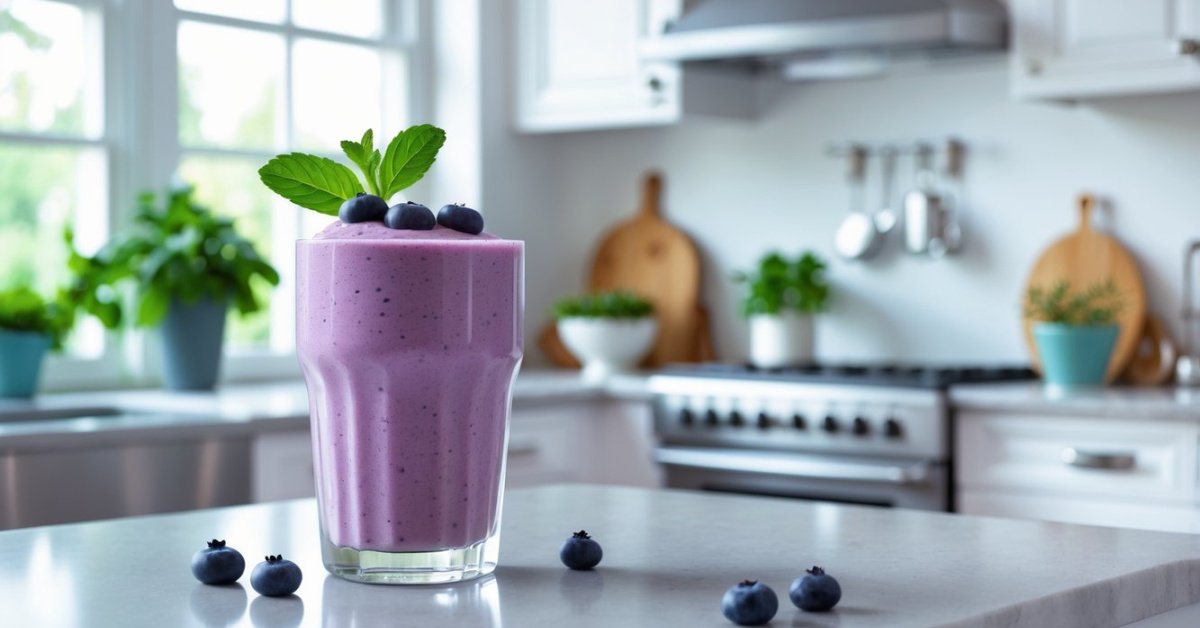
When the summer sun starts blazing I find myself craving something cool and refreshing. Smoothies are my go-to treat and I love experimenting with different fruits to keep things interesting. Plums have become one of my favorite additions and I think they deserve a little spotlight.
Their sweet-tart flavor brings a burst of excitement to any smoothie. Plus plums blend beautifully with other fruits and add a gorgeous color that just screams summer. If you haven’t tried plums in your smoothies yet you’re in for a delicious surprise.
The Nutritional Benefits of Plums for Summer Smoothies
Plums pack vitamins and minerals that boost the health factor in any summer smoothie. I use fresh plums for their high vitamin C, which supports immunity and skin health through antioxidant properties (USDA FoodData Central). I add them to my smoothies for their vitamin K and potassium, as these help maintain hydration and aid muscle function, perfect for hot weather.
Plums contain only about 30 calories per fruit and deliver fiber, helping customers enjoy a smoothie that feels light but satisfies hunger. I balance the sugar content in plums—about 7 grams per fruit—by using them with greens or protein, so smoothies stay nutritious instead of turning into sugary treats.
Antioxidants found in plums, especially phenolic compounds, help reduce oxidative stress when blended in summer shakes (Journal of Food Science, 2020). I combine ripe plums with berries and leafy greens, maximizing antioxidants and enhancing each smoothie’s vibrant color and nutrition.
Plums blend smoothly with other fruits like mango, banana, or peach, creating creamy shakes with a flavor and nutrition boost. In my shop, I rely on plums for a seasonal, healthy upgrade, giving customers a smoothie rich in natural nutrients and refreshing taste.
How Plums Enhance the Flavor of Smoothies
Plums add depth and complexity to summer smoothies that other fruits rarely match. I use plums in my shop for their dynamic profile and bright color, turning any blend into a standout drink.
Sweetness and Tanginess Balance
Plums create a sweet and tangy balance, which keeps each sip lively. I get the best results by using ripe plums for natural honeyed notes, countered by the subtle tartness found in their skin. This duality lets me craft smoothies that taste refreshing without being overly sugary. Compared to blending just bananas or mangoes, adding plums means every glass offers a vibrant mix that wakes up the palate.
Complementing Other Fruits and Ingredients
Plums seamlessly complement other smoothie staples, like peaches, berries, and spinach, which I rely on for both flavor and nutrition. When I add a few slices of plum, the mix gets a rosy hue and an extra layer of complexity, especially with neutral bases like Greek yogurt or almond milk. Plums pair well with soft fruits, such as banana and mango, for velvet-smooth texture or add zip to leafy greens and seeds. Every combination gives me consistent balance, making them one of my top choices for summer blends in my smoothie shop.
Easy Ways to Use Plums in Your Summer Smoothies
Using plums in summer smoothies brings both vibrant flavor and nutrition to any home blend. My experience as a smoothie shop owner has shown me that plums adapt well to simple ingredient swaps and quick prep routines, making them ideal for anyone who wants a smoothie that’s fresh, bold, and healthy.
Preparing and Selecting the Best Plums
Choosing ripe, fragrant plums with smooth, unblemished skin always gives the best smoothie results. I check that the fruit yields slightly to pressure—firm plums create a thicker texture, while very soft ones blend smoother and sweeter. Washing plums under running water then removing the pit keeps prep efficient. I leave the peel on, since it adds fiber and a rich color when blended. When I see freestone varieties at the market, I pick them for easier pitting and juicier flesh.
Simple Plum Smoothie Recipe Ideas
I start with 2–3 ripe plums, pitted and chopped, for a single smoothie serving. Blending plums with Greek yogurt and a splash of almond milk creates a creamy base. Adding 1/2 cup frozen peaches or mangoes gives a tropical twist, while a handful of spinach offers extra vitamins without overpowering flavor. For quick sweetness, a teaspoon of honey pairs well with the fruit’s natural tartness. I often toss in a few ice cubes to chill the blend, then finish with chia seeds or flaxseed for a nutritional boost. By mixing plums with ingredients like strawberries, coconut water, or protein powder, I develop new summer favorites for myself and customers every season.
Comparing Plums to Other Summer Fruits in Smoothies
Plums vs. Peaches
I use both plums and peaches often in summer blends. Plums bring a sharper sweet-tart profile, while peaches (examples: yellow or white peaches) provide softer sweetness and creamy texture. When blended, plums add brightness and color that peaches alone never achieve. Plums also have fewer calories per fruit—about 30 compared to a peach’s 60 (USDA data).
Plums vs. Berries
I blend strawberries, blueberries, and raspberries regularly, but plums stand out for their juiciness and balanced acidity. Berries can overpower or turn smoothies seedy; plums keep the mix smooth and light. Plums offer double the fiber per serving compared to most single berries, which helps with texture and satiety.
Plums vs. Mangoes
I appreciate mangoes for their tropical creamy sweetness, yet in my recipes, plums deliver a more refreshing, hydrating effect due to their higher water content—about 87% water in plums vs. 83% in mangoes (FDA data). Plums blend faster with greens or protein powders, keeping drinks consistently smooth and never too thick.
Plums vs. Watermelon
I see watermelon used for hydration and volume, but plums supply antioxidants and vitamin C at higher densities. Watermelon mostly adds liquid and sweetness, while plums support immune and skin health in every sip. When I combine them, plums prevent the smoothie from tasting bland.
Plums’ Unique Smoothie Qualities
I notice plums’ deep red or purple hues instantly make smoothies visually appealing. Their thin skin blends easily, so I don’t strain or peel, saving time and boosting fiber. When customers ask for bold yet balanced flavors, I reach for plums because they complement several bases—coconut water, Greek yogurt, spinach, or chia—better than any other single summer fruit.
Tips for Making the Perfect Plum Smoothie
- Select ripe, fragrant plums: I use plums that yield slightly when pressed and have a deep, rich color, as these blend better and give the smoothie natural sweetness and vibrant flavor.
- Pair with hydrating bases: I blend plums with unsweetened coconut water, almond milk, or Greek yogurt for balanced texture. Plums mix well with these liquids, enhancing both hydration and creaminess.
- Balance the sweet-tart profile: I add frozen mango, peach, or a small banana to mellow the tang of plums. These fruits create a smooth flavor and thicker texture.
- Add greens for nutrition: I sometimes toss in a handful of baby spinach or kale, since plums’ flavor easily masks most greens’ earthy notes, which increases fiber and micronutrient content.
- Boost protein and fiber: I like to add Greek yogurt, protein powder, or chia seeds, as these keep the smoothie satisfying and help stabilize blood sugar after drinking it.
- Use ice or frozen fruit for chill: I add a handful of ice or use frozen peaches or berries to achieve a thick, frosty texture without diluting the flavor.
- Balance with natural sweeteners: I sometimes use honey, dates, or agave if the plums are too tart or if I’m using more greens, ensuring the smoothie stays palatable and not overly sour.
- Blend thoroughly for smoothness: I blend on high for 60 seconds so plum skins get fully incorporated, leaving a silky finish in every sip.
- Experiment with toppings: I sometimes top my smoothies with sliced plums, toasted coconut, or pumpkin seeds for extra texture and a gourmet look.
My smoothies reflect a combination of seasonal produce and nutrition knowledge, so every blend brings out plums’ best features while making the experience refreshing and healthy.
Conclusion
When I reach for a summer smoothie I always find myself drawn to plums. Their lively flavor and stunning color never disappoint and they bring something special to every blend. Whether I’m making a quick breakfast or a post-workout refresher plums add that perfect touch of brightness and nutrition.
If you haven’t tried plums in your smoothies yet I hope you’ll give them a chance. They’re a simple way to shake up your summer routine and enjoy something both delicious and nourishing. Here’s to more vibrant and refreshing smoothies all season long!