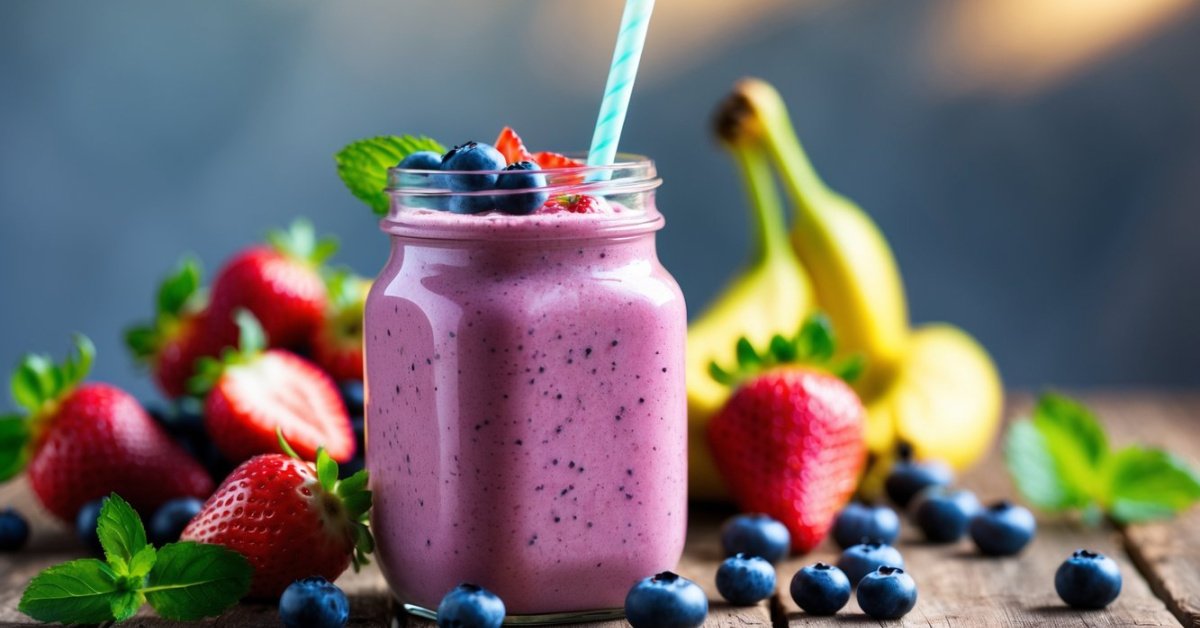
When summer hits and the heat feels relentless, nothing cools me down quite like a refreshing watermelon shake. There’s something about that sweet, juicy flavor blended with ice that instantly lifts my mood and keeps me coming back for more. It’s not just the taste that draws me in—watermelon packs a serious nutritional punch too.
I love knowing that each sip gives my body more than just hydration. Watermelon isn’t just water and sugar—it’s loaded with vitamins, antioxidants, and other good-for-you nutrients. Adding it to my summer shakes feels like the easiest way to treat myself and my health at the same time.
Why Watermelon Is a Summer Favorite
Juicy texture, bright red color, and natural sweetness make watermelon my go-to fruit for summer shakes. I select watermelon first when building a refreshing base for smoothies since it’s 92% water (USDA), delivering instant hydration that few fruits match. Cold watermelon boosts the chill factor—essential for icy drinks that cool down any summer day.
High water content, with electrolytes like potassium and magnesium, helps replenish fluids after sun exposure. I often see customers gravitate toward watermelon shakes for this reason, especially after outdoor activities. Distinctly sweet but not overpowering, watermelon enhances the flavor profile of almost any summer smoothie.
Nutrient density stands out as another reason I use watermelon often. Significant vitamin C, beta-carotene, and lycopene support immune health and provide antioxidant benefits (NutritionData, 2024). These nutrients don’t just add health value—they contribute subtle flavors and vivid color that attract customers seeking both nutrition and visual appeal.
Light fruit, low calorie content, and minimal fat content fit well into balanced summer diets. My recipes let anyone enjoy satisfying shakes without heaviness or guilt. Simple slicing and blending make watermelon convenient for home smoothie enthusiasts and busy shop days alike.
Versatile combinations keep my menu rotating. I blend watermelon with mint, lime, strawberries, and even coconut for variety—each combination highlighting watermelon’s ability to harmonize with other great summer ingredients.
Nutritional Value of Watermelon in Summer Shakes
When I craft summer shakes in my shop, I rely on watermelon for both flavor and nutrition. Watermelon keeps shakes crisp, light, and ideal for those hot days when my customers crave something both tasty and nourishing.
Key Vitamins and Minerals in Watermelon
Each time I blend watermelon, I add vitamins A and C, magnesium, and potassium into my shakes. One cup of watermelon contains about 15% of the daily value (DV) for vitamin C—important for skin and immune support—plus vitamin A, which promotes healthy vision. Potassium and magnesium, present in smaller amounts, support muscular and nerve function during summer activity. The antioxidant lycopene, abundant in watermelon, helps neutralize free radicals, providing cell protection and enhancing the vivid color of every shake I create.
| Nutrient | Amount in 1 Cup (152g) | % Daily Value (DV) |
|---|---|---|
| Vitamin C | ~12 mg | 15% |
| Vitamin A | ~865 IU | 17% |
| Potassium | ~170 mg | 4% |
| Magnesium | ~15 mg | 4% |
| Lycopene | ~6,500 mcg | — |
Hydration Benefits for Hot Weather
Watermelon hydrates my shakes, with its 92% water content refreshing customers after workouts or outdoor time. When temperatures rise, incorporating watermelon ensures my shakes rehydrate quickly with flavor and nutrition, while keeping calorie count minimal. By using watermelon, I make shakes that help maintain electrolyte balance and reduce dehydration risk for every person stepping into my smoothie shop on a hot summer day.
Enhancing Summer Shakes With Watermelon
Watermelon keeps summer shakes light and naturally sweet, while adding hydration and nutrients. I blend it into my shop’s recipes daily for crisp texture and vibrant color.
Best Ingredients to Pair With Watermelon
Fresh herbs give watermelon shakes a refreshing twist. I often add mint or basil for aroma and brightness.
Citrus fruits boost vitamin C content and lift the shake’s flavor. Lime and lemon work especially well alongside watermelon’s sweetness.
Berries deliver antioxidants and subtle tartness. Strawberries and blueberries mix easily with watermelon in shakes.
Coconut water or milk increases healthy electrolytes and makes shakes creamier without adding excess fat.
Greek yogurt adds protein and a silky finish. Low-fat options help keep calories down.
Chia seeds bring fiber and omega-3s, giving shakes more substance without overpowering taste.
Tips for Maximizing Nutritional Value
Use chilled, ripe watermelon for optimal sweetness and vitamin retention.
Blend in whole fruits instead of juice to preserve fiber and maximize antioxidant content.
Skip refined sugars and use honey or date syrup in small amounts if extra sweetness is needed.
Portion shakes with balanced ratios of fruit to liquid to keep calories in check and avoid overly diluted flavor.
Serve shakes immediately or store them cold for no longer than 24 hours to maintain nutrient quality and a refreshing texture.
Add seeds or nuts for extra protein and healthy fats, choosing raw, unsalted varieties for better heart health.
Potential Health Benefits of Watermelon Shakes
Nutrient-rich watermelon shakes offer several health benefits, especially for summer hydration and recovery. I pack them with high water content, giving quick rehydration after outdoor workouts or a long day in the sun. Every serving helps restore fluid balance fast.
Antioxidant compounds in fresh watermelon, including lycopene and vitamin C, protect cells against oxidative stress. I use these shakes for customers who need to manage inflammation or support their immune system. Lycopene in particular has a strong link to skin protection (Harvard T.H. Chan School of Public Health).
Electrolyte minerals in watermelon, such as potassium and magnesium, help muscles and nerves operate efficiently. I often recommend these shakes post-exercise to people looking for muscle recovery and reduced cramping.
Digestive efficiency improves when I add ingredients like yogurt or chia seeds. These ingredients add protein, fiber, and omega-3s, making each shake more filling and helping keep energy levels steady.
Weight management becomes easier when I substitute high-calorie ingredients with watermelon’s light sweetness and natural flavor. Since watermelon is low in calories (about 46 calories per cup), I can create shakes that help customers meet their health goals without sacrificing taste or satisfaction.
Immune support, radiant skin, and eye health get a boost from watermelon’s vitamin A, beta-carotene, and vitamin C. My regulars often notice brighter, healthier skin and more energy during the summer months.
| Nutrient | Benefit | Example Ingredient |
|---|---|---|
| Lycopene | Antioxidant, skin health | Watermelon |
| Vitamin C | Immune function, collagen support | Watermelon, lime |
| Potassium | Muscle and nerve function | Watermelon, coconut water |
| Magnesium | Metabolism, muscle recovery | Watermelon, chia seeds |
| Water content | Hydration | Watermelon |
| Beta-carotene | Eye and skin health | Watermelon, strawberries |
| Fiber | Digestion, satiety | Chia seeds, Greek yogurt |
Conclusion
Watermelon shakes have become my go-to summer pick-me-up not just for their taste but for the incredible nutrition they bring. I love how easy it is to blend up something that’s both hydrating and packed with vitamins without feeling heavy or overly sweet.
Experimenting with different mix-ins keeps things interesting and lets me tailor each shake to what my body needs that day. If you’re looking for a way to stay cool and energized all summer long I can’t recommend watermelon shakes enough.