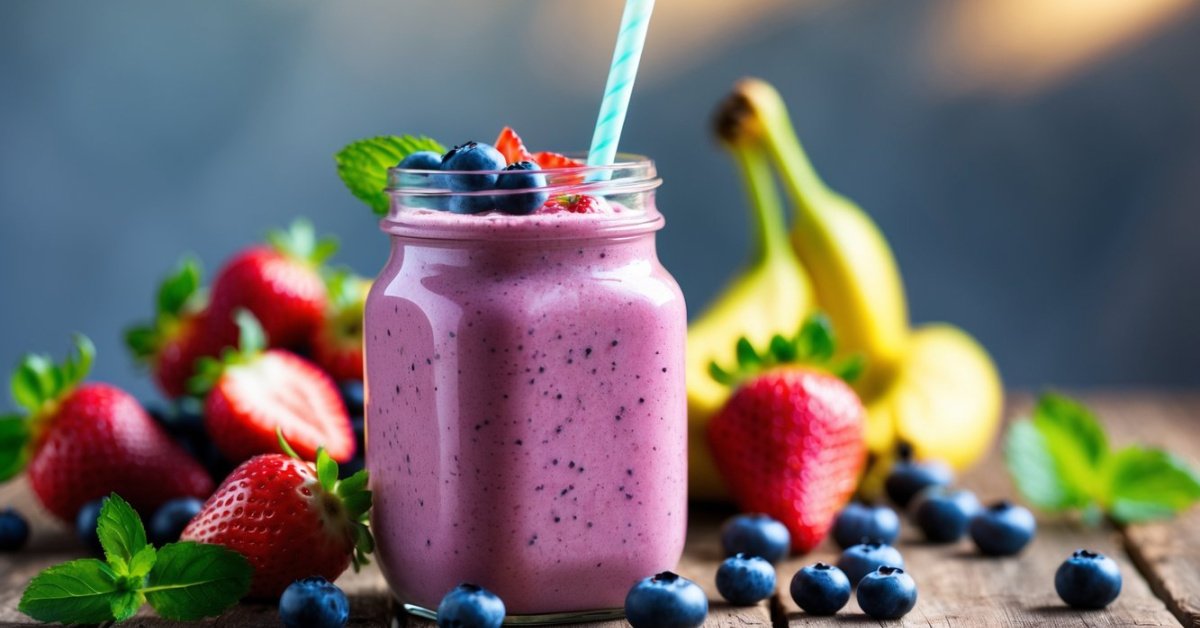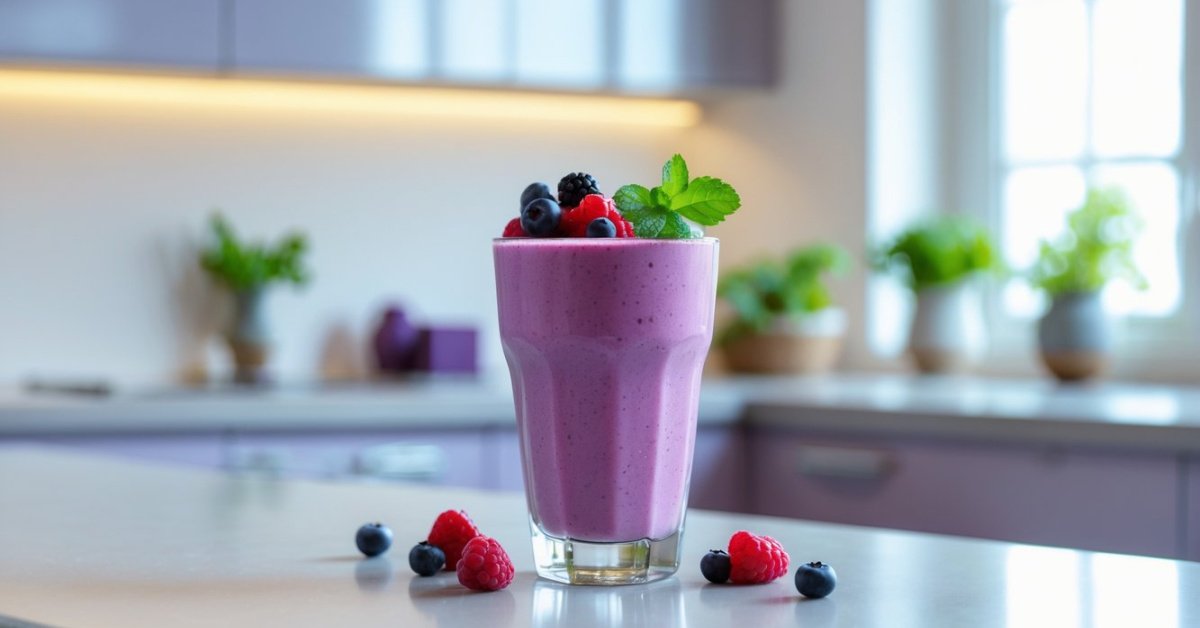

I’ve always loved experimenting with different plant-based milks and hazelnut milk quickly became one of my favorites. Its naturally sweet, nutty flavor adds a unique twist to any shake and makes every sip feel a little more special. Whether I’m blending up a quick breakfast or a post-workout treat I reach for hazelnut milk when I want something smooth and a bit indulgent.
It’s surprisingly easy to swap hazelnut milk into your favorite shake recipes. I’ve found it pairs perfectly with fruits, chocolate, and even a touch of coffee. If you’re looking to shake up your routine and try something new you’ll love the creamy richness hazelnut milk brings to the table.
What Is Hazelnut Milk?
Hazelnut milk is a plant-based beverage made by blending roasted or raw hazelnuts with water and straining the mixture for a smooth, creamy drink. I use hazelnut milk because it brings a naturally rich, nutty flavor and a touch of natural sweetness to my shakes and smoothies. Most store-bought hazelnut milk products, like those from Elmhurst or Pacific Foods, are dairy-free and often fortified with vitamins and calcium, according to USDA nutrition data.
Hazelnut milk suits people looking for a lactose-free, vegan-friendly option. I find its texture silkier than almond milk and more flavorful than oat milk, making it an upgrade for many shake recipes. At my smoothie shop, I offer unsweetened, lightly sweetened, and chocolate-flavored hazelnut milk as options for various dietary preferences. Hazelnut milk handles blending with fruits, coffee, or greens without splitting or curdling, so it consistently produces smooth, well-emulsified shakes.
Benefits of Using Hazelnut Milk in Shakes
Nutritional Value
I boost the nutritional content of my shakes with hazelnut milk because each cup contains healthy fats, plant-based protein, and B vitamins. I select fortified brands to get calcium and vitamin D, crucial for bone health, according to the USDA.
Unique Flavor Profile
I use hazelnut milk to give shakes depth with a naturally sweet, nutty taste, which pairs well with ingredients like banana, cacao powder, or espresso. Shakes with hazelnut milk develop a dessert-like creaminess without overpowering bold fruits or chocolates.
Dietary Friendliness
I serve hazelnut milk shakes to customers who choose vegan, dairy-free, or gluten-free options. Plant-based hazelnut milk fits most dietary restrictions, providing an option for lactose-intolerant or vegan guests, per the Mayo Clinic.
Low in Calories and Sugar
I prepare shakes with unsweetened hazelnut milk for those watching their sugar intake, using brands with as few as 30-50 calories and 0-1g sugars per serving. This helps create light, guilt-free options for weight management.
Creamy Texture
I favor hazelnut milk for its creamy texture, which blends smoothly and makes shakes feel richer than many alternatives. The result is a luxurious shake that doesn’t need heavy cream or dairy.
Functional Blending
I blend hazelnut milk with fruits, seeds, and powders, and it never curdles or separates, unlike some dairy or other plant-based options. This ensures every shake I make has a consistent texture, which my clients value for both taste and presentation.
Choosing the Right Hazelnut Milk for Your Shakes
Picking the ideal hazelnut milk shapes both the taste and nutrition of your shakes. I’ve tested many kinds for my smoothie shop and at home, focusing on how each option matches with fruits, chocolate, or coffee.
Sweetened vs. Unsweetened Hazelnut Milk
Selecting between sweetened and unsweetened hazelnut milk often depends on your flavor goals and dietary preferences:
- Sweetened hazelnut milk: Sweetened varieties deliver a richer, dessert-like shake, especially with additions like cocoa or espresso. Brands like Califia Farms or Pacific Foods offer popular examples. Pick these if you want to cut down on added honey, syrup, or dates. Each serving tends to contain 5–8g of sugar.
- Unsweetened hazelnut milk: Unsweetened options provide a light, nutty base that lets natural fruit flavors shine. I reach for these when making fruit-heavy smoothies or if I’m cutting sugar, as most contain under 1g sugar per serving. You’ll find that nutty undertones remain prominent, making it a good fit for those monitoring carbs or calories.
Store-Bought vs. Homemade Hazelnut Milk
- Store-bought hazelnut milk: Store-bought cartons offer consistency in flavor, nutritional fortification, and shelf life. Most major brands fortify with vitamins D, B12, and calcium. I rely on these for fast service in my shop or simple meal preps.
- Homemade hazelnut milk: Homemade batches allow me to tailor everything—nut intensity, creaminess, sweetener, and even salt content. Fresh blends give shakes a smoother, frothier texture, and let me avoid gums, stabilizers, or added sugars. If using at home, blend 1 cup soaked hazelnuts with 3–4 cups water and strain for best results.
| Hazelnut Milk Type | Typical Sugar (g/serving) | Key Benefits | Example Uses |
|---|---|---|---|
| Sweetened (store-bought) | 5–8 | Enhanced dessert flavor, convenience | Chocolate shakes |
| Unsweetened (store-bought) | <1 | Lower sugar, pure taste, often fortified | Berry blends |
| Homemade | Variable | Customizable, fresh, free from additives | Custom smoothie bowls |
How to Incorporate Hazelnut Milk in Shakes
I use hazelnut milk in my shop shakes and at home for its creamy consistency and uniquely nutty taste. Its easy blending and subtle sweetness bring out the best in both classic and inventive shake recipes.
Basic Hazelnut Milk Shake Recipe
I start with a standard 16-ounce shake using hazelnut milk for a smooth, rich base. For a classic option, I blend these ingredients:
- 1 cup chilled hazelnut milk (unsweetened or lightly sweetened for versatility)
- 1 ripe banana (adds natural sweetness and thickness)
- 1 tablespoon nut butter (such as almond, for protein and creaminess)
- 1 teaspoon vanilla extract (enhances hazelnut notes)
- 1 cup ice (for a refreshing finish)
I blend until smooth, making sure the texture stays thick and lush. For breakfast shakes, I sometimes add 1 scoop of plant-based protein powder to make it more filling.
Flavor Pairings and Add-Ins
I combine hazelnut milk with many flavors for balanced and creative shakes. These are my top picks:
- Chocolate: I add cacao powder or chocolate protein for a Nutella-like result.
- Berries: I use strawberries or blueberries when I want fruity freshness without overpowering the nutty base.
- Coffee: I blend in a chilled espresso shot for a mocha shake with subtle depth.
- Warm Spices: I sprinkle cinnamon or nutmeg for warmth, especially in winter shakes.
- Seeds: I mix in chia or flaxseeds for fiber and healthy fats, which don’t disrupt the smooth consistency.
- Leafy Greens: I toss in spinach for added vitamins; the flavor remains mild and blends smoothly with the nutty milk.
By selecting seasonal produce, premium cocoa, or cold brew coffee, I maintain a balance between bold flavors and the creamy, nutty profile of hazelnut milk in every shake I create.
Tips for the Perfect Hazelnut Milk Shake
- Select the right hazelnut milk for your shake
I use unsweetened hazelnut milk for fruit-heavy shakes and sweetened for dessert blends—store-bought options give consistent flavor, while homemade batches offer a richer, natural hazelnut note.
- Chill all ingredients before blending
I keep hazelnut milk, fruits, and even nut butters cold ahead of time—the result is a creamier, thicker shake without extra ice that can water down flavor.
- Balance the blend for the ideal texture
I aim for a 1:1 ratio of hazelnut milk to frozen fruit for a smooth, spoonable shake—if a thinner drink fits the recipe, I increase to a 3:2 ratio of milk to fruit.
- Pair with complementary flavors
I mix in ripe bananas, cacao, berries, nut butters, or espresso for depth—hazelnut milk’s flavor profile stands out most with chocolate, cinnamon, or coffee.
- Use high-speed blenders for best results
I blend shakes on high using a professional-grade appliance for 30–45 seconds, ensuring nuts, seeds, and leafy greens (like spinach or kale) incorporate smoothly.
- Add boosts for nutrition
I sprinkle flaxseed, chia, protein powder, or a handful of oats for extra nutrition—I pick neutral or nutty add-ins to amplify hazelnut milk’s silky consistency without overpowering the base.
- Finish with subtle sweeteners if needed
I add a touch of maple syrup or date paste for dessert shakes only if the base ingredients lack sweetness—hazelnut milk’s inherent flavor often provides enough balance.
- Adjust serving and presentation
I pour shakes into chilled glasses and finish with toasted hazelnuts, cacao nibs, or a dash of cinnamon—presentation matters for clients and at home.
| Tip | Context in Hazelnut Milk Shakes |
|---|---|
| Use unsweetened for fruit | Let natural fruit sweetness shine |
| Sweetened for dessert | Enhance indulgent, chocolate, or coffee shakes |
| Chill base and mix-ins | Achieve thick, creamy consistency |
| Blend on high | Fully fuses nuts, seeds, and leafy greens for smoothness |
| Choose complementary add-ins | Chocolate, berries, banana, espresso, and nut butters deepen flavor |
| Nutrition boosts | Add-ins like flaxseed or protein increase health benefits |
| Minimal sweetener | Add extra sugar or dates only if milk and fruit aren’t sweet enough |
| Attractive presentation | Toasted nuts, cacao nibs, or spices add visual appeal and texture |
Conclusion
Hazelnut milk has truly transformed the way I make shakes at home and in my smoothie shop. Its unique flavor and creamy texture never fail to impress me or my customers. Whether you’re after a quick breakfast or a satisfying post-workout treat it’s a fantastic choice that adds something special to any shake.
If you haven’t tried hazelnut milk yet now’s the perfect time to shake up your routine. Experiment with different flavors and combinations—you might just discover your new favorite blend.