I’ve always loved starting my day with a fresh smoothie. There’s just something about blending together colorful fruits and veggies that makes me feel like I’m giving my body a real treat. But beyond the great taste and convenience smoothies offer they can also play a surprising role in supporting digestive health.
It turns out that the right smoothie ingredients can actually help boost our body’s production of digestive enzymes. These enzymes are essential for breaking down food and making sure we absorb all the good stuff. I’m excited to explore how a simple smoothie can do so much more than just satisfy a craving—it can help keep our digestive system running smoothly.
Understanding Digestive Enzymes and Their Importance
Digestive enzymes break down nutrients in every smoothie ingredient before the body absorbs them. I rely on enzymes like amylase for carbohydrates—found in bananas and oats—protease for proteins—supplied by seeds and yogurt—and lipase for fats—present in avocados and nut butters. My focus as a smoothie shop owner stays on choosing ingredients that naturally contain or support these enzyme types.
Proper enzyme function ensures that nutrients in produce, seeds, and greens aren’t wasted. When I blend papaya or pineapple into my recipes, these fruits offer active enzymes—papain and bromelain—that jump-start digestion. Such enzymes speed up the breakdown of tough fibers or proteins in hearty smoothie blends. The right balance turns a simple smoothie into a more bioavailable meal.
If enzyme production dips, undigested food from shakes causes bloating or discomfort. I notice better results for regular customers when they use enzyme-rich ingredients or add a probiotic boost. Healthy enzyme activity means every sip delivers more energy and better nourishment, making each homemade smoothie more effective.
Key Ingredients in Smoothies That Boost Enzyme Production
Certain smoothie ingredients actively support digestive enzyme production in my recipes. Each blend benefits most when I select enzyme-rich or enzyme-activating foods.
Fruits and Their Role in Digestion
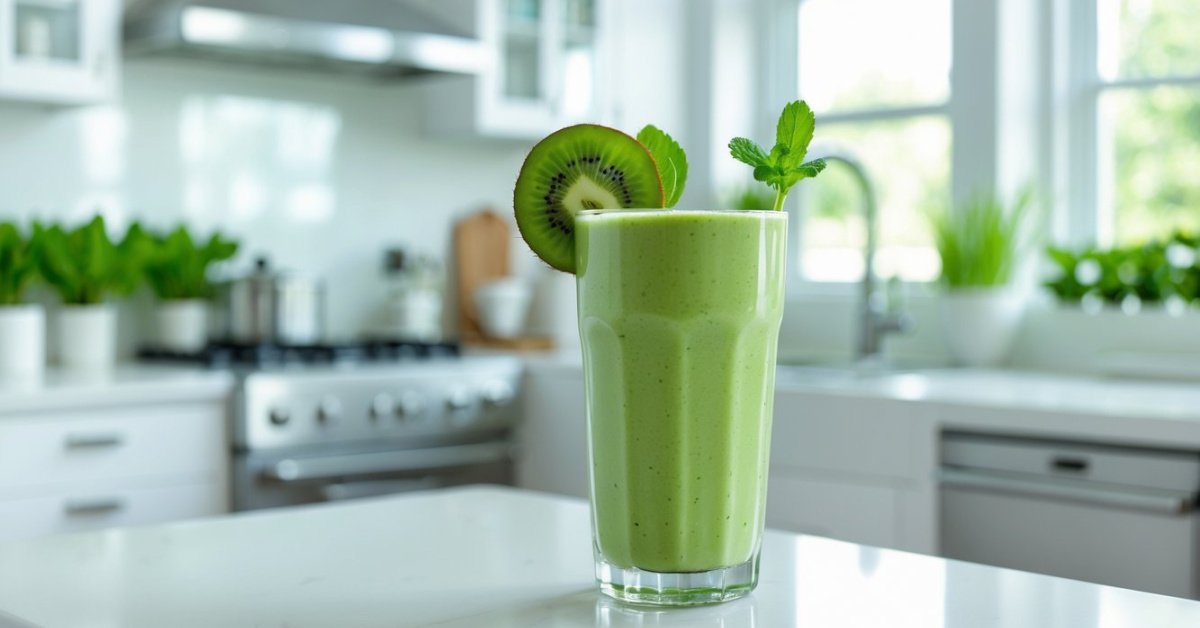
Enzyme-rich fruits increase digestive activity in my smoothies. Pineapple contains bromelain, which helps break down protein fibers and supports protease activity, according to the National Institutes of Health. Papaya supplies papain, another protease, improving protein digestion. Mango delivers amylase, aiding carbohydrate breakdown, which directly supports amylase function. Kiwi includes actinidin, which accelerates protein hydrolysis. I blend these fruits for their enzyme content and their ability to make smoothies taste fresh and vibrant.
Vegetables and Leafy Greens
Raw vegetables and leafy greens contribute key cofactors for enzyme activation in my shake recipes. Spinach and kale both supply magnesium, which acts as a cofactor for many enzymes. Celery offers fiber and a small amount of digestive enzymes. Cucumber hydrates tissues and supports gentle digestion. I often pair leafy greens with apple for palatability, since many of my customers appreciate the taste balance.
The Impact of Fermented Additions
Fermented foods intensify digestive benefits in my smoothies. Yogurt and kefir include live probiotic cultures and lactic acid bacteria, which produce enzymes like lactase for lactose breakdown. Adding a spoonful of miso supplies proteases while enhancing flavor nontraditionally. Sauerkraut brine provides active cultures and a tangy note, which I recommend to adventurous customers seeking digestive support. These fermented options strengthen the microbiome and further enzyme production in every shake.
How Smoothies Aid Natural Enzyme Production
Smoothies support the body’s natural digestive enzyme production through the balance of raw ingredients and simple preparation. I see every blend as an opportunity to maximize enzyme support using whole, nutrient-rich foods.
Blending vs. Juicing: Which Is Better?
Blending keeps fiber and nutrients from whole fruits, leafy greens, and seeds, which encourages the body’s enzyme production. Juicing removes most fiber, limiting the digestive work and potential enzyme stimulation. In my shop, blended smoothies use whole spinach, pineapple, mango, or even avocado pieces—fiber stays, helping digestion and slowing sugar absorption. Home blenders process ingredients quickly, keeping most enzymes active and ready for action with every sip.
Synergistic Effects of Combined Ingredients
Combining enzyme-rich foods and fresh produce creates a synergistic effect, increasing enzyme availability. For example, I blend pineapple (bromelain) with kiwi (actinidin) and Greek yogurt (lactase), so different digestive enzymes work together to break down various nutrients in a single drink. Spinach and chia seeds provide magnesium and zinc, which serve as enzyme cofactors. This combination method means more effective nutrient breakdown and less digestive stress, even for those sensitive to heavy meals. Every carefully chosen ingredient boosts the overall digestive benefits in the final smoothie.
Tips for Making Enzyme-Rich Smoothies at Home
Enzyme-rich smoothies fit easily into any morning routine. I rely on ingredient choice and simple methods to maximize each blend’s digestive benefits.
Best Practices for Ingredient Selection
- Choose raw enzyme sources
I add fresh pineapple, papaya, mango, and kiwi—each offers unique digestive enzymes like bromelain, papain, amylase, and actinidin.
- Add leafy greens and raw veggies
I blend spinach, kale, or cucumber for extra coenzymes and minerals that help activate digestive enzymes.
- Include fermented ingredients
I pour in unsweetened yogurt, kefir, or a spoon of miso for live cultures and additional enzymes.
- Use minimally processed extras
I skip sugars and artificial flavors, instead using chia, flaxseed, raw oats, or nut butters for fiber and steady enzyme function.
- Opt for organic and ripe produce
I select organic and fully ripe fruits and veggies when possible, since they hold higher concentrations of active enzymes than unripe or heavily processed options.
Sample Recipes for Digestive Health
Tropical Enzyme Boost
1 cup fresh pineapple
½ cup ripe papaya
½ ripe mango
1 cup spinach
½ cup plain kefir
1 tbsp chia seeds
8 oz cold water
Green Papaya Power
1 cup chopped green papaya
1 handful kale
½ kiwi
½ avocado
1 tbsp raw sunflower seeds
1 cup coconut water
Creamy Probiotic Blend
1 cup plain yogurt
½ cup fresh pineapple
½ banana
1 cup baby spinach
1 tbsp flaxseed
½ cup water
I rotate these combinations in my shop and at home since each one features key enzyme-rich ingredients and supports healthy digestion.
Potential Limitations and Considerations
Blending impacts enzyme activity, since high-speed blades create friction heat that can reduce enzyme levels in some sensitive ingredients like papaya or pineapple. To maintain the most enzyme support, I blend on lower settings and avoid over-mixing.
Portion size matters for digestive support, with large servings of smoothies sometimes causing bloating, especially if made with lots of fiber or dairy. I start with smaller portions for new recipes or for customers not used to high-fiber drinks.
Ingredient choices influence benefits and reactions, because some fruits—including bananas and avocados—have fewer natural enzymes than tropical fruits like pineapple or kiwi, and ferments like yogurt can trigger sensitivities for those with lactose intolerance.
Balanced smoothies depend on variety. Making smoothies with just fruit increases sugar intake, which, over time, can affect blood sugar control or disrupt digestive balance. I aim for balanced blends using greens, raw vegetables, and healthy fats along with fruits.
Nutrient absorption interacts with enzyme function. Some compounds—like oxalates in spinach or phytates in seeds—may bind nutrients, making them harder to absorb even in enzyme-rich drinks.
Pre-existing conditions affect smoothie benefits. Those with allergies to fresh produce or those on certain medications should consult a healthcare provider before adding new ingredients.
Storage time changes enzyme content, because enzymes and nutrients break down over time. For the best benefits, I serve or drink smoothies immediately after blending.
Conclusion
Blending up a smoothie each morning has become one of my favorite rituals not just for the flavor but for the way it supports my digestion throughout the day. I love knowing that a thoughtful mix of fresh fruits, veggies, and fermented additions can do so much more than taste good—they actually help my body work better.
Every time I experiment with new combinations or tweak my favorite recipes, I’m reminded how easy it is to give my digestive system a gentle boost. If you’re looking for a simple way to nourish yourself and support healthy digestion, a well-made smoothie might be just the thing to add to your routine.