After a tough workout, I know how tempting it is to reach for anything that promises quick relief from sore muscles. Muscle soreness can put a real damper on my motivation to stick with my fitness routine. That’s why I’m always on the lookout for simple ways to help my body recover faster.
Smoothies have become my go-to for easing muscle soreness. They’re quick to make, taste great, and I can pack them with ingredients that support recovery. Whether I’ve just finished a long run or a heavy lifting session, I love blending up something that feels like a treat but actually helps my body bounce back.
Understanding Muscle Soreness and Recovery
Muscle soreness often follows a tough workout or any new activity in your routine. In my smoothie shop, I often meet customers eager to ease this soreness and bounce back faster.
What Causes Muscle Soreness?
Muscle soreness, especially delayed onset muscle soreness (DOMS), usually appears 12–24 hours after intense exercise. In my experience, tiny muscle fiber tears, particularly after resistance or unfamiliar workouts, cause this ache. Activities like weightlifting, HIIT, and long-distance running often lead to soreness as muscles adapt to new stress. Most soreness fades after 48–72 hours, but recovery strategies can speed up the process.
The Importance of Nutrition in Recovery
Nutrition directly impacts how quickly muscles recover. I blend ingredients like protein-rich Greek yogurt, antioxidant-packed berries (blueberries, cherries), and anti-inflammatory add-ins (spinach, turmeric) to promote healing in every smoothie I make. Protein delivers essential amino acids to repair muscle fibers, while antioxidants help reduce oxidative stress caused by exercise. Carbohydrates found in bananas and oats restore depleted glycogen stores, aiding energy replenishment. When customers add these foods to their post-workout smoothies, they usually report less muscle fatigue and improved recovery time.
Key Ingredients in Smoothies for Reducing Muscle Soreness
I rely on specific ingredients in my smoothie shop to help customers ease muscle soreness after workouts. Each component offers targeted recovery benefits, so building the right blend matters for consistent results.
Anti-Inflammatory Fruits and Vegetables
I use anti-inflammatory fruits and vegetables like tart cherries, pineapple, blueberries, spinach, and kale. Tart cherries contain anthocyanins, according to the Journal of the International Society of Sports Nutrition (2010), and support reduced muscle pain after exercise. Pineapple contains bromelain, an enzyme that supports inflammation control. Blueberries offer antioxidants that counter oxidative stress. I blend spinach and kale for vitamin K, C, and magnesium, which aid muscle repair.
Protein-Powered Additions
I add protein-powered options like Greek yogurt, plant-based protein powder, and silken tofu to my recovery smoothies. Protein accelerates muscle rebuilding, with optimal post-workout intake falling between 20–40 grams per serving, based on research from the American Journal of Clinical Nutrition (2018). Greek yogurt packs about 10 grams in a 1/2-cup serving. Plant-based powder forms—pea, rice, or hemp—allow flavor flexibility. Silken tofu supplies smooth texture and protein with minimal taste.
Functional Boosters and Superfoods
I boost muscle-soothing smoothies with superfoods such as flaxseeds, chia seeds, turmeric, and ginger. Flax and chia both offer plant-based omega-3s that lower inflammation. Turmeric contains curcumin, which has been shown to decrease muscle damage markers, according to a 2015 study in the European Journal of Applied Physiology. Fresh ginger reduces soreness through gingerols and has a mild, spicy flavor that blends well into fruit-based drinks. I measure each booster precisely to balance flavor and function in every cup.
Best Smoothie Recipes for Reducing Muscle Soreness
Smoothies combine healthy ingredients and functional nutrition for effective muscle recovery after tough workouts. I’ve crafted these recipes in my shop to help customers reduce soreness and get back to training faster.
Post-Workout Recovery Smoothie
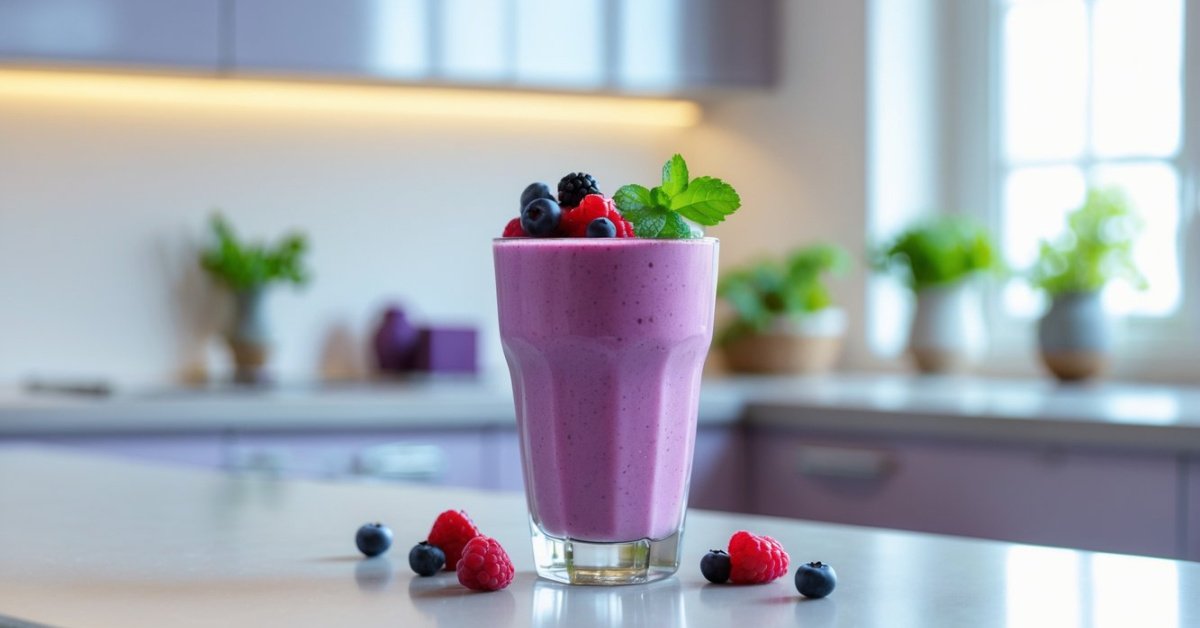
This smoothie blends protein, antioxidants, and electrolytes to help muscles repair and rehydrate. I use 1 cup Greek yogurt for high-quality protein, 1 cup frozen blueberries for antioxidants, 1 small banana for potassium, and 1 tablespoon chia seeds for omega-3s. I add 3/4 cup unsweetened almond milk and blend until smooth. This recipe pairs creaminess with tart and sweet notes, making it a customer favorite.
Tropical Anti-Inflammatory Smoothie
A tropical blend supports inflammation reduction using fresh and bright flavors. I combine 1 cup frozen pineapple, 1/2 cup tart cherry juice, 1/2 cup coconut water, 1 small carrot, 1 teaspoon fresh ginger, and 1/2 teaspoon turmeric powder. Blending these delivers natural anti-inflammatories, vitamin C, and hydration. Customers enjoy this smoothie’s tangy, spicy flavor profile as a flavorful recovery option.
Green Protein Smoothie
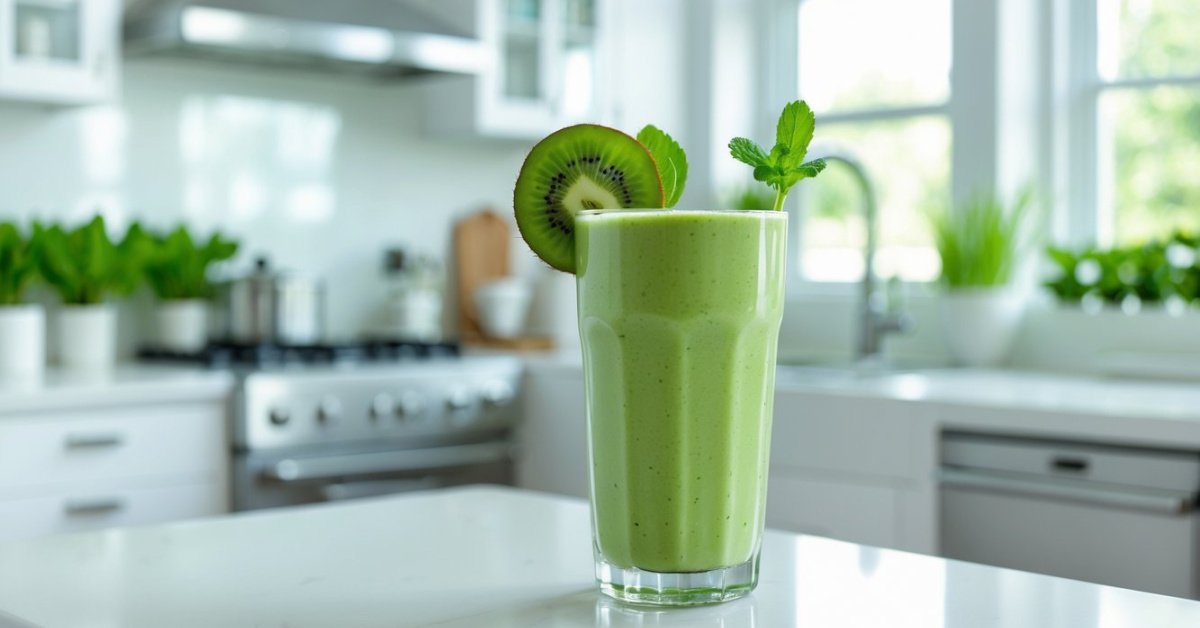
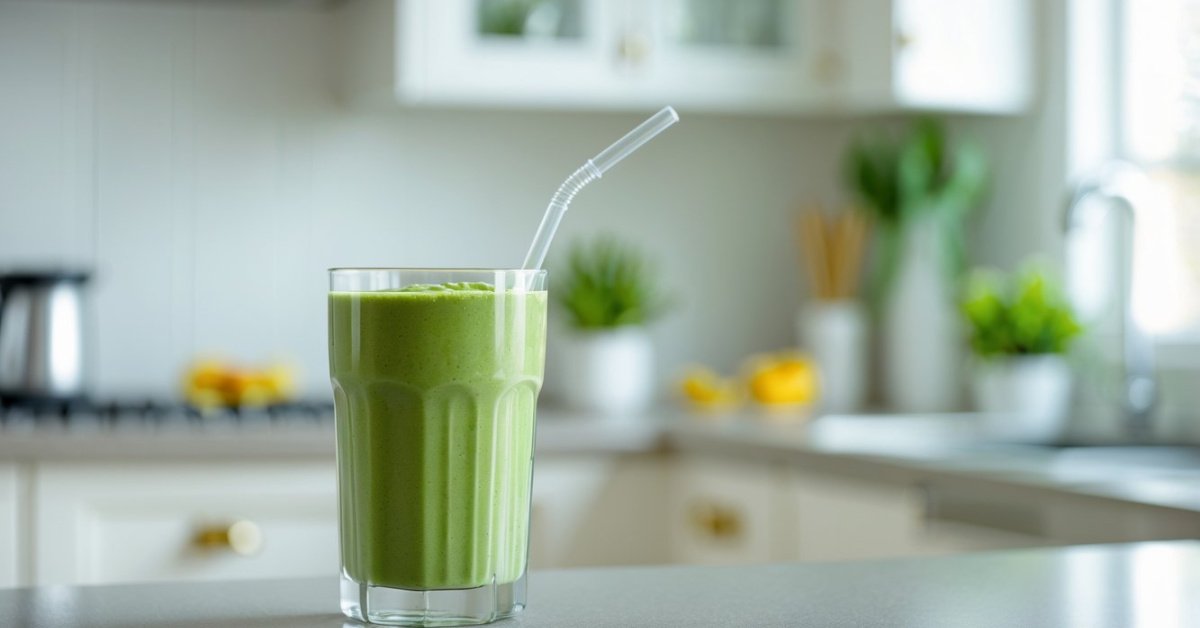
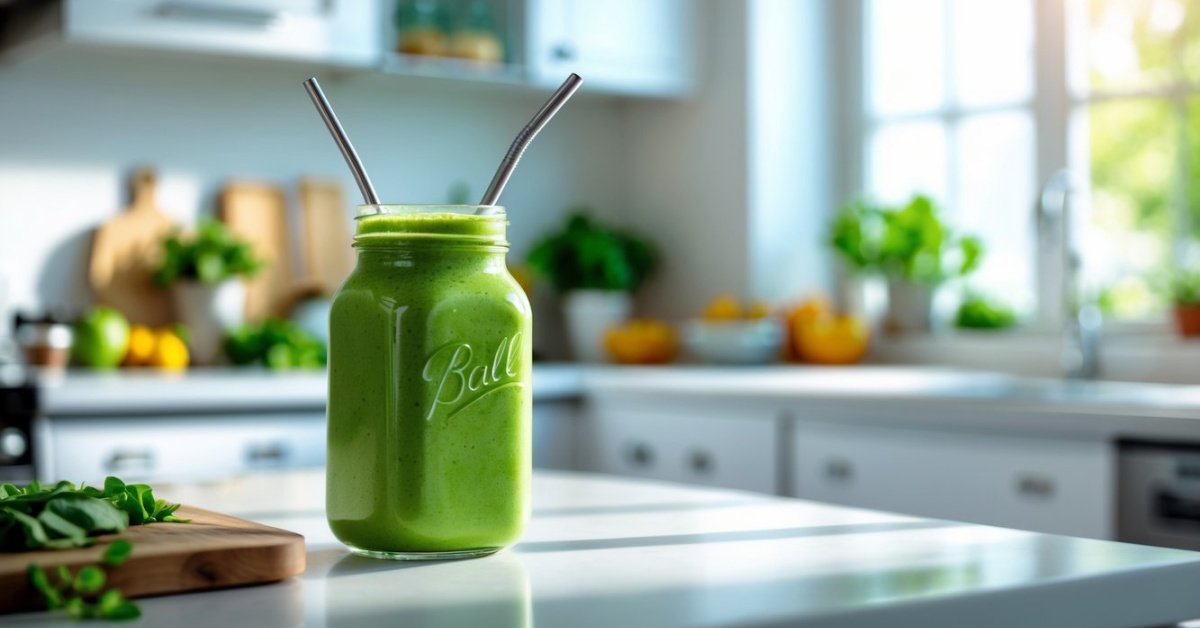
A plant-powered green smoothie supports muscle soreness relief and provides nutrients essential for tissue repair. I blend 1 cup fresh spinach, 1/2 avocado, 1 medium green apple, 1 scoop plant-based protein powder, 1 tablespoon flaxseeds, and 1 cup unsweetened oat milk. This mix delivers magnesium, healthy fats, and clean protein, supporting muscle relaxation and cellular repair. The creamy, refreshing combination appeals to those seeking both taste and recovery benefits.
Tips for Incorporating Recovery Smoothies Into Your Routine
Blending smoothies for muscle relief fits easily into daily fitness plans.
- Schedule: I blend and drink my recovery smoothie within 30 minutes after workouts to maximize muscle repair, since this window supports optimal nutrient absorption, according to the Journal of the International Society of Sports Nutrition.
- Batch Prep: I portion ingredients into freezer bags for the week—each bag holds fruit, protein, and greens—so mornings go quicker and consistency stays high.
- Ingredient Swaps: I swap greens, protein types, or nut milks to avoid flavor fatigue, using kale for spinach or almond milk for oat milk based on what I have.
- Monitor Serving Size: I use 12–16 oz for most post-workout smoothies, aligning with American Council on Exercise guidelines for snack portions, keeping calories and nutrients balanced.
- Add Functional Boosters Last: I toss in turmeric, ginger, or chia seeds right before blending, since these add-ins lose potency if left sitting in liquid for hours.
- Stay Hydrated: I blend smoothies with coconut water or filtered water to boost post-exercise hydration, especially after intense sweat sessions.
- Listen to Your Body: I notice that soreness and energy change with what I add, so I adjust flaxseeds, protein, or fruit content based on my recovery needs.
Making smoothie prep a habit makes recovery nutrition almost automatic, without adding stress to busy schedules.
Potential Drawbacks and Considerations
Possible nutritional imbalances pop up when smoothies make up a major part of recovery routines. Some smoothies can lack essential micronutrients or overdeliver sugar if I don’t measure fruits, sweeteners, or juices precisely. High-glycemic fruit blends—like those with lots of bananas, mangos, or pineapple—can spike blood sugar if balanced less carefully.
Digestive discomfort sometimes occurs for customers sensitive to fiber, protein powder, or lactose in common smoothie ingredients like Greek yogurt or whey. My shop routinely offers lactose-free, plant-based, and low-fiber swaps to support different dietary needs.
Ingredient sourcing impacts the health benefits of any smoothie. Using conventionally grown produce with pesticide residues or relying on highly processed protein powders can lessen the nutritional boost I aim for. For maximum benefit, I go with organic or well-sourced options whenever possible.
Potential allergens—nuts, soy, dairy, and gluten—commonly appear in smoothie recipes, so I always flag these on my menu and keep dedicated blenders for common allergens to avoid cross-contamination at my shop. At home, I advise label-checking ingredients if someone in your household has allergies.
Overconsumption of calorie-dense smoothies may hinder muscle recovery goals, especially when recipes include extras like nut butters, seeds, or sweeteners in large amounts. I always recommend checking serving sizes and tracking ingredients to align smoothies with overall nutrition goals.
Interaction with certain medications or health issues remains another consideration. Turmeric, for example, may not suit those with blood-thinning prescriptions, while potassium-rich blends can concern people with kidney disorders. Anyone with underlying conditions should consult a healthcare professional before adding new smoothie ingredients to their diet.
Conclusion
I’ve found that adding recovery smoothies to my routine has made a noticeable difference in how I feel after tough workouts. It’s amazing how a blend of the right ingredients can help me bounce back faster and stay motivated to keep moving.
If you’re looking for a simple yet effective way to support your muscles and enjoy delicious flavors at the same time give these smoothies a try. Your body will thank you and you might even look forward to your next workout just a little bit more.