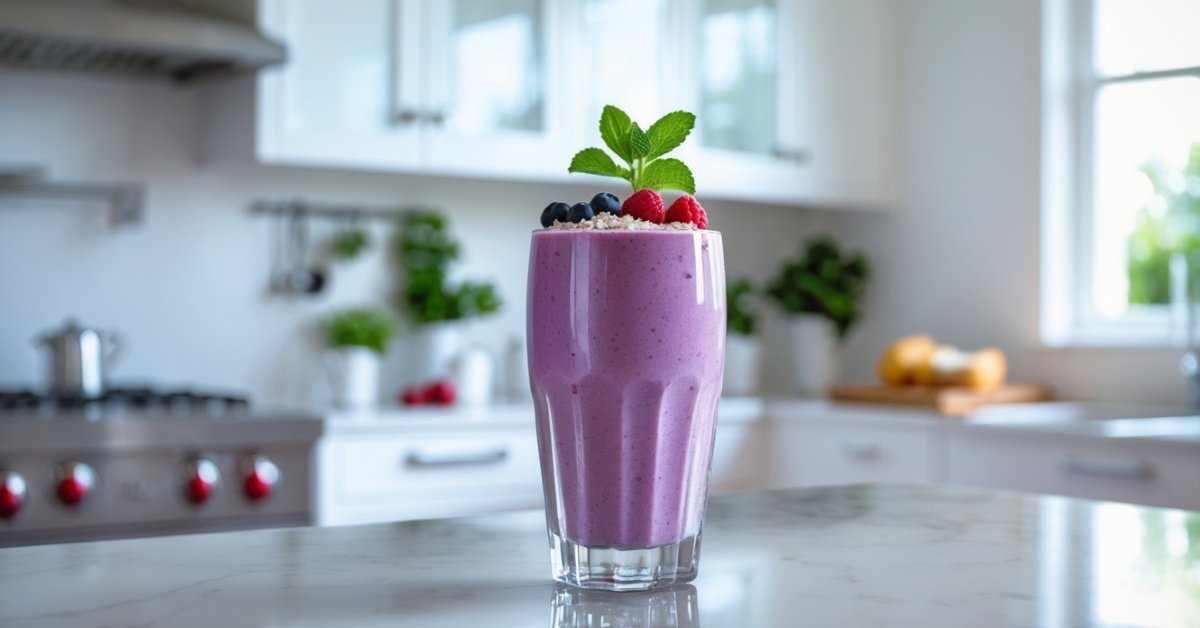

When I’m looking to boost my morning routine, I love tossing a spoonful of flaxseeds into my smoothie. It’s such a simple step but it packs a powerful punch thanks to the omega-3 fatty acids hiding inside those tiny seeds. I’ve noticed I feel more energized and focused when I make this a habit.
Flaxseed smoothies don’t just taste great—they’re a smart way to sneak extra nutrition into my day. I’m always amazed at how something so easy can support my health in big ways. If you’re curious about the omega-3 benefits in flaxseed smoothies, you’re in for a treat.
Understanding Omega-3 Fatty Acids in Flaxseed
High omega-3 content in flaxseed gives my smoothies a significant nutritional boost. Omega-3 fatty acids in flaxseed come mainly as alpha-linolenic acid (ALA), which contributes to heart health and supports brain function in adults, according to the National Institutes of Health. ALA in ground flaxseed gets absorbed better than in whole seeds, so I always grind seeds or use pre-ground meal for my shop’s smoothies and shakes.
Essential for supporting heart, brain, and cell function, omega-3s help lower triglyceride levels and may reduce inflammation. I incorporate flaxseed into recipes for energy bowls, nut-butter shakes, and fruit-based smoothies, always aiming for around 1–2 tablespoons per serving.
Science backs up these benefits—each tablespoon of ground flaxseed delivers about 1.6 grams of ALA, matching nutritional guidelines from the Academy of Nutrition and Dietetics. I choose freshly ground seeds because heat and light degrade fats over time, so I store flaxseed meal in airtight containers in the fridge.
In all my smoothie blends, I combine flaxseed with spinach, berries, and plant-based milks to balance flavor and boost omega-3 intake. Taste stays smooth and nutty, and the nutritional profile aligns with what serious smoothie makers and health-conscious customers expect.
Health Benefits of Omega-3s
Flaxseed smoothies give smoothies a rich source of plant-based omega-3s, mainly alpha-linolenic acid (ALA). I use these smoothies at my shop for their unique nutrition boost and wide appeal.
Heart Health Support
Omega-3 fatty acids in flaxseed smoothies support heart health by reducing triglyceride levels and supporting healthy blood pressure. Studies published by the American Heart Association show that regular ALA intake, like that from flaxseed, can improve cholesterol ratios and lower cardiovascular risk. When I blend ground flaxseeds into smoothies like my almond-berry bowl or cacao banana shake, I increase the heart-healthy content without changing the taste.
Brain Function and Cognitive Benefits
Omega-3s in flaxseed smoothies play a role in brain cell maintenance and neurotransmitter function. Research from the National Institute on Aging highlights improved cognitive performance in adults with higher ALA consumption. Adding flaxseed to my smoothies, especially those paired with greens or berries, gives a light nutty taste while providing nutrients that benefit memory and focus.
Anti-Inflammatory Properties
Flaxseed smoothies help reduce inflammation because omega-3s block pro-inflammatory enzymes at the cellular level. Published findings in the Journal of Nutrition show that people with higher ALA intake report lower joint pain intensity and decreased markers of chronic inflammation. I add ground flaxseed to turmeric or spinach smoothies for guests looking for effective, natural anti-inflammatory options.
Why Add Flaxseed to Your Smoothies
Flaxseed easily boosts any homemade smoothie with nutrition and texture. I add it daily at my smoothie shop for customers who want a health-forward upgrade that’s simple, balanced, and completely plant-based.
Nutritional Profile of Flaxseed
Flaxseed brings a dense nutritional punch to every smoothie. Each tablespoon of ground flaxseed offers about 1.6 grams of omega-3 alpha-linolenic acid (ALA), 2 grams of dietary fiber, and 1.3 grams of plant-based protein (USDA). The seeds also add lignans—a type of polyphenol with antioxidant benefits. By adding flaxseed, I give my guests fiber for digestive balance, protein for satiety, and heart-healthy ALA for daily wellness.
Below is a breakdown of the nutritional content per tablespoon of ground flaxseed:
| Nutrient | Amount (per tbsp) | Example Benefit |
|---|---|---|
| Omega-3 (ALA) | 1.6 grams | Heart & brain function |
| Dietary Fiber | 2 grams | Digestive health |
| Protein | 1.3 grams | Fuller shakes & energy |
| Lignans | 85 mg | Antioxidant effect |
How Flaxseed Enhances Smoothies
Flaxseed upgrades smoothies both nutritionally and in taste. Ground flaxseed blends smoothly for a creamy texture—whether in berry blends, tropical shakes, or green bowls. The seeds don’t overpower flavor but give a subtle, nutty undertone that pairs well with fruits like banana, berries, mango, or apple. I find that flaxseed thickens smoothie bowls and shakes, making them more satisfying and richer. It also stabilizes the texture after blending, which helps when I batch-prep smoothies for my shop.
Including flaxseed in smoothies fits any dietary preference since it’s vegan, gluten-free, and low-carb. My customers often request it as an easy add-in for plant-powered omega-3s and fiber. For best results, I always use freshly ground seeds in my shop since the oils stay fresher and taste brighter. This small change instantly elevates smoothies, making every sip more wholesome and filling.
Best Ways to Incorporate Flaxseed for Maximum Omega-3 Benefits
Adding flaxseed for omega-3 benefits works best with simple adjustments to your home smoothie routine. I keep flaxseed as a staple in my shop because when handled right, it transforms both taste and nutrition.
Choosing the Right Flaxseed Form
Ground flaxseed offers better omega-3 absorption than whole flaxseed—ALA releases fully when I grind seeds fresh before use, which brings out the nutty aroma and boosts smoothie nutrition. Whole seeds often pass through the digestive system undigested, reducing omega-3 benefits. I keep cold-milled flaxseed on hand to maintain freshness, but I grind small batches myself for the strongest flavors and maximum nutrient retention in every shake or smoothie.
Tips for Blending Flaxseed into Smoothies
Blending flaxseed evenly actually enhances omega-3 access in every sip. I always start by adding 1–2 tablespoons of ground flaxseed directly to the blender, using powerful blenders to ensure a smooth consistency—no gritty texture. Combining flaxseed with liquids like almond milk or oat milk helps integrate the seeds better. Pairing ground flaxseed with high-antioxidant fruits (examples: berries, cherries, mango) and leafy greens (examples: spinach, kale, romaine) gives a great flavor balance while supporting the omega-3 and overall nutrient profile. To avoid any bitterness, I add flaxseed before sweeteners or use naturally sweet fruits (examples: bananas, pineapple, grapes) to mask the mild earthy notes. I always store flaxseed in airtight containers in the refrigerator at my shop to keep it fresh and potent for daily smoothie blends.
Potential Considerations and Precautions
Digestive Sensitivity
Some people experience mild digestive effects with flaxseed in smoothies, including bloating or gas, especially after using more than 2 tablespoons per serving, as noted in studies from the Mayo Clinic. I recommend starting with 1 tablespoon of ground flaxseed in smoothies for those new to fiber-rich ingredients, then increasing the amount gradually.
Hydration Needs
Ground flaxseed adds soluble fiber that thickens smoothies and absorbs water in the gut. I always encourage drinking extra fluids throughout the day when adding flaxseed to smoothies, since insufficient hydration can contribute to temporary constipation for some customers.
Medication Interactions
Flaxseed contains compounds that may affect how certain medications, such as blood thinners or diabetes medications, work inside the body. According to the National Center for Complementary and Integrative Health, I suggest checking with a healthcare professional if anyone takes prescription medications before adding large amounts of flaxseed to their daily blending routine.
Allergic Reactions
Allergic reactions to flaxseed are very rare, but people with known seed allergies, such as sunflower or sesame, could be at higher risk. I always ask about allergies in my shop and keep alternative smoothie ingredients available.
Freshness and Storage
Flaxseed’s healthy omega-3 oils spoil quickly after grinding. I store freshly ground flaxseed in airtight containers in the fridge and use it within 1 week for smoothies, as recommended by the USDA. Using stale or rancid flaxseed can negatively affect flavor and nutrition.
Children and Pregnant Individuals
Small children and pregnant individuals may need to limit flaxseed intake due to phytoestrogen content, as highlighted by the Academy of Nutrition and Dietetics. I keep servings small—around 1 tablespoon—when making smoothies for these groups and use a variety of other healthy seeds and nuts for balance.
Conclusion
Adding flaxseed to my smoothies has become a simple way to boost both flavor and nutrition in my daily routine. I love how versatile ground flaxseed is and how seamlessly it blends with everything from berries to greens.
Every smoothie feels like a little act of self-care knowing I’m supporting my heart and mind with every sip. If you’re looking for a delicious way to add more omega-3s to your diet flaxseed smoothies are a great place to start.