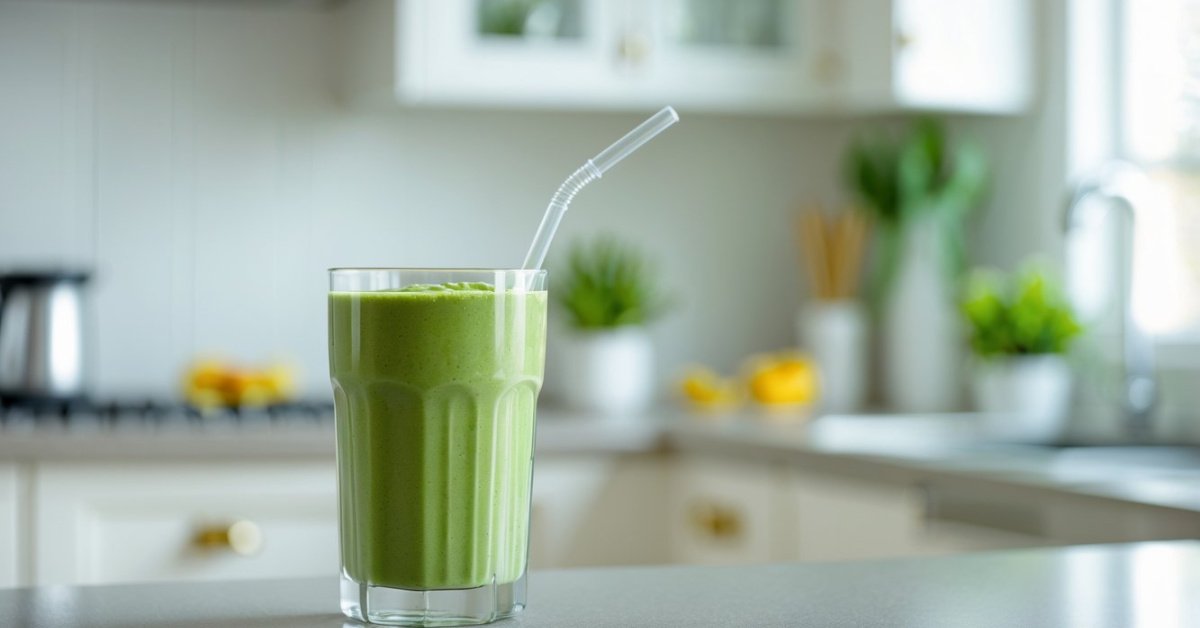
I’m always looking for simple ways to boost my health and keep my energy up. One thing I’ve discovered is how much power a good smoothie can pack into a single glass. With the right mix of fruits and veggies I can whip up something delicious that’s also working behind the scenes to keep my body in balance.
Oxidative stress might sound complicated but it’s really just my body’s reaction to everyday life—stress junk food pollution and even a tough workout. I’ve learned that adding the right antioxidants to my diet makes a big difference and smoothies are one of the easiest ways to do it. They’re quick tasty and help me feel like I’m taking care of myself from the inside out.
Understanding Oxidative Stress and Its Impact on Health
Oxidative stress starts when the body produces more free radicals than it can manage with antioxidants. In my experience behind the smoothie bar, I see people dealing with oxidative stress from sources like poor diet, air pollution, and intense workouts. Free radicals are unstable molecules—like those created during exercise or after sun exposure—that can damage cells and speed up aging. This process links to health concerns such as chronic inflammation, heart issues, and even skin problems.
Antioxidants found in ingredients like berries, spinach, and seeds counteract oxidative stress by neutralizing free radicals. When I craft smoothies packed with vibrant produce—examples include blueberries, kale, or chia seeds—I aim to boost the body’s natural defense system in every glass. Consuming a diet high in antioxidant-rich foods correlates with better health outcomes, according to research from Harvard T.H. Chan School of Public Health. When people look for ways to support their health at home, focusing on nutrient-dense ingredients in smoothies directly addresses the challenges presented by oxidative stress.
Key Antioxidant Ingredients in Smoothies
When I build smoothies focused on fighting oxidative stress, I go straight to specific antioxidant-rich ingredients. Choosing vibrant produce packs flavor and natural compounds that support the body’s defenses.
Berries and Their Benefits
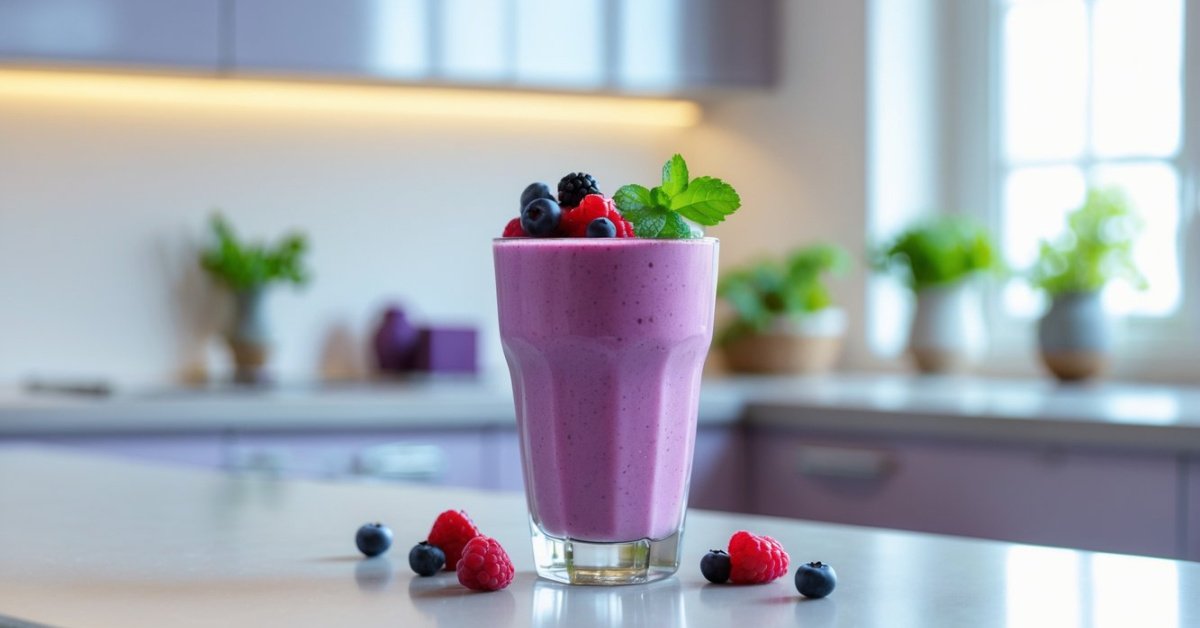
Berries like blueberries, strawberries, and blackberries stand out for their anthocyanins and vitamin C. These compounds lower free radical activity and protect cells from damage, according to USDA and Mayo Clinic guidance. I always keep a fresh supply on hand since mixing different berries boosts flavor and antioxidant content in every batch.
Leafy Greens for Cellular Protection
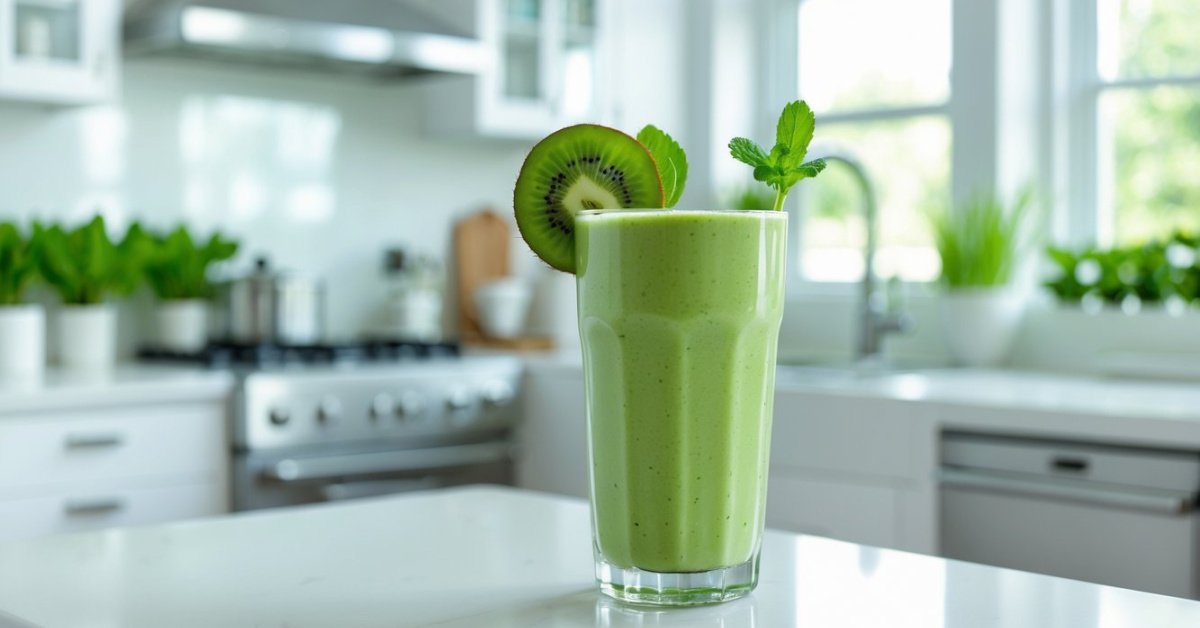
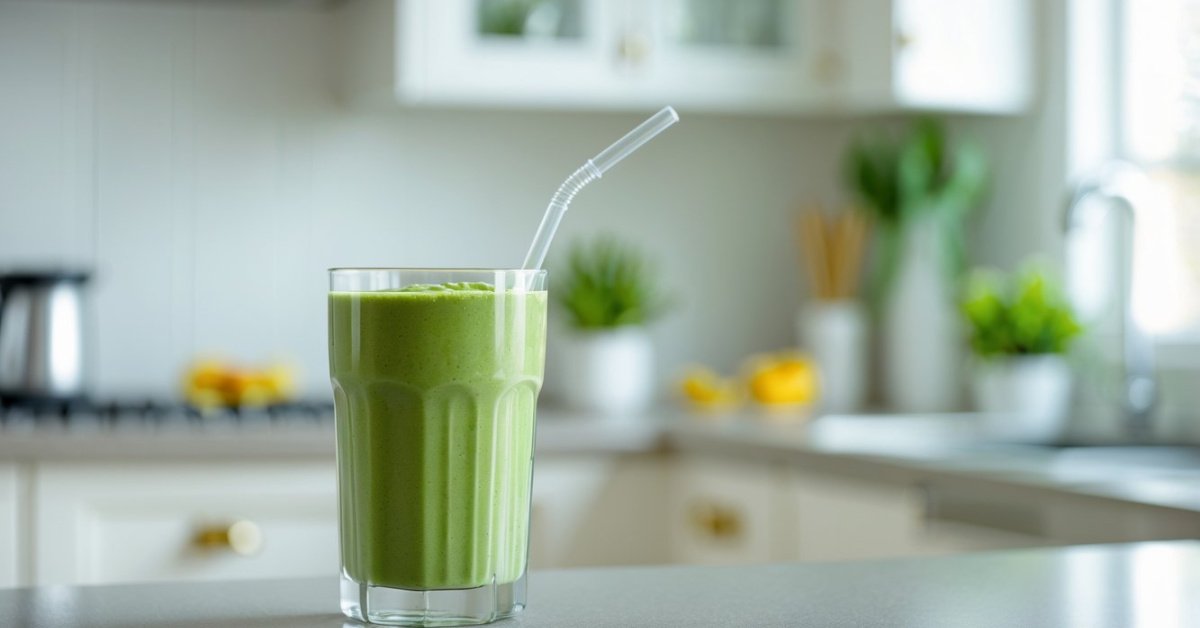
Leafy greens such as spinach, kale, and Swiss chard deliver lutein, beta-carotene, and vitamin E. These nutrients help shield cells from oxidative threats. Green smoothies with spinach or kale remain customer favorites in my shop because they blend smoothly with other ingredients and don’t overpower sweet fruits. Harvard T.H. Chan School of Public Health lists these greens as key for reducing inflammation as well.
Seeds and Healthy Fats
Seeds including chia, flax, and hemp bring alpha-linolenic acid (ALA), vitamin E, and polyphenols. These nutrients work together to bolster antioxidant defense and support healthy cell membranes. I blend seeds into almost every smoothie both for their creamy texture and the steady energy they provide. Adding avocado or a tablespoon of nut butter gives smoothies an extra boost of healthy fats and vitamin E.
| Ingredient | Key Antioxidants | Example Smoothie Use |
|---|---|---|
| Blueberries | Anthocyanins, Vitamin C | Mixed berry smoothie |
| Spinach | Lutein, Beta-carotene | Green power smoothie |
| Chia seeds | ALA, Vitamin E | Creamy banana chia blend |
| Avocado | Vitamin E, Monounsaturated Fats | Mango avocado smoothie |
Using these ingredients daily lets me craft smoothies that look good, taste great, and help protect against oxidative stress.
Top Smoothie Recipes for Reducing Oxidative Stress
I’ve created these antioxidant-rich smoothies in my shop for customers aiming to combat oxidative stress. Each blend uses ingredients known for their health benefits and flavor, perfect for making at home.
Berry-Green Antioxidant Smoothie
I mix blueberries, spinach, and chia seeds in this smoothie for a potent antioxidant boost. Blueberries provide anthocyanins—powerful antioxidants—and vitamin C, according to the USDA FoodData Central. Spinach contributes lutein and beta-carotene, which support cellular protection. Chia seeds supply alpha-linolenic acid, an omega-3 with added antioxidant capacity. For a balanced flavor, I add one ripe banana and unsweetened almond milk. Serve this recipe chilled for a vibrant, nutrient-dense smoothie that fits any wellness routine.
Tropical Turmeric Power Blend
I created this blend to combine the anti-inflammatory power of turmeric with the bright flavors of tropical fruit. I start with pineapple and mango to deliver vitamin C and carotenoids—nutrients shown to neutralize free radicals. I add a half teaspoon of ground turmeric and a pinch of black pepper; research from the National Center for Complementary and Integrative Health shows curcumin’s absorption increases with pepper. I blend in coconut water for hydration and a handful of flaxseeds for extra antioxidants. This golden-hued smoothie is both energizing and effective in supporting the body’s defenses against daily stressors.
Tips for Making Effective Antioxidant Smoothies
Building antioxidant-rich smoothies at home lets me create nutrient-packed drinks that appeal to both the palate and the body. My experience running a smoothie shop centers on selecting fresh, bold ingredients and optimizing every blend for function and flavor.
Ingredient Pairings to Maximize Benefits
Mixing complementary antioxidant sources boosts the density and absorption of nutrients in each smoothie. Pairing berries like blueberries and strawberries with leafy greens such as spinach or kale gives both vitamin C and carotenoids, which play distinct roles in defending against oxidative damage. Adding a spoonful of chia or flax seeds increases the healthy fat content, which helps the body absorb fat-soluble antioxidants like beta-carotene from greens. Combining fruits high in vitamin C, for example oranges or kiwi, with spinach amplifies iron absorption and enhances the body’s antioxidant response. I often include a pinch of turmeric or ginger in tropical blends since curcumin and gingerol work well with vitamin-rich fruits to increase anti-inflammatory action.
Preparation and Storage Suggestions
Preparing antioxidant smoothies with optimal technique preserves both flavor and nutrient quality. Using frozen fruits keeps nutrients locked in at peak ripeness and gives smoothies a thick, creamy texture without extra ice. Blending seeds and greens first with any liquids, for example almond milk or coconut water, ensures smoother consistency before adding softer fruits. I always store any extra smoothie in a glass jar with a tight seal, filling to the top to minimize air exposure, which slows the oxidation process and retains nutrients for up to 24 hours. Adding lemon juice or a splash of citrus also helps preserve color and taste since ascorbic acid limits oxidation. For best nutrient retention, I recommend drinking smoothies soon after blending.
Conclusion
I’ve found that adding antioxidant-rich smoothies to my daily routine is one of the easiest ways to care for my body and mind. It’s such a simple habit that can make a real difference over time.
Whether I’m reaching for a berry-packed blend or experimenting with new greens and seeds I know I’m giving myself a boost that goes beyond just great taste. Every glass feels like a small step toward better health and more energy.