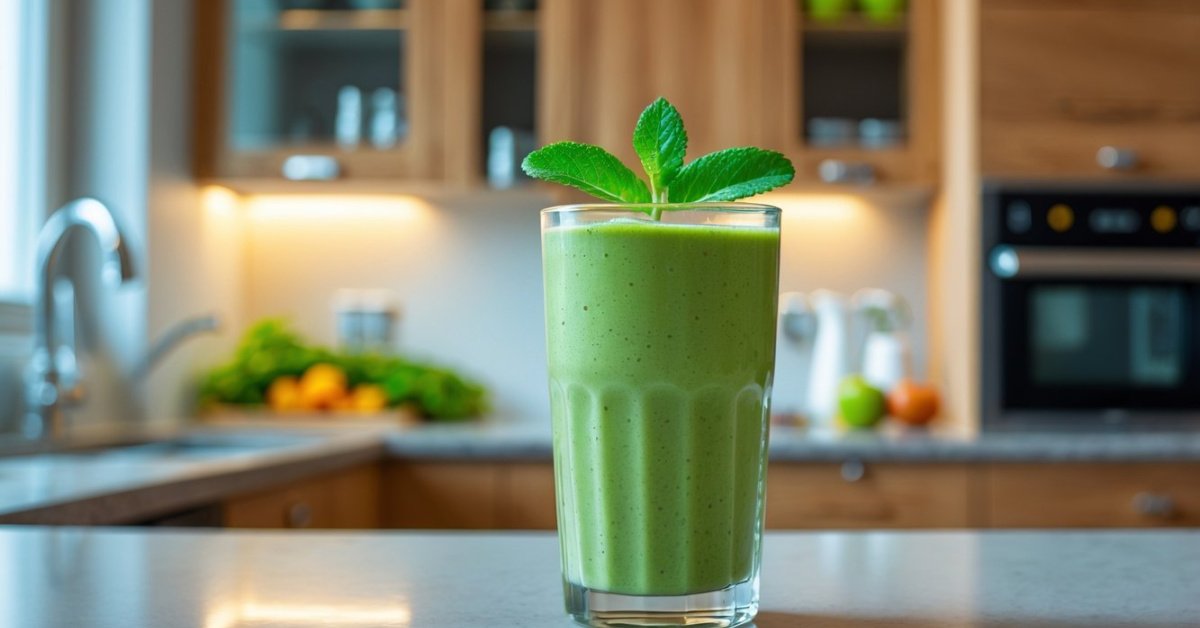
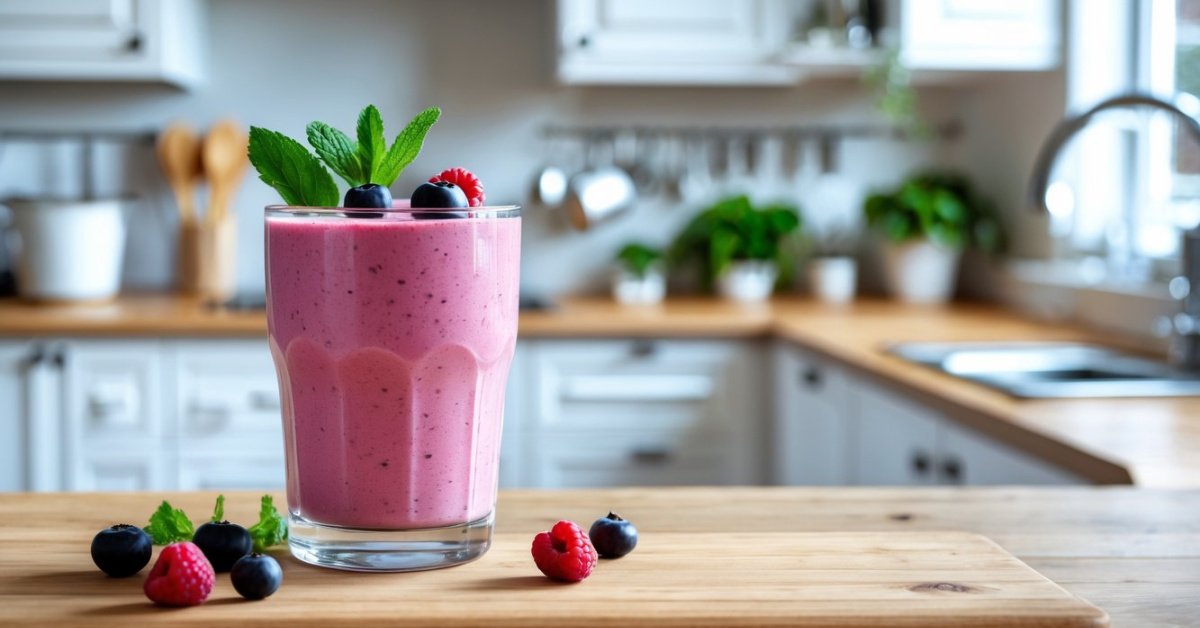
Everywhere I look someone’s raving about the latest smoothie cleanse promising to flush out toxins and leave me feeling brand new. With colorful blends of fruits and veggies popping up on my feed it’s easy to believe that a glass a day can work some serious magic. But does sipping on these vibrant drinks really detox my body or is it just another health trend that sounds too good to be true?
I’ve always loved a good smoothie for a quick breakfast or snack but lately I’ve started to wonder about the bold detox claims. It’s time to dig a little deeper and separate fact from fiction when it comes to smoothies and their supposed cleansing powers.
Understanding the Detox Myth
Detox claims about smoothies circulate widely, often suggesting that blending fruits and vegetables somehow “cleanses” the body of toxins. I use high-quality produce at my shop, but no smoothie—no matter how colorful—directly flushes out toxins. The body’s natural detox system includes the liver, kidneys, lungs, skin, and digestive tract; these organs process and remove waste efficiently if no underlying health issues exist (Cleveland Clinic, 2022). When I craft smoothie recipes, I focus on nutrients, not the promise of detoxification.
Misconceptions linger partly because many smoothies contain fiber-rich ingredients. Fiber aids digestion and supports gut health—examples include spinach, berries, chia seeds, and apples—but it doesn’t pull toxins out like a magnet. Marketing language can mislead by conflating digestive support with cellular detox processes, yet the biological definitions differ.
Many people also associate green juice blends with rapid detoxification due to their color and vitamin content. Green vegetables like kale and spinach provide vitamins A, C, and K and antioxidants, but they don’t replace the essential roles that organs like the liver play in filtering toxins. My team selects ingredients to maximize nutrient density and flavor, never to mislead about what real detox means.
If a product claims to “detox,” I scrutinize the science first—relying on the proven roles of great ingredients rather than wellness myths.
The Science Behind Detoxification
Smoothies bring a lot to the table, but claims about them detoxing the body miss what really happens inside us. I look at what makes the body’s natural detox system work and how it connects to the ingredients I choose for my shop.
How the Body Naturally Detoxifies
The body naturally detoxifies through organs and systems, not from a single food or drink. I see the liver, kidneys, lungs, digestive tract, and skin working together to filter out waste all day, every day. When customers ask about “cleansing,” I make it clear that my ingredients support these organs, but don’t replace their actual work. Fiber from leafy greens, antioxidants from berries, and water from fruits and veggies all help the body maintain its own cleaning routines by aiding digestion and hydration.
The Role of the Liver and Kidneys
The liver and kidneys handle most detoxifying. The liver neutralizes chemicals and breaks down substances like alcohol or medications into less harmful compounds. The kidneys filter blood, removing waste through urine and keeping minerals balanced. I choose ingredients that give these organs healthy nutrients, like potassium-rich bananas for kidneys and vitamin-C-packed citrus for liver health. While smoothies can play a part in an overall well-balanced diet, it’s these vital organs that actually detox, not the drinks themselves.
Evaluating the Claims: Do Smoothies Detox the Body?
I’ve heard many customers ask if smoothies really detox the body. Smoothies always bring a burst of color and freshness, but their reputation as detox magic deserves a closer look.
Common Ingredients in Detox Smoothies
Detox smoothie recipes always feature familiar ingredients. I usually see blends using spinach, kale, cucumber, celery, and lemon for greens and zest. Fruit like pineapple, apple, and berries often add sweetness and antioxidants. Some recipes add chia seeds, flaxseeds, or ginger for extra texture and supposed cleansing properties. These ingredients supply vitamins, minerals, and fiber, making a nutritious option for any meal or snack. However, even with these nutrient-packed choices, no evidence supports claims that they detoxify the body by removing toxins.
What Research Says About Smoothie Detoxes
Scientific reviews consistently show that smoothies don’t detox the body. Research from the National Institutes of Health and Academy of Nutrition and Dietetics confirms that organs like the liver and kidneys filter and remove toxins when healthy. Studies on “detox diets” and juice cleanses, such as those published in The Journal of Human Nutrition and Dietetics (2015), show no clinical evidence for enhanced toxin elimination from consuming smoothies. I rely on credible nutrition research and see that smoothies can support overall wellness by promoting hydration, providing fiber, and increasing nutrient intake. Smoothies offer real benefits if I focus on great ingredients and balanced blends, but they can’t perform the body’s detox work.
Potential Benefits and Drawbacks of Smoothies
Smoothies attract people interested in quick, nutritious choices and creative flavor blends. I believe the real value of homemade smoothies lies in smart ingredient selection and understanding both their strengths and their limitations.
Nutritional Advantages
Balanced smoothies deliver concentrated servings of fruits, vegetables, proteins, and healthy fats. I use spinach, kale, or mixed berries to provide fiber, vitamin C, and plant compounds—supporting immune function and daily nutrient goals. Greek yogurt or nut butters boost protein and keep energy steady longer. By blending whole produce instead of juice, my shop’s recipes keep the fiber, which helps digestion and moderates sugar absorption. Customers often customize ingredients to manage calories, carbs, or specific vitamins. Smoothies also offer convenient hydration, especially when combining frozen produce and unsweetened liquids like almond milk or coconut water.
Possible Risks and Misconceptions
Misunderstandings about smoothies often come from ingredient choices and health claims. Some blends use excess fruit juice, honey, or sweetened yogurts—quickly increasing sugar and calorie counts. People sometimes assume a “green” color always means healthy, but not all green shakes use nutrient-dense ingredients in significant amounts. It’s easy to overlook portion sizes in a large cup or add-ins like flavored syrups or protein powders, which alter nutrition profiles quickly. I see many people expect dramatic detox results or believe a smoothie can undo less healthy food decisions, which isn’t accurate. Science never links smoothies with actual detoxification, and relying only on smoothies can mean missing balanced variety or important nutrients from whole foods.
| Benefit/Risk | Example | Source/Note |
|---|---|---|
| High vitamin content | Berries, leafy greens | U.S. Department of Agriculture |
| Added protein possible | Yogurt, nut butters | Academy of Nutrition and Dietetics |
| May use excess sugar | Fruit juice, honey, flavored yogurt | National Institutes of Health: “Sugar-Sweetened Beverages” |
| Dietary fiber preserved | Whole fruits, vegetables | Harvard School of Public Health |
| Detox claim unfounded | “Cleansing” ingredients | Academy of Nutrition and Dietetics, NIH, Cleveland Clinic |
Thoughtful choices make homemade smoothies both delicious and better aligned with genuine wellness goals.
Smarter Ways to Support Your Body’s Health
My experience running a smoothie shop and creating hundreds of recipes taught me that real health support goes far beyond detox trends. I focus on smart, ingredient-driven choices that help bodies thrive—whether at my shop or in your kitchen at home.
Evidence-Based Dietary Tips
- Prioritize whole, fresh ingredients
I always reach for whole fruits, leafy greens, unsweetened nut milks, and seeds like flax or chia. The CDC highlights that diets high in fruits and vegetables, such as apples, spinach, or blueberries, support immune and heart health.
- Include diverse nutrients in every smoothie
I build blends with a mix of macronutrients—protein (Greek yogurt, nut butter), healthy fats (avocado, hemp), and carbohydrates (bananas, oats). Studies published in Nutrients show that balanced intake of protein and fiber improves energy, digestion, and satiety.
- Limit added sugars and sweetened juices
I skip sugary protein powders or bottled fruit juices when possible. The American Heart Association finds that high added sugar intake, common in store-bought mixes, increases chronic disease risk.
- Emphasize hydration and portion awareness
I aim for liquid bases without extra sweeteners, like coconut water or plain almond milk. Using measured portions helps maintain nutrient ratios and calorie balance, reinforced by recommendations from Mayo Clinic dietitians.
- Rotate your greens and toppings
I vary leafy vegetables—kale, chard, romaine—to enhance vitamin and mineral profiles. Swapping different seeds, nuts, and fruits reduces ingredient fatigue and keeps my nutrition plan robust as supported by guidance from the Academy of Nutrition and Dietetics.
Here’s how some of my favorite smoothie-healthy ingredients stack up:
| Ingredient | Nutritional Benefit | Wellness Connection |
|---|---|---|
| Spinach | Iron, vitamin K, folate | Supports blood health |
| Blueberries | Vitamin C, antioxidants | Helps brain function |
| Greek yogurt | Protein, probiotics | Aids gut health |
| Flax seeds | Omega-3, fiber | Promotes heart health |
| Avocado | Healthy fats, potassium | Energizes and sustains |
Making informed, varied, and balanced smoothie choices gives bodies real health benefits—without needing detox claims to back them up.
Conclusion
I’ve learned that the real magic of smoothies lies in their ability to deliver a burst of nutrients and flavor rather than in any detox superpower. When I blend up my favorite fruits and greens I’m focused on supporting my body’s natural processes not replacing them.
Choosing wholesome ingredients and enjoying smoothies as part of a balanced diet is what truly makes them shine. It’s always worth looking past the hype and embracing what science and good nutrition have to offer.