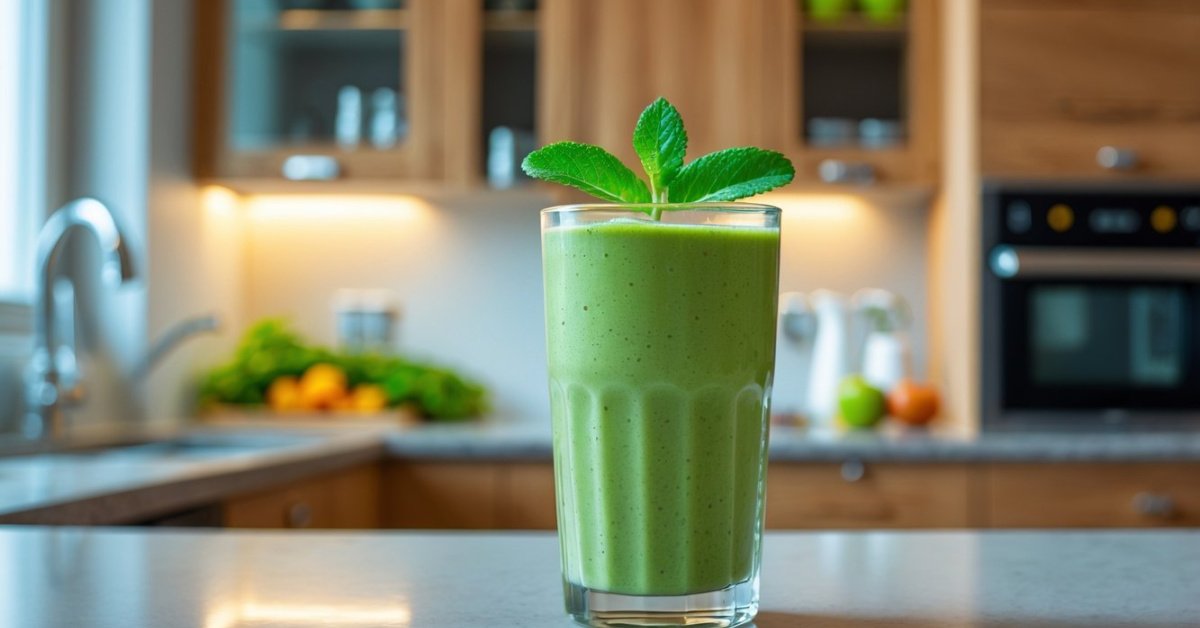

When I first started making protein shakes I thought it was as simple as tossing some powder in a blender and calling it a day. But I quickly realized that the real magic happens when I pay attention to the macronutrients—protein carbs and fats—that go into each shake. Getting the right balance can make a huge difference in how I feel and how my body responds after a workout.
Whether I’m aiming to build muscle lose weight or just stay energized throughout the day understanding the macronutrient breakdown of my protein shakes helps me hit my goals. It’s not just about the protein—it’s about creating a shake that truly supports my lifestyle and tastes great too.
Understanding Macronutrients in Protein Shakes
Balancing protein, carbs, and fats shapes every shake I create in my shop. Tuning each macronutrient lets me craft shakes for muscle recovery, lasting energy, or meal replacements.
Protein: The Main Ingredient
Protein drives the structure of any serious protein shake. I use whey isolate, pea, and soy proteins most often, since these supply all nine essential amino acids. For most shakes, I add 15-30 grams of protein per serving—examples include 1 scoop of whey or 3/4 cup Greek yogurt. Protein supports muscle repair after workouts and helps keep customers full when they want meal replacement shakes.
Carbohydrates: Energy Support
Carbohydrates supply the shake’s quick energy. Blending in bananas, oats, or berries adds 20-40 grams of carbs per shake. These options help replenish glycogen, especially after any intense training session. For those focused on low-carb shakes, I adjust to under 10 grams using leafy greens and unsweetened almond milk instead.
Fats: Role and Importance
Fats balance the shake’s nutrition and flavor. I often use 1 tablespoon of chia seeds, flaxseed, or a quarter of an avocado. These choices add healthy unsaturated fats, with 5-12 grams per shake, plus omega-3s and help slow digestion for more steady energy. Including a fat source boosts vitamin absorption from ingredients like spinach or berries.
Typical Macronutrient Ratios in Protein Shakes
Macronutrient ratios in protein shakes depend on the type of shake and the ingredients used. I focus on dialing in these ratios to match specific goals, like recovery, meal replacement, or plant-based nutrition.
Standard Whey Protein Shakes
Standard whey protein shakes typically include 70-85% protein, 10-25% carbohydrates, and 2-10% fat for each serving. I usually keep whey shakes simple: a 30g scoop of protein powder (about 24g protein), 6-8oz of milk or water, and a half banana add roughly 15g carbs and 0-1g fat. Most whey protein products add minimal fats, so these shakes lean toward low-fat, high-protein ratios. For clients focused on muscle gain or rapid recovery, I sometimes add oats or honey, increasing carbs for glycogen replenishment after tough workouts.
Plant-Based Protein Shakes
Plant-based protein shakes offer a different macronutrient split, with 50-65% protein, 25-40% carbohydrates, and 5-15% fat per serving. I blend pea or soy protein (20-25g protein per scoop) with nondairy milk, berries (10-15g carbs), and a spoonful of chia or flaxseed for healthy fats (around 4g). Plant proteins often need these additions for a smoother taste and balanced nutrition, especially since fiber and omega-3s boost the health profile. My regulars who like vegan options appreciate these balanced, nutrient-rich blends.
Meal Replacement Shakes
Meal replacement shakes present a broader macronutrient range: 25-35% protein, 40-55% carbohydrates, and 15-25% fat per serving. These shakes aim for balance and fullness. I build these using protein powder (20-30g protein), oats or fruit for 30-50g carbs, and avocado or nut butter providing 8-12g fats. This macronutrient breakdown supports satiety and sustained energy, making these shakes ideal for busy clients using them as breakfast or lunch.
| Shake Type | Protein (%) | Carbohydrates (%) | Fat (%) | Example Protein (g) | Example Carbs (g) | Example Fats (g) |
|---|---|---|---|---|---|---|
| Standard Whey Protein | 70-85 | 10-25 | 2-10 | 24 | 15 | 1 |
| Plant-Based Protein | 50-65 | 25-40 | 5-15 | 22 | 12 | 4 |
| Meal Replacement | 25-35 | 40-55 | 15-25 | 25 | 40 | 10 |
Clients can customize these macronutrient ratios using different bases and add-ins. For higher carbs, I blend oats, dates, or mango. For increased fats, nut butters or seeds work well. For lower calories, I choose water as the base and more greens. Each shake gets tailored to fit personal nutritional needs and taste preferences, always keeping quality ingredients in mind.
How to Choose the Right Macronutrient Breakdown
Choosing a macronutrient breakdown for shakes means understanding your goals and getting familiar with ingredient nutrition. I always focus on aligning shake recipes with both my customers’ needs and the quality of ingredients.
Fitness Goals and Dietary Needs
Matching macronutrients to fitness goals changes every recipe I make. For building muscle, I use higher-protein formulas, aiming for at least 25 grams of protein with moderate carbs from oats or fruit. Customers working toward weight loss usually prefer shakes heavier in protein and fiber, with low sugar and controlled fat—I’ll use Greek yogurt and spinach for these. If someone wants sustained energy or uses the shake as a meal replacement, I balance macros more evenly, ensuring carbs come from slow-digesting sources like quinoa or sweet potato, with healthy fats from nut butters or seeds.
When handling specific dietary needs, I select plant proteins like pea or hemp for vegan shakes and avoid allergens like dairy or soy when necessary. Each customization starts with clear awareness of both health goals and ingredient impact—something I prioritize as a smoothie shop owner.
Reading Nutrition Labels
Choosing the right macronutrient blend starts with reading nutrition labels closely. I always check serving sizes, protein content, carb sources, and fat quality. For instance, some protein powders list “blends,” but not all sources provide complete amino acids—so I check if it’s whey isolate, pea protein, or a mix.
I scan labels for sugars, fiber, or any added ingredients. If a shake ingredient lists more than 6 grams of added sugar per scoop or fillers like maltodextrin, I skip it. Instead, I add sweetness with whole fruits or a hint of honey if natural sugar content’s still low. By reviewing labels for protein purity, non-GMO certifications, and healthy fats, I keep my shake recipes nutritionally clean and tailored for any dietary request.
Popular Protein Shake Brands and Their Macronutrient Profiles
When I’m making recommendations at my smoothie shop, I focus on pre-made protein powders with balanced macronutrient profiles. Many at-home shake enthusiasts reach for trusted brands, so I’ve compared top protein powders for their content of protein, carbs, and fats per serving. These details help me personalize recipes and guide choices for anyone building a shake around a commercial powder.
| Brand | Protein (g) | Carbs (g) | Fat (g) | Example Type |
|---|---|---|---|---|
| Optimum Nutrition Gold Std | 24 | 3 | 1 | Whey Isolate |
| Vega One Organic | 20 | 6 | 4 | Plant-Based |
| Orgain Organic Protein | 21 | 15 | 4 | Plant-Based |
| Muscle Milk Genuine | 25 | 9 | 6 | Meal Replacement |
| Quest Protein Powder | 22 | 2 | 0.5 | Low-Carb Whey Blend |
| Garden of Life Raw Organic | 22 | 4 | 2 | Raw Plant Protein |
| Premier Protein | 30 | 3 | 3 | High-Protein Whey Blend |
Optimum Nutrition Gold Standard Whey delivers a lean base for smoothies, providing 24g protein, 3g carbs, and 1g fat per scoop. I prefer this for post-workout shakes when my focus is on muscle recovery without excess sugar or fat.
Vega One Organic suits those after a plant base. Each serving offers 20g protein, 6g carbs, and 4g fat, mostly from seed blends and real veggies. My customers who want dairy-free, all-in-one shakes go for this.
Orgain Organic Protein is a go-to plant blend at my shop for high-fiber shakes, with 21g protein and 15g carbs alongside 4g fat. The extra carbs here come from brown rice and chia, making it work well for clients craving satiety or a meal replacement.
Muscle Milk Genuine cooks up richer shakes with 25g protein, 9g carbs, and 6g fat, creating a creamy mouthfeel. I suggest this for those blending for breakfast or bumping up post-workout calories.
Quest Protein contains about 22g protein, only 2g carbs, and minimal fat per scoop. Anyone looking for low-carb, keto, or weight-loss blends usually asks for Quest.
Garden of Life Raw Organic Protein blends 22g protein, 4g carbs, and 2g fat, using sprouted ingredients. My shop stocks it for raw food lifestyles and those who value clean, vegan options.
Premier Protein’s blend packs 30g protein, 3g carbs, and 3g fat, and it’s popular for tough training days or when protein is the top priority.
By knowing these brand macronutrient splits, I mix and match bases with whole foods—like greens, oats, or nut butters—so my shakes are always nutrient-focused and taste-driven for every goal and palete.
Conclusion
Creating the perfect protein shake is all about finding what works best for your body and goals. I love experimenting with different ingredients and macronutrient ratios until I land on a combination that feels just right for my needs.
Paying attention to the quality of ingredients and understanding how each macronutrient supports your fitness journey makes a huge difference. With a little creativity and intention every shake can be both delicious and purposeful.