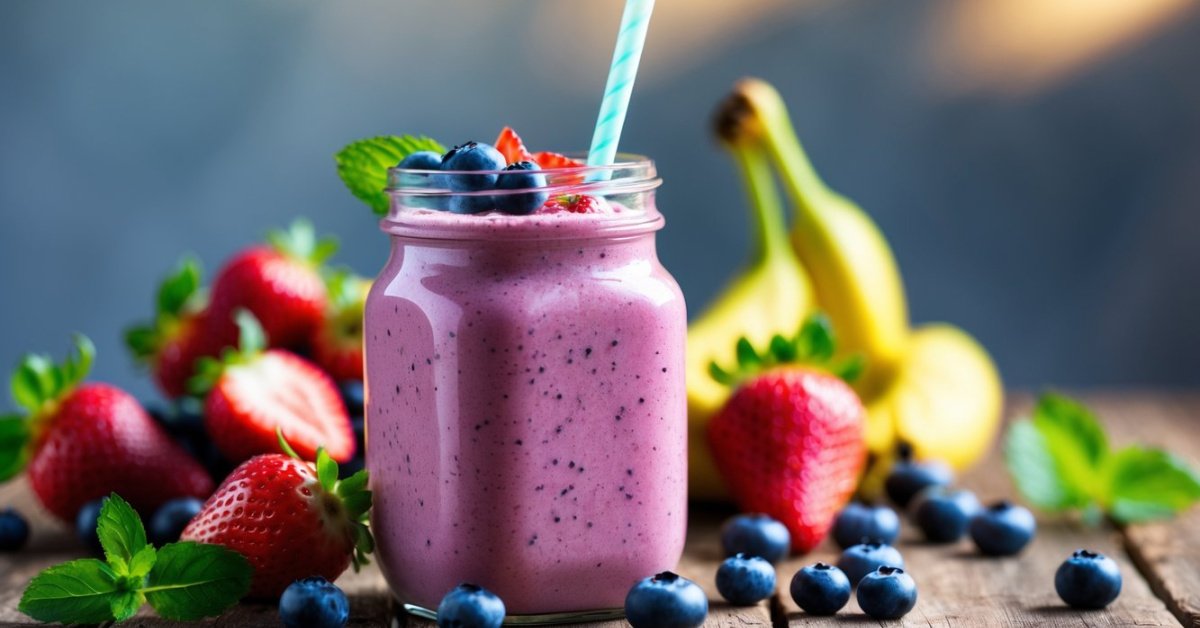

When I think about keeping my bones strong and healthy, calcium is the first thing that comes to mind. It’s a mineral that’s often talked about, but I’ve noticed many people aren’t sure how to actually get enough of it—especially if they’re not big fans of dairy. That’s where bone-health shakes come in, offering a simple and tasty way to boost calcium intake.
I love how these shakes can fit into any routine, whether I’m rushing out the door or winding down after a workout. They’re not just convenient—they’re also packed with nutrients that support my bones and overall well-being. But what makes calcium so important in these shakes, and how does it really help my bones? Let’s dive into why this mineral deserves a starring role in every bone-health shake.
Understanding Bone Health and Nutritional Needs
Bone health depends on consistent intake of key nutrients. I focus on calcium, vitamin D, magnesium, and protein when building shakes in my shop, since each plays a part in keeping bones strong.
- Calcium sources
I use calcium-rich ingredients in my shakes like leafy greens (kale, bok choy), almonds, chia seeds, and fortified non-dairy milks since adults commonly fall short of the 1,000–1,200 mg daily target (NIH, 2024).
- Vitamin D role
I include vitamin D from sources like fortified plant-based milks and orange juice since vitamin D helps with calcium absorption, supporting healthy bone density.
- Magnesium and bone strength
I add pumpkin seeds and spinach for magnesium, since it aids in bone mineralization and works alongside calcium.
- Protein and bone support
Greek yogurt, pea protein, and tofu show up in my smoothies because protein is critical to bone structure and repair.
A table showing daily requirements for these nutrients helps clarify their bone-health importance:
| Nutrient | Daily Amount for Adults | Example Shake Ingredients |
|---|---|---|
| Calcium | 1,000–1,200 mg | Kale, fortified soy milk, almonds |
| Vitamin D | 600–800 IU | Fortified almond milk, OJ |
| Magnesium | 310–420 mg | Pumpkin seeds, spinach |
| Protein | 46–56 g | Greek yogurt, pea protein |
By mixing these ingredients, I create smoothies and shakes that align with bone-health nutritional needs and add variety for flavor and convenience.
Calcium: An Essential Mineral for Bones
In every shake I create, calcium stands out as a non-negotiable ingredient for supporting bone health. Consistently using calcium-rich foods in smoothies gives each blend a solid nutritional foundation.
How Calcium Supports Bone Structure
Calcium forms the building blocks of strong bones. This mineral gives bones their density and structure, locking in strength as we grow and age. My favorite smoothie additions—like kale, collard greens, fortified almond milk, and chia seeds—bring both flavor and a dependable dose of calcium. Each 8-ounce serving made with these ingredients helps reinforce your bones by promoting mineralization and reducing the risk of bone loss, according to the National Institutes of Health.
Recommended Daily Intake of Calcium
Adults benefit when they get between 1,000 and 1,200 milligrams of calcium each day. I measure my smoothie recipes with this number in mind, balancing tasty sources to boost daily intake without overcomplicating the blend. For example, using 1 cup of fortified soy milk (300 mg), a scoop of Greek yogurt (200 mg), and a handful of spinach (30 mg) delivers over half the daily target in one shake. Checking nutrition labels and using varied sources lets you easily meet bone-health goals while keeping each shake delicious and satisfying.
The Role of Calcium in Bone-Health Shakes
Calcium sits at the core of every bone-health shake I make in my shop. Strong, healthy bones rely on steady intake from ingredients that blend seamlessly into tasty and satisfying drinks.
Sources of Calcium in Shakes
I use a range of calcium-rich ingredients when crafting bone-health shakes for my customers. Leafy greens like kale and collard greens, for example, blend smoothly and offer about 90–250 mg calcium per cup. Fortified plant milks—such as soy or almond—deliver 300–400 mg calcium per cup, matching or exceeding dairy. Chia seeds and flaxseeds add 180 mg and 70 mg calcium per two-tablespoon serving, providing a crunchy texture and extra nutrition. Greek yogurt and cottage cheese work for those who include dairy, contributing 200–300 mg calcium per serving. I rotate these sources to keep flavors fresh and nutrition balanced.
Bioavailability of Calcium in Shakes
Bioavailability measures how much calcium from a shake the body actually absorbs. Fortified plant milks and dairy products offer highly bioavailable calcium, with up to 32–35% absorption rates according to the NIH. Leafy greens like bok choy and kale release their calcium efficiently, with 40–60% absorption, while spinach lags due to oxalates binding the calcium, so I mostly use it for taste. To further support absorption, I include vitamin D–rich additions like fortified milks or a spoonful of yogurt. I advise blending shakes with these considerations in mind, ensuring each sip delivers both taste and absorbable calcium for bone health.
Evaluating Popular Bone-Health Shakes
I often get asked which bone-health shakes pack the biggest punch when it comes to supporting strong bones. I always look at two factors: calcium content and supporting ingredients that boost absorption and bone protection.
Comparison of Calcium Content
I compare calcium content in bone-health shakes by checking labels and calculating per-serving amounts. Most homemade shakes with fortified almond milk or dairy deliver 300–450 mg calcium per cup. Adding Greek yogurt bumps the total up by another 150–250 mg per half-cup. Leafy greens like collard greens and kale contribute an extra 50–100 mg per serving. Plant-based shakes use fortified non-dairy milks, which I find give a reliable calcium boost equal to or greater than cow’s milk. When I combine these sources, my typical shake hits 400–700 mg calcium per serving, depending on ingredient choices.
| Ingredient | Calcium per Serving (mg) |
|---|---|
| Fortified Almond Milk | 300–450 |
| Greek Yogurt (½ cup) | 150–250 |
| Kale (1 cup, raw) | 90 |
| Collard Greens (1 cup) | 150 |
| Chia Seeds (1 tbsp) | 80 |
| Fortified Soy Milk | 300 |
Additional Ingredients for Bone Support
I always add ingredients that don’t just deliver calcium but also help the body use it. Vitamin D-rich foods, like fortified soy milk or a spoonful of plain yogurt, help maximize calcium absorption. I use pumpkin seeds and spinach for magnesium, which supports bone mineralization. For protein, I add pea protein powder or silken tofu—important for bone matrix strength. I often sweeten shakes with berries, which provide antioxidants that guard bones against oxidative stress. By layering these ingredients, every shake from my shop or home kitchen delivers not only calcium but a full spectrum of nutrients proven to keep bones healthy and strong.
Benefits and Potential Risks of Calcium Supplementation
Calcium supplementation in bone-health shakes supports optimal bone strength. Supplemented shakes help my customers meet their daily calcium targets, especially those who skip dairy or follow plant-based diets. I see improved bone density scores in people who consistently blend in fortified milk, kale, or chia seeds. Shakes make it easy to keep calcium intake steady, combining convenience with nutritional quality.
Shakes with added calcium play a big role in reducing fracture risk, based on data from the National Institutes of Health and the Mayo Clinic. Frequent use of high-calcium shakes helps people reach the 1,000–1,200 mg adult goal, supporting both bone mineralization and muscle function. This is key for my customers who lead active lifestyles or want lasting bone protection.
Calcium supplementation has some risks if overused. Intakes above 2,000–2,500 mg per day, as highlighted by Harvard Health Publishing, increase the chance of kidney stones and may contribute to heart and vascular issues in some people. I always recommend checking total dietary intake by adding up shake ingredients, fortified foods, and other supplements to avoid high, unnecessary doses. Symptoms like digestive upset can show up if someone consistently exceeds the tolerable upper intake levels.
In my shop and kitchen, I encourage balance by selecting a range of calcium sources—like collard greens, Greek yogurt, and almond milk—rather than relying on high-dose isolated supplements. I also include magnesium and vitamin D-rich ingredients in my shakes to support healthy calcium utilization and limit risk. My approach centers on informed ingredient choice, careful label reading, and real food variety, ensuring that bone-health shakes deliver robust benefits without pitfalls.
Conclusion
I find that bone-health shakes make it much easier to reach my calcium goals without sacrificing taste or variety. By choosing the right mix of ingredients I can enjoy a flavorful shake that fits my lifestyle and supports my bone health.
With a little creativity and attention to nutrition labels I feel confident that my daily shake routine gives me the calcium and other nutrients I need for strong bones. It’s a simple habit that pays off in the long run and I genuinely look forward to each glass.