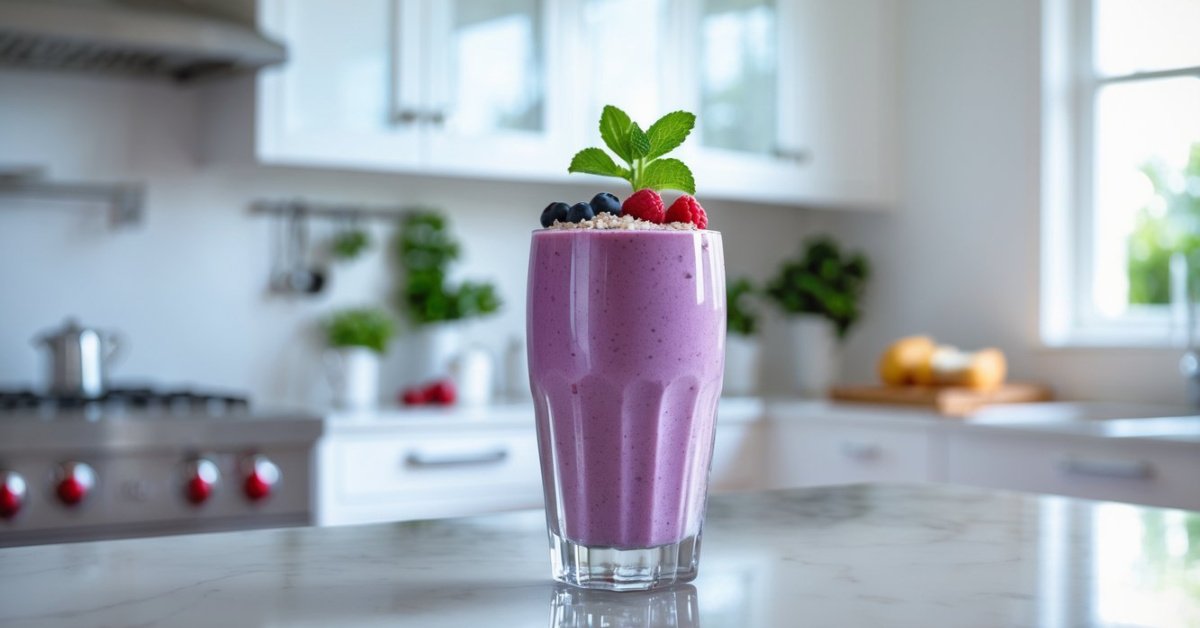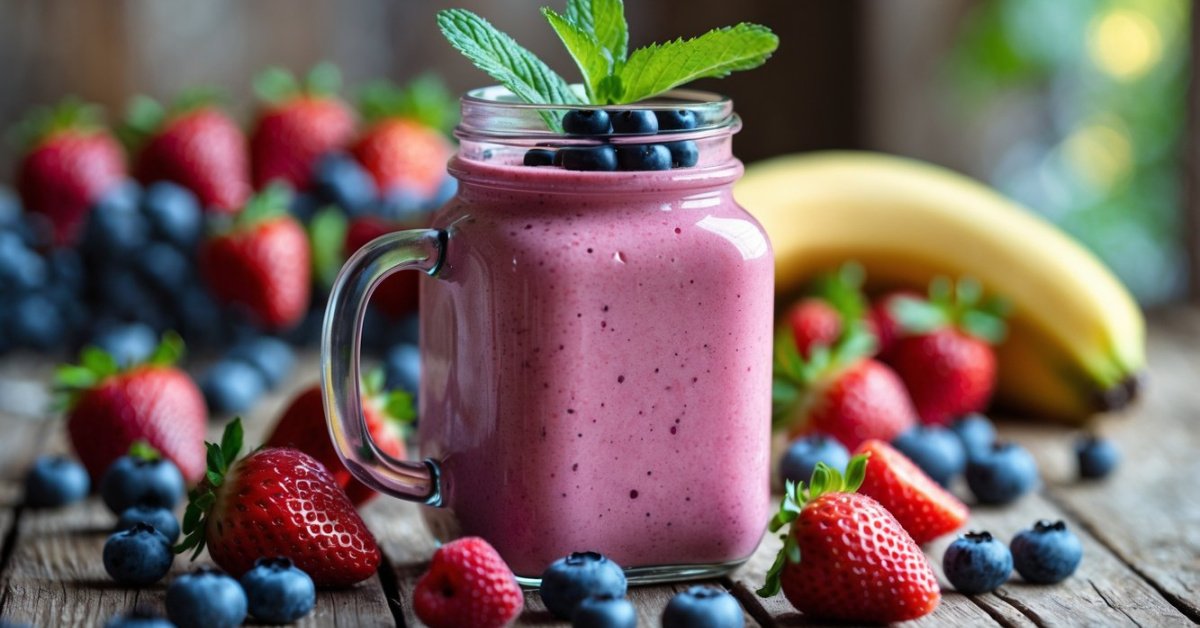

Whenever I reach for an energy shake to jumpstart my day or power through a workout, I always wonder what’s really giving me that boost. Sure, the caffeine and protein get a lot of attention, but there’s another group of nutrients quietly working behind the scenes—B vitamins.
I’ve noticed that most energy shakes highlight B vitamins right on the label. It made me curious about what makes them so important in these drinks. Are they really the secret to feeling more energized, or is it just clever marketing? Let’s take a closer look at the real role B vitamins play in my favorite energy shakes and why they might matter more than I thought.
Understanding B Vitamins and Their Functions
B vitamins drive key processes that support energy in every smoothie and shake I create. B1 (thiamine), B2 (riboflavin), B3 (niacin), B5 (pantothenic acid), and B6 (pyridoxine) help release energy from carbs, fats, and proteins in common ingredients like bananas, oats, and seeds. B7 (biotin), B9 (folate), and B12 (cobalamin) support metabolism and red blood cell production—functions essential for those wanting to feel energized after a homemade shake.
Each B vitamin plays a distinct role in energy metabolism. Thiamine and riboflavin convert glucose from smoothie fruits into ATP, while niacin and pantothenic acid fuel the conversion of food into usable energy for muscles and the brain. Pyridoxine processes amino acids in add-ins like Greek yogurt or nut butter, and biotin supports fatty acid synthesis from ingredients like avocado. Folate and cobalamin help produce red blood cells, improving oxygen transport—especially important when blending iron-rich greens or seeds.
I see top-quality results using whole food sources for B vitamins in my smoothies and shakes. Leafy greens, nuts, dairy, and fortified plant milks all boost B vitamin content while keeping recipes healthy and naturally energizing.
The Importance of B Vitamins in Energy Metabolism
B vitamins power energy metabolism every time I blend a shake or smoothie. My recipes always feel incomplete without these nutrients fueling the conversion of food into usable energy.
How B Vitamins Support Cellular Energy Production
B vitamins drive energy metabolism at the cellular level in energy shakes. I use B1 (thiamine), B2 (riboflavin), B3 (niacin), B5 (pantothenic acid), and B6 (pyridoxine) rich foods to help the body extract energy from carbohydrates, proteins, and fats. These vitamins work inside cells, impacting processes in energy shakes that turn bananas, oats, and seeds into fuel for muscles and minds. For example, B2 and B3 support the electron transport chain, the main power generator in mitochondria. B5 helps form coenzyme A, essential for breaking down fatty acids and supporting energy release.
Differences Between Each B Vitamin’s Role
Each B vitamin in shakes provides a unique function for energy metabolism.
- B1 (Thiamine): Transforms carbs from oats and fruits into usable cellular energy.
- B2 (Riboflavin): Converts food into ATP and maintains red blood cell health in dairy and leafy greens.
- B3 (Niacin): Supports DNA repair and helps with the release of energy from nuts and seeds.
- B5 (Pantothenic Acid): Needed for making coenzyme A in avocados and yogurts, which drives fatty acid metabolism.
- B6 (Pyridoxine): Assists in amino acid metabolism from protein sources like nut butters.
- B7 (Biotin): Helps break down fats and carbs in eggs and seeds for steady energy.
- B9 (Folate): Plays a role in building new cells, especially from leafy greens and citrus.
- B12 (Cobalamin): Found in dairy or fortified plant milks, enables red blood cell formation and nerve function, supporting lasting energy in plant-based shakes.
Including a mix of whole food sources maximizes the unique benefits of each B vitamin for every energy shake I serve.
B Vitamins in Popular Energy Shakes
B vitamins show up across almost every energy shake I’ve made, whether it’s a classic green smoothie or a ready-to-drink energy blend. Their inclusion reflects a focus on boosting metabolism and natural vitality with every sip.
Typical Sources and Dosages
Most popular energy shakes and smoothie recipes pack B vitamins through both whole-food ingredients and fortification. I get B1, B2, B3, B6, and B7 in high amounts from add-ins like oats, bananas, chia seeds, and leafy greens. Plant-based milks and yogurts often have added B12 and B2, since plant foods rarely provide much B12 naturally. Fortified protein powders show up in many commercial shakes, and these nearly always contain the full range of B vitamins.
| Ingredient Type | Common B Vitamins Present | Example Dosage (per serving) |
|---|---|---|
| Oats | B1, B5, B6, B7 | 0.2–0.5 mg (B1) |
| Leafy greens | B9, B2, B6 | 30–80 mcg (B9) |
| Dairy/fortified plant milk | B2, B12 | 0.5–1.2 mg (B2), 1–2.5 mcg (B12) |
| Fortified protein powder | B1, B2, B3, B5, B6, B7, B9, B12 | 50–200% DV (all Bs) |
Comparing Brands and Formulations
When I test or review energy shake brands, I spot big differences in how much and which B vitamins they deliver. Big brands like Boost and Ensure fortify their shakes with up to 100% of the daily value (DV) for most B vitamins per bottle. Clean-label and natural-focused brands lean more on whole foods, often giving around 10–40% DV per serving for certain Bs, mainly from natural sources.
Meal replacement shakes typically include high B12 and B6 content, especially the versions marketed for energy or performance. Green-based smoothies I make in my shop—with spinach, kale, or spirulina—feature strong B9 and B2 content. Brand formulas with “energy” in the name often prioritize higher niacin (B3) and pantothenic acid (B5) levels, which are vital for converting macronutrients to energy.
For anyone making shakes at home, combining oats, seeds, greens, and a splash of fortified plant milk achieves a similar B vitamin profile as many store-bought shakes, but with fresher flavor and more control over quality.
Potential Benefits of B Vitamins in Energy Shakes
B vitamins change how my energy shakes fuel both the body and mind. Every blend I create in my smoothie shop works better when I focus on the right ingredients, especially those packed with B vitamins.
Enhanced Physical and Mental Performance
B vitamins directly improve both physical and mental performance in my shakes. B1, B2, and B3 from oats, spinach, and bananas convert calories to usable energy so I notice sustained stamina, not just an energy spike. B6, found in seeds and avocados, helps metabolize amino acids, which supports my workout recovery and sharpens focus. B9 and B12 from leafy greens and fortified plant milk back healthy nerve function and support mood, which matters for clients who want brainpower along with endurance in their blends.
Addressing Deficiencies and Daily Needs
Including B vitamins in my shakes helps fill common nutritional gaps. Many people don’t meet the daily values for B6 or B12—especially those on plant-based diets. For every energy shake, I mix in fortified almond milk or nutritional yeast to achieve up to 100% of the recommended daily value for several B vitamins in a single serving. My focus on whole foods like seeds and nuts, along with smart fortifications, means my homemade blends offer comprehensive nutrition for everyday energy, rather than just quick fixes.
Considerations and Possible Side Effects
B vitamins play key roles in energy shakes, but using them wisely matters for both flavor and wellness. When I build smoothies for my shop or at home, I always think about balance, especially with fortified or supplemented blends.
Overconsumption and Toxicity Risks
Taking B vitamins from foods like oats, seeds, and greens rarely causes issues, but stacking high-dose supplements or heavily fortified ingredients can. Fat-soluble B vitamins like B12 generally don’t store up and cause problems, but water-soluble types—especially B3 (niacin) and B6 (pyridoxine)—can create toxicity symptoms if used well above recommended amounts. High niacin intake, for example, may cause flushing and gastrointestinal discomfort, while excess B6 sometimes leads to nerve damage or tingling. The National Institutes of Health (NIH) lists tolerable upper intake levels for many B vitamins:
| B Vitamin | Tolerable Upper Intake (adults, mg/day) |
|---|---|
| Niacin (B3) | 35 |
| B6 | 100 |
Smoothie recipes combining multiple fortified foods or supplements can reach or exceed these levels quickly.
Who Should Be Cautious When Supplementing
Some people in my community watch B vitamin intake more closely. Pregnant or breastfeeding individuals must avoid excess, especially with B6 and folate, since too much can affect fetal development. Folks with kidney or liver conditions process B vitamins differently, so supplements might stress their organs. Individuals on medications like anticonvulsants or certain antibiotics check with healthcare providers before boosting B vitamin intake, since interactions may occur. Plant-based eaters often need to supplement B12, as natural sources are rare in vegan foods, but I recommend using moderate doses or fortified plant milks for safety and balance.
Choosing diverse whole food sources and keeping supplement doses in check supports safe, sustainable energy shakes for everyone making them at home.
Conclusion
I’ve found that B vitamins deserve a lot more attention when it comes to crafting energy shakes that really work for my body and mind. It’s not just about the quick buzz from caffeine or the muscle support from protein—B vitamins bring a steady kind of energy that supports my day from the inside out.
Balancing whole foods and smart fortifications lets me personalize my shakes for better nutrition and flavor. By staying mindful of both the benefits and the limits, I can enjoy shakes that fuel my goals without overdoing it.