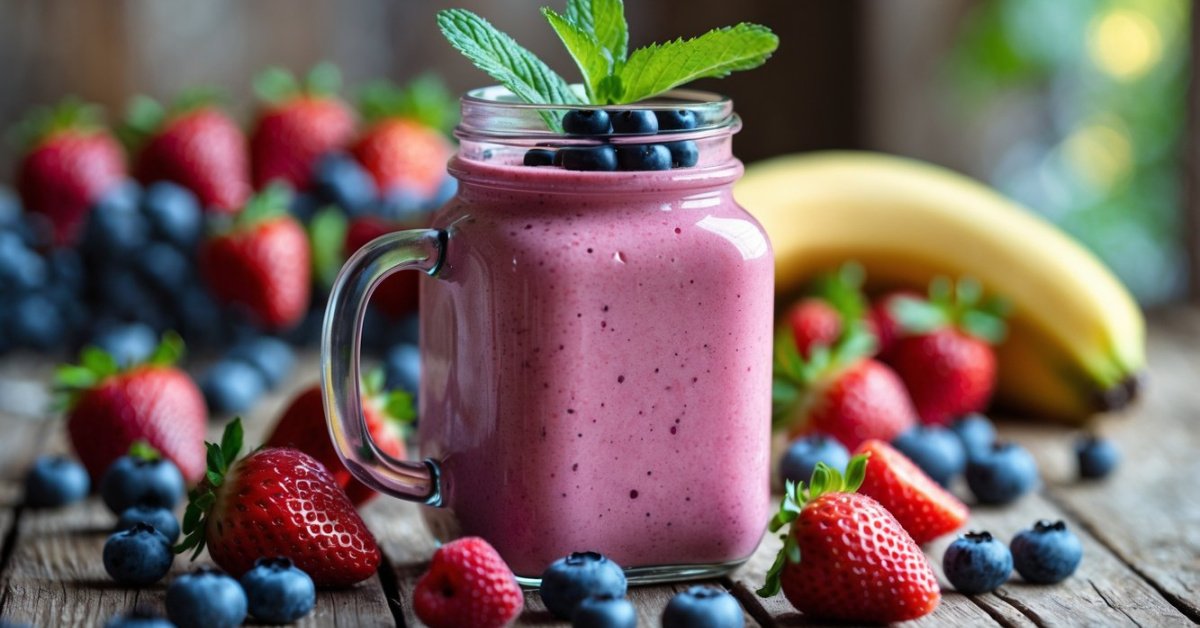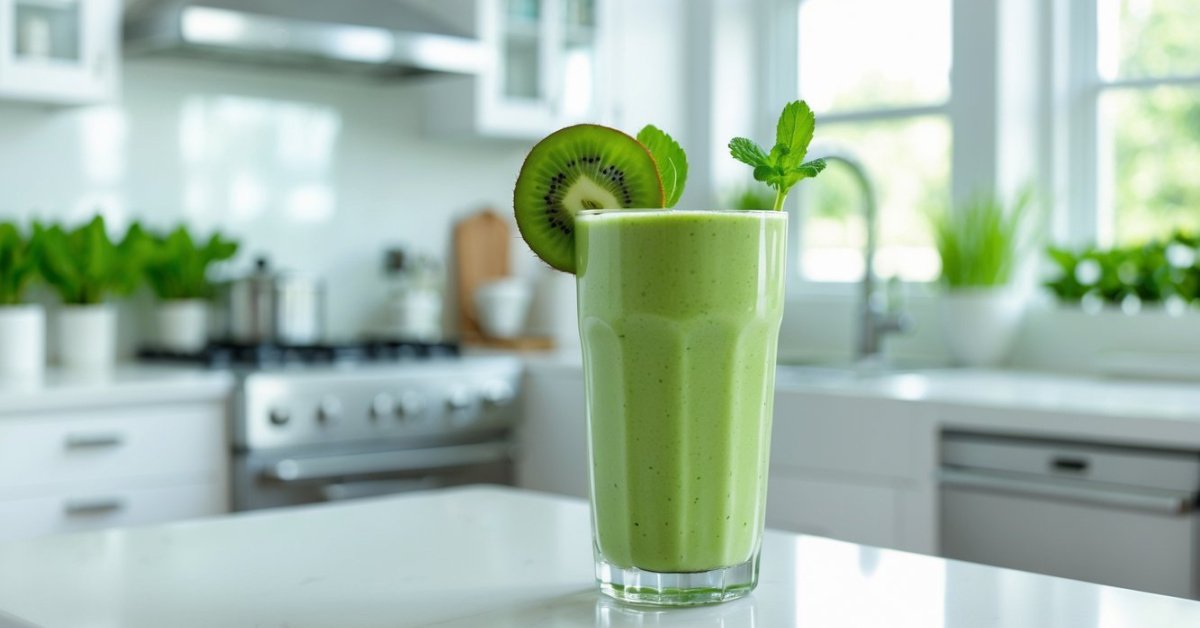
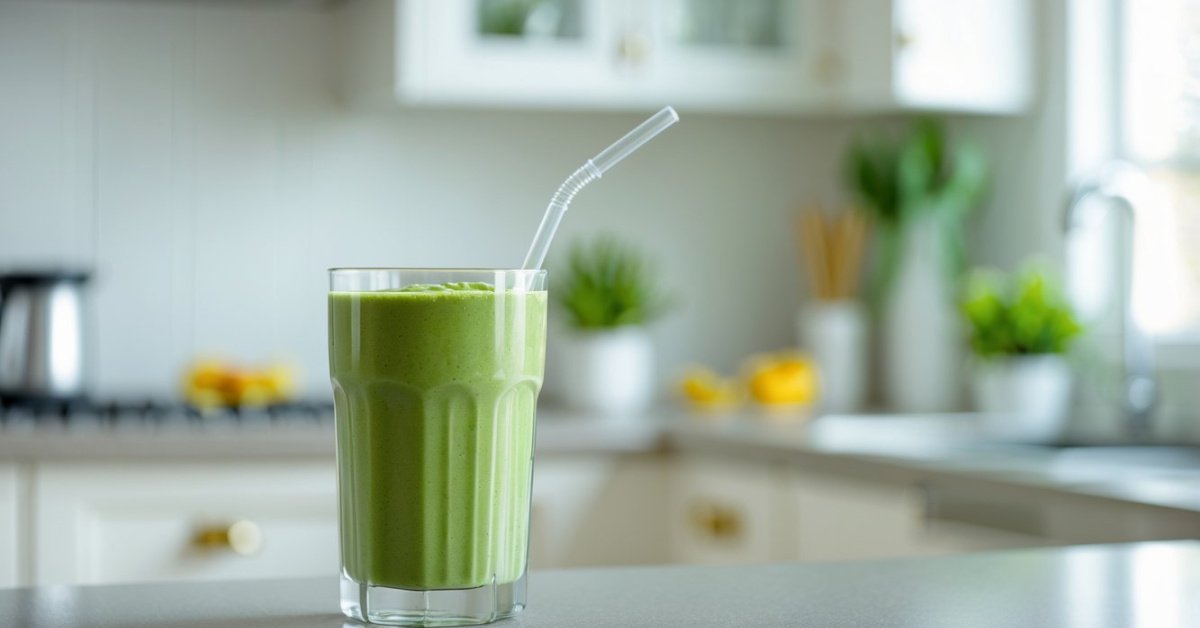
After a tough workout I know how tempting it is to grab a cold sports shake and hope it’ll speed up my recovery. There’s something satisfying about that first sip especially when I’m exhausted and drenched in sweat. But beyond the taste and coolness I’ve started to wonder what’s really in these shakes that helps my body bounce back.
Electrolytes keep popping up on the labels and in conversations with fellow athletes. I’ve heard they’re essential for recovery but I’ve always wanted to dig a little deeper into why they matter so much. If you’re curious about how electrolytes fit into your post-workout routine you’re definitely not alone.
Understanding Electrolytes and Their Role in Recovery
Electrolytes help keep my smoothies and recovery shakes effective for post-exercise hydration. These charged minerals play a crucial role in how the body bounces back after workouts.
What Are Electrolytes?
Electrolytes are minerals that carry an electric charge in the body. I use ingredients high in key electrolytes like sodium, potassium, magnesium, and calcium—examples include coconut water, spinach, and bananas. These minerals help muscles contract, nerves function, and fluid balance stay in check. In my experience, adding natural sources of electrolytes to homemade shakes supports better ingredient absorption and enhances overall taste.
Why Athletes Need Electrolytes After Exercise
Athletes lose electrolytes through sweat during intense activity. I always add ingredients rich in sodium and potassium when making post-workout shakes—examples are sea salt and oranges—because these electrolytes replace what’s lost and prevent muscle cramps or fatigue. When the body lacks the proper electrolyte balance, dehydration and slower recovery can follow. My favorite recipes prioritize electrolyte content to help customers and home smoothie makers restore hydration and support muscle repair after exercise.
Types of Electrolytes Commonly Found in Recovery Shakes
Recovery shakes I blend in my shop always highlight electrolytes for hydration and muscle function. Four charged minerals show up most in popular recipes and commercial blends.
Sodium and Potassium
Sodium and potassium help maintain fluid balance post-workout. Sodium supports nerve signals and muscle responsiveness—essential after sweating. Sea salt and electrolyte-specific powders boost sodium in homemade blends. Potassium aids muscle contractions and lessens cramping. Bananas, coconut water, and spinach increase potassium without added sugar or fillers, keeping shakes both wholesome and flavorful.
Magnesium and Calcium
Magnesium and calcium play key roles in muscle recovery and bone health. Magnesium calms nerves and reduces exercise-induced cramps. I prefer using pumpkin seeds, chia seeds, or spinach to raise magnesium levels naturally in each smoothie. Calcium repairs muscles and keeps bones strong, which supports an active post-workout lifestyle. Greek yogurt, fortified plant milks, and almonds enrich shakes with bioavailable calcium, delivering both texture and nutrition for recovery-focused blends.
How Electrolytes Enhance Sports Recovery Shakes
Electrolytes in sports recovery shakes give every blend a powerful boost for post-workout benefits. I focus on great sources of these vital minerals in my recipes to help support rehydration, muscle function, and keep each shake both flavorful and functional.
Hydration and Muscle Function
Electrolytes drive quick hydration after exercise by balancing fluid levels inside and outside muscle cells. My favorite combos—coconut water, banana, and a pinch of sea salt—keep shakes rich in potassium and sodium. These minerals replace what gets lost in sweat and support muscle contraction so muscles re-energize faster. I always see the difference when customers leave after a heavy workout with one of my shakes: refueling with these key electrolytes helps them feel more refreshed and ready for the next session.
Prevention of Cramps and Fatigue
Electrolytes like potassium and magnesium limit post-workout cramping and reduce fatigue. Spinach, chia seeds, and Greek yogurt go into my recovery shakes so each sip delivers magnesium and calcium for muscle repair and nerve function. Customers often tell me how cramps and lingering tiredness decrease with electrolyte-rich shakes after tough training. By crafting every shaker bottle with balanced minerals, I know I’m helping people avoid the most common post-exercise complaints, making recovery smoother and more comfortable for anyone blending at home.
Comparing Popular Sports Recovery Shakes
I compare sports recovery shakes every day in my smoothie shop, always focused on the electrolyte balance and ingredient quality in each blend. Home shake makers look for options that taste great and actually support muscle recovery after exercise.
Key Electrolyte Ingredients
Most popular sports recovery shakes use sodium, potassium, magnesium, and calcium as main electrolyte sources. Ready-to-drink brands often include sodium chloride and potassium citrate, with Gatorade Recover and Powerade Zero examples using processed forms. Whole-food smoothies made at home usually feature sea salt, bananas, and coconut water for sodium and potassium, plus spinach, Greek yogurt, pumpkin seeds, and chia seeds for magnesium and calcium.
| Shake Type | Sodium Source | Potassium Source | Magnesium Source | Calcium Source |
|---|---|---|---|---|
| Gatorade Recover | Sodium chloride | Potassium citrate | No significant | No significant |
| Powerade Zero | Sodium chloride | Potassium phosphate | No significant | No significant |
| Homemade coconut-banana | Sea salt | Banana, coconut water | Chia seeds | Greek yogurt |
| Homemade green blend | Sea salt, spinach | Banana, spinach | Pumpkin seeds | Fortified plant milk |
Effectiveness and Taste
Electrolyte-rich shakes differ in performance, largely due to the way ingredients absorb and flavors blend. Ready-made shakes like Gatorade and Powerade provide a fast sodium-potassium boost but use artificial flavors and sweeter profiles that might not appeal to everyone. My homemade blends, like coconut water-banana or spinach-pumpkin seed, maximize both mineral content and freshness in taste. The coconut water version carries more natural sweetness and hydrates well after long runs, while a green blend with spinach and seeds feels earthier, richer in magnesium, and supports deeper muscle recovery.
Customers often say my electrolyte-focused shakes leave them feeling refreshed, without the heavy aftertaste of some sports drinks. If you’re making shakes at home, you control the flavor intensity and nutritional profile, with fresh or minimally processed ingredients making the biggest difference in taste and recovery satisfaction.
Choosing the Right Electrolyte Shake for Your Needs
Crafting the ideal electrolyte shake at home gives me complete control over taste and nutrition. I always match ingredient choices to my recovery goals, considering each workout and dietary preference.
Factors to Consider
I tailor my shakes to the workout’s intensity and duration. After heavy sweat sessions—think running, HIIT, or hot yoga—I boost sodium and potassium in my blends using coconut water, a pinch of sea salt, and banana. For lighter workouts, I stick with leafy greens, berries, and unsweetened plant milks, since I lose fewer minerals.
I also check for dietary restrictions and preferences. I use Greek yogurt and chia seeds if I want more calcium and protein. For plant-based shakes, I add almond milk and pumpkin seeds for magnesium and calcium. I always prioritize unprocessed, whole-food ingredients to maximize flavor and nutritional quality.
Taste matters as much as nutrition. I test different ingredient combos in my shop—sweetness from fruit, subtle saltiness from sea salt, and mild bitterness from leafy greens. This balance keeps flavors refreshing and satisfying.
Recommended Timing and Usage
I blend and drink my electrolyte shakes within 30 minutes of finishing a workout if I want optimal recovery benefits. If I’m hydrating before exercise, I cut back on rich ingredients and stick to lighter blends—coconut water, spinach, or citrus—for easy digestion.
For endurance activities lasting over an hour, I sometimes break up servings and sip my shake in intervals, helping maintain mineral balance throughout. At my shop, I always suggest pairing electrolyte shakes with a small snack, like a handful of nuts, for sustained energy when recovery goes beyond hydration alone.
Conclusion
When I started paying attention to electrolytes in my post-workout shakes I noticed a real difference in how quickly I bounced back after tough sessions. Making my own blends lets me choose ingredients that taste great and deliver the minerals my body needs most.
Experimenting with flavors and natural sources keeps things interesting and helps me stay consistent with my recovery routine. If you haven’t tried an electrolyte-rich shake after your next workout you might be surprised at how much better you feel.