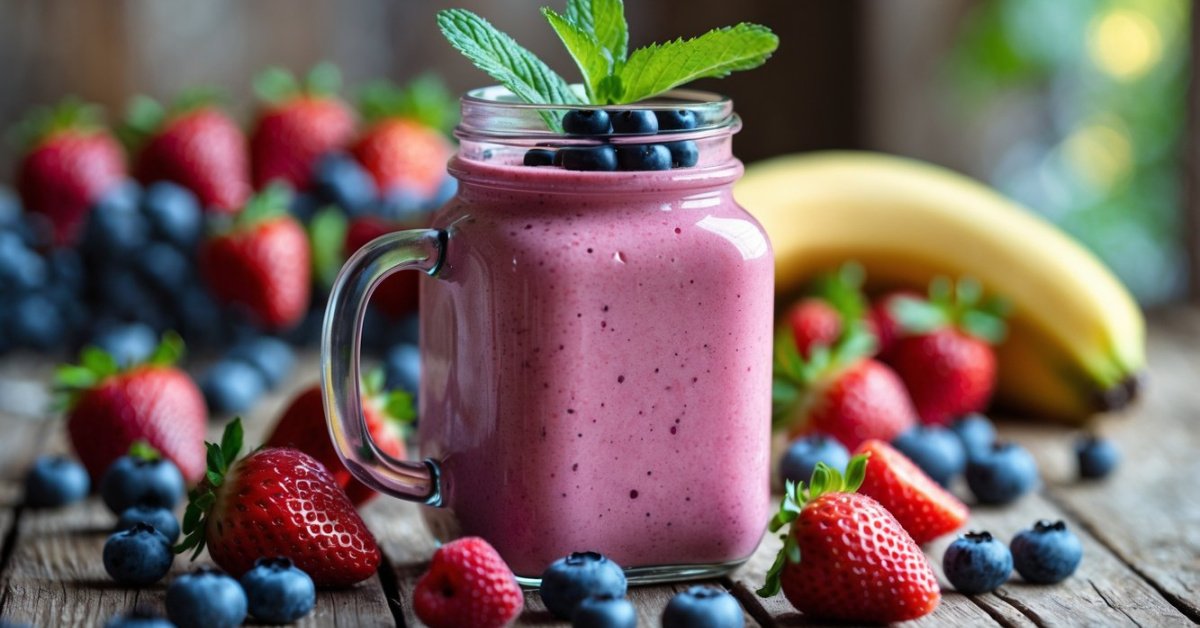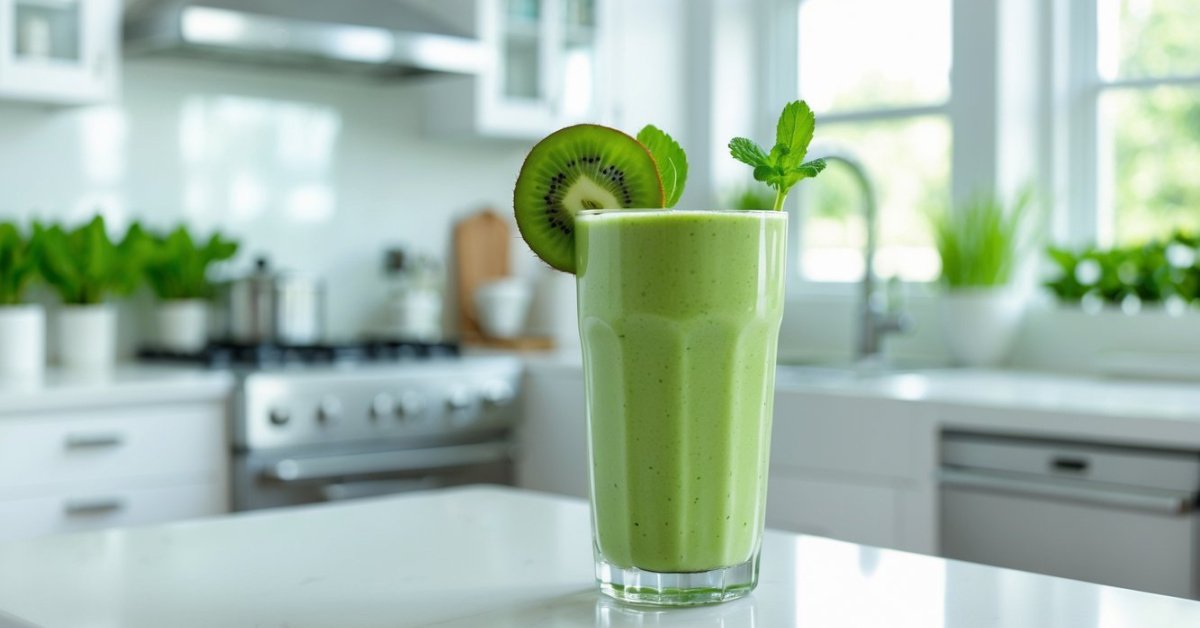
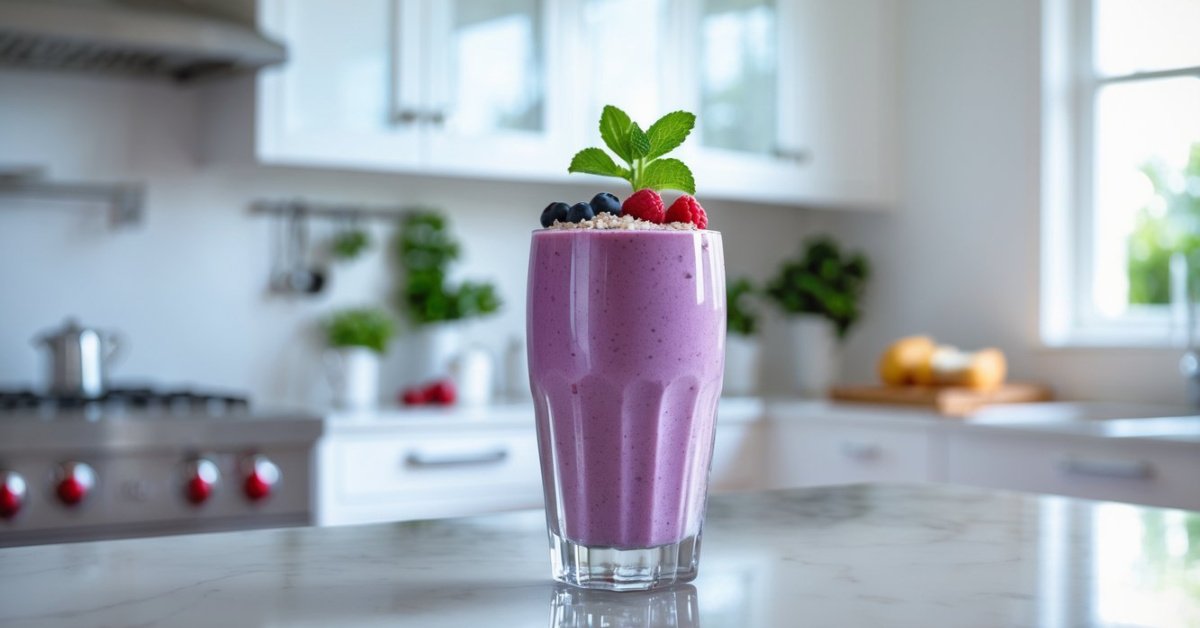
I’ve always loved starting my day with a colorful smoothie. It’s not just about the taste or the energy boost—it’s also about how good I feel afterward. Over time I noticed that adding the right ingredients seemed to ease some of my everyday aches and helped me recover faster after workouts.
Turns out smoothies can do more than just satisfy a sweet tooth. Packed with fruits veggies and other powerful foods they can actually help fight inflammation in the body. If you’re curious about how sipping on a smoothie can support your health you’re in the right place.
Understanding Inflammation and Its Impact on Health
Inflammation, as I see it in my daily work at the smoothie shop, signals the body’s natural response to injury or infection. Acute inflammation defends against irritants, like a scraped knee or a cold. Chronic inflammation, found in conditions such as arthritis and heart disease, keeps the body in a prolonged defensive state.
Lasting inflammation influences energy levels, sometimes causing fatigue after intense workouts. I watch customers choose ingredients with anti-inflammatory benefits, like pineapple or ginger, to help their bodies recover and feel less sore. Research shows that chronic inflammation can raise the risk of diabetes, cancer, and even cognitive decline (source: Harvard Health Publishing).
Inflammatory processes often respond to what I add to smoothies. Sugary foods and processed oils found in many packaged snacks increase markers of inflammation. Antioxidant-rich fruits and leafy greens, available at my shop, support the body’s defense against oxidative stress—a key factor in unwanted inflammation.
Offering ingredients that address inflammation lets me help customers create shakes that taste good while supporting their long-term health. People who use anti-inflammatory foods in their daily drinks often report fewer aches, steadier energy, and an easier path to meeting fitness goals.
Key Anti-Inflammatory Ingredients in Smoothies
I use specific anti-inflammatory ingredients in my smoothies to help customers get the most health benefits in every glass. Certain fruits, vegetables, herbs, and healthy fats combine to fight inflammation while adding great flavor and texture.
Fruits and Berries
I add fruits and berries like blueberries, cherries, and pineapple to nearly every anti-inflammatory smoothie. Blueberries provide anthocyanins, cherries deliver polyphenols, and pineapple offers bromelain—each reduces markers of inflammation according to studies published in “Advances in Nutrition” and the “Journal of Medicinal Food.” Mango and orange slices also contain high vitamin C content, which supports immune response and decreases oxidative stress.
Leafy Greens and Vegetables
I include leafy greens such as spinach, kale, and swiss chard in many recipes. Spinach contains vitamin K, kale offers glucosinolates, and swiss chard brings magnesium—nutrients that help regulate inflammatory pathways as identified by the Arthritis Foundation. I sometimes use cucumbers and carrots, as both contain antioxidants that calm swelling and brighten any smoothie.
Spices and Herbs
I blend spices and herbs like ginger, turmeric, and cinnamon for their anti-inflammatory activity. Turmeric provides curcumin, which suppresses pro-inflammatory molecules, according to findings in “Phytotherapy Research.” Ginger blocks inflammatory enzymes, and cinnamon reduces cytokines. By adding fresh mint or parsley, I boost both the taste and polyphenol content.
Healthy Fats and Seeds
I rely on healthy fats and seeds—chia seeds, flaxseed, hemp hearts, and walnuts—to make smoothies creamy and satisfy hunger longer. Chia and flaxseed contain alpha-linolenic acid, a plant-based omega-3 that decreases inflammation as noted by Harvard Health. Walnuts contribute polyphenols, while hemp hearts provide a complete amino acid profile to support muscle recovery after workouts.
How Smoothies Reduce Inflammation
Smoothies deliver a direct blend of anti-inflammatory compounds, rich nutrients, and hydration in every glass. I see customers experience less soreness and feel more energized as they choose blends that target inflammation.
Mechanisms Behind Anti-Inflammatory Effects
Whole foods loaded into smoothies change how the body responds to inflammation. I combine colorful berries, pineapple, leafy greens, and seeds to supply antioxidants — molecules that neutralize free radicals linked to chronic inflammation. For example, polyphenols in blueberries interrupt pathways that trigger inflammatory responses. Vitamin C from oranges and pineapple lowers oxidative stress, while gingerols from fresh ginger root curb pain signals and reduce joint swelling. I blend turmeric for curcumin, which blocks key steps in the body’s inflammation process.
| Ingredient | Key Compound | Anti-Inflammatory Action |
|---|---|---|
| Blueberries | Polyphenols | Reduces oxidative stress markers |
| Pineapple | Vitamin C | Supports tissue repair |
| Ginger | Gingerols | Inhibits pro-inflammatory enzymes |
| Turmeric | Curcumin | Blocks inflammatory signaling |
| Spinach | Flavonoids | Regulates immune response |
Importance of Nutrient Synergy in Smoothies
Ingredient synergy in smoothies enhances the anti-inflammatory effects more than any single food alone. When I blend mango with spinach and flaxseed, their vitamins, minerals, and healthy fats work together to improve absorption and maximize benefits. For example, vitamin E in almonds boosts the action of vitamin C. Omega-3s from chia or walnut pieces make it easier for compounds in greens to reach cells that line blood vessels. My most popular recipes combine nuts, seeds, and leafy greens to achieve this natural synergy, helping customers build routines that encourage joint comfort and quicker workout recovery. Healthy shakes turn everyday ingredients into powerful partners that tame inflammation from all angles.
Practical Tips for Making Anti-Inflammatory Smoothies
Smoothies pack anti-inflammatory power when I use the right balance of fruits, greens, healthy fats, and anti-inflammatory boosters. I always focus on nutrient quality and simplicity for easy, effective blends.
Ingredients to Include and Avoid
Including anti-inflammatory ingredients makes a big difference in smoothie effectiveness.
- Include:
- Berries: I use blueberries, strawberries, and tart cherries for their high anthocyanin content and polyphenol antioxidants.
- Leafy Greens: I add fresh spinach, kale, and swiss chard, which contain vitamin K, magnesium, and carotenoids.
- Healthy Fats: I blend in avocado, chia seeds, and walnuts for omega-3s and a creamy texture.
- Spices: I boost flavor and inflammation-fighting properties with fresh ginger, turmeric root, and a pinch of cinnamon.
- Plant-Based Milks: I pick unsweetened almond or flax milk to reduce added sugars and keep flavors light.
- Avoid:
- Sugary Yogurts or Juices: I skip these to prevent blood sugar spikes and counterproductive inflammation.
- Sweetened Protein Powders: I select neutral, unsweetened, plant-based proteins when I want extra protein.
- High-FODMAP Fruits: I limit apples and pears in blends for anyone with digestive sensitivities.
Sample Recipes to Try
These blends offer balanced anti-inflammatory nutrition with flavors my smoothie shop customers love.
Tropical Greens Refresher
- 1 cup fresh pineapple
- 1 cup spinach
- 1/2 avocado
- 1-inch fresh ginger
- 3/4 cup unsweetened coconut water
- Optional: 1 tablespoon chia seeds
Berry Beet Recovery
- 3/4 cup frozen blueberries
- 1/2 cup tart cherry juice (no added sugar)
- 1/2 small cooked beet
- 1 cup kale
- 1 cup unsweetened almond milk
- 1/2 teaspoon cinnamon
- 1 small banana
- 1/2 cup frozen mango
- 1/2 teaspoon turmeric
- 2 tablespoons walnuts
- 1 cup unsweetened oat milk
- Sprinkle black pepper for turmeric absorption
I combine familiar produce with functional ingredients for smoothies that taste great and support a healthy inflammatory response. My shop always stocks ripe fruit, fresh greens, and high-quality add-ins for optimal anti-inflammatory benefits.
Potential Limitations and Considerations
Smoothies sometimes fall short of reducing inflammation if they’re high in added sugars or processed ingredients. I often see people add flavored yogurts or sweetened nut milks, which spike blood sugar and may worsen inflammation. Even fruit-heavy blends—like those with only bananas, mangoes, or pineapples—bring in lots of natural sugar. I balance these by adding greens, seeds, and healthy fats.
Portion sizes matter. Customers often use oversized blender cups, but a balanced serving usually fills an 8- to 12-ounce glass. Larger servings can mean excessive calories, especially when adding nut butters or higher-calorie milks.
Blending reduces chewing time, which may affect satiety and how the body absorbs nutrients. I suggest sipping a smoothie slowly and paying attention to fullness cues.
Food sensitivities or allergies create additional considerations. Ingredients like nuts, soy, or dairy alternatives sometimes cause digestive upset or allergic reactions. I always check for allergies before recommending recipes.
Smoothies rarely replace whole meals for everyone. They add variety, but relying on them too heavily might limit fiber and micronutrient diversity found in whole foods, especially if skipping salads or cooked vegetables.
Digestive conditions—like IBS—require customized recipes. Some fruits and veg, such as apples, pears, or large amounts of raw spinach, contain FODMAPs or oxalates, possibly triggering symptoms. I work with customers to choose ingredients that suit their needs.
Supplements—like protein powders or greens powders—sometimes contain additives or sweeteners. I read labels carefully and tend to recommend unflavored or minimally processed options for anti-inflammatory smoothies.
Here’s a quick overview of key limitations and considerations:
| Limitation | Example Context |
|---|---|
| High added sugars | Flavored yogurts, sweetened plant milks, honey |
| Excessive calories | Large servings, nut butters, full-fat coconut milk |
| Food sensitivities | Almonds, peanuts, soy milk |
| Reduced satiety | Liquid meals versus solid foods |
| Restricted diversity | Replacing whole meals with smoothies too often |
| Digestive triggers | High-FODMAP fruits, raw greens high in oxalates |
| Supplement additives | Artificial sweeteners, preservatives in protein powders |
Every smoothie I make aims for balance and satisfaction while considering individual needs and preferences.
Conclusion
Smoothies have become one of my favorite ways to support a healthy lifestyle and manage inflammation naturally. I love how easy it is to blend up a mix of vibrant produce and nourishing add-ins that taste great and help my body feel its best.
With a little creativity and attention to ingredient choices it’s simple to craft smoothies that fit your unique needs and preferences. Whether you’re looking for a post-workout boost or just want to add more antioxidants to your day smoothies are a delicious and practical addition to any wellness routine.