I know the feeling of gearing up for a workout and wanting that extra boost to power through. Sometimes a simple meal just doesn’t cut it and that’s where energy shakes come in. They promise quick fuel and convenience but what’s really behind their popularity?
I’ve always been curious about what goes into these shakes and how they can actually impact my performance. Are they just another fitness trend or do they really help me get the most out of my workout? Let’s dive into the world of pre-workout nutrition and see what makes these energy shakes so appealing.
Understanding Pre-Workout Nutrition
Balanced nutrition before exercise supports energy, endurance, and recovery during any workout. As the owner of a smoothie shop and a daily shake maker, I select each ingredient for its nutritional impact and functional benefits, especially for clients preparing for physical activity.
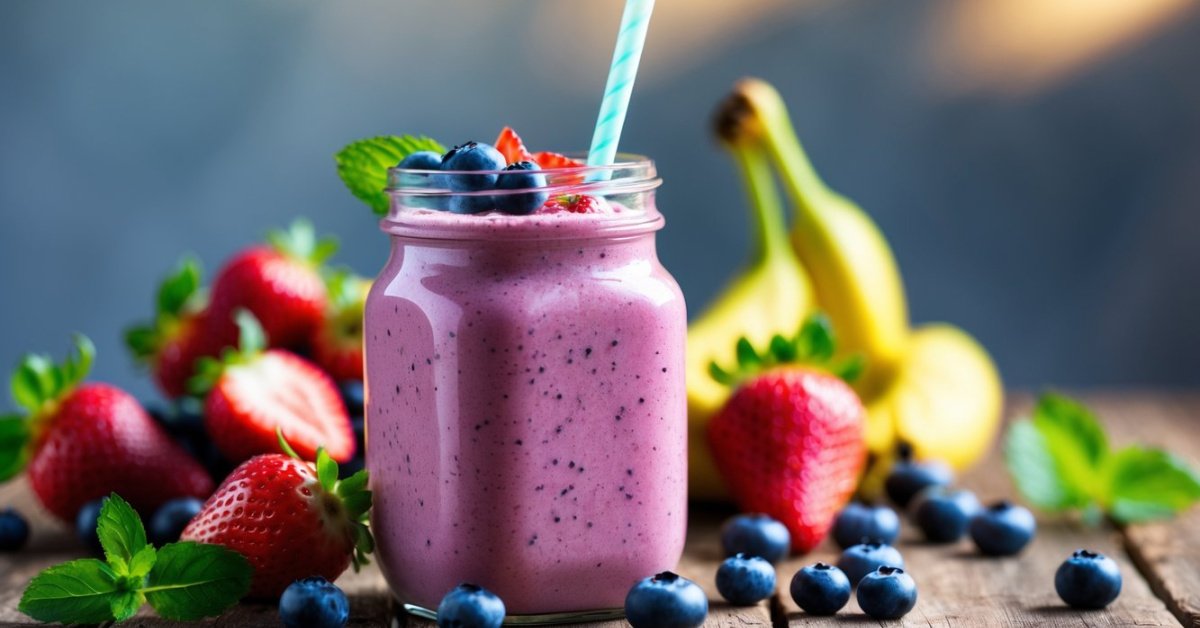
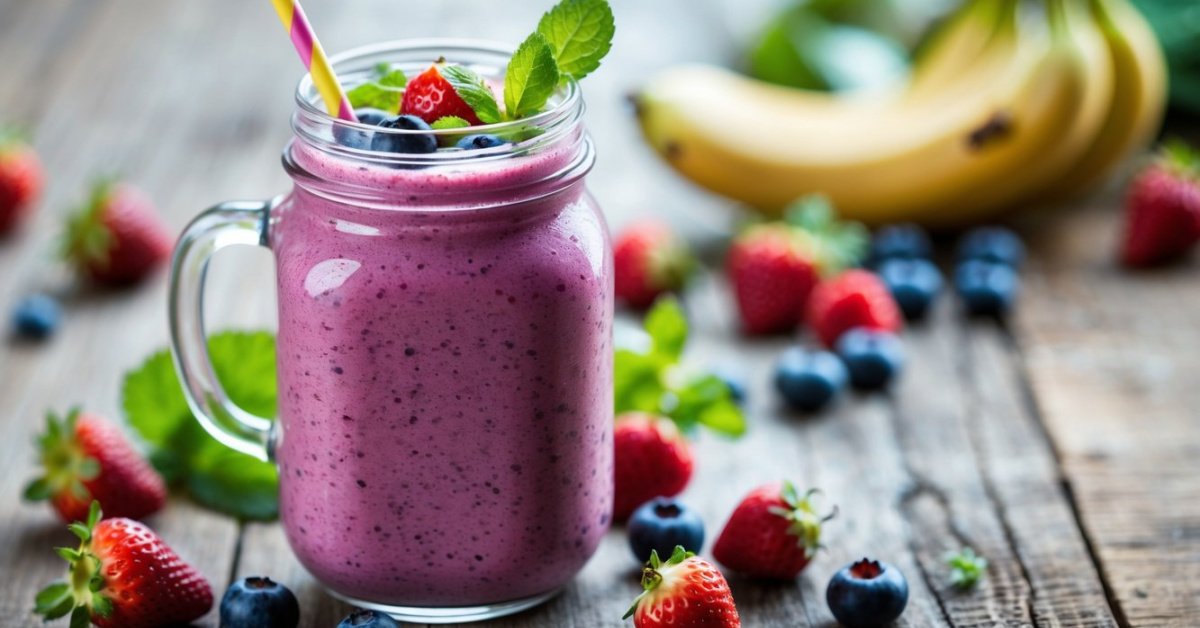
Carbohydrates provide quick energy. For every shake, I include fruits like bananas or berries that supply natural sugars and offer fast fuel for the muscles. Proteins contribute amino acids, supporting muscle maintenance and repair. I add Greek yogurt, whey protein, or plant-based powders to most recipes to supply this macronutrient. Fats deliver sustained energy in longer sessions. Ingredients such as chia seeds or almond butter help extend energy release and add satiety.
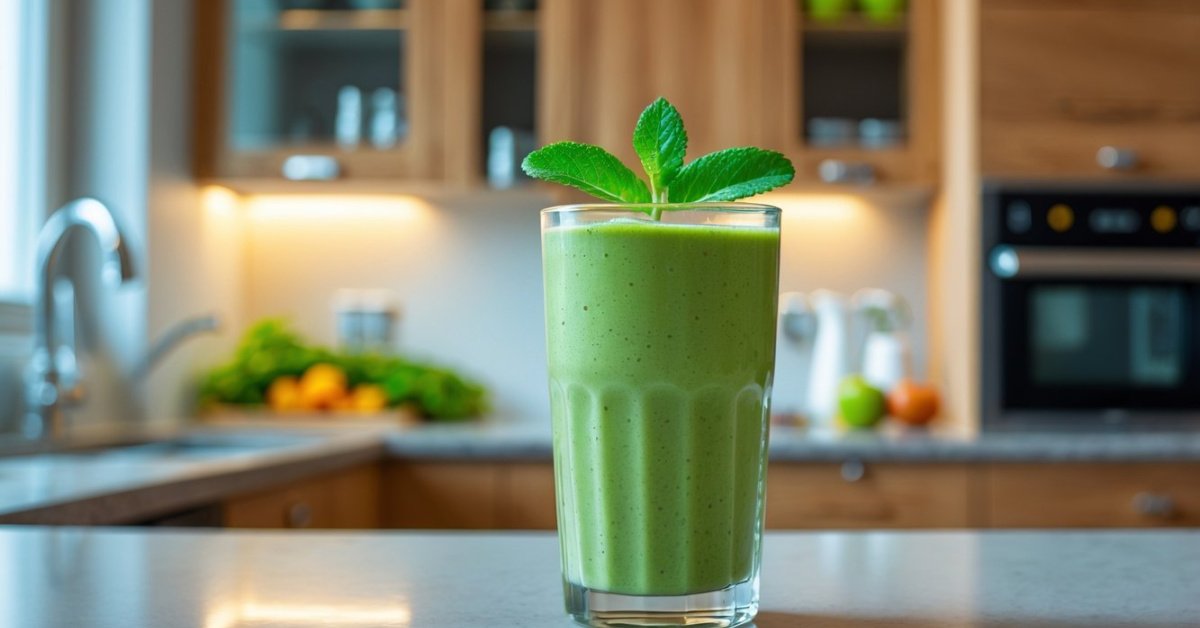
Micronutrients influence workout quality. Spinach, kale, or berries provide magnesium, potassium, and antioxidants that help prevent cramping and aid recovery. Fluids matter as well. I blend in coconut water or 100% juice for hydration and added electrolytes, emphasizing the role of liquid balance in workout performance.
Effective pre-workout shakes balance carbohydrates, protein, fats, micronutrients, and hydration. My approach prioritizes fresh ingredients and customizes blends for timing and training goals. For optimal results, I suggest drinking your energy shake 30 to 60 minutes before activity, matching shake composition to your personal needs and workout intensity.
Key Nutrients in Energy Shakes
Selecting the best ingredients for energy shakes makes every pre-workout blend more effective. My focus stays on quality and nutrient balance to boost workout energy and recovery.
Carbohydrates and Energy Levels
Carbohydrates serve as the main energy source in my pre-workout shakes. I use quick-digesting carbs like bananas, honey, or mango to raise blood sugar efficiently for fast energy, especially during morning workouts. Complex carbs such as oats or sweet potatoes help sustain that energy when workouts last 45 minutes or longer.
Protein for Muscle Support
Protein gives my shakes a muscle-protective boost. Greek yogurt, plant-based protein powder, or low-fat milk are protein sources I add for muscle repair support when training intensely. Each serving usually offers 10-20 grams, improving muscle recovery right after exercise.
Electrolytes and Hydration
Electrolytes prevent unwanted dehydration or cramping. I blend in coconut water, chia seeds, or a pinch of sea salt for sodium, potassium, and magnesium. These ingredients help support fluid balance pre-workout, especially if I’m training in warm weather or sweating more than usual.
Vitamins and Other Enhancers
Vitamins and enhancing ingredients amplify my shakes’ nutritional quality. I add spinach, frozen berries, or citrus for vitamin C and antioxidants, which help combat workout-induced stress. Boosters like ginger or turmeric root provide anti-inflammatory benefits. These small additions support overall workout performance and recovery.
Benefits of Pre-Workout Energy Shakes
- Enhanced Workout Energy
I maximize workout energy by creating energy shakes that combine fast and slow-digesting carbs, like bananas and rolled oats. These blends help keep my energy steady from warm-up to cool-down if I drink them 30 to 60 minutes before activity.
- Improved Endurance and Stamina
I support endurance and stamina with shakes that use honey and coconut water for rapid fuel and hydration. These ingredients reduce fatigue during intense routines like HIIT or long-distance runs.
- Faster Muscle Recovery
I include Greek yogurt or plant-based proteins in pre-workout shakes, with each serving delivering at least 10 grams of protein. This approach lets my muscles recover more quickly, especially after heavy resistance training.
- Better Hydration and Electrolyte Balance
I use coconut water, chia seeds, and fresh fruits to deliver natural electrolytes, supporting hydration and preventing cramping. This balance matters in hot environments or workouts over 45 minutes.
- Convenient and Customizable Nutrition
I quickly prepare energy shakes that match different diets and preferences, like dairy-free or nut-free options. Customers can choose base liquids and toppings, creating tailored blends that align with their goals.
- Boosted Micronutrient Intake
I rotate superfoods like spinach, berries, and ginger into shakes to raise antioxidant and vitamin content. This practice helps reduce inflammation and supports immune health, making each shake a proactive step in overall wellness.
How to Choose the Right Energy Shake
Picking the best energy shake can boost both your enjoyment and your workout performance. I rely on a few essential methods to help my customers and myself select the most effective and delicious pre-workout blends.
Evaluating Ingredient Lists
I always start by checking each energy shake ingredient list for quality and function. Whole-food ingredients like bananas, berries, spinach, oats, chia seeds, Greek yogurt, and coconut water bring both energy and nourishment. I avoid artificial sweeteners, high-fructose corn syrup, or unnecessary additives since these can disrupt energy levels or overpower flavors. I look for shakes with 15-30 grams of carbohydrates (for quick or sustained fuel), 10-20 grams of quality protein (from Greek yogurt or clean protein powder), and electrolytes (from coconut water or fruit) to maintain hydration and muscle function. If the ingredient list is clear, simple, and focused on real food, I know the shake can support both taste and workout results.
Considering Dietary Restrictions
I make sure every energy shake option can fit common dietary restrictions and preferences. For dairy-free shakes, I swap in almond milk, coconut milk, or plant-based protein powders. For gluten-free blends, I use certified gluten-free oats and carefully check supplementary powders or flavorings. I keep nut allergies top of mind by offering sunflower seed butter or avoiding nuts in house blends. If someone’s vegan, I only use plant-based proteins and avoid honey, opting instead for maple syrup or agave for sweetness. By tailoring shakes to each individual’s needs, I make it possible for everyone to find a nourishing, energizing option.
Timing and Consumption Tips
I center my pre-workout shake timing around digestion speed and individual comfort. Lighter shakes with mostly fruit, coconut water, and fast-absorbing carbs work best about 30–45 minutes before training. Heavier smoothies with oats, nut butters, or Greek yogurt settle easier if I enjoy them 60–90 minutes pre-workout, especially when my workout involves high intensity or longer endurance.
I always blend shakes fresh for optimal texture and nutrient content. If I prep ahead, I store the shake in an airtight container in the fridge for up to 12 hours, but I shake or stir it before drinking since separation happens naturally.
Hydration matters as much as nutrients. I drink a glass of water alongside my shake to stay fully hydrated before exercise—especially when I choose thicker or higher-protein recipes.
I watch my portion sizes to avoid feeling sluggish or overly full. For me and my customers, 12–16 ounces of smoothie offers ample nutrition without weighing down workouts.
I try to avoid high-fiber or ultra-protein shakes right before a workout, since slower digestion can cause discomfort. If I include seeds, leafy greens, or extra protein powder, I give myself more time to digest.
I advise experimenting with timing and recipe compositions to see what feels best. Everybody’s digestive rhythm differs, and tracking energy levels, fullness, and performance helps dial in the best pre-workout shake routine for any active lifestyle.
Potential Drawbacks and Considerations
Making energy shakes at home offers control over every ingredient, but some potential drawbacks and factors need attention if I want the smoothie to serve as effective pre-workout nutrition.
- Overconsumption of Sugar
Blending bananas, honey, juice, or sweetened protein powder can push a shake’s sugar content above 25 grams per serving. This spike often delivers quick energy but leaves blood sugar crashing mid-workout for some people.
- Digestive Discomfort
Including too much fiber from greens, seeds, or whole grains sometimes leads to bloating or cramping, especially if I drink the shake less than 30 minutes before intense activity.
- Allergies and Sensitivities
Using ingredients like nuts, dairy, or soy means I need to check for allergies or intolerances. Even small amounts cause issues for some, making it important to use alternatives like oat milk or seed butters.
- Calorie Density
Adding nut butters, full-fat yogurts, or oils increases calories quickly. Consuming shakes with more than 350 calories may not align with every training or weight goal.
- Potential Additives and Supplements
Choosing off-the-shelf protein powders or superfood blends often introduces gums, artificial sweeteners, or unverified extracts. Some of these cause digestive issues or interact poorly with medication in rare cases. Reviewing ingredient lists before buying or adding powders protects the shake’s nutritional value.
- Hydration Missteps
Using only thick yogurt, nut milk, or ice limits hydration potential. Pre-workout shakes that skip coconut water or juice sometimes fall short on fluid or electrolyte replenishment.
Balancing these considerations while crafting energy shakes for pre-workout use helps me create blends that truly support both performance and wellness.
Conclusion
My experience with pre-workout energy shakes has taught me that a little planning goes a long way. When I take the time to choose the right ingredients and pay attention to how my body responds I get more out of every workout.
Everyone’s needs are different so it’s worth experimenting to find what works best for you. With a bit of creativity and mindfulness you can whip up shakes that truly fuel your goals and leave you feeling strong and energized.