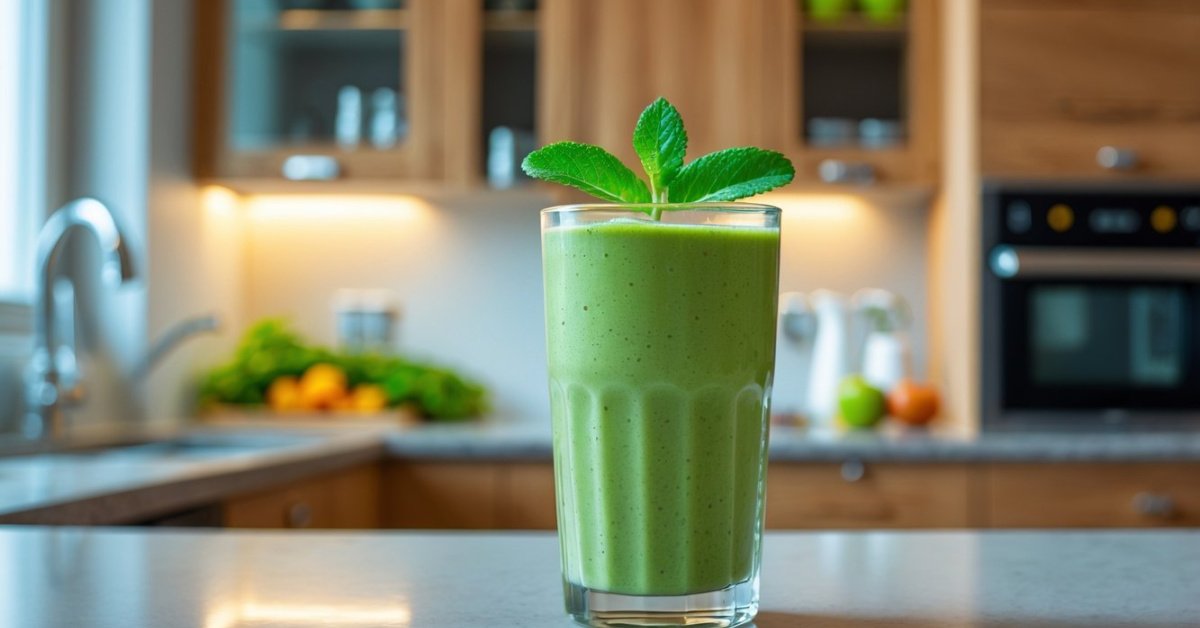

I love a rich creamy shake as much as anyone but I used to worry about the fat content. Then I discovered that not all fats are created equal and some can actually boost my health. Turns out those silky textures and satisfying flavors can be packed with healthy fats that do my body good.
Now when I blend up a shake I look for ingredients that give me more than just great taste. Healthy fats can help keep me full longer and even support my heart and brain. It’s amazing how easy it is to turn a simple shake into a nutritional powerhouse with the right choices.
What Are Healthy Fats?
Healthy fats are types of dietary fats that support my body’s functions while giving creamy shakes a rich, satisfying texture. I always use monounsaturated fats and polyunsaturated fats in my shakes, with examples like avocado, chia seeds, flaxseeds, and nut butters. These fats provide omega-3 and omega-6 fatty acids that help promote heart health and keep my shakes pleasingly smooth.
Saturated fats from whole-food sources, like coconut or whole milk yogurt, offer another way to add creaminess without heavily processed oils. I use them in moderation for texture and flavor.
Trans fats, like partially hydrogenated oils, aren’t considered healthy fats—I’ve never included them in my recipes. Instead, I focus on ingredients that deliver both taste and benefits, so my shakes help keep you full, satisfied, and energized.
In every creamy shake, I balance healthy fats with fruits, greens, and proteins to ensure each blend supports a nourishing lifestyle.
Benefits Of Including Healthy Fats In Creamy Shakes
Adding healthy fats to creamy shakes changes the texture and nutrition profile of every drink I make. I always tell my customers and friends that the right fats create silky, satisfying shakes while boosting wellness in simple ways.
Enhanced Satiety And Energy
Healthy fats in shakes keep me full longer, helping customers avoid mid-morning or late-night hunger. Ingredients like almond butter, avocado, and chia seeds slow digestion and help maintain steady energy levels for several hours. These fats also give smoothies a creamy texture that customers love, making every cup feel more substantial and satisfying.
Improved Nutrient Absorption
Adding healthy fats boosts nutrient absorption from fruits and greens that I include in my shakes. Fat-soluble vitamins—A, D, E, and K—require dietary fat for optimal absorption. By blending in sources like flaxseed oil or coconut yogurt, I help customers get the maximum benefit from every ingredient. This combination optimizes flavor and nutrition for every shake I serve.
Top Sources Of Healthy Fats For Shakes
I use a variety of sources to add healthy fats to my creamy shakes. The right ingredient, blended well, gives shakes a richer mouthfeel and boosts nutrition without weighing things down or overpowering flavors.
Avocado
I choose avocado when I want a naturally creamy shake with plenty of fiber. Each 1/4 avocado offers about 6g of fat, most from heart-supporting monounsaturated fats (USDA). Avocado blends smoothly with banana, pineapple, or spinach, filling shakes with subtle flavor and velvety texture. I reach for avocado when I want to balance sweetness or mellow out greens.
Nut Butters
I often blend in nut butters like almond, cashew, and peanut butter to give shakes healthy fats, protein, and richness. For example, 1 tablespoon of almond butter contains about 9g of fat, mostly unsaturated, with extra vitamin E and magnesium. Nut butters create satisfying, dessert-like shakes with flavors that pair well with cocoa, berries, or oats. I always look for unsweetened nut butters and add a spoonful to shakes for extra fullness and flavor depth.
Chia And Flax Seeds
I add chia seeds and flaxseeds for plant-based omega-3s and extra texture. One tablespoon of chia seeds supplies around 4g of fat, while the same amount of ground flaxseed adds about 3g, including alpha-linolenic acid (ALA). Chia and flax seeds help thicken shakes naturally, so I sprinkle them in before blending, especially with berry, banana, or vanilla shakes. I grind flaxseeds just before use to get the most nutrition.
Coconut And MCT Oil
I use coconut in several forms—coconut milk, coconut yogurt, or a teaspoon of coconut oil—when I want a hint of tropical flavor and added creaminess. Coconut adds both saturated and medium-chain triglycerides (MCTs), which the body uses quickly for energy. For an extra energy boost, sometimes I drizzle in pure MCT oil. Coconut and MCT oil combine best with pineapple, mango, or even chocolate, adding rich texture and supporting energy without making shakes heavy.
How To Make Creamy Shakes With Healthy Fats
I always look for ways to make creamy shakes that taste great and deliver real nutritional value. Healthy fats take shakes to the next level, adding smooth texture and lasting satisfaction.
Basic Recipe Suggestions
Every creamy shake I make starts with a base of frozen fruit, such as banana or mango, for natural sweetness and body. I blend in 1/4 of an avocado or 2 tablespoons of nut butter (almond or cashew) to introduce healthy fats that enhance texture. I add 1 tablespoon of chia seeds or flaxseeds for extra omega-3s and subtle thickness. For a rich, satisfying mouthfeel, I often use 1/2 cup of coconut milk or a scoop of full-fat Greek yogurt—both excellent sources of creaminess and healthy fats.
Here’s a table showing how common shake ingredients contribute healthy fats:
| Ingredient | Type of Healthy Fat | Serving Size Used | Purpose in Shake |
|---|---|---|---|
| Avocado | Monounsaturated | 1/4 fruit | Creaminess, fiber |
| Almond Butter | Monounsaturated | 2 tbsp | Rich texture, protein |
| Chia Seeds | Omega-3 polyunsaturated | 1 tbsp | Thickening, nutrients |
| Flaxseeds | Omega-3 polyunsaturated | 1 tbsp | Texture, plant-based fats |
| Coconut Milk | MCTs, saturated | 1/2 cup | Smooth, tropical base |
| Greek Yogurt | Saturated, protein | 1/2 cup | Tangy creaminess, protein |
Tips For Best Texture And Taste
I always blend frozen fruit and fats first, before adding liquid, to achieve an ultra-creamy texture. I use chilled liquids—nut milks, oat milk, or coconut water—to keep shakes cold and thick. I add a pinch of salt or a drop of vanilla extract to enhance natural flavors, if sweetness is lacking, I use 1-2 dates or a splash of maple syrup for balance. I don’t overblend seeds or nuts so the shake keeps a touch of texture, and I avoid too many strong flavors together—two to three healthy fats per shake keeps the taste balanced and the ingredients harmonized.
Considerations And Potential Downsides
Adding healthy fats to creamy shakes boosts nutrition and flavor, but some considerations affect the final result and your health goals.
- Calorie Density
Including healthy fats like avocado, nut butters, or coconut increases calorie content, as 1 tablespoon of almond butter adds around 98 calories. I remind customers watching calorie intake that even beneficial fats contribute to total daily energy.
- Portion Control
Using too much nut butter or oil can make shakes overly rich and heavy. For most recipes, I add 1–2 tablespoons of a healthy fat source—such as peanut butter or chia seeds—to balance taste, texture, and nutrition.
- Food Allergies
Many healthy fats, including almond, cashew, or peanut butters, are potential allergens. In my shop, I always ask about nut allergies before blending, and I offer options like sunflower seed butter or coconut for customers sensitive to tree nuts.
- Digestive Comfort
Blending several fat-rich ingredients—like avocado, coconut yogurt, and seeds—may upset sensitive stomachs. I recommend starting with one source and monitoring tolerance if you’re new to higher-fat shakes.
- Ingredient Quality
Healthy fats deliver their best benefits when fresh. I source raw nuts, organic avocados, and high-quality oils for my shop, since rancid fats from old nuts or oils can leave an off-flavor and reduce nutritional value.
- Cost Considerations
Ingredients like nut butters, MCT oil, and organic avocados tend to cost more than conventional fillers. When shopping, I check bulk sections or local options to keep healthy shake routines affordable.
- Balance With Other Nutrients
Focusing only on healthy fats may crowd out fruits, greens, or proteins. I make each shake with a mix of whole-food fats, seasonal produce, and a protein source—like Greek yogurt or pea protein powder—for a rounded nutritional profile.
Conclusion
Making creamy shakes with healthy fats has completely changed the way I approach my daily nutrition. It’s amazing how a few mindful choices can turn a simple treat into a powerhouse of flavor and wellness.
I love experimenting with different ingredients and finding new combinations that support my health goals. With so many options to choose from it’s easy to keep things exciting while nourishing my body at the same time.
If you haven’t tried adding healthy fats to your shakes yet I hope you’ll give it a shot. Your taste buds—and your body—will thank you!