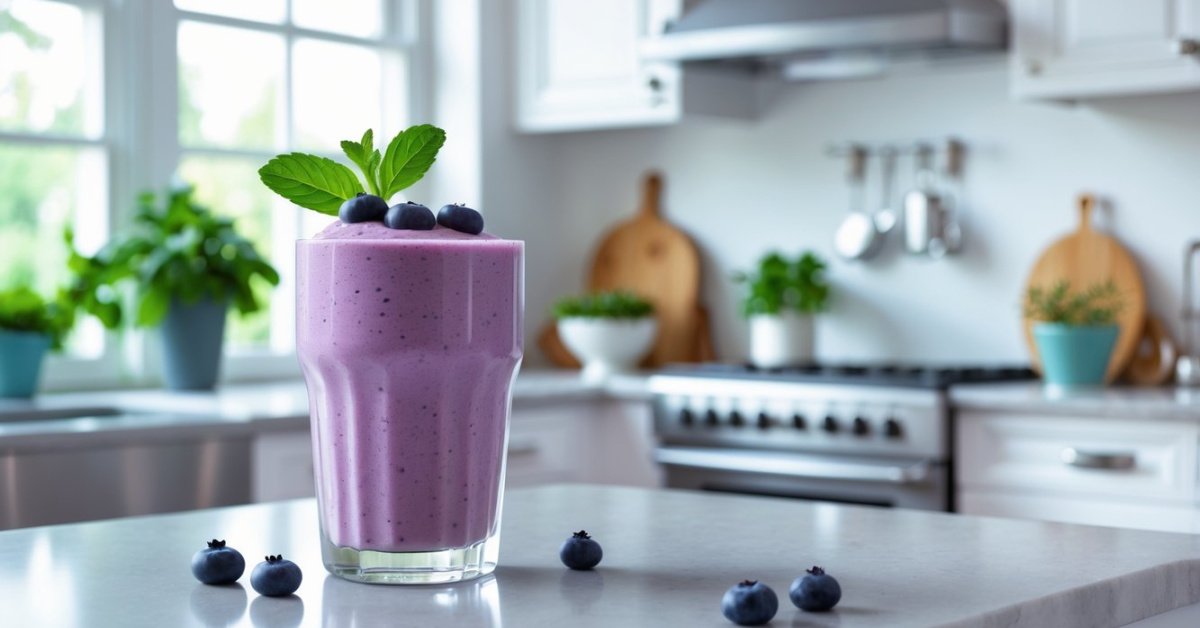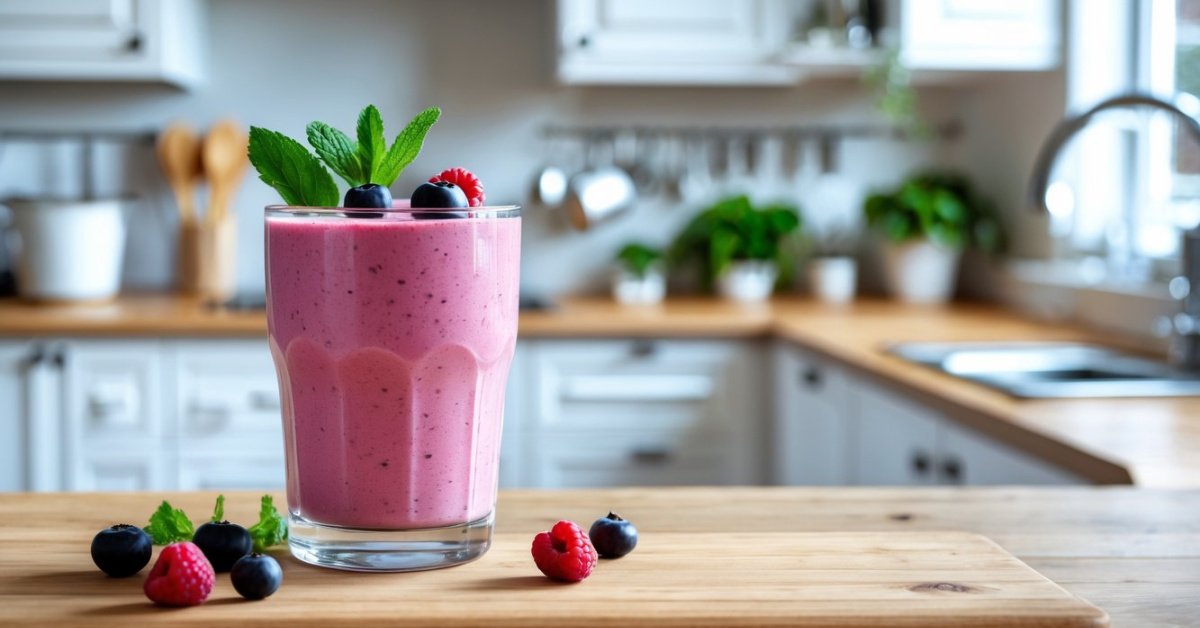
When the sun’s blazing and I’m craving something cool nothing beats a fresh watermelon smoothie. It’s not just the sweet refreshing flavor that draws me in—it’s knowing I’m giving my body a serious hydration boost with every sip. Watermelon’s juicy goodness makes it an ideal base for a smoothie that tastes like summer in a glass.
I love how easy it is to blend up a batch and instantly feel recharged. Whether I’m heading out for a workout or just need to beat the afternoon slump a watermelon smoothie is my go-to. It’s a simple delicious way to stay hydrated and energized all day long.
Understanding Hydration and Its Importance
Hydration defines the body’s state of adequate fluid balance. My experience in my smoothie shop has shown me that consistent hydration boosts energy, maintains skin elasticity, and supports healthy digestion. Water makes up around 60% of the human body, according to Mayo Clinic, and even a 1-2% drop in hydration impacts mental focus and physical endurance.
Optimal hydration enhances athletic performance. Customers who frequent my shop before their workouts report fewer cramps and faster recovery after choosing smoothies with water-rich ingredients like watermelon, cucumber, or orange. Proper fluid levels also regulate temperature and lubricate joints—critical factors for anyone with an active routine.
Electrolyte balance ties directly to hydration. I add naturally electrolyte-rich ingredients—examples include coconut water and watermelon—to my smoothie recipes because potassium and magnesium found in fruit help maintain nerve and muscle function.
Preventing dehydration helps avoid symptoms like headaches, fatigue, and poor concentration. Many home smoothie makers miss this and often rely on sugary or caffeinated drinks. Authentic fruit smoothies, especially those with ingredients holding over 90% water content, hydrate more efficiently.
Hydration isn’t just about drinking water. In my shop, I always encourage my customers to incorporate hydrating produce into their daily smoothies because these ingredients supply both fluids and essential nutrients at the same time.
What Makes Watermelon a Hydrating Fruit?
Watermelon delivers high hydration through its unique composition. Each bite includes about 92% water content with trace minerals, according to the USDA National Nutrient Database. This high water percentage makes watermelon one of the most hydrating ingredients I can use for smoothies or shakes.
Watermelon supplies key electrolytes for replenishing fluids. Potassium, magnesium, and small amounts of calcium appear in every serving, supporting balanced hydration after exercise or on hot days. Smoothies using watermelon chunks restore electrolyte levels alongside water, making them ideal for recovery.
Watermelon contains natural sugars for steady energy. Unlike processed sweeteners, the fruit’s fructose absorbs slowly, providing sustained hydration during activity or throughout long afternoons. Blending watermelon into smoothies adds light sweetness without the rapid energy spikes and crashes linked with concentrated sugars.
Watermelon features antioxidants like lycopene. These antioxidant compounds protect cells from oxidative stress that sometimes comes from dehydration. Smoothies with watermelon help maintain skin elasticity—something I notice among customers seeking glowing skin after a few weeks of hydrating smoothies.
Watermelon combines easily with other hydrating bases. Coconut water, unsweetened almond milk, and mint pair well in my recipes. Including these in any watermelon smoothie maximizes thirst-quenching effects, helping home smoothie makers achieve creamy, fresh, and deeply hydrating drinks.
Watermelon Smoothies: Nutritional Highlights
Watermelon smoothies deliver a combo of hydration and nutrition that I rely on in my smoothie shop. I focus on ingredient quality because these drinks do more than just quench thirst—they support energy and overall well-being.
Key Vitamins and Minerals
Watermelon adds vitamin C, vitamin A, and a range of B vitamins to smoothies, boosting antioxidant content and supporting immune function. I choose fresh watermelon for vitamin C (8–12 mg per 100g), which supports collagen production and skin health. Vitamin A, supplied as beta-carotene, promotes eye health and helps cellular function. B vitamins—including B1, B5, and B6—contribute to metabolism and energy release.
Minerals like potassium and magnesium show up in every batch. I see potassium (112 mg per 100g in watermelon) help balance fluids, while magnesium aids muscle function after a workout rush or during a heavy activity day.
Natural Electrolytes and Hydration
Watermelon smoothies hydrate with more than just water content—the hydration comes from natural electrolytes too. Each smoothie blend relies on 92% water from the fruit and added hydrating bases like coconut water or cucumber. Potassium stands out as a prominent electrolyte, helping replenish what sweat takes away during exercise or a summer day.
I include ingredients rich in magnesium and small amounts of sodium to maintain the electrolyte balance that keeps my customers feeling refreshed. For those battling heat or chasing post-workout recovery, this blend supports rehydration better than most sugary alternatives.
Comparing Watermelon Smoothies to Other Hydrating Beverages
Among hydrating beverages, watermelon smoothies offer a unique blend of refreshment and nutrition. I’ve worked with options like sports drinks, coconut water, and fruit juices, but watermelon smoothies stand out for both water content and nutrient density. Watermelon contains about 92% water, making these smoothies almost as hydrating as pure water, while also offering natural sugars and essential electrolytes.
| Beverage | Water Content (%) | Key Electrolytes | Added Sugars | Notable Nutrients |
|---|---|---|---|---|
| Watermelon smoothie | 92 | Potassium, Magnesium | No | Vitamin C, Vitamin A, Lycopene |
| Coconut water | 95 | Potassium, Sodium | No | Vitamin C, Magnesium |
| Sports drink | 88-92 | Sodium, Potassium | Yes | Varies (Trace B vitamins) |
| Fruit juice (orange) | 88 | Potassium, Magnesium | Yes | Vitamin C, Folate |
| Flavored water | 99 | Varies (minimal) | Yes/No | Few (depends on fortification) |
Compared to sports drinks, watermelon smoothies hydrate without artificial colors or excess sugars. For example, sports drinks contain around 21g of added sugar per 12 oz (CDC, 2022), while smoothies made from fresh watermelon keep sugar natural and lower. Coconut water hydrates well too, but watermelon smoothies provide more antioxidants and a mild, satisfying sweetness—a combo my customers love after workouts.
Unlike most fruit juices, which concentrate fruit sugars and sometimes lose fiber, watermelon smoothies use whole fruit. I always include pulpy watermelon to retain all the hydration and nutrients, making my smoothies more filling and beneficial.
Flavored waters might offer high water content, but don’t supply the vitamins and minerals found in fresh ingredients. My smoothie recipes mix watermelon with things like fresh mint, cucumber, or spinach, so every serving supports both hydration and daily nutrient goals.
In my smoothie shop, customers consistently choose watermelon-based drinks during summer heatwaves. Many share that these keep them energized longer than plain water or store-bought drinks, thanks to the balance of hydration, natural sugars, and essential nutrients.
Best Practices for Making Hydrating Watermelon Smoothies
I always aim for optimal hydration and flavor with every watermelon smoothie I create in my shop or at home. My approach emphasizes ingredient quality and thoughtful timing, which maximizes both nutrition and taste.
Recipe Tips and Flavor Variations
I use only ripe watermelon for the base since it delivers sweetness and high water content without needing added sugar. For extra hydration, I blend in coconut water or cucumber, both favorites among my customers for their refreshing profiles. To boost electrolytes naturally, I sometimes toss in a pinch of Himalayan pink salt and a few mint leaves, which also enhance the aroma.
I create seasonal variations by mixing in berries, such as strawberries or blueberries, for antioxidants and tang, or a dash of fresh lime juice for brightness. For a silky texture, I add a handful of ice or frozen watermelon cubes instead of processed ice cream or sorbet. For extra creaminess without dairy, I add avocado or a spoonful of plain Greek yogurt, which thickens the smoothie while increasing the protein content.
When to Enjoy for Maximum Benefits
I recommend sipping watermelon smoothies immediately after workouts, since this timing helps replenish fluids and electrolytes lost during exercise. Many of my regulars prefer these smoothies before outdoor activities on hot days, when the need for hydration peaks. For a mid-afternoon energy boost, I serve watermelon smoothies as a snack, as this is when many people experience a hydration dip and increased fatigue. For optimal freshness and nutrient retention, I blend smoothies right before serving rather than letting them sit, since fresh ingredients lose their hydration benefits quickly once processed.
Conclusion
Watermelon smoothies have truly become my go-to for staying refreshed and hydrated when the weather heats up. There’s something so satisfying about blending up a glass that tastes amazing and supports my well-being at the same time.
If you’re looking for a simple way to boost your hydration and enjoy a burst of natural flavor try experimenting with your own watermelon smoothie creations. I love knowing that every sip is doing something good for my body and helping me power through even the hottest days.