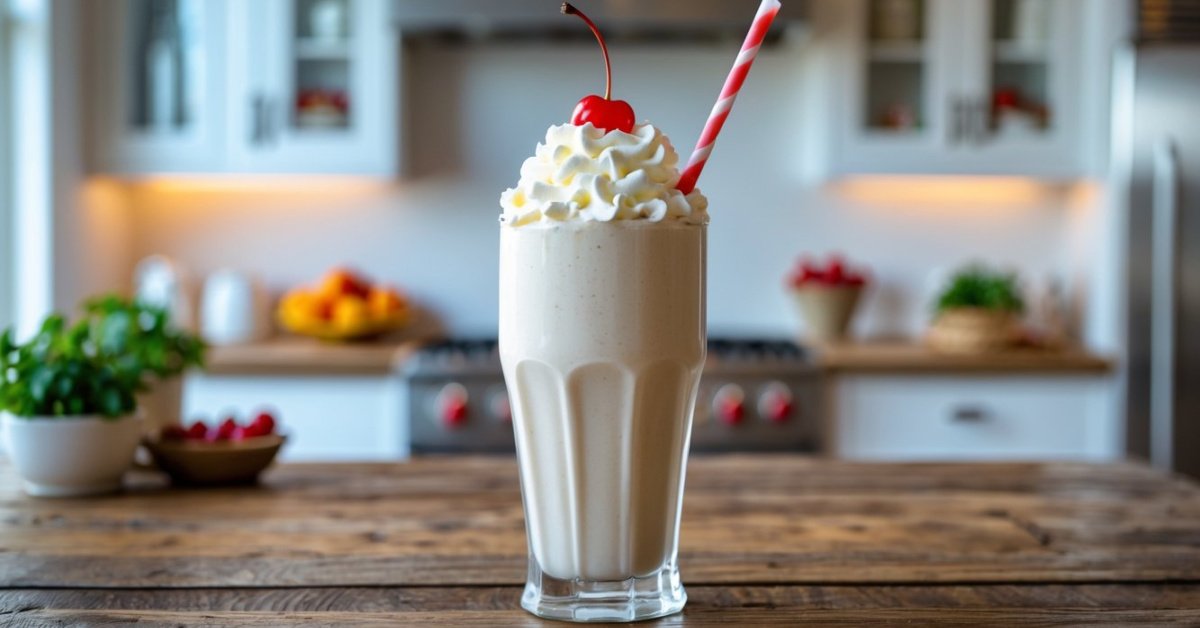
Gaining weight in a healthy way can feel just as challenging as losing it. I know how tough it is to find options that are both nutritious and calorie-dense without relying on junk food. That’s where smoothies come in—they’re my go-to for packing in nutrients and calories without feeling stuffed.
I love how easy it is to blend together fruits, veggies, nuts, and seeds to create something delicious and satisfying. With the right ingredients, smoothies can help me reach my weight goals while still giving my body the nourishment it needs. Plus, they’re perfect for busy days when I need something quick and filling.
Understanding Healthy Weight Gain
Healthy weight gain centers on increasing body mass with nutritious foods and balanced calories. I focus on building weight using ingredients that support muscle, energy, and overall health, not just empty calories. Lean muscle requires extra energy, which comes from calorie surplus paired with key nutrients.
Nutrients matter most when blending smoothies for weight gain. High-quality proteins like Greek yogurt, pea protein, and nut butters—found in my recipes—fuel muscle development. Healthy fats from seeds, avocado, or coconut milk boost calories while supporting heart and brain health. Complex carbs from oats, bananas, or sweet potatoes deliver lasting energy without sugar spikes.
In my smoothie shop, I always choose whole-food sources for both nutrition and taste. Fresh fruits deliver fiber and phytonutrients. Greens add minerals and vitamins. Pairing these with calorie-dense add-ins ensures that every smoothie packs both nutrition and enough calories for healthy gains.
Weight gain goals work best if paired with regular meals, making smoothies a supplement rather than a meal replacement unless timed for convenience. This approach helps people avoid unhealthy fat accumulation and instead supports balanced, resilient bodies, based on recommendations from the Academy of Nutrition and Dietetics and Harvard T.H. Chan School of Public Health.
Benefits of Smoothies for Weight Gain
Blending smoothies for healthy weight gain gives me exact control over every ingredient. Each smoothie lets me pack in calorie-dense nutrition—like nut butters, full-fat yogurt, and avocados—without using empty-calorie fillers. By blending these with fruits and seeds, I boost both calories and real nutrients in every serving.
Customizing smoothies for personal needs sets them apart from processed shakes. I can adjust the mix to support fitness goals, add extra protein, or meet specific dietary needs. For example, oats, chia seeds, or Greek yogurt boost protein and fiber, making each glass more filling and supportive of muscle building.
Digesting smoothies is easy thanks to their blended texture. Clients often mention how quickly they can finish a shake during busy mornings or after a workout. The liquid form also helps nutrients absorb efficiently, according to the Harvard T.H. Chan School of Public Health.
Fast-making and portable benefits. Smoothies serve as quick meals—I blend, pour, and go in under five minutes. This matters for anyone who needs another meal or an afternoon calorie boost, in line with my daily experience at the smoothie shop.
Layering flavors and nutrition inspires creativity. Each smoothie becomes a canvas for new combinations or for sneaking in leafy greens, spices like cinnamon, or supplements such as protein powder. This flexibility keeps routines interesting, helps me adjust recipes for every customer, and ensures nobody gets bored of the same taste twice.
Supplementing, not replacing, makes smoothies effective for steady weight gain. I always suggest pairing them with whole-food meals. This approach lines up with expert guidance from the Academy of Nutrition and Dietetics, supporting healthy body composition and balanced nutrient intake.
Key Ingredients for High-Calorie Smoothies
Every nutritious, calorie-dense smoothie starts with the right building blocks. I use specific ingredient categories to boost both calories and nutrient quality in my shop’s most popular blends.
Nut Butters and Healthy Fats
Nut butters and healthy fats make smoothies rich, creamy, and calorie-dense. I include almond butter, peanut butter, or cashew butter in recipes for steady energy and satisfying texture. I add avocado, chia seeds, or flaxseeds to provide heart-healthy omega-3 fatty acids. Coconut oil or MCT oil delivers an extra boost, especially when someone’s aiming for higher calorie blends without processed sugars.
Protein Sources
Protein sources in smoothies support muscle health and balanced weight gain. I blend in plain Greek yogurt, cottage cheese, or silken tofu for optimal protein and creaminess. I add plant-based protein powders made from pea, hemp, or brown rice for vegan-friendly versions. I sometimes use cow’s milk protein or collagen peptides to customize protein content for specific fitness goals.
Fruits and Vegetables
Fruits and vegetables deliver natural sweetness and vitamins in every smoothie. I rely on bananas, mangoes, and dates for calorie-rich base fruits. I regularly add berries, pineapple, or spinach to increase antioxidant and fiber content without overpowering the flavor. I use cooked sweet potato or frozen cauliflower for extra calories and subtle flavor, which blend seamlessly into thick shakes.
Dairy and Dairy Alternatives
Dairy and dairy alternatives round out creamy, high-calorie blends with essential nutrients. I select whole milk, kefir, or Greek yogurt for classic texture and protein content. I blend in oat milk, coconut milk, or soy milk for those who avoid dairy, prioritizing calorie-rich, unsweetened versions for extra nutrition. I check ingredient labels to avoid added sugars or gums, keeping every blend clean and wholesome.
Each blend in my shop highlights these high-calorie ingredients to guarantee both taste and nutrition in every sip.
Sample Smoothie Recipes for Weight Gain
Sharing smoothie recipes lets me bring my experience as a smoothie shop owner to your kitchen. Each blend here introduces calorie-dense ingredients, full flavors, and convenient methods for supporting healthy weight gain with every pour.
Breakfast Power Smoothie
Starting the day with a breakfast power smoothie gives you sustained energy. I blend 1 ripe banana, 2 tablespoons almond butter, 1 cup whole milk Greek yogurt, 1/2 cup rolled oats, and 1 tablespoon honey. Adding 1 tablespoon chia seeds, I boost fiber, protein, and omega-3s. This smoothie reaches about 600 calories, ideal for a breakfast that fuels your morning and your weight goals.
Post-Workout Recovery Smoothie
Recovering after a workout calls for protein and carbs in balance. My favorite mix uses 1 scoop vanilla protein powder, 1 cup full-fat milk, 1/2 cup frozen mango, 1/2 cup cooked sweet potato, 2 tablespoons peanut butter, and 1 teaspoon flaxseed oil. This blend delivers about 500-550 calories and supports muscle repair using protein, potassium, and healthy fats from real ingredients.
Dessert-Inspired High-Calorie Smoothie
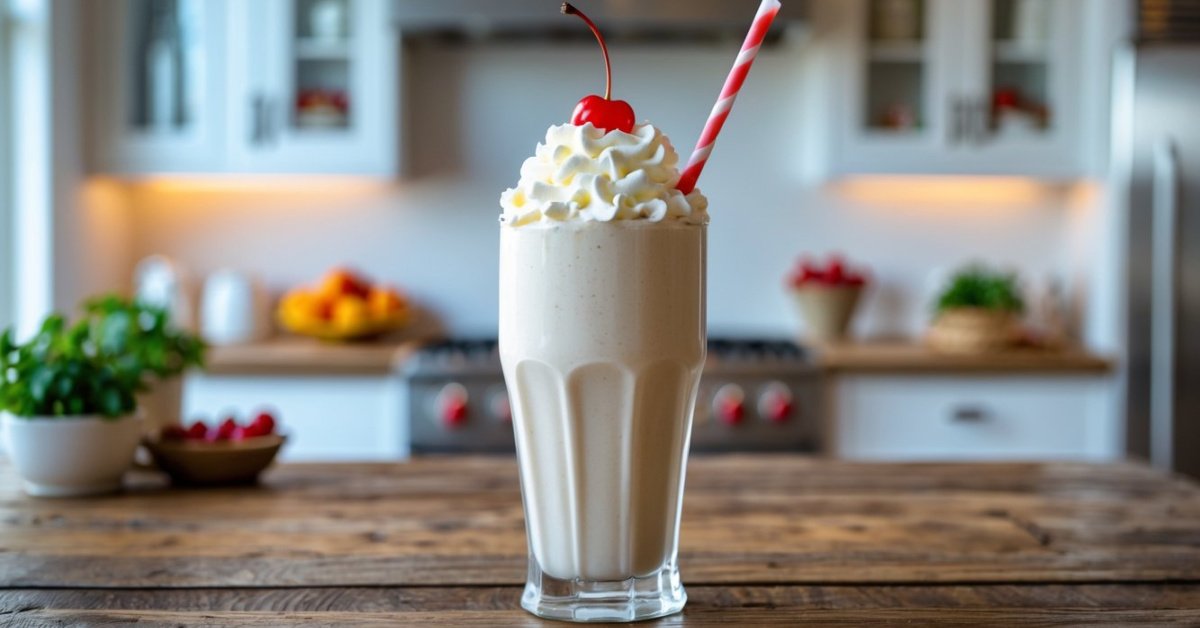
Satisfying a sweet tooth while adding calories always feels exciting. I make a dessert-inspired glass by blending 1 cup chocolate ice cream, 1/2 cup whole milk, 2 tablespoons cashew butter, 1 Medjool date, and 1/2 teaspoon cinnamon. For extra nutrition, I drop in 1/4 avocado. The combination provides over 700 calories, balancing rich flavor with nutrients for enjoyable, healthy weight gain.
| Smoothie Type | Key Ingredients | Estimated Calories |
|---|---|---|
| Breakfast Power Smoothie | Banana, almond butter, Greek yogurt, oats | 600 |
| Post-Workout Recovery Smoothie | Protein powder, milk, mango, sweet potato | 500-550 |
| Dessert-Inspired High-Calorie | Chocolate ice cream, cashew butter, date | 700+ |
Tips for Incorporating Smoothies Into Your Diet
Blend smoothies into existing meal routines for balanced weight gain if you want steady progress. I often recommend drinking a smoothie with breakfast or as a mid-morning snack, rather than skipping meals or replacing them outright. This doubles calorie intake at key times without overwhelming digestion.
Pair smoothies with whole foods when planning your day for maximum benefit. I frequently serve smoothies alongside items like avocado toast, granola bars, or eggs at my shop, ensuring each meal delivers both texture and fullness.
Prepare ingredients in advance for faster blending during busy weeks. I keep measured portions of frozen fruit, pre-sliced bananas, or nut butter packets ready, so creating a high-calorie blend takes just three minutes even when my schedule’s packed.
Choose consistent timing for smoothie consumption if a routine helps form healthy habits. I notice people who enjoy smoothies at set times—post-workout, late afternoon, or before bed—see more reliable gains, especially when they focus on protein blends or those with oats and dairy.
Monitor total calorie intake by tracking smoothie ingredients and portions over several days. I use a digital scale and recipe cards at my shop to record each component, reducing both over- and under-estimation of daily energy needs.
Rotate ingredients each week if variety is key for staying motivated and ensuring a broad nutrient spectrum. I plan themed days—such as berry-mango Mondays and peanut-cocoa Fridays—to add excitement and boost long-term commitment.
Use calorie boosters for intentionally increasing smoothie energy content when a goal is weight gain. I add extras like coconut cream, flaxseed oil, or extra nut butter to standard recipes, always prioritizing whole-food choices over syrups or sugars.
Experiment with liquid bases based on taste and nutrition goals. Try blending with whole milk, oat milk, or kefir if you’re seeking additional calories, rather than water or unsweetened almond milk, for a richer and more satisfying smoothie.
Focus on enjoyable flavors first while staying within nutrition goals. At my shop, customer favorites include combinations of tropical fruit, vanilla yogurt, and cashew butter, showing that great taste easily coexists with healthy calorie density.
Potential Mistakes to Avoid
Overusing Sugary Additions
Overusing sugary additions like sweetened yogurts, flavored syrups, or fruit juice concentrates increases total sugar intake without adding valuable nutrients. I avoid these in most of my shop’s blends unless requested, focusing instead on whole fruits or natural options like dates.
Neglecting Protein Balance
Neglecting protein balance in weight gain smoothies results in excess calories without muscle support. I include quality protein sources like Greek yogurt, cottage cheese, or plant-based powders in every shake to promote lasting fullness and better nutrition.
Ignoring Healthy Fats
Ignoring healthy fats such as avocado, nut butters, or chia seeds leads to missed calorie density and essential omegas. I always remind customers at my smoothie shop to add these since healthy fats help maintain steady energy without heavy digestion.
Forgetting Fiber and Micronutrients
Forgetting fiber and micronutrients reduces smoothie benefits and may contribute to digestive discomfort. I frequently blend oats, spinach, flaxseed, or berries into recipes, ensuring each shake supports gut health and provides trace vitamins.
Using Too Few Calories
Using too few calorie-dense ingredients hinders steady weight gain progress. When people visit my shop for help with gaining weight, I advise boosting calories through extras like bananas, nut butters, or even coconut milk for richer results.
Replacing Every Meal with Smoothies
Replacing every meal with smoothies can cause nutrient gaps, especially if diverse whole foods are lacking. I structure smoothies to supplement meals, not replace them, for a fuller nutritional profile and balanced energy—as supported by the Academy of Nutrition and Dietetics.
Not Rotating Ingredients
Not rotating ingredients over time leads to taste fatigue or possible nutrient imbalances. I try new produce, nuts, and seeds each week in my own blends, keeping each experience interesting and wholesome.
Conclusion
I love how smoothies make healthy weight gain feel simple and delicious. They give me the freedom to experiment with flavors and pack in nutrients without extra stress. With a bit of planning and creativity I can tailor each blend to fit my needs and keep things interesting.
Staying mindful of ingredients and mixing up my routine helps me enjoy every sip and reach my goals in a balanced way. If you’re looking to add healthy calories to your diet smoothies can be a fun and satisfying part of your journey.