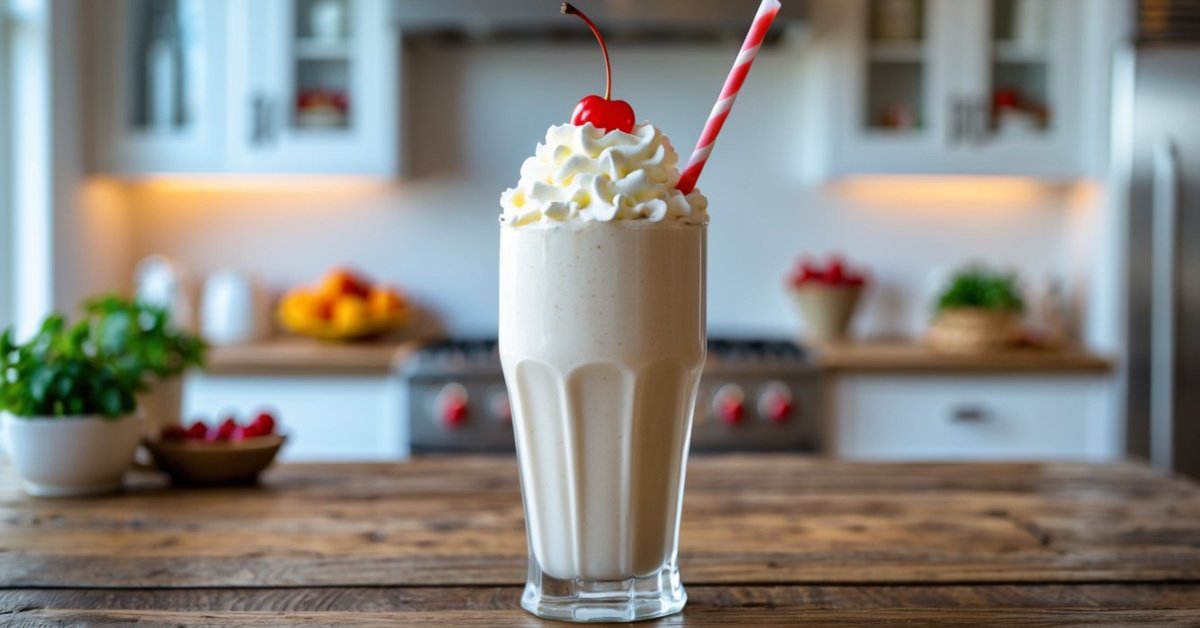
When I whip up a smoothie to stay refreshed and energized, I usually focus on fruits, veggies, and maybe a splash of coconut water. But lately, I’ve started thinking about something I used to overlook—sodium. It turns out that getting the right amount of sodium in my hydrating smoothies can make a real difference in how I feel, especially after a workout or on a hot day.
Balancing sodium isn’t just about avoiding too much salt. It’s about making sure my body gets what it needs to stay hydrated and function at its best. I’ve discovered some simple ways to add just the right touch, and it’s changed the way I look at my daily smoothie routine.
The Importance of Sodium in Hydrating Smoothies
Sodium keeps hydrating smoothies effective by supporting fluid retention and nutrient transport. I use sodium to help replenish electrolytes lost during exercise or in hot climates. Low-sodium smoothies can leave you feeling crampy or fatigued, based on data from the CDC and the American Heart Association, which highlight sodium’s connection to muscle and nervous system function.
Balanced sodium levels enhance hydration because sodium helps your body absorb water better than plain liquids. Sports medicine research from ACSM confirms that electrolyte drinks with 300-700mg sodium per liter boost hydration rates, especially following intense activity. I target that range when developing my smoothie recipes for post-workout or summer menus.
Adding sodium to hydrating smoothies matters most when using low-sodium bases like coconut water or almond milk. In these cases, adding a pinch of sea salt or a sodium-rich ingredient like celery keeps the sodium content in line with hydrating standards. This simple step maintains both flavor and electrolyte balance, which I see keeps customers feeling refreshed and energized after a workout or a day out in the sun.
Understanding Sodium’s Role in Hydration
Sodium helps smoothies deliver better hydration, especially after sweat-heavy workouts or in hot weather. I use sodium strategically in my shop’s recipes for both function and flavor.
How Sodium Affects Fluid Balance
Sodium maintains your body’s fluid balance by helping cells absorb water and nutrients. My experience shows that smoothies without enough sodium can cause people to feel sluggish or lightheaded after tough sessions. When I add just the right amount—usually by including sea salt or naturally salty produce like celery—my customers recover faster and feel more refreshed. Sodium also supports the movement of other key electrolytes, such as potassium and magnesium, further enhancing the smoothie’s hydrating properties.
Potential Risks of Too Much or Too Little Sodium
Missing the sweet spot with sodium can create issues. Too little sodium often leads to muscle cramps and early fatigue—a problem during long training sessions or summer outings. Too much sodium can make a smoothie overly salty and, over time, strain heart health or blood pressure, as noted by the CDC. I rely on evidence-backed targets: keeping sodium between 300mg and 700mg per liter in hydrating recipes. My team tastes and tweaks every smoothie blend to make sure it lands in that optimal range, using a pinch of mineral-rich salts or smart whole-food additions to keep every ingredient balanced and purposeful.
Key Ingredients for Balancing Sodium in Smoothies
Choosing the right ingredients lets me fine-tune the sodium content while keeping smoothies both hydrating and delicious. I focus on a mix of natural sodium sources and low-sodium options to strike that perfect electrolyte balance for customers and home smoothie fans.
Natural Sodium Sources
I use several natural sodium sources to help maintain optimal sodium levels in my hydrating smoothies:
- Celery: Celery contains around 80mg of sodium per 100g, making it a go-to addition when a blend needs subtle salty notes and electrolyte support. I often add a stalk to green smoothies post-exercise.
- Sea Salt: A pinch of fine sea salt, about 150mg sodium per ⅛ teaspoon, lets me adjust sodium precisely without overpowering sweet fruits or delicate flavors.
- Spinach: Spinach, at about 79mg sodium per 100g, delivers a mineral boost. I blend it with tropical fruits like mango and pineapple for balance.
- Tomato: Tomato, supplying 236mg sodium per 100g, works in savory recovery smoothies or when I want a richer umami flavor.
- Coconut Water: Coconut water typically holds 60mg sodium per cup, helping baseline the blend’s hydration profile.
Low-Sodium Alternatives
I turn to low-sodium alternatives when balancing smoothie recipes for those mindful of salt intake:
- Homemade Nut Milk: Unsweetened almond or cashew milk made in-house usually contains less than 15mg sodium per cup. I use them as a neutral base or to dilute higher sodium ingredients.
- Cucumber: Cucumber, at just 2mg sodium per 100g, adds volume and hydration without significant salt.
- Fresh Berries: Strawberries and blueberries both supply under 2mg sodium per 100g. I rely on berries for their antioxidants and fresh taste when crafting low-sodium recipes.
- Filtered Water: Filtered water lets me control sodium concentration in every smoothie, especially when combined with sodium-rich produce.
Balancing these ingredients ensures every smoothie supports hydration, recovery, and taste, whether for a post-workout boost or a refreshing treat on a hot day.
Tips for Creating Balanced Hydrating Smoothies
Balancing sodium makes all the difference in smoothie hydration. I focus on flavor, nutrition, and supporting healthy hydration with every ingredient I choose.
Measuring Sodium Content
I always measure sodium content to hit the target range of 300–700mg per liter. I check nutrition panels on coconut water, nut milk, or juices to account for naturally occurring sodium. For added salt, I use a digital kitchen scale or measuring spoon, noting that ⅛ teaspoon of sea salt has around 290mg sodium. I track the total sodium by adding values from all ingredients and adjusting as needed to keep hydration and taste perfectly balanced.
| Ingredient | Sodium Content (mg/serving) |
|---|---|
| Celery (1 stalk) | 50–70 |
| Sea salt (⅛ tsp) | ~290 |
| Coconut water (8 oz) | 55–150 |
| Tomato (1 medium) | 10–15 |
| Spinach (1 cup raw) | 24 |
| Almond milk (8 oz) | 5–170 (varies by brand) |
Flavor Enhancements Without Extra Sodium
I boost flavor and hydration without relying on high sodium. I blend in citrus like lemon or lime for brightness, add ginger or fresh herbs like mint for complexity, and toss in frozen berries for natural sweetness. I choose low-sodium nut milks, cucumber, or watermelon for fresh, crisp bases. These adjustments let me keep smoothies refreshing and hydrating, even when limiting added salt, and they ensure my recipes delight customers craving taste as well as balance.
Sample Recipes for Sodium-Balanced Smoothies
Balancing sodium in smoothies starts with ingredient selection and precise measurements. I use the evidence-based range of 300–700mg sodium per liter to ensure every batch hydrates and energizes. Each recipe below lists sodium content per serving, helping home smoothie lovers replicate the results I achieve at my smoothie shop.
1. Post-Workout Citrus Electrolyte
Flavorful citrus and natural sodium sources keep hydration and taste in perfect balance.
- 1 cup coconut water (180mg sodium)
- ½ cup fresh orange juice (0mg sodium)
- 1 stalk celery, chopped (80mg sodium)
- 1 tsp fresh lemon juice (0mg sodium)
- ¼ cup frozen pineapple (0mg sodium)
- ⅛ tsp sea salt (about 300mg sodium)
- ½ cup ice
Total sodium (approx): 560mg per 16-oz serving
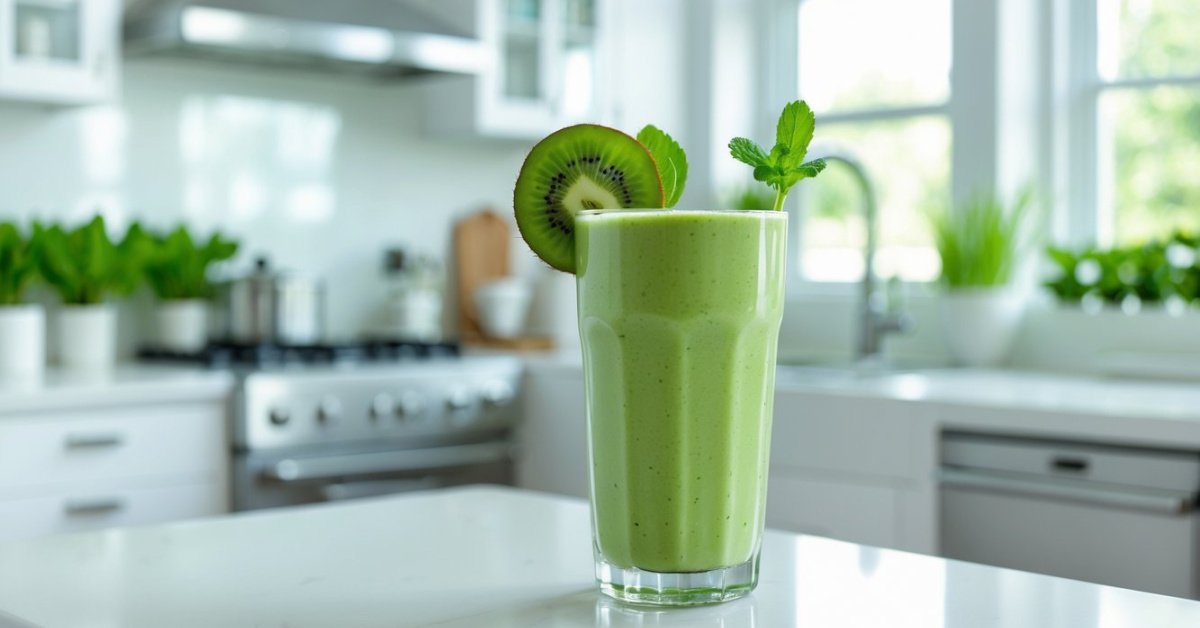
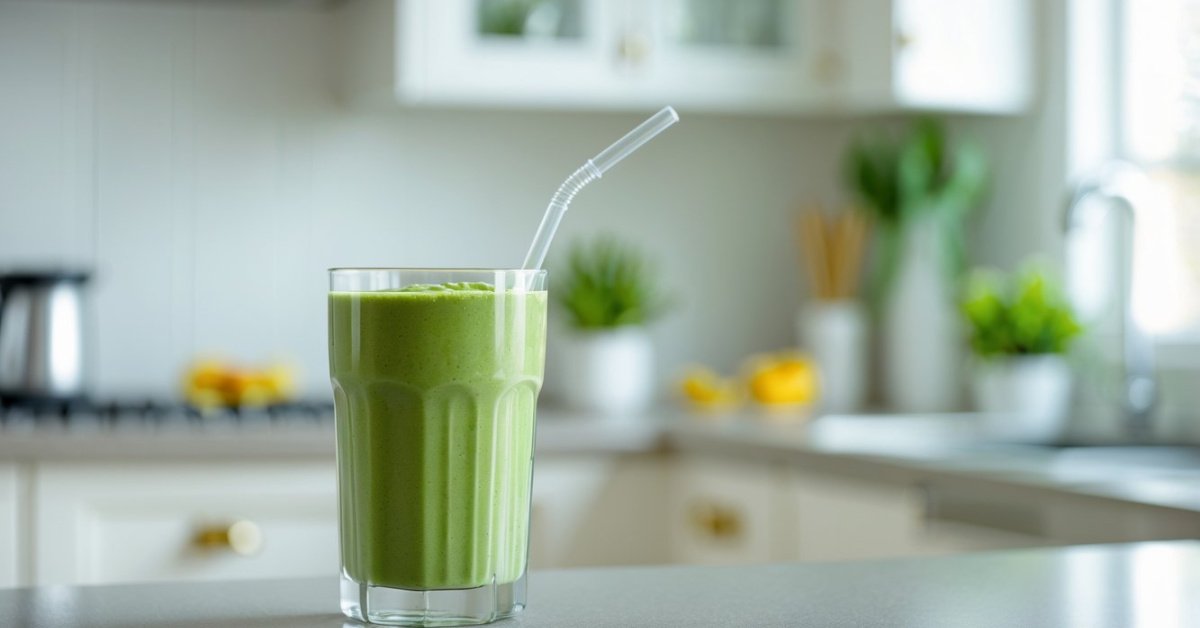
2. Creamy Green Hydration
Natural greens plus just enough added salt provide gentle, long-lasting hydration.
- 1 cup filtered water (0mg sodium)
- 1 cup baby spinach (65mg sodium)
- ½ banana (0mg sodium)
- ½ cup frozen mango (0mg sodium)
- 1 stalk celery (80mg sodium)
- ¼ cup plain low-fat yogurt (100mg sodium)
- ⅛ tsp sea salt (about 300mg sodium)
- ½ cup ice
Total sodium (approx): 545mg per 16-oz serving
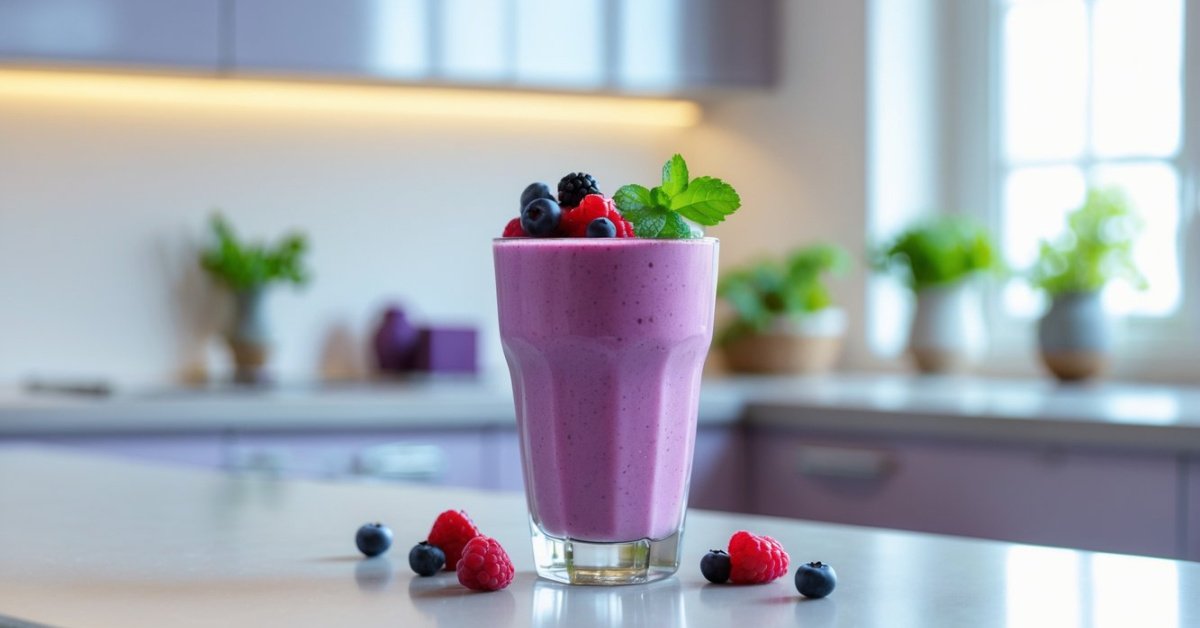
3. Summer Berry Refresher
Flavor-packed berries and a hint of salt maintain variety for those watching their sodium.
- 1 cup almond milk, unsweetened (160mg sodium)
- ½ cup frozen mixed berries (0mg sodium)
- ¼ cup cucumber (1mg sodium)
- ½ banana (0mg sodium)
- ⅛ tsp sea salt (about 300mg sodium)
- ½ cup ice
Total sodium (approx): 461mg per 16-oz serving
4. Spiced Tomato Recovery
Tomato and spice deliver a savory, hydrating blend ideal after heavy exercise.
- 1 cup low-sodium tomato juice (190mg sodium)
- ½ cup chopped tomatoes (11mg sodium)
- ½ cup filtered water (0mg sodium)
- ¼ tsp grated fresh ginger (0mg sodium)
- ⅛ tsp sea salt (about 300mg sodium)
- Pinch black pepper
- ½ cup ice
Total sodium (approx): 501mg per 16-oz serving
Sodium Content Table
| Smoothie Name | Sodium per Serving (mg) |
|---|---|
| Post-Workout Citrus | 560 |
| Creamy Green Hydration | 545 |
| Summer Berry Refresher | 461 |
| Spiced Tomato Recovery | 501 |
Each recipe keeps sodium in the recommended range, makes use of everyday produce and pantry items, and maintains flavor without excess salt. I rely on these blends daily in my shop, with customer feedback confirming they quench thirst and support quick recovery.
Conclusion
Finding the right sodium balance in my smoothies has truly changed the way I hydrate and recover after workouts or long days in the sun. It’s amazing how a simple tweak—like adding a pinch of sea salt or choosing naturally salty veggies—can make such a difference in how I feel.
I love that I can support my body’s needs while still enjoying fresh flavors and vibrant ingredients. With a little attention to sodium levels and creative ingredient choices, every smoothie becomes a delicious way to stay energized and refreshed.