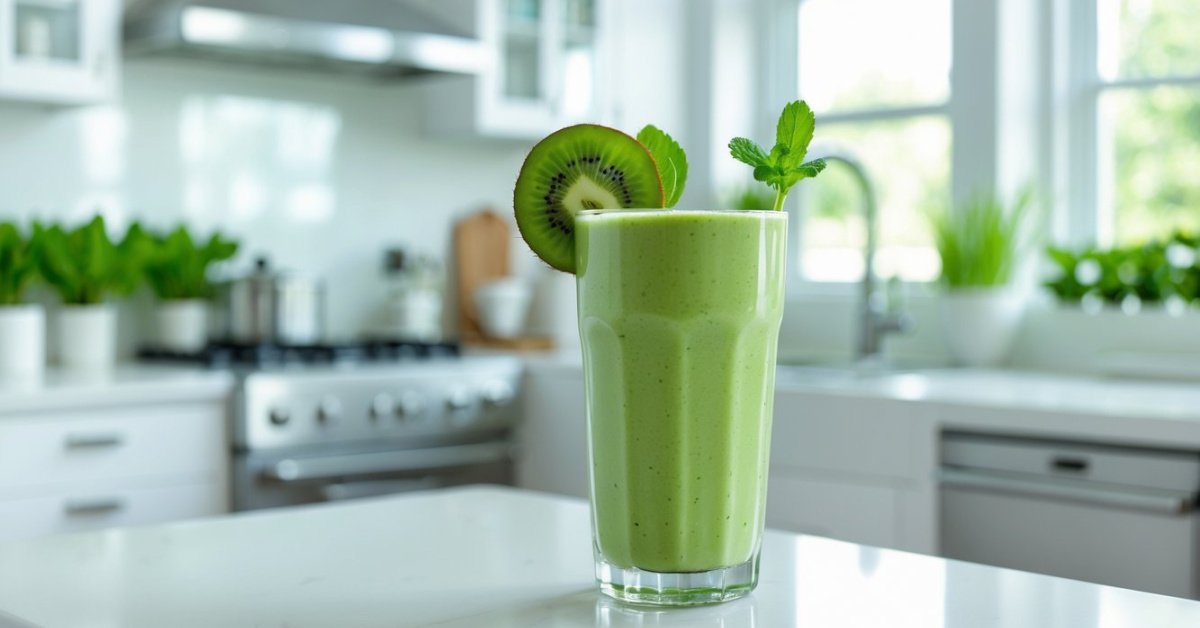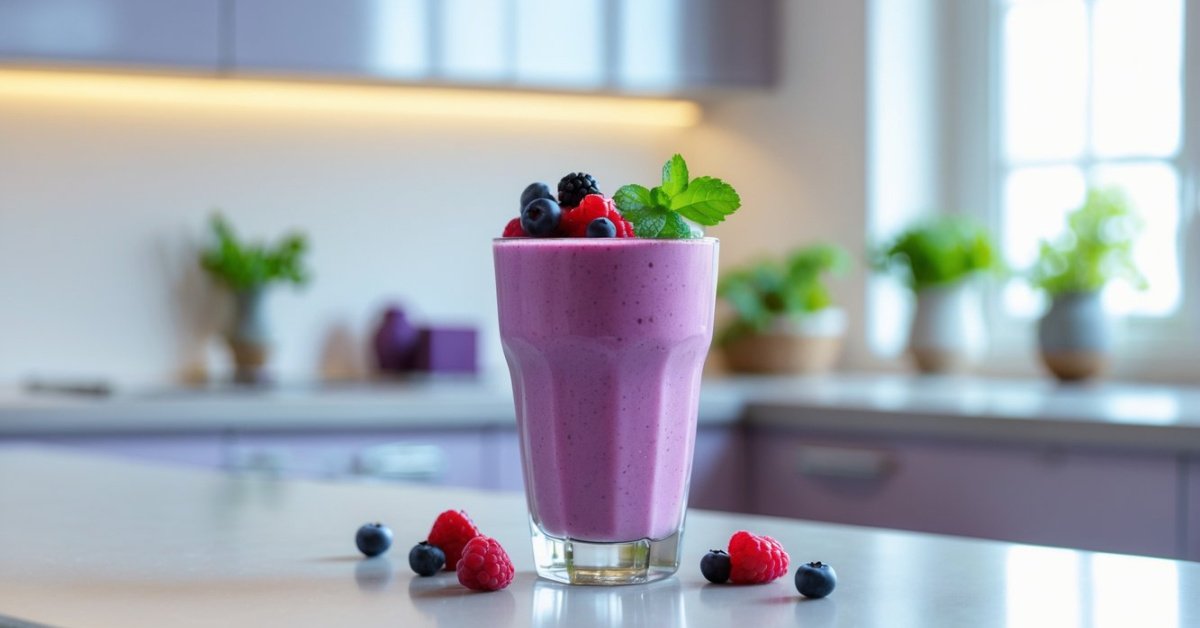

I love starting my day with a smoothie. It’s quick, tasty, and gives me a boost of energy that lasts all morning. But what really makes smoothies a game-changer for me is how easy they make it to pack in the nutrients my body needs.
Sometimes I worry I’m not getting enough vitamins or minerals from my regular meals. With smoothies, I can toss in leafy greens, fruits, seeds, and even a scoop of protein powder to cover my bases. It’s a simple way to help avoid those sneaky nutrient deficiencies without overthinking every meal.
The Importance of Preventing Nutrient Deficiencies
Preventing nutrient deficiencies keeps my customers feeling energized and motivated to make healthy choices daily. Nutrient deficiencies—like low vitamin D, iron, or magnesium—often cause fatigue, weakened immunity, and slower recovery after exercise. By blending a wide variety of colorful produce and quality sources of protein and fiber into my smoothies, I help ensure each blend covers nutrient gaps. For example, berries and spinach support vitamin C and iron intake, while nuts or seeds bring healthy fats and magnesium.
I source and use fresh, nutrient-dense ingredients because vibrant fruits, leafy greens, and plant-based additives keep the body nourished and balanced. The blends at my shop target common shortfalls—like vitamin B12 for plant-based customers and calcium for those with dairy-free diets. I see regular smoothie drinkers report more stable energy, better skin, and fewer cravings, based on my customer feedback.
Addressing nutritional gaps at home with smoothies lets ingredient choices adapt to each person’s preferences. Rotating new fruits, vegetables, and mix-ins in your routine supports long-term well-being and keeps flavor profiles interesting.
How Smoothies Can Help Balance Your Diet
Adding smoothies to your daily routine offers an efficient way to boost nutrient variety and intake. Blending a range of produce like spinach, kale, berries, bananas, and mangoes lets me deliver vitamins A, C, K, and manganese in a single serving. Rotating combinations, such as leafy greens with vitamin-rich berries or tropical fruits with vitamin C, prevents over-reliance on one nutrient source.
Including high-quality protein sources, such as Greek yogurt, silken tofu, or plant-based powders, helps smoothies support muscle maintenance and satiety. Seeds like chia, flax, and hemp bring in omega-3 fatty acids and essential minerals, like magnesium and iron. Adding healthy fats from avocado or nut butters ensures better absorption of fat-soluble vitamins, such as D or E.
Customizing ingredient ratios for specific health goals is possible with smoothies. For example, I increase spinach and hemp hearts for an iron boost, or blend orange and pineapple for more vitamin C. Tracking ingredient variety across the week keeps micronutrients balanced and avoids unwanted excesses or deficiencies.
Carefully selecting natural sweeteners like dates or frozen banana keeps sugars controlled, which supports stable energy throughout the day. Using almond milk, oat milk, coconut water, or traditional dairy adjusts calcium, potassium, and B vitamin levels.
My experience as a smoothie shop owner shows customers benefit most when they approach smoothies as a functional meal, combining at least three produce options, quality proteins, and a healthy fat source. Regularly updating recipes and rotating ingredients helps maximize both nutrition and flavor, minimizing the risk of missing out on key nutrients.
Key Nutrients Commonly Lacking in Diets
Many daily diets miss out on specific nutrients that smoothies can easily deliver. I keep these nutrients top of mind when creating balanced blends that fill gaps and boost well-being.
Vitamins
Vitamin D, vitamin B12, and vitamin C are often low in typical diets. I use leafy greens like spinach and kale to supply vitamin K and folate, while citrus fruits and berries give a strong vitamin C boost. Fortified plant milks or yogurt add vitamin D and B12, especially for those skipping animal products. Consistently rotating fruits and vegetables lets me cover a broad spectrum of essential vitamins in every blend.
Minerals
Iron, magnesium, calcium, and potassium commonly fall short in everyday meals. I add seeds like chia and flax for magnesium and iron, while Greek yogurt or fortified almond milk delivers calcium. Bananas and avocados add potassium, which keeps muscles and nerves in top shape. By combining these mineral-rich foods, I balance each shake to support stronger bones, better energy, and hydration.
Protein and Healthy Fats
Protein and healthy fats help with satiety and balanced energy but don’t always make it into homemade drinks. I rely on Greek yogurt, cottage cheese, or plant-based protein powders for a protein punch. For healthy fats, I turn to nut butters, chia seeds, hemp seeds, and avocado. These ingredients help keep smoothies filling, smooth, and supportive of muscle health and brain function.
Essential Ingredients for Nutrient-Rich Smoothies
Selecting the right blend of ingredients transforms smoothies into powerful tools for avoiding nutrient deficiencies. I always focus on balance and variety when building my blends, making sure every sip provides a spectrum of vitamins, minerals, protein, and healthy fats.
Fruits and Vegetables
Fresh or frozen fruits and vegetables anchor nutrient-rich smoothies. I rotate leafy greens like spinach, kale, and Swiss chard, which supply iron, folate, magnesium, and vitamins A and K. I mix berries, such as blueberries, strawberries, and raspberries, for antioxidants, vitamin C, and fiber. Tropical fruits like mango, pineapple, or banana offer potassium and add natural sweetness. I include carrots or beets for beta-carotene and additional minerals, always aiming for at least two different produce varieties per smoothie.
Seeds, Nuts, and Superfoods
Seeds, nuts, and superfoods work as micronutrient boosters. I sprinkle in chia seeds, flaxseeds, or hemp hearts for omega-3 fatty acids, magnesium, and plant-based protein. I use nut butters (almond, cashew, peanut) to add protein and vitamin E, plus healthy fats to improve satiety. I include superfoods, like spirulina, matcha, or maca powder, when a customer requests an extra functional boost, but I stick to modest amounts so flavors stay balanced.
Dairy and Plant-Based Alternatives
Dairy and plant-based liquids build a nourishing base and boost protein in each serving. I reach for Greek yogurt, kefir, or cottage cheese to deliver calcium, B12, and gut-friendly probiotics. When customers prefer plant-based alternatives, I use soy milk or pea protein milk for higher protein, or almond, oat, or coconut milk for lighter flavors. I often add plant-based protein powder for clients looking to support muscle maintenance or energy, ensuring each smoothie feels satisfying and substantial.
Tips for Creating Balanced Smoothie Recipes
Creating balanced smoothie recipes lets me deliver taste, nutrients, and energy in every glass. I focus on making every blend varied and portioned, steering clear of excess sugars, to provide the best experience possible.
Portion Control and Variety
I keep smoothie portions balanced by following simple ratios: about 1 cup leafy greens (spinach, kale), 1 to 1.5 cups fruits (bananas, mangoes, berries), ½ cup protein source (Greek yogurt, silken tofu, protein powder), and 1 to 2 tablespoons healthy fats (chia seeds, avocado, nut butter). I mix produce colors and types—like rotating spinach with kale or swapping blueberries for strawberries—so each smoothie packs a distinct nutritional punch. I always switch up nuts, seeds, and protein bases for balance and to prevent taste fatigue, which also ensures a wider spread of micronutrients.
Avoiding Excess Sugars
I limit sugars in smoothies by using mostly unsweetened bases—like plain Greek yogurt, nut milks, or water. I sweeten only with small amounts of whole fruits, never juice or syrups, so blood sugar impact stays minimal. If a blend needs more sweetness, I add half a banana or a few dates, not processed sweeteners. I never use canned fruits or fruit concentrates, as those increase sugar content without extra nutrients. Each time I craft a new recipe, I scan the ingredients to confirm the natural sugar load fits a balanced daily intake.
Conclusion
I’ve found that making smoothies a regular part of my routine is one of the simplest ways to support my health and well-being. With so many ingredient options and ways to personalize each blend there’s always room to experiment and discover new favorites.
Staying mindful about what goes into my smoothies helps me feel confident that I’m covering my nutritional bases. It’s a delicious habit that keeps me energized and motivated to keep my meals colorful and balanced every day.