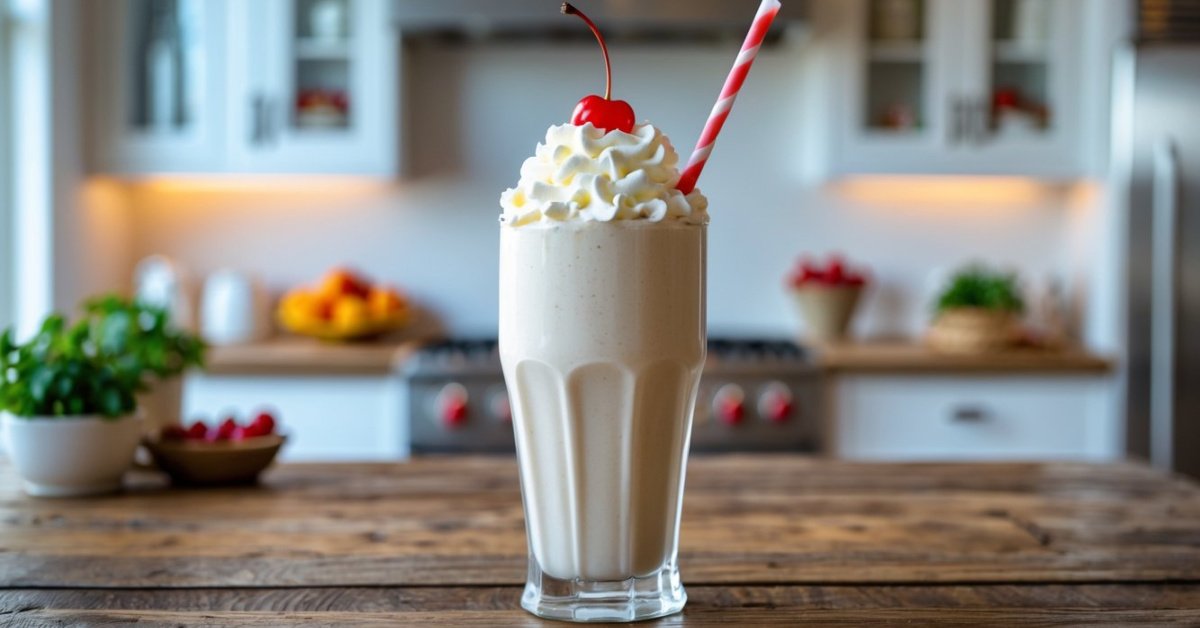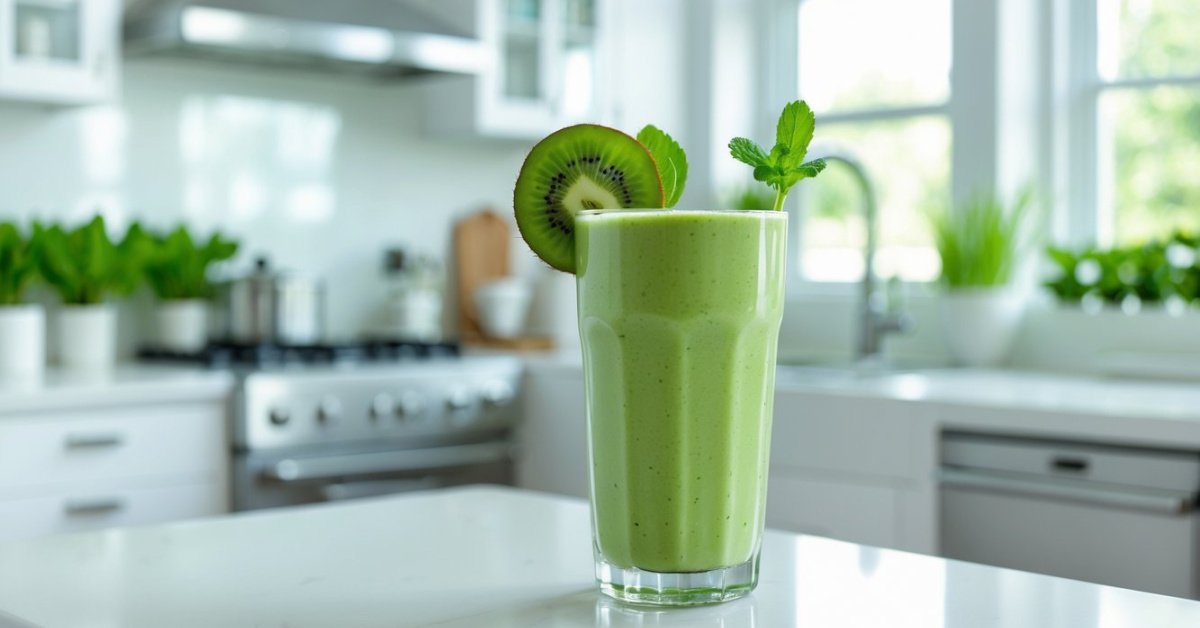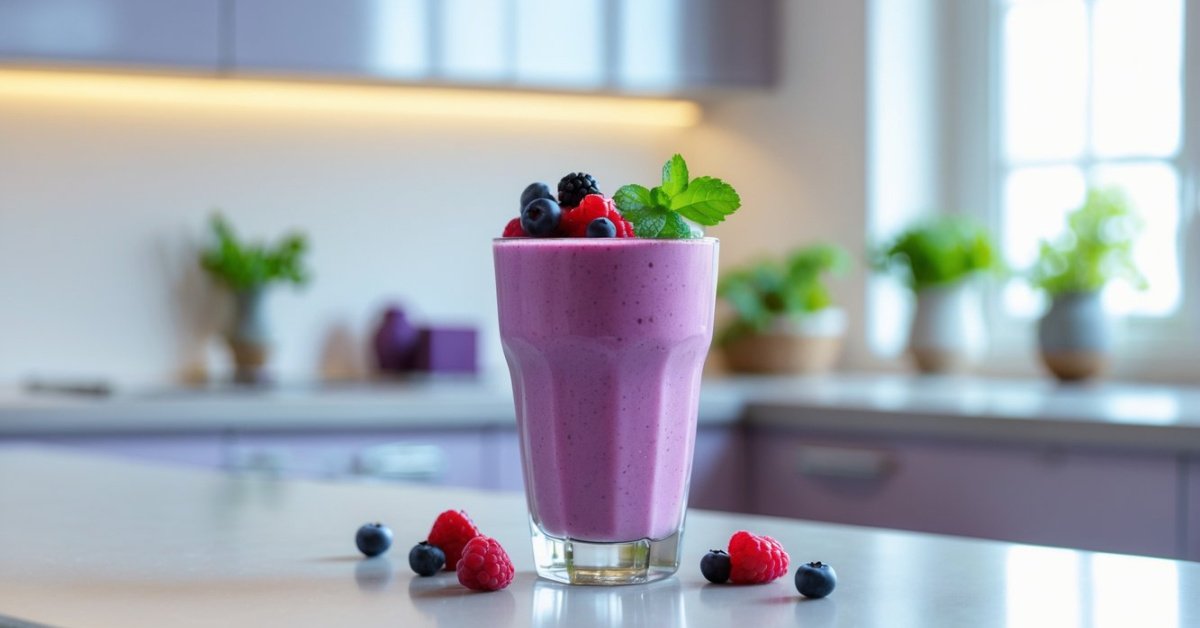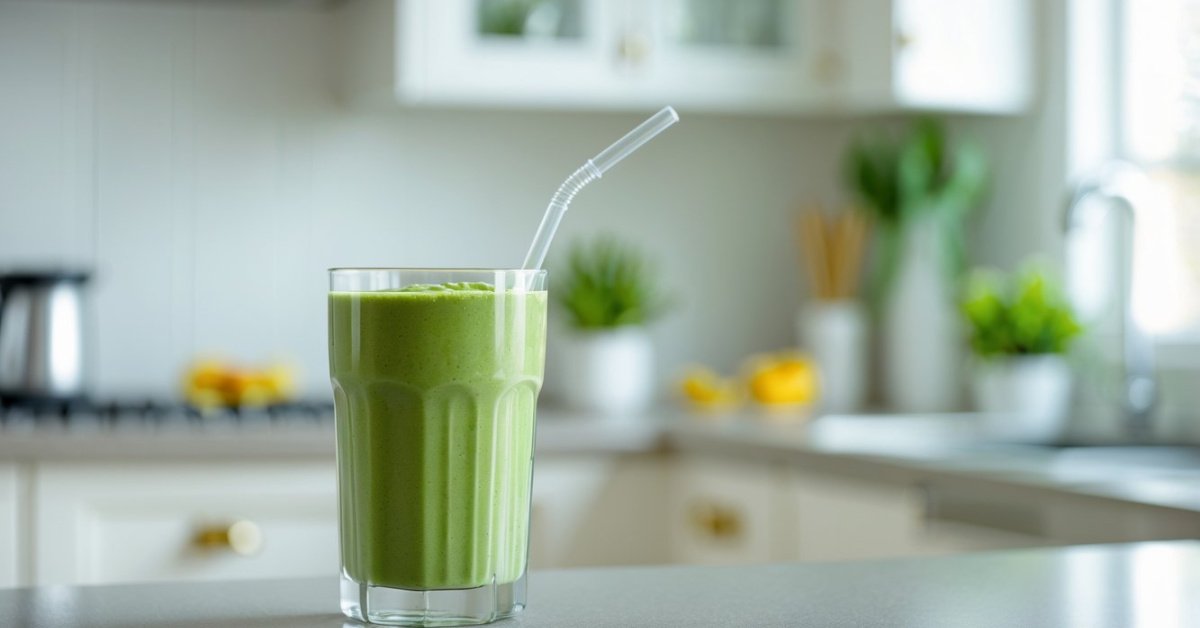
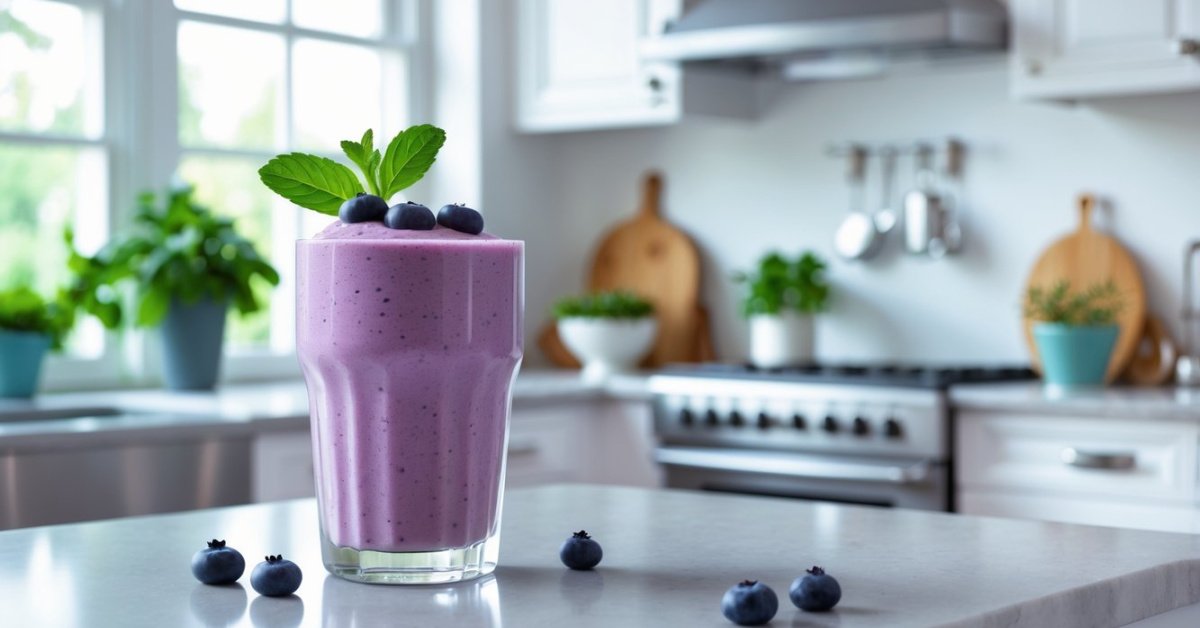
When I’m dragging through a busy day I always reach for my favorite energy-boosting shake. It’s quick it’s delicious and it gives me that extra kick I need. But there’s more to these shakes than just natural sugars and protein—iron plays a surprisingly important role in how energized I feel.
Iron isn’t just something I think about for overall health. It’s a key player in how my body uses energy and how well I bounce back from fatigue. Adding the right amount of iron to my shakes can make a real difference in my daily routine. If you’re curious about why iron matters and how to make the most of it in your shakes you’re in the right place.
Understanding Iron and Its Importance
Iron supports oxygen transport in the body. I use iron-rich ingredients in my shakes because hemoglobin, the protein in red blood cells, depends on iron to deliver oxygen. Without enough iron, energy dips and fatigue sets in—I’ve seen this in customers who feel sluggish or tired after skipping iron sources.
Iron aids energy production. Mitochondria, tiny structures inside cells, rely on iron to generate ATP, the main energy currency. When my smoothies contain iron-rich foods like spinach or fortified oats, people often notice a boost in overall vitality.
Iron also helps with recovery. After workouts, muscles need oxygen and tissue repair, both linked to healthy iron levels. Including iron from plant-based sources, such as seeds or beans, works especially well for those preferring dairy-free or vegan shakes.
Iron comes in two types—heme and non-heme. Heme iron, found in animal sources, gets absorbed easily, while non-heme iron from plants needs vitamin C for better absorption. I always add fresh fruits like kiwi or strawberries to my green shakes for this reason.
Deficiency remains common. CDC reports that iron deficiency affects about 10% of women ages 12–49 in the US, which makes mindful ingredient choices essential for anyone seeking energy-boosting shakes at home.
How Iron Supports Energy Production
Iron directly boosts the body’s ability to sustain energy, making every shake more effective. I pick my ingredients to strengthen this process, knowing how crucial iron is for anyone blending up nutritious shakes at home.
Iron’s Role in Oxygen Transport
Iron forms the core of hemoglobin, which gives red blood cells the power to deliver oxygen throughout the body. When my customers enjoy an iron-rich shake, they’re helping their bodies get more oxygen to their muscles and brain. In my recipes, I include spinach or pumpkin seeds to keep oxygen moving efficiently, since without iron, exercise and daily activities might cause quicker fatigue.
Impact on Metabolism and Fatigue
Iron influences energy production by fueling enzymes in the mitochondria, the body’s energy centers. With low iron, I notice people often feel tired after mild activity. My go-to shake ingredients like cacao nibs and chia seeds support iron intake and help battle mid-afternoon slumps. By focusing on these choices, I know I’m making shakes that counter fatigue and steady metabolism for everyone who walks into my shop or makes a smoothie at home.
Iron in Energy-Boosting Shakes
I make every shake in my shop count toward better nutrition, and iron always plays a key part in that process. This essential mineral powers energy levels by supporting oxygen delivery and efficient metabolism.
Common Iron Sources in Shakes
I select iron-rich ingredients for shakes to help boost daily iron intake. Spinach, kale, and Swiss chard stand out among leafy greens for iron content. Fortified oats, pumpkin seeds, chia seeds, and hemp hearts add more plant-based iron to blends. For those who enjoy sweet notes, cacao nibs and dried apricots are favorites that pack extra iron. My personal mixes often feature blackstrap molasses and tofu, both strong sources for anyone following a vegan or vegetarian diet.
Absorption and Bioavailability Considerations
Pairing iron sources correctly in a shake increases how much your body absorbs. Plant-based shakes mostly rely on non-heme iron, which the body takes up less efficiently than heme iron in animal-based foods. I always add vitamin C-rich fruits like strawberries, oranges, or kiwi to help boost non-heme iron absorption. By blending these fruits with iron sources, I improve bioavailability and make every sip count. I avoid mixing too much calcium or high-tannin ingredients, like certain teas, in the same shake batch since they may reduce absorption rates. Every ingredient choice in my recipes focuses on maximizing iron benefits and overall energy support.
Benefits of Adding Iron to Energy-Boosting Shakes
Adding iron to energy-boosting shakes creates blends that support both body and mind. As a smoothie shop owner passionate about quality, I always choose iron-rich ingredients to amplify these benefits at home and behind the counter.
Enhanced Physical Performance
Iron-rich shakes help optimize physical performance by improving oxygen delivery. My blends with spinach, kale, or pumpkin seeds increase hemoglobin, making it easier for red blood cells to transport oxygen to muscles during exercise or busy days. Customers who add these ingredients notice less muscle fatigue and recover faster after workouts. Using iron alongside vitamin C-rich fruits like oranges or berries also improves non-heme iron absorption, which further boosts stamina for those who regularly blend at home.
Improved Mental Alertness
Iron-fortified shakes support improved concentration and sharper focus through efficient oxygen supply to the brain. I select ingredients like Swiss chard, fortified oats, and cacao nibs that support cognitive function in every serving. Pairing these with vitamin C sources helps unlock their energy-boosting potential, making it easier to stay sharp at work or while studying. Many regulars at my shop—especially those juggling demanding schedules—find that combining these ingredients helps combat afternoon energy slumps and maintain mental clarity all day.
Potential Risks and Considerations
Iron supports energy levels in shakes, but not everyone benefits from higher iron intake. I always select ingredients with care, balancing energy support with overall well-being.
Iron Overload and Side Effects
Iron overload may occur if someone includes too many iron-rich ingredients or takes additional iron supplements alongside shakes. Symptoms include stomach discomfort, constipation, nausea, and—if intake is very high over time—organ damage (NIH, 2023). I always encourage paying attention when mixing fortified ingredients, like cereals and plant-based milks, if you combine several in one shake.
Who Should Avoid Extra Iron?
Some people should avoid adding iron-rich ingredients without consulting their healthcare provider. For example, individuals with hereditary hemochromatosis, a genetic disorder causing excess iron absorption, risk serious health issues from extra iron (CDC, 2022). Those who already take iron supplements, have recurring stomach issues, or are prescribed iron for a medical condition need to speak with a healthcare professional before changing their intake. I recommend checking iron status to anyone who’s unsure before boosting iron in home shakes and smoothies.
Conclusion
When I craft my energy-boosting shakes I always pay close attention to the iron content in my ingredients. It’s not just about flavor or convenience—it’s about making every sip count for my energy and well-being.
By being mindful of iron sources and how I pair them I can help support my body and mind throughout the day. If you’re looking to get the most out of your shakes a little focus on iron can make a big difference.