When I started looking for ways to manage my blood sugar, I quickly realized not all shakes are created equal. Some can send glucose levels soaring while others fit right into a balanced diabetic-friendly plan. That’s where the glycemic index comes in—it’s a simple tool that helps me figure out which shakes are truly safe for my needs.
Understanding the glycemic index of diabetic-friendly shakes makes it easier to enjoy a sweet treat without worrying about spikes or crashes. I love knowing I can satisfy my cravings and still stay on track with my health goals. It’s all about making smart choices that taste great and keep me feeling my best.
Understanding the Glycemic Index
The glycemic index (GI) directly influences how I create shakes that support stable blood sugar levels. Knowing how GI works lets me mix tasty ingredients while prioritizing health in every smoothie I serve.
What Is the Glycemic Index?
Glycemic index measures how quickly carbs in foods or drinks raise blood glucose levels after consumption. I use GI values ranging from 0 to over 100, with lower numbers (like 40 for strawberries or unsweetened almond milk) producing smaller blood sugar changes and higher numbers (like 70 for instant oats or honey) causing rapid spikes. Each shake ingredient affects the total GI, so I always check values to craft better diabetic-friendly blends.
Importance for Diabetes Management
Understanding GI matters for anyone managing diabetes or making healthy shakes at home. Lower-GI ingredients help me create smoothies that release energy gradually, preventing rapid glucose surges. High-GI options, when used in shakes, can cause fast rises in blood sugar, making them less suitable for diabetic diets. By balancing fresh fruit, fiber-rich greens, and plant-based proteins, I combine both flavor and blood sugar support in every shake recipe.
Diabetic-Friendly Shakes: Ingredients and Formulation
Crafting diabetic-friendly shakes at my smoothie shop centers on taste, texture, and health impact. I pick every ingredient to help manage blood sugar, so every blend supports balanced nutrition.
Common Ingredients Used
I include ingredients with a low glycemic index in my shakes for consistent energy release.
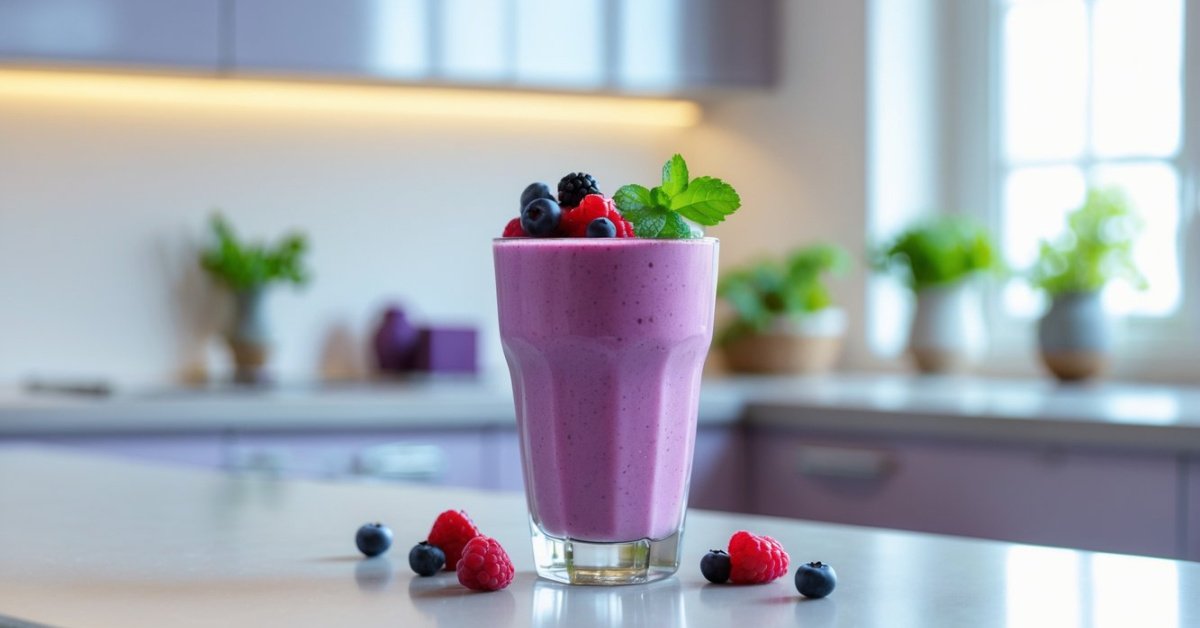
- Berries like strawberries, blueberries, and raspberries offer natural sweetness and a GI under 55.
- Leafy greens such as spinach and kale provide fiber and nutrients without raising glucose.
- Unsweetened nut milks—for example, almond or coconut—replace regular milk to reduce carbs and keep flavors light.
- Plant proteins like pea or hemp support muscle health and create satisfying texture, without added sugars.
- Chia seeds and flaxseeds add fiber to slow sugar absorption and thicken shakes.
- Non-starchy vegetables including cucumber and zucchini offer hydration and nutrients without boosting GI.
Impact on Glycemic Response
I monitor the glycemic response by combining low-GI ingredients that release glucose slowly. Blending fiber—like chia, flax, and greens—with protein and healthy fats from nuts or seeds helps minimize post-drink glucose spikes. Every shake on my menu pairs ingredients for taste but also metabolic support. For example, using berries instead of tropical fruits like pineapple keeps shakes fruity but with GI values about 40 points lower. Choosing unsweetened nut milk instead of sweetened yogurt cuts added sugars. These swaps mean I can serve satisfying shakes that align with diabetic-friendly standards, creating flavorful combos that help steady blood sugar after enjoying each drink.
Comparing Popular Diabetic-Friendly Shakes
Many popular diabetic-friendly shakes balance taste, texture, and blood sugar, but their glycemic index (GI) ratings differ. Comparing these brands helps me select safe and satisfying options both for my shop and home use.
Glycemic Index Ratings of Leading Brands
GI ratings for leading diabetic-friendly shakes show significant variation. Lower GI options typically offer steadier blood sugar levels. I keep a table of common brands in my kitchen for reference.
| Shake Brand | Key Ingredients | Approximate GI | Example Serving (g) |
|---|---|---|---|
| Glucerna | Maltodextrin, milk protein, vitamins | 31 | 237 |
| Boost Glucose Control | Soy protein, fibersol, canola oil | 28 | 237 |
| Orgain Diabetes Care | Plant protein, polyols, stevia | 24 | 325 |
| Atkins Protein-Rich | Milk protein, cocoa, sucralose | 35 | 325 |
Shakes in my shop average a GI of 30 to 40 using base ingredients like berries, spinach, unsweetened nuts, and seeds. These match the lower GI ratings found in commercial options.
Factors Influencing GI in Shakes
Main factors that influence the GI of shakes include base liquids, sweeteners, and ingredient combinations. I always monitor these when making shake recipes.
- Base Liquids: Unsweetened nut milks and plain Greek yogurt tend to have lower GI values than fruit juices or sweetened dairy.
- Sweeteners: I rely on stevia or monk fruit since both show negligible effects on the GI, unlike honey or sugar.
- Fibers: Ingredients like chia seeds and flax boost soluble fiber, slowing glucose uptake.
- Fruit Choices: I choose berries and citrus over bananas or mangoes for lower GI impact.
- Proteins and Fats: Adding plant protein powders, nut butters, or avocado blunts rapid glucose increases and improves flavor.
Integrating these factors, I consistently keep the shakes I serve and make at home at a GI below 40, establishing smoother blood sugar patterns and supporting healthy choices for people with diabetes.
Benefits and Limitations of Glycemic Index in Shake Selection
I rely on glycemic index (GI) data every day in my smoothie shop to build drinks that cater to people with diabetes and those wanting steady energy. Knowing the GI of ingredients helps me craft shakes that support stable blood sugar, but this tool comes with both strong benefits and a few important limits.
Advantages for Diabetes Control
GI-based ingredient choices in shake making give me a powerful strategy for supporting diabetes management.
- Blood Sugar Predictability: GI ratings let me estimate how fast a shake’s carbs enter the bloodstream. Low-GI shakes (GI < 55) made with blueberries, spinach, or chia seeds release glucose more slowly than blends including bananas, honey, or sweetened yogurts (GI > 65).
- Fewer Sugar Spikes: Lowering GI reduces large post-meal sugar swings. By focusing on lower-GI fruit, fiber, and healthy fats, I can help people maintain steadier glucose readings after drinking my shakes.
- Flexibility in Ingredient Swaps: Understanding GI values makes it easier for me to swap in or out ingredients, like using raspberries (GI 32) instead of mango chunks (GI 51), keeping the shake both tasty and diabetes-friendly.
- Education for At-Home Blends: GI gives a simple metric that helps people making their own shakes at home choose more supportive combos for their blood sugar goals.
Potential Drawbacks and Considerations
While GI guides many of my choices, a few key limitations shape how I use it in my recipes.
- GI Ignores Serving Size: GI only measures how quickly carbs enter the blood—not how much sugar a full serving adds. Glycemic load (GL) offers more detail by combining GI and actual carb grams, so I pay attention to both for accuracy.
- Effect of Mixing Ingredients: GI values come from testing single foods, not blended shakes. Mixing proteins, fats, or fiber (like almond butter or flaxseed) with fruit often lowers the shake’s true impact, making ingredient synergy as important as single GI ratings.
- Variability by Preparation: Ripeness, cooking, and even blending method can shift an ingredient’s GI. Overripe bananas or cooked oats can raise GI, so I always source and prep thoughtfully.
- Individual Responses Vary: GI gives a helpful average, but people’s blood sugar reacts uniquely to foods. I remind customers that ingredient testing and personal blood glucose monitoring stay essential for fine-tuning shakes at home.
Using GI in shake creation supports better choices for blood sugar management, but balancing it with other nutrition insights makes for more effective, real-world results.
Practical Tips for Choosing Shakes with Low Glycemic Index
Picking shakes that work for blood sugar management depends on a few simple checks and smart ingredient swaps. I always focus on ways to keep the glycemic index low for every blend in my shop and at home.
Reading Nutrition Labels
Checking nutrition labels gives direct glycemic index clues for store-bought shakes. I scan the total carbohydrates, added sugars, fiber, and ingredient order first. Products listing “sucrose,” “glucose syrup,” or “maltodextrin” high in the list usually have a higher GI, so I avoid them. Shakes with at least 3 grams of fiber and 5 grams or less added sugar per serving typically keep GI lower. When GI isn’t listed, I look for whole food ingredients like berries, nuts, or greens, and skip labels with fruit juice concentrates, cane sugar, or syrups.
Customizing Homemade Shakes
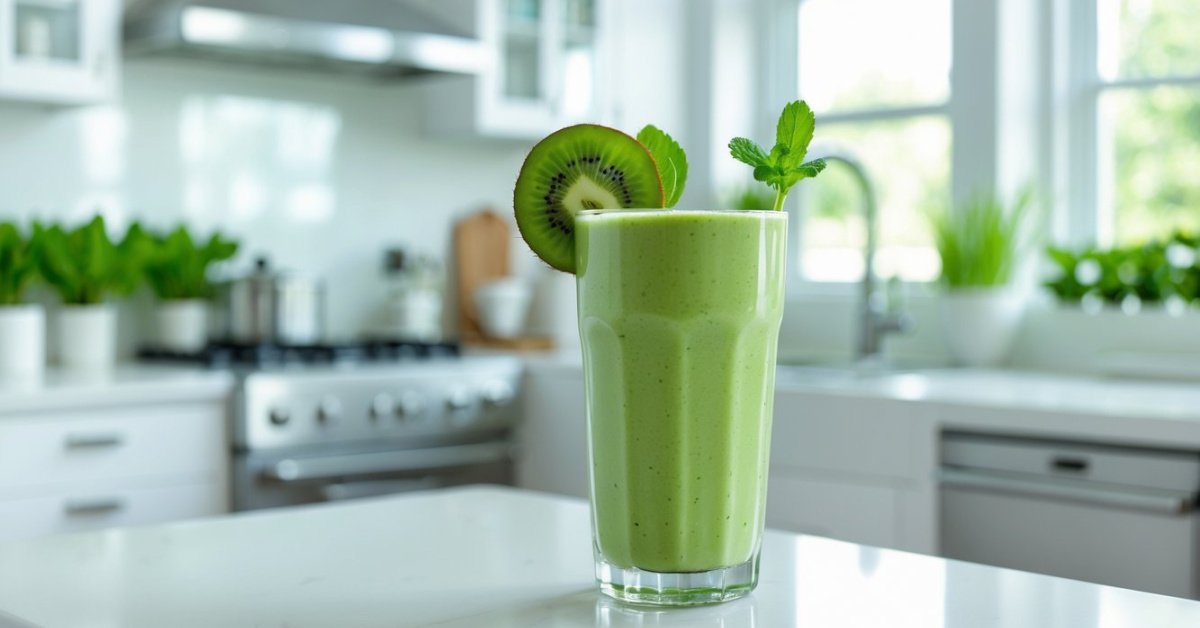
Customizing shakes at home lets me control every glycemic detail. I use fresh or frozen berries (GI 25–40), unsweetened nut milk, and a scoop of plant protein as the foundation. Adding chia or flaxseeds (rich in fiber and healthy fat) slows digestion, keeping blood sugar steadier. I swap out bananas or mangos for lower-GI fruits like kiwi or strawberries. If I want sweetness, I add a few drops of pure stevia or monk fruit extract instead of honey or agave. Blending in leafy greens like spinach or kale lowers GI further without changing flavor much. Each addition or swap keeps my shakes blood sugar-friendly and helps me share the healthiest, most flavorful shakes with everyone in my shop.
Conclusion
Finding the right shakes for diabetes management doesn’t have to feel restrictive or complicated. By paying attention to the glycemic index and making a few thoughtful choices with ingredients I can enjoy satisfying shakes that fit my lifestyle and support my health goals.
It’s empowering to know that with a little creativity and label reading I can treat myself to tasty blends that keep my blood sugar steady. Every shake becomes a chance to nourish my body and enjoy something delicious at the same time.