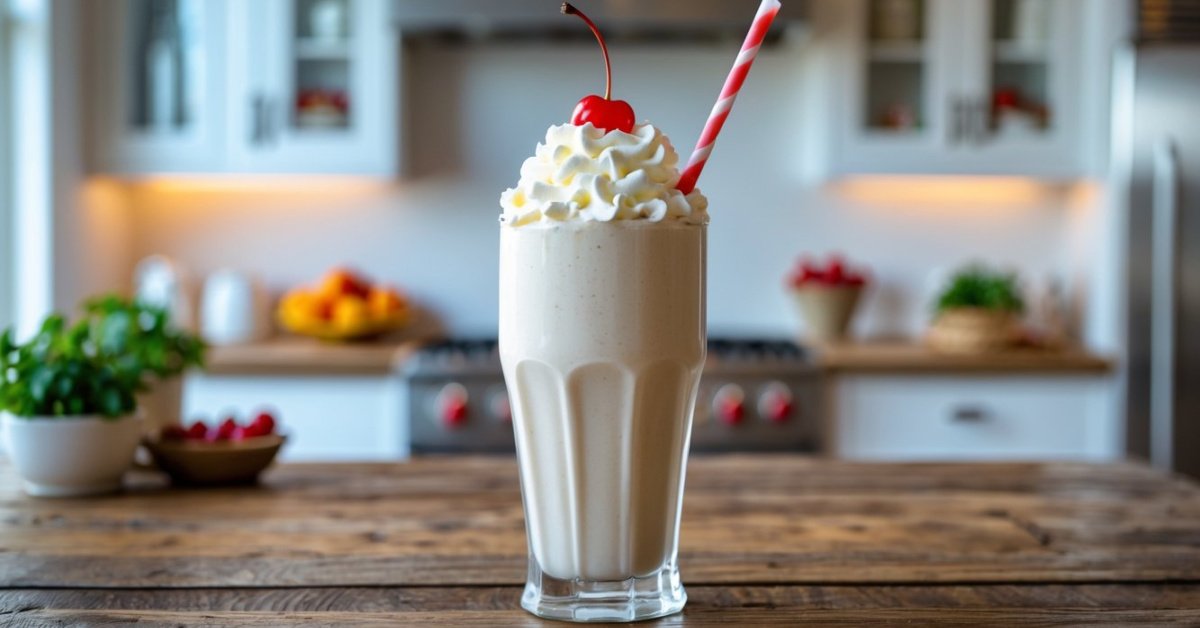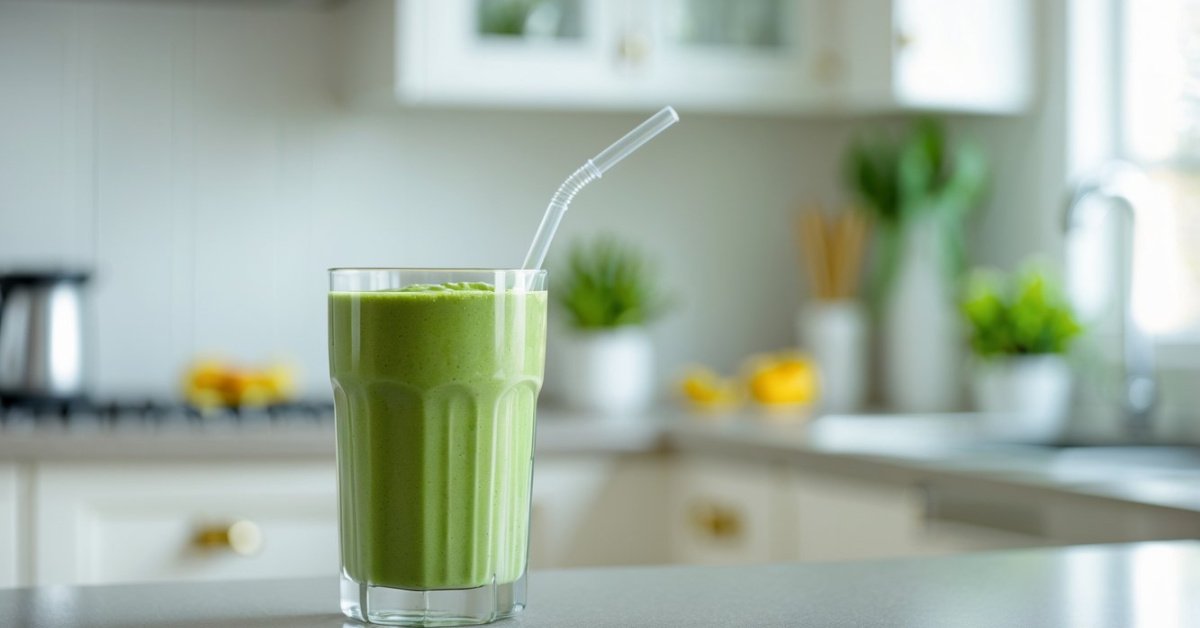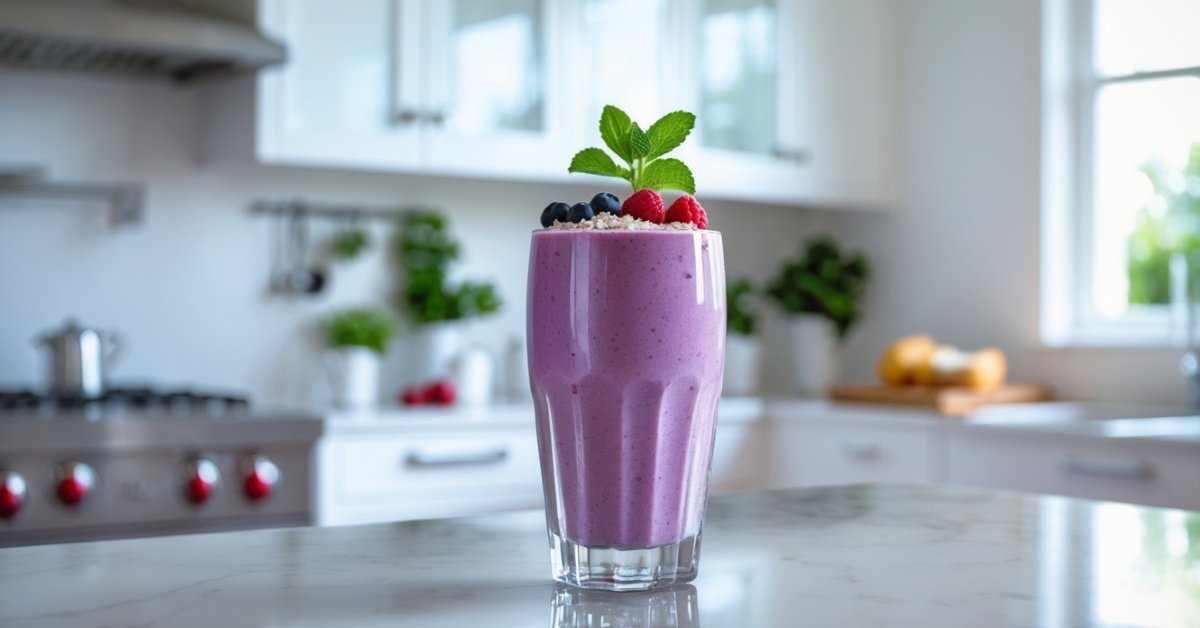
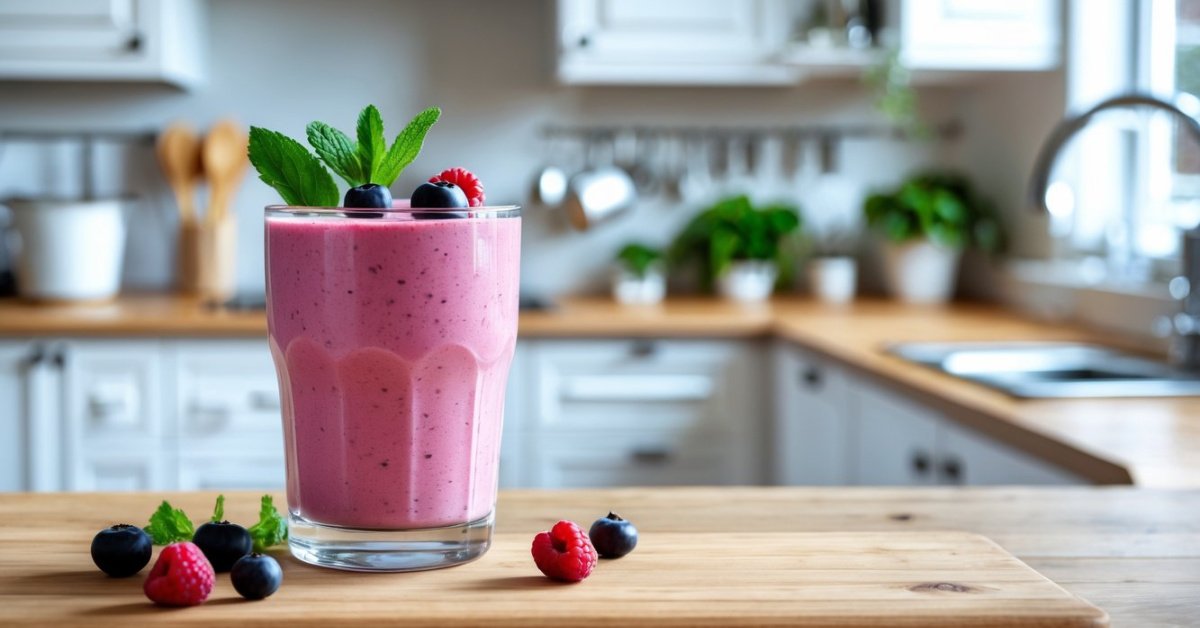
Some days just get away from me and finding time for a balanced meal feels impossible. That’s when a meal replacement shake can really save the day. But grabbing any old shake from the store shelf doesn’t always give my body what it actually needs.
I’ve learned that making my own shake at home is the best way to stay in control of the nutrition and flavor. It’s quick it’s easy and I get to pick every ingredient. Whether I’m rushing out the door or just want something simple and satisfying I know a homemade shake can keep me fueled and feeling good.
Understanding Meal Replacement Shakes
Meal replacement shakes offer a quick way to get key nutrients in one glass. I see many customers at my smoothie shop looking for options that balance convenience and nutrition. These shakes combine ingredients like proteins, carbohydrates, healthy fats, vitamins, and minerals so you can fill nutrition gaps when you’re busy.
Balanced shakes give your body more than just calories. Each shake I make at the shop pairs a quality protein source (like Greek yogurt or plant-based protein powder) with a mix of fruits, vegetables, and healthy fats (avocado, nuts, or seeds). Many store-bought shakes lack this fresh mix and often contain added sugars or low-quality oils.
A meal replacement shake helps maintain energy, keeps you full, and supports metabolism. For example, shakes using whole fruits supply fiber and antioxidants while protein sources keep muscles fueled. At home, you can make every shake fit your needs—boosting protein, adjusting carbohydrates, and including ingredients that support your goals, like spinach for iron or blueberries for antioxidants. By making shakes myself, I create blends that always taste fresh and delicious, while giving my body the nourishment I want.
Key Components of a Balanced Meal Replacement Shake
Crafting a meal replacement shake at home lets me fine-tune every ingredient for taste and nutritional balance. Every balanced shake in my shop always covers four essentials.
Protein Sources
Protein supports muscle repair and keeps me satisfied between meals. I favor Greek yogurt, whey or plant-based protein powders like pea or hemp, and soft tofu. Two examples I rely on are an unsweetened protein powder blended with berries or silken tofu paired with mango.
Healthy Fats
Healthy fats help stabilize energy and improve flavor and texture in my shakes. I regularly add avocado, unsweetened nut butters like almond or peanut, or ground flaxseed. Two examples I enjoy include half an avocado for creaminess or a tablespoon of chia seeds for extra healthy omega-3s.
Carbohydrates and Fiber
Carbohydrates and fiber give quick energy and support steady digestion. Rolled oats, cooked quinoa, or frozen fruits like banana and berries work well. Bananas add natural sweetness, while a handful of spinach or a scoop of oats bulks up a shake and boosts its fiber content.
Essential Vitamins and Minerals
Vitamins and minerals drive my body’s processes and support my energy all day. I boost nutrition by adding leafy greens like spinach, a handful of berries for antioxidants, or fortified non-dairy milk. Adding a variety of whole fruits and vegetables, plus seeds like pumpkin or sunflower, always maximizes nutrient content in every shake I create.
Step-By-Step Guide: How to Make a Balanced Meal Replacement Shake
I make every shake with the same goal—nutrient balance, flavor, and simplicity. Here’s how I build every smoothie and shake for the best results.
Choosing Your Ingredients
I select protein, carbs, fats, and micronutrients for each shake. I use Greek yogurt, pea protein, or whey when I want a rich, creamy source of protein. I add rolled oats, frozen banana, or berries for long-lasting energy from complex carbs. I use avocado, flaxseed, or almond butter as my healthy fat source—these keep me full and add smoothness. I include leafy greens like spinach or kale and fortified plant-based milk for vitamins, minerals, and extra creaminess. I avoid added sugars and artificial flavorings, only choosing whole-food ingredients for a cleaner nutrition profile.
Mixing and Blending Tips
I add liquids first to the blender for even mixing—plant-based milk or filtered water work best. I layer softer ingredients next, like yogurt or tofu, then add hard or frozen items last, like frozen fruit and ice. I blend on low for 10–15 seconds to combine, then switch to high for up to 60 seconds for maximum smoothness. I check the consistency midway and blend a bit longer if any chunks remain. I clean my blender immediately with warm water and a drop of dish soap for easy maintenance.
Adjusting Taste and Texture
I adjust every shake for flavor and texture—when I want more sweetness, I add half a ripe banana, pitted dates, or a splash of 100% fruit juice. I thicken shakes by blending in extra ice or frozen berries and thin them by adding more milk or water. I balance bitterness from greens with a handful of pineapple or mango and mellow tart flavors with creamy yogurt or unsweetened nut butter. I sample and fine-tune in small steps, focusing on building a shake that’s both delicious and rich in nutrients for my customers and myself.
Common Mistakes to Avoid
- Skipping Protein Sources: Protein keeps meal replacement shakes filling and supportive of muscle health. Examples include Greek yogurt, pea protein powder, or tofu. Relying only on fruit and milk leaves shakes low in protein.
- Overusing Fruit or Sweeteners: Too much fruit or using honey, agave, or flavored yogurts pushes shakes into high sugar territory. I measure total fruit to 1 cup, using frozen berries or banana, and never add syrups or sugar.
- Ignoring Healthy Fat: Healthy fats like almond butter, avocado, or chia seeds provide staying power. Skipping fats means the shake leaves you hungry after an hour.
- Forgetting Fiber and Greens: Blending in spinach, kale, oats, or flax prevents crashes by supporting digestion and fullness. Using only leafy greens or powders without fiber doesn’t create a balanced shake.
- Neglecting Liquid Variety: Relying only on juice or low-fat milk limits micronutrients. I use fortified non-dairy milks, kefir, or coconut water for macros and minerals in every blend.
- Rushing Blending or Mixing: Incomplete blending creates unpleasant texture and missed nutrition. I always blend ingredients on high for at least 45 seconds, scraping sides for smooth consistency.
- Skimping on Portion Awareness: Portion size easily adds excess calories. I measure each main ingredient and rely on a set number of scoops, cups, or tablespoons per shake.
- Overlooking Freshness and Taste: Fresh ingredients look, taste, and nourish better. Using wilted greens or old nuts makes shakes flat and less appetizing. I rotate produce weekly and taste every batch.
- Failing to Customize: Customizing shakes for specific nutrition goals is key. Using the same recipe for every blend misses opportunities for vitamin diversity and flavor. I adjust ingredients for energy, recovery, or meal replacement needs.
Sample Recipes for Balanced Meal Replacement Shakes
My smoothie shop thrives on recipes that deliver balanced nutrition with bold flavors. Each shake recipe below combines protein, carbohydrates, healthy fats, fiber, and micronutrients to create a complete meal in a glass. I prioritize ingredients that add both taste and real nourishment.
Peanut Butter Banana Power Shake
- Ingredients: 1 cup unsweetened almond milk, 1 scoop vanilla plant-based protein powder, 1 tablespoon natural peanut butter, 1 medium ripe banana, 2 tablespoons rolled oats, 1 cup spinach, ice cubes.
- Directions: Blend all items until smooth. Add more almond milk if a thinner consistency’s needed.
My customers love this shake because it gives sustained energy with 20 grams protein, healthy fats, and fiber-rich greens.
Berry Green Energy Shake
- Ingredients: 1 cup Greek yogurt, 1 cup mixed berries (strawberries, blueberries, raspberries), 1/2 avocado, 1 tablespoon chia seeds, 1/2 cup kale leaves, 3/4 cup water.
- Directions: Combine all ingredients. Blend until creamy.
The creamy texture and 12 grams dietary fiber in this shake support fullness and digestive health.
Chocolate Oat Fuel Shake
- Ingredients: 1 cup soy milk, 1 scoop chocolate protein powder, 1/4 cup rolled oats, 1 tablespoon almond butter, 1 pitted Medjool date, 1 tablespoon ground flaxseeds, dash of cinnamon.
- Directions: Blend on high for a rich, smooth finish.
This shake supplies omega-3s, complex carbohydrates, and a decadent chocolate taste. Shop customers enjoy it most as a post-workout refuel.
Mango Coconut Recovery Shake
- Ingredients: 1 cup coconut milk, 1 cup frozen mango chunks, 1/2 cup silken tofu, 1 tablespoon hemp seeds, 1 tablespoon shredded coconut, 1/2 cup baby spinach.
- Directions: Blend all ingredients together until velvety.
Mango and coconut flavor plus 15 grams protein make this shake a favorite for muscle recovery and hydration.
Balanced Meal Shake Nutrition Table
| Shake Name | Protein (g) | Fiber (g) | Healthy Fat Sources | Key Micronutrients |
|---|---|---|---|---|
| Peanut Butter Banana Power | 20 | 7 | Peanut butter, oats | Iron, Potassium, Folate |
| Berry Green Energy | 18 | 12 | Avocado, chia seeds | Vitamin C, Calcium |
| Chocolate Oat Fuel | 25 | 8 | Almond butter, flaxseed | Magnesium, Omega-3 |
| Mango Coconut Recovery | 15 | 6 | Coconut, hemp seeds | Vitamin A, Potassium |
By using fresh, premium ingredients in these shakes, I help my customers enjoy balanced nutrition with real, satisfying flavor every time. I encourage experimenting by swapping fruits and greens or adding spices and extracts to suit your personal health goals.
Conclusion
Making my own meal replacement shakes has truly changed the way I approach busy days. I love knowing exactly what’s going into my body and being able to tweak each shake to match how I’m feeling or what I need. There’s something satisfying about blending up a fresh shake that tastes great and keeps me going strong.
If you haven’t tried making your own yet give it a shot. Once you find the combos you love you’ll never look at store-bought shakes the same way again. Happy blending!