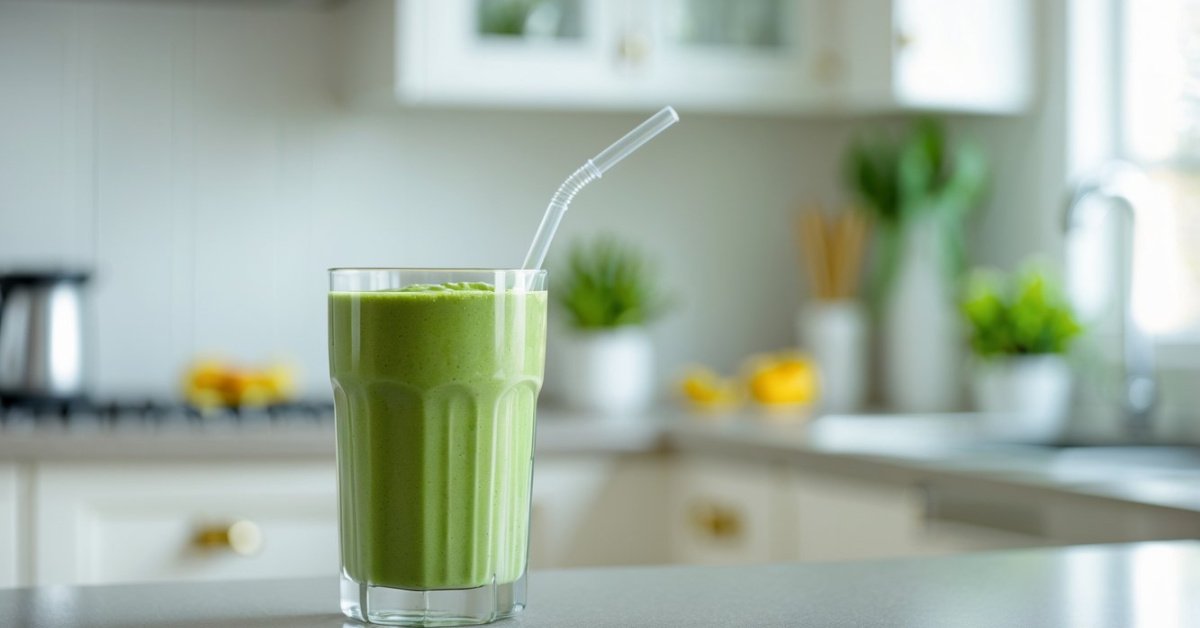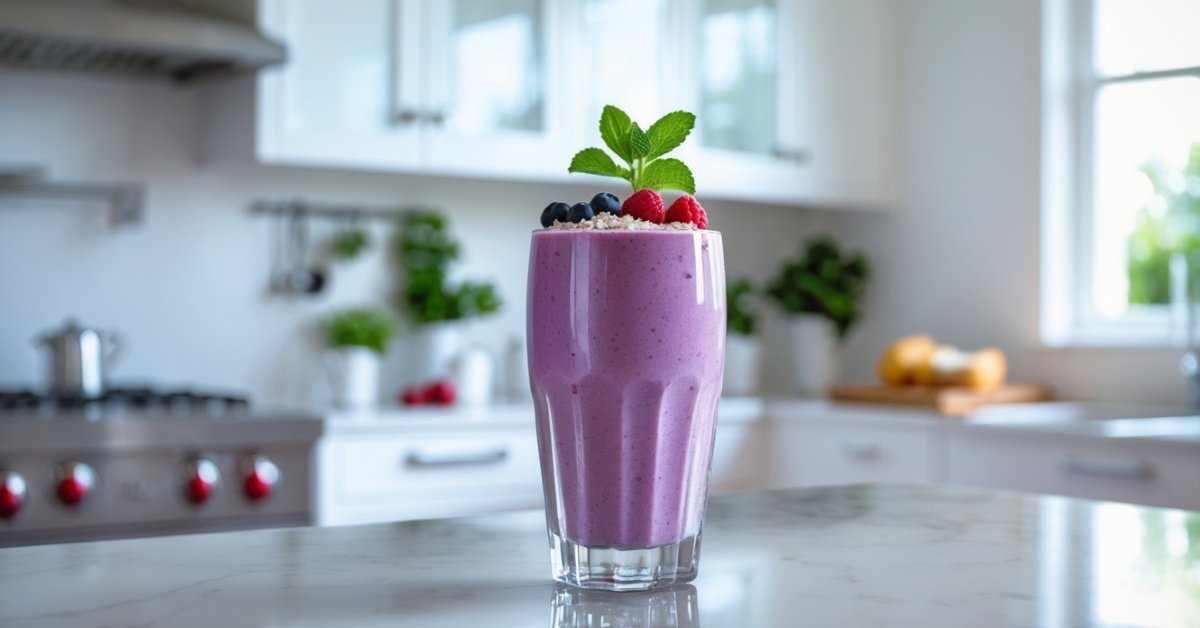
I’ve always loved starting my day with a refreshing smoothie. It’s quick delicious and packed with nutrients. But what really surprised me was learning that the right smoothie ingredients can actually help strengthen my teeth.
Instead of just focusing on flavor I’ve started thinking about how each sip can support my dental health. It’s easier than I thought to blend up something tasty that also gives my teeth the boost they need. If you’re looking for a fun way to care for your smile you’ll love discovering how simple smoothie swaps can make a real difference.
The Importance of Dental Health
Strong teeth impact how I enjoy every smoothie and shake I create at my shop. Healthy teeth help with chewing, speaking, and maintaining a confident smile. Weak or sensitive teeth limit which ingredients I can use, and dull flavors like berries or citrus can go untasted if enamel isn’t well-protected.
Dental health goes beyond brushing and flossing—nutrition supports enamel strength and gum wellness. Calcium, phosphorus, and vitamin D, all found in ingredients like Greek yogurt, chia seeds, and leafy greens, work together to support strong teeth. Acidic foods and too much sugar, even from fruits or juices, contribute to enamel erosion if not balanced with protective ingredients.
I always choose ingredients carefully, considering the effect on oral health, so each blend supports both taste and strong teeth. Blending in the right nutrients protects smiles daily—making each smoothie more than just a treat.
How Nutrition Impacts Tooth Strength
Nutrition affects tooth strength in every smoothie blend I make. Specific nutrients interact with enamel and gum tissue, keeping teeth resilient against acids and decay. Calcium, vitamin D, and phosphorus support hard enamel, protecting tooth surfaces from wear. I use Greek yogurt, fortified almond milk, and pumpkin seeds in my recipes to provide these minerals.
Vitamin C maintains strong gums, reducing the risk of gum disease. I add kiwi, strawberries, and spinach to boost the vitamin C content and help collagen production around the teeth.
Antioxidants neutralize harmful free radicals in the mouth. I blend blueberries, blackberries, and pomegranate seeds for these protective compounds.
Magnesium activates enzymes related to enamel formation. I include bananas, avocado, and leafy greens for a natural magnesium source.
The table below connects common smoothie ingredients to their primary tooth-strengthening nutrients:
| Ingredient | Key Nutrient(s) | Impact on Teeth |
|---|---|---|
| Greek Yogurt | Calcium, phosphorus | Enamel hardening |
| Spinach | Magnesium, vitamin C | Gum wellness, enamel support |
| Almond Milk | Calcium, vitamin D | Mineralization |
| Strawberries | Vitamin C | Gum health |
| Pumpkin Seeds | Phosphorus, magnesium | Enamel formation |
Every ingredient choice in my shop helps customers build smoothies for stronger teeth and a healthier smile.
Key Ingredients for Stronger Teeth
In my smoothie shop, I focus on ingredients that brighten smiles and boost health. My years behind the counter taught me that the right ingredient blend doesn’t just taste good—it supports enamel, gums, and overall oral wellness in every sip.
Calcium-Rich Foods
Calcium-rich foods like Greek yogurt, cottage cheese, and fortified plant-based milks help strengthen and protect tooth enamel. I blend Greek yogurt or add a splash of fortified almond milk to pack smoothies with bioavailable calcium, which research from the American Dental Association links directly to reduced enamel erosion.
Vitamin D Sources
Vitamin D sources such as fortified oat milk, cow’s milk, and egg yolk help the body absorb calcium and phosphorus, key minerals for dental strength. I reach for fortified almond or oat milk in my recipes, noting that it’s easier to blend and more palatable in flavor-forward smoothies.
Phosphorus and Magnesium Boosters
Phosphorus and magnesium boosters like chia seeds, hemp seeds, and pumpkin seeds provide essential minerals for hardening teeth and aiding enamel formation. I scoop chia or hemp seeds into almost every blend—these tiny seeds deliver a dose of both phosphorus and magnesium alongside healthy fats for a creamy finish.
Antioxidant-Rich Fruits and Vegetables
Antioxidant-rich fruits and vegetables such as spinach, kiwi, strawberries, and berries help fight gum inflammation and support tissue healing. I favor combos like spinach and pineapple or mixed berries and orange for high antioxidant value, referencing studies from the National Institutes of Health that link these nutrients to gum health and lower oral disease risk.
Best Smoothie Recipes for Stronger Teeth
I rely on tried-and-true recipes every day in my smoothie shop to help people enjoy delicious blends that also support strong teeth. Each recipe uses ingredients that provide vital nutrients for enamel and gum health.
Dairy-Based Smoothie Ideas
I create dairy-based smoothies that boost tooth strength by supplying calcium, vitamin D, and probiotics. Greek yogurt stands out in my shop for its calcium content and creamy texture.
- Greek Yogurt-Blueberry Power
I blend 1 cup Greek yogurt, ½ cup blueberries, 1 tbsp chia seeds, ¼ cup spinach, and ½ cup fortified milk. This mix packs calcium, vitamin C, and antioxidants, all essential for enamel and gum health.
- Strawberry-Banana Smile Booster
I combine 1 cup kefir, 1 small banana, ½ cup strawberries, and 1 tbsp almond butter. Bananas and strawberries supply vitamin C while kefir and almond butter deliver calcium and magnesium.
- Tropical Calcium Shake
I use 1 cup low-fat milk, ½ cup pineapple, ½ cup mango, and 2 tbsp cottage cheese. Both milk and cottage cheese provide calcium, while pineapple and mango add vitamin C and tangy flavor.
Plant-Based Smoothie Options
I design plant-based smoothies for anyone seeking dairy alternatives without losing key nutrients. Fortified almond milk, flax seeds, and leafy greens replace dairy while offering minerals and antioxidants.
- Green Enamel Blend
I mix 1 cup fortified almond milk, 1 cup kale, 1 tbsp hemp seeds, ½ green apple, and 1 tbsp lemon juice. Kale and hemp seeds bring magnesium and phosphorous, vital for enamel.
- Berry Nutty Smile Shake
I blend 1 cup oat milk, ½ cup frozen blackberries, ½ cup frozen raspberries, 1 tbsp ground flaxseed, and 2 tbsp almond butter. Berries deliver antioxidants and vitamin C, oat and almond offer calcium and vitamin D from fortification.
- Citrus Chia Fresh
I combine 1 cup soy milk, ½ orange (peeled), ½ cup pineapple, and 2 tbsp chia seeds. Soy milk adds calcium and vitamin D, chia seeds supply phosphorus, and citrus brings extra vitamin C.
Tips for Making Tooth-Friendly Smoothies
Focusing on the right ingredients turns any homemade smoothie into a boost for dental health. I always guide my customers and friends toward blends that keep teeth strong while tasting amazing.
Avoiding Added Sugars
Picking naturally sweet ingredients instead of adding sugar supports enamel. I blend in bananas, frozen mango, or pitted dates for sweetness—avoiding honey, syrups, or table sugar. Limiting added sugars reduces the risk of tooth decay and helps maintain a balanced flavor. By using ripe fruit or a splash of vanilla extract, I keep sugar content down without sacrificing taste.
Balancing Acidity
Selecting lower-acid fruits, like ripe melon or avocado, keeps smoothies gentle on tooth enamel. I often pair citrus or berries—both high in acidity—with alkaline foods such as spinach, kale, or Greek yogurt. Blending these together reduces the overall acidity of each drink. Rinsing with water after finishing a smoothie further helps minimize acid exposure. My recipes prioritize pH balance, so every sip supports dental health.
Potential Risks and Things to Avoid
Sugary Additions
Sweetening smoothies with table sugar, honey, or flavored syrups increases risk of cavities, as these refined sugars feed harmful bacteria according to the American Dental Association. I stick with whole fruits like bananas or berries for sweetness.
Citrus Overload
Blending large amounts of citrus—such as oranges or pineapple—raises acid levels that erode enamel. My mixes add a small portion of these fruits and balance them with neutral ingredients like spinach or yogurt.
Frequent Snacking
Sipping smoothies throughout the day bathes teeth in natural sugars, promoting decay. I finish my smoothie in one sitting and follow with water to help rinse acids and sugars away.
Sticky Ingredients
Dried fruits like dates or raisins add texture but tend to cling to teeth, according to the American Academy of Pediatric Dentistry. I swap these for fresh or frozen options, which blend smoothly and leave less residue.
Overusing Ice
Blending with too much ice can make smoothies very cold, increasing tooth sensitivity. I use just enough ice for texture, letting the flavor and temperature stay comfortable.
Ignoring Ingredient Labels
Pre-made nut butters or plant-based milks may contain hidden sugars and acids. I always check ingredient lists and go for unsweetened, simple options to keep every recipe tooth-friendly.
Skipping Dental Care
Even tooth-friendly smoothies can’t replace regular brushing and flossing. I always maintain my oral hygiene routine, especially after enjoying my favorite blends.
Conclusion
Exploring the world of tooth-friendly smoothies has changed how I approach my daily blends. Now I see every smoothie as a chance to boost my dental health while enjoying great flavors.
With a few mindful swaps and a focus on nutrient-rich ingredients it’s easy to support strong teeth and a bright smile. I love knowing that my morning routine can make a real difference for my oral wellness.
If you’re looking to step up your smoothie game your teeth will thank you for every nourishing sip.