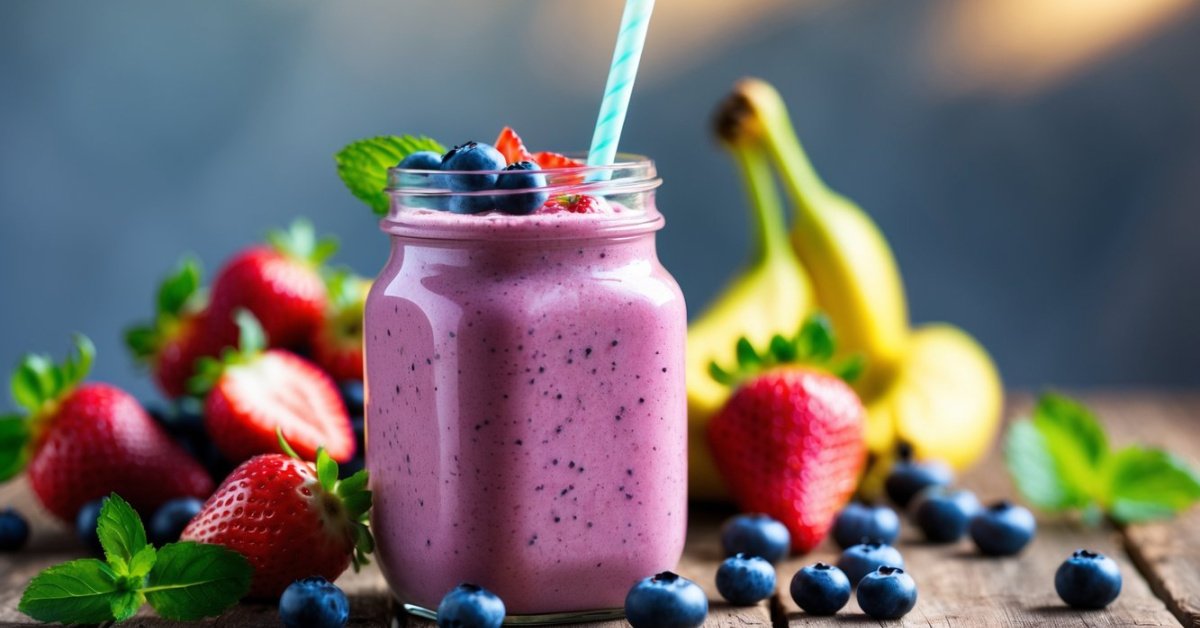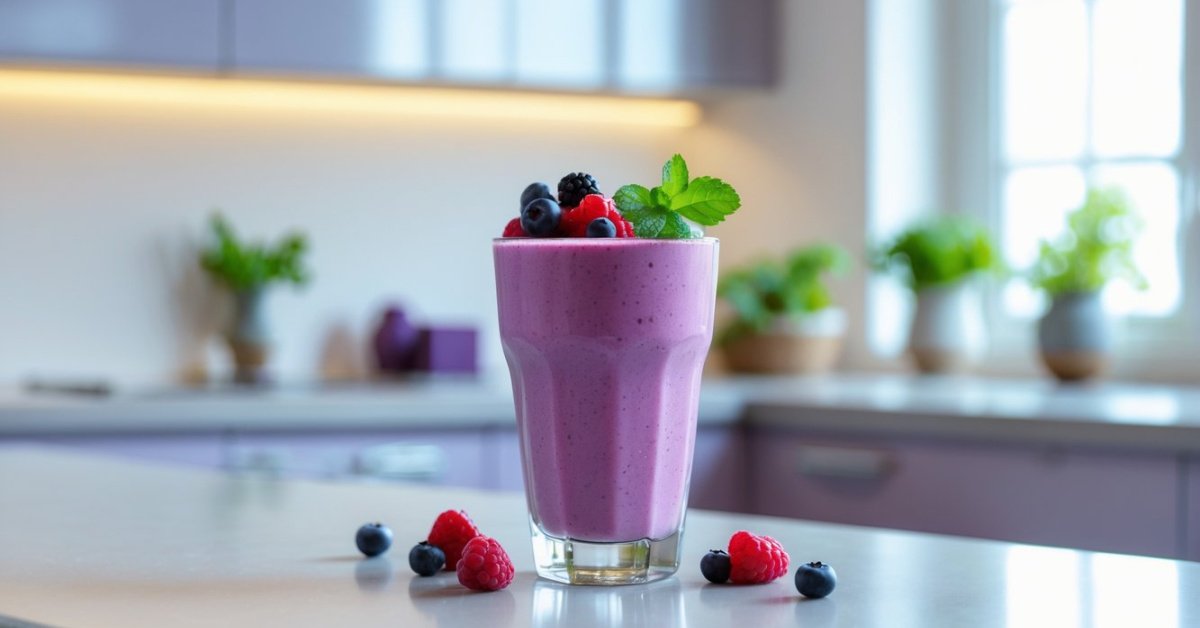
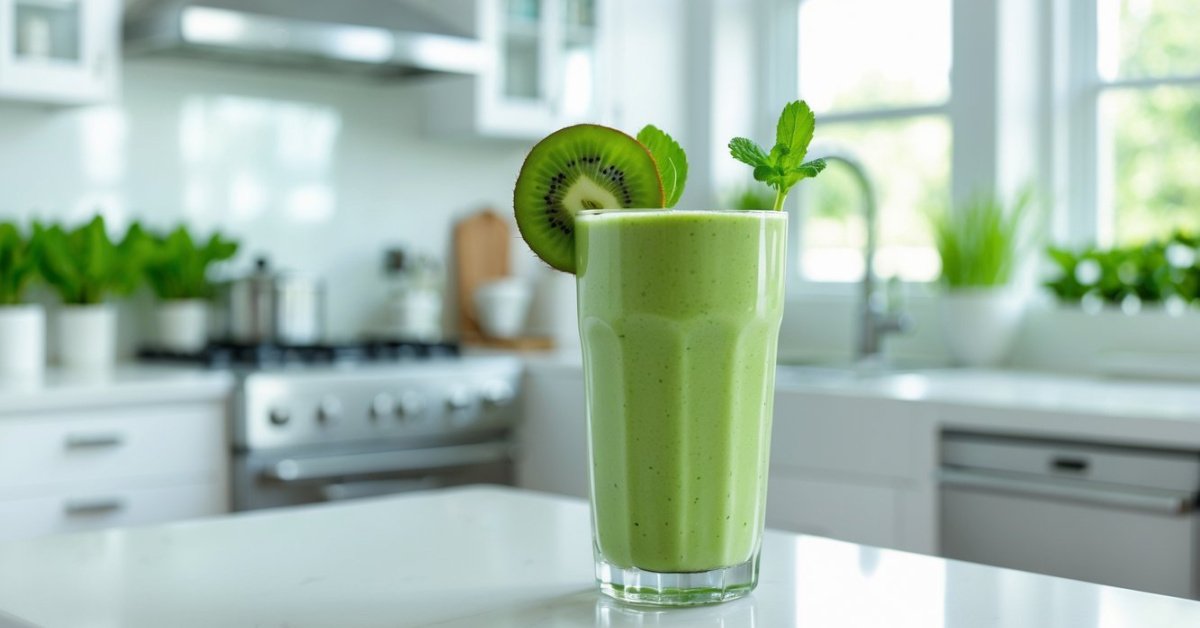
I love starting my day with a creamy smoothie packed with fruits and veggies. But choosing the right milk can make all the difference in taste and texture. Almond milk and oat milk are two of my favorite options and each one brings something unique to the blender.
If you’ve ever stood in the grocery aisle wondering which milk to grab for your next smoothie you’re not alone. I’ve tried both in countless recipes and noticed some surprising differences. Whether you’re after a silky finish or a rich flavor the milk you choose can totally transform your smoothie experience.
Nutritional Comparison: Almond Milk vs Oat Milk
I always look at nutrition when picking a milk for my shop’s smoothies. Almond milk and oat milk bring different nutritional benefits that can change the feel and health factor of any blend.
Calories and Macros
Calories and macros affect the texture and richness in smoothies. Unsweetened almond milk typically has 30–40 calories per cup, while unsweetened oat milk averages 90–120 calories per cup. Almond milk usually offers 1g protein, 2.5–3g fat, and 1g carbohydrate per cup. Oat milk provides about 2–3g protein, 1.5–3g fat, and 15–20g carbohydrate per cup. Oat milk boosts creaminess and energy for post-workout shakes, if a blend needs extra carbs.
| Milk Type | Calories (per cup) | Protein (g) | Fat (g) | Carb (g) |
|---|---|---|---|---|
| Almond (unsweetened) | 30–40 | 1 | 2.5–3 | 1 |
| Oat (unsweetened) | 90–120 | 2–3 | 1.5–3 | 15–20 |
Vitamins and Minerals
Vitamins and minerals enhance smoothie nutrition without affecting taste. Almond milk usually contains added calcium (up to 450mg per cup), vitamin E (50%+ Daily Value), and vitamin D. Oat milk often provides similar calcium and vitamin D levels but higher B vitamins (such as riboflavin and B12) and moderate iron content. Almond milk stands out for vitamin E—excellent for skin-support blends—while oat milk edges ahead with iron and B vitamins for a metabolic boost.
I always check labels because specific fortification varies by brand and style. Using the right milk lets me customize smoothies for energy, recovery, or wellness, matching my customers’ goals.
Taste and Texture in Smoothies
Smoothies shine when their taste and texture come together. From my years running a smoothie shop, I’ve learned how the right milk transforms both the flavor and feel of every blend.
Flavor Profiles
Almond milk gives smoothies a mild, nutty note. I notice that almond’s subtle almondy undertone works best with berries, peaches, and chocolate protein—especially in blends using unsweetened almond milk sourced from high-quality almonds. Oat milk, by contrast, brings a naturally sweet, oaty richness. I’ve found that oat milk’s grain-like sweetness pairs well with tropical fruits like mango, pineapple, or even cinnamon and vanilla for dessert-style shakes.
Creaminess and Consistency
Oat milk creates a creamier, thicker base in most of my recipes. Its consistency helps deliver a silky, milkshake-like texture when blended with bananas or frozen fruits. Almond milk produces lighter, thinner smoothies unless enriched varieties are chosen. This lighter body allows stronger flavors from fruits or greens to come forward—a feature many customers prefer when seeking brightly flavored wellness blends. For extra creaminess, I use barista-style oat milk or add avocado or Greek yogurt to almond milk smoothies.
Blending Performance and Versatility
Texture and blend-ability shape every smoothie. Almond milk and oat milk interact differently with fruits, greens, proteins, and add-ins, shifting the experience in subtle but important ways.
How Each Milk Mixes with Common Ingredients
Almond milk blends smoothly with frozen fruits like strawberries and mango, greens like spinach, and plant-based proteins. It absorbs flavors quickly, so I get pronounced fruit or veggie notes and a lighter, more refreshing finish. Almond milk also froths well with add-ins such as chia seeds or cocoa powder, leaving minimal residue.
Oat milk creates a thicker, silkier blend with frozen bananas, nut butters, oats, or chocolate. Its higher starch content softens leafy greens for a smoother sip, especially in green smoothies. I also notice oat milk holds cocoa or protein powder particles in suspension, reducing clumps.
Best Uses for Different Smoothies
Almond milk excels in fruit-forward, low-calorie blends. I recommend it for berry medleys, tropical-fruit combos, or when I want the produce flavors to pop, like spinach-pear or watermelon-mint smoothies. It’s ideal for green detox blends or hydration-focused post-workout recovery shakes.
Oat milk shines in creamier, more filling smoothies and dessert-inspired shakes. I use it for breakfast blends with oats, peanut butter, coffee, or cacao, or protein-packed snacks that demand a richer mouthfeel. Oat milk pairs perfectly with cinnamon, apple, pumpkin, or vanilla for autumnal or bakery-themed profiles.
Dietary and Allergic Considerations
When picking a smoothie milk, I always check for allergens and dietary fit. Almond milk and oat milk both cater to different needs, so knowing these differences keeps smoothies enjoyable and safe.
Allergen Risks
Allergies can impact smoothie milk choices. Almond milk contains tree nuts, which trigger reactions in about 1% of the US population according to the American Academy of Allergy, Asthma, and Immunology. Oat milk is naturally nut-free, but many brands process it in facilities where cross-contamination with nuts or gluten may happen. I recommend checking the package for “certified gluten-free” if you’re making smoothies for someone with celiac disease, since some oat milks use oats that haven’t been processed in dedicated gluten-free environments. For customers with multiple allergies, I always suggest reviewing both ingredient lists and allergen statements before blending.
Suitability for Dietary Preferences
Different diets may influence smoothie milk selection. Almond milk works well for those following keto, paleo, or low-carb lifestyles since it’s very low in carbs per cup—usually 1g or less for unsweetened versions. Oat milk fits plant-based and vegan diets and works best for smoothie drinkers who want a naturally sweet flavor and more carbs for satiety or energy, with most unsweetened varieties containing 16–19g carbs per cup. Both almond and oat milk are dairy-free, making them suitable for lactose intolerant or dairy-free customers. I prefer unsweetened almond milk when preparing weight-loss smoothies at my shop, while oat milk shines in high-energy or post-workout blends.
Environmental Impact and Sustainability
Almond milk and oat milk production impact the environment in different ways, affecting water use, carbon footprint, and agricultural practices.
- Water Use: Almond milk has a higher water footprint than oat milk. It takes about 1.1 gallons of water to grow a single almond, according to the Water Footprint Network. Almond milk production uses about 84 gallons of water for one cup, while oat milk needs about 13 gallons per cup. Water use matters most in California and other drought-prone almond-growing regions.
- Carbon Emissions: Oat milk creates lower greenhouse gas emissions than almond milk. Oat cultivation produces less carbon dioxide and methane than almond farming or dairy operations, as published by the University of Oxford in their study on plant-based milk.
- Land and Pesticides: Almond farming uses more land and pesticides than oat farming. Almond trees need pollination by commercial bee colonies, which stresses bee populations. Oat crops generally require fewer pesticides and less space due to high yield per acre.
- Sourcing and Seasonality: Local oat milk often has a smaller transportation footprint than almond milk, as oats grow widely in North America and Europe. Almonds grow mostly in California.
Smoothie shop owners like me weigh these factors. Oat milk is better for sustainability-focused customers thanks to lower water use and carbon emissions. Almond milk remains a popular choice for its flavor and nutrition, but I select suppliers that follow responsible water and land management when possible.
| Type | Water Use (per cup) | Carbon Emissions | Key Agricultural Impact | Main Source Region |
|---|---|---|---|---|
| Almond Milk | 84 gallons | Moderate | High water use, bee stress | California, USA |
| Oat Milk | 13 gallons | Low | Fewer pesticides, less land needed | North America, Europe |
Choosing between almond milk and oat milk for smoothies involves taste, nutrition, and sustainability. I recommend oat milk for the most eco-friendly option if water and land conservation are your top priorities. For flavor variety, responsibly sourced almond milk fits a balanced smoothie menu.
Conclusion
Choosing between almond milk and oat milk for smoothies really comes down to what you want most from your blend. I love having both options in my fridge so I can switch things up depending on my mood or health goals.
Whether you crave a light and refreshing smoothie or a rich and creamy treat there’s a milk out there to match your needs. Trust your taste buds and don’t be afraid to experiment—smoothie making is all about finding what makes you feel your best.