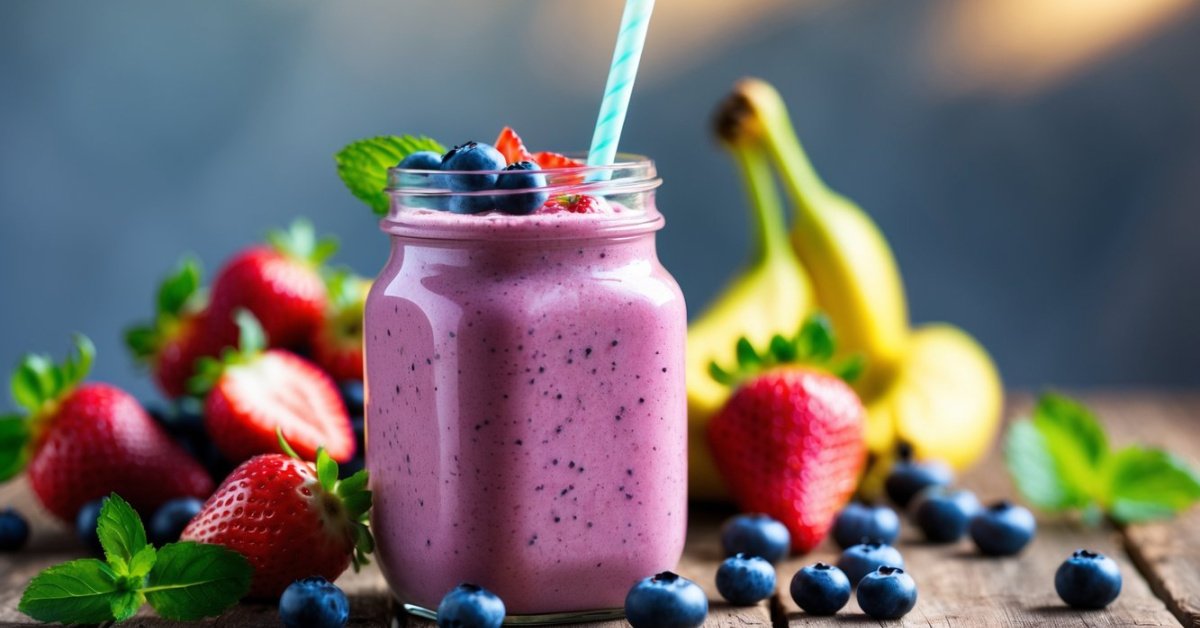

I love starting my day with a burst of energy and nothing beats a cold smoothie packed with fresh ingredients. There’s just something about blending fruits veggies and a splash of something creamy that feels like a treat but promises so much more than just great taste.
I often wonder if these colorful drinks really give me a natural energy boost or if it’s just the excitement of sipping something delicious. With so many people swapping their morning coffee for a smoothie I’m curious—can smoothies actually help us feel more energized throughout the day? Let’s take a closer look at what goes into these blends and whether they can truly power us up naturally.
Understanding Natural Energy and Its Importance
Natural energy reflects the body’s ability to maintain alertness and stamina using nutrients from whole foods like fruits, vegetables, seeds, and dairy. I see the impact of real, quality ingredients daily at my smoothie shop. Whole foods supply carbohydrates for immediate fuel, fiber for sustained energy release, and vitamins like B6 and B12 to support metabolism. My customers often mention feeling energized after drinking smoothies packed with leafy greens, berries, or Greek yogurt.
Sustaining energy levels naturally supports daily activity and helps avoid sudden crashes. Highly processed snacks or sugary drinks, unlike many smoothies I make, deliver a short-lived energy spike followed by fatigue. Using natural sources means the body digests and absorbs fuel steadily. Feeling alert without a crash matters to my customers—especially for busy mornings or afternoon slumps.
Supporting health with natural energy connects closely to ingredient choice. Choosing ingredients rich in antioxidants, minerals, and slow-digesting carbs helps maintain stable energy. For example, chia seeds, bananas, oats, and spinach feature regularly in my favorite recipes for customers seeking long-lasting vitality. Each blend can become part of a natural energy routine if ingredients are selected with this purpose in mind.
The Role of Nutrition in Energy Levels
Every smoothie I make at my shop focuses on the direct link between nutrition and energy. Macronutrients drive this relationship. Carbohydrates, found in fruits like bananas or mangoes, supply glucose, which the body converts into quick energy. Proteins from Greek yogurt or nut butters help slow digestion, supporting steady energy rather than a sudden spike. Fats from seeds or avocados provide a longer-lasting source.
Micronutrients shape my recipes, too. B vitamins from leafy greens, citrus, or fortified plant milks play a role in energy metabolism. Magnesium-rich foods, including spinach and pumpkin seeds, help produce and transport energy in the body. Iron, present in dark leafy greens and some seeds, assists with oxygen delivery to cells, which is vital for sustained stamina.
Pairing fiber-rich ingredients, such as oats or berries, with protein and healthy fats keeps blood sugar stable for several hours. This combination supports focus and daily productivity. Water-dense fruits, like watermelon or cucumber, provide hydration that prevents energy slumps linked to mild dehydration.
I see every day how ingredient choices in smoothies change how customers feel. When people use high-quality, whole-food ingredients in their homemade blends, they often experience more consistent energy and fewer cravings for processed snacks. This is why I always recommend building smoothies with a thoughtful balance of macronutrients, micronutrients, and fiber to get the most out of every sip.
Can Smoothies Boost Energy Levels Naturally?
I see natural energy boosts happen daily when customers try my smoothies made with quality ingredients. Smoothies deliver quick and steady energy from whole foods—especially compared to processed snacks or energy drinks.
Key Ingredients for Energy-Boosting Smoothies
I use specific ingredients in my smoothie recipes to support energy levels:
- Fruits with natural sugars—Banana, mango, and pineapple provide glucose and fructose to help deliver rapid energy.
- Leafy greens and vegetables—Spinach, kale, and Swiss chard supply magnesium and iron crucial for stamina and energy metabolism.
- Protein sources—Greek yogurt, nut butters, and plant-based proteins add sustained energy and support muscle function.
- Healthy fats—Chia seeds, flaxseed, avocado, and almonds offer lasting fullness and slow energy release.
- Complex carbohydrates—Rolled oats, quinoa, and sweet potato slow down sugar absorption and help stabilize blood sugar.
- Hydration boosts—Coconut water or cucumber add electrolytes for optimal hydration, supporting overall energy.
These ingredients work together to provide both an immediate lift and longer-term stamina.
How Smoothies Compare to Other Energy Sources
Smoothies with whole foods differ from other energy sources in several key ways:
| Factor | Smoothies (whole food-based) | Processed Snacks/Energy Drinks |
|---|---|---|
| Energy Duration | Sustained (2–4 hours) | Short-lived (30–60 mins) |
| Nutritional Quality | Includes vitamins, minerals, fiber | Often lacks key nutrients |
| Sugar Source | Natural (fruit, veg) | Added/processed sugars |
| Blood Sugar Impact | Stabilizes if blended with protein, fat, fiber | Causes spikes/crashes |
| Additives/Preservatives | Rare | Common |
I notice that when people swap processed snacks for balanced smoothies, they avoid the rapid energy drop later in the day. Combining healthy fats, protein, and complex carbs in a smoothie supports longer-lasting vitality and natural alertness.
Best Practices for Making Energizing Smoothies
In my smoothie shop, I’ve seen that method and ingredient choices make a big difference when blending for energy. By using some tested strategies, anyone can make smoothies at home that deliver delicious flavor and natural energy.
Tips for Maximizing Nutritional Value
- Choose Whole Ingredients
I always select whole fruits, vegetables, and leafy greens like spinach or kale so my smoothies offer fiber and micronutrients.
- Balance Carbs, Protein, and Fats
I include bananas, berries, or mangoes for natural sugars, add Greek yogurt or nut butters for protein, and use chia or flax seeds to deliver healthy fats for extended energy.
- Include Hydration Boosters
I blend in coconut water, almond milk, or filtered water so each smoothie helps with hydration while delivering nutrients.
- Add Fiber for Sustained Energy
I mix in oats, avocado, or apples to slow sugar absorption and stabilize energy.
- Support with Micronutrients
I choose B-vitamin-rich add-ins like spinach, berries, or pumpkin seeds because they assist with cellular energy production.
Common Mistakes to Avoid
- Overusing Added Sugars
I’ve noticed that sweetened yogurts, juices, or syrups spike energy then cause crashes, so I avoid these and rely on the natural sweetness of fruit.
- Neglecting Protein or Healthy Fat
If a smoothie contains only fruit, energy often fades quickly, so I always add nuts, seeds, or protein powder.
- Skipping Fiber
Smoothies missing fibrous ingredients—such as leafy greens or oats—raise blood sugar too quickly, leading to midday slumps.
- Using Too Many Ingredients
I’ve learned that overloading the blender with too many superfoods or supplements sometimes leads to unbalanced flavors and digestion issues.
- Relying on Powdered Mixes
I skip energy drink powders or artificial mixes, since they lack the nutrient density and stability found in whole foods.
By sticking with these practices, I craft smoothies in my shop that help customers fuel their days with stable and natural energy.
Potential Downsides and Considerations
Some smoothies may cause blood sugar spikes. Blending high-glycemic fruits like mangoes, pineapples, or bananas without fiber sources, protein, or healthy fats often leads to a quick energy crash. I counter this by always mixing in leafy greens, chia seeds, or nut butters.
Excess calories can come from adding sweeteners. Pouring in honey, flavored yogurts, or syrups easily pushes a smoothie well over 400 calories. I skip most sweeteners and choose plain Greek yogurt or unsweetened almond milk.
Nutrient balance sometimes gets overlooked. Relying mainly on fruit can create nutrient gaps, so I combine fruits with spinach, oats, flaxseed, or protein powder for more rounded nutrition.
Digestive discomfort sometimes happens. Using too much raw fiber, like kale stems, or cold smoothies packed with ice may cause stomach upset for some people. I blend thoroughly and moderate raw fiber amounts.
Food allergies or intolerances play a role. Allergens like nuts, dairy, or soy appear in many smoothie recipes and shakes. I label all menu ingredients and advise customers to swap out problematic foods.
Overconsumption may lead to unintended weight gain. Drinking multiple large smoothies each day, especially with calorie-dense mix-ins like coconut milk or nut butter, adds up. I help customers find single-serving sizes that fit their energy needs.
Storage and freshness matter. Homemade smoothies tend to lose nutrients and flavor if left refrigerated for over 24 hours. I recommend blending fresh and storing in airtight containers short-term.
Some store-bought beverages include added sugars, preservatives, or artificial flavors. I always read labels when buying smoothie bases and stick to whole-food ingredients in my shop.
Paying attention to ingredient quality, balance, and serving size creates smoothies that fuel naturally—without unwanted side effects.
Conclusion
I’ve found that smoothies can be a delicious way to support natural energy when made with the right balance of whole ingredients. Choosing quality fruits, veggies, proteins, and healthy fats really makes a difference in how I feel throughout the day.
For me it’s not just about the taste—it’s about fueling my body with nutrients that help me stay alert and focused. With a little creativity and attention to balance smoothies can be a simple and enjoyable part of an energizing routine.