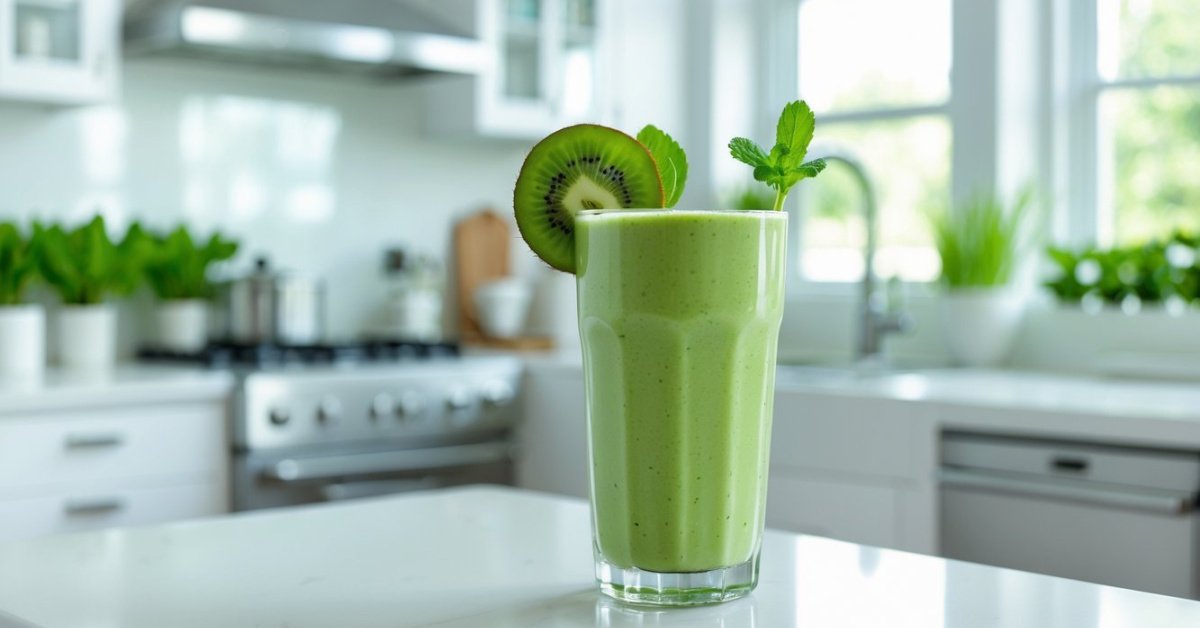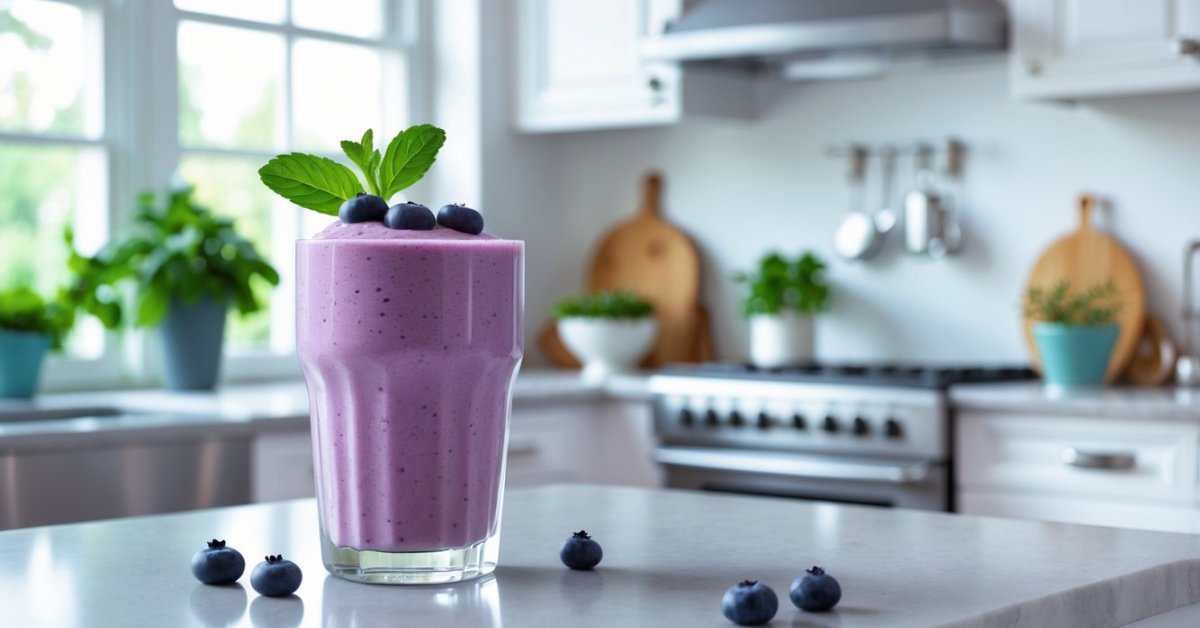
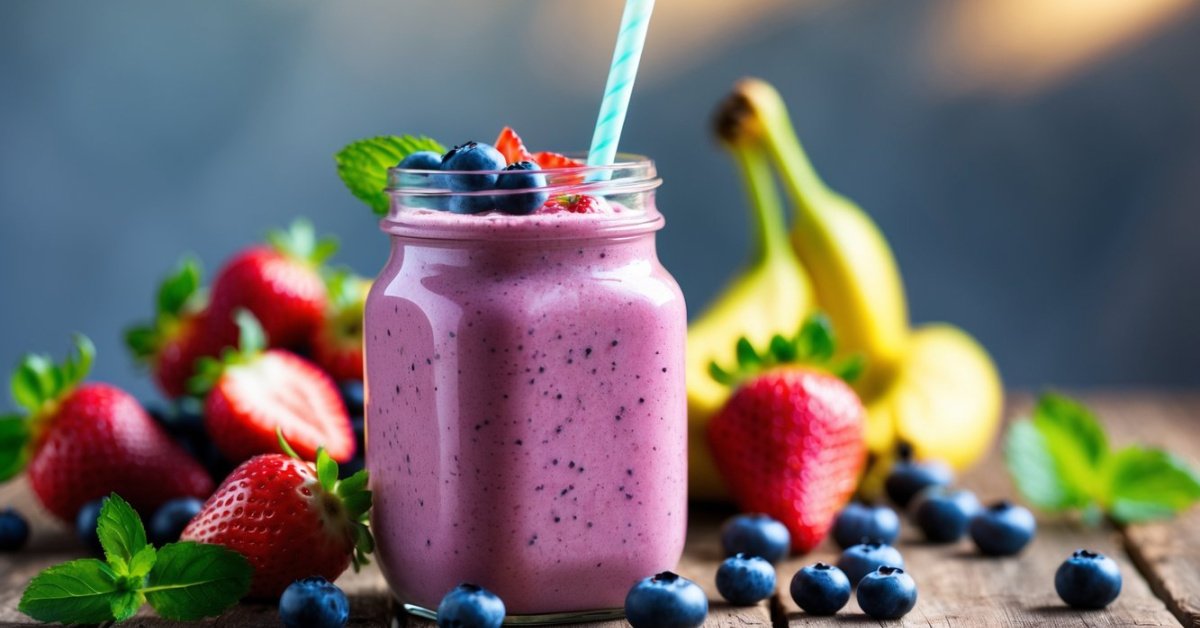
I love starting my day with a smoothie. It’s quick, tasty, and packs a punch of nutrients that makes me feel energized. Whether I’m rushing out the door or taking time to enjoy breakfast, smoothies fit perfectly into my routine.
But smoothies aren’t just about convenience. They’re a simple way to add more fruits and veggies to my diet, and I can easily customize them to suit my needs. With so many options out there, I find it easy to keep things interesting and healthy at the same time.
Understanding the Role of Smoothies in a Balanced Diet
Smoothies offer a practical way to support a balanced diet by blending nutrient-dense foods into every glass. When I craft smoothies in my shop, I always start with whole fruits like bananas or berries to boost fiber and vitamins. Including leafy greens such as spinach or kale ensures every smoothie brings essential micronutrients and a mild flavor that blends easily.
Adding protein sources supports muscle recovery and satiety. I rely on plain Greek yogurt, nut butters, or plant-based protein powders for those looking to enhance their smoothies. Healthy fats from ingredients such as avocado or chia seeds help the body absorb fat-soluble vitamins while making each drink more satisfying.
Customizing ingredient combinations helps manage sugar intake. I always limit processed sugars by using unsweetened nut milks and natural sweeteners, choosing dates or a splash of honey sparingly. This lets the natural sweetness of ripened fruit stand out.
Pairing smoothies with whole foods ensures balanced nutrition. In my daily routine, I pair smoothies with whole-grain toast or a hard-boiled egg to create a more complete meal, rather than relying only on liquids.
Integrating smoothies this way optimizes energy levels, supports digestion, and fits well within various dietary patterns like vegetarian or gluten-free diets. Creamy smoothies with the right blend of fruits, vegetables, protein, and healthy fats support better daily nutrition, especially when crafted intentionally using whole, minimally processed ingredients.
Nutritional Benefits of Smoothies
Every smoothie I blend packs essential nutrients into each glass using high-quality, healthy ingredients. By blending whole fruits, greens, and quality protein or fat sources, I consistently transform everyday ingredients into an easy, nourishing meal or snack.
Essential Vitamins and Minerals
Every batch of smoothies I make brings diverse vitamins and minerals into my daily routine. Fruits like mango, strawberries, and oranges deliver vitamin C, supporting immune function and skin health. Leafy greens such as spinach and kale offer iron, potassium, and vitamin K for bone strength and muscle function. Dairy and fortified plant milks add calcium, which benefits bone health, while seeds and nuts like flaxseeds or almonds introduce magnesium and vitamin E. I always build recipes to feature these micronutrients, which help fill daily requirements in a simple, tasty way.
Boosting Fiber Intake
Each smoothie I craft includes fiber-rich ingredients to promote digestive health and satiety. Bananas, berries, and pears provide soluble and insoluble fiber, which support gut health and steady energy. Oats or chia seeds offer extra fiber, creating a thicker, more satisfying texture along with promoting stable blood sugar. By blending whole fruits—skins and all—into every smoothie, I maximize fiber content without adding processed supplements or fillers.
Common Ingredients and Their Impact
As someone who makes smoothies daily in my shop and at home, I know the effect each ingredient has on flavor, texture, and nutrition. Picking the right mix determines whether a smoothie is just sweet or truly supports a balanced diet.
Fruits and Vegetables
Fresh fruits and vegetables form the core of nearly every smoothie recipe I create. Bananas and mangos add creaminess and potassium, while berries like blueberries and strawberries bring fiber and antioxidants. I often blend in spinach or kale, which boost vitamin K, folate, and iron with minimal change to flavor. Carrots and beets sometimes go into my blends for their beta-carotene and natural sweetness.
Protein Sources
Protein ensures my smoothies keep customers and myself satisfied until the next meal. I rotate Greek yogurt, which supplies a rich texture along with calcium and up to 10g protein per 100g. Silken tofu creates a plant-based base, and nut butters, such as almond or peanut, introduce healthy fats with about 4–7g protein per tablespoon. I sometimes add protein powder, choosing low-sugar and clean-label options to suit different dietary needs.
Healthy Fats and Additives
Nut butters and seeds always feature in recipes when I want smoothies to boost energy and support nutrient absorption. Chia seeds, flaxseeds, and hemp hearts provide omega-3s and fiber. Avocado creates a silky texture while adding unsaturated fats. I occasionally include oats for extra fiber or a touch of cacao or cinnamon for flavor without extra sugar. Unsweetened plant milks or 2% dairy milk build creaminess while keeping processed sugars low, helping me maintain the health focus I set for every blend.
Potential Drawbacks and Considerations
Smoothies can boost nutrition, but some choices affect health outcomes. I focus on flavor, ingredient quality, and how blends serve balanced diets.
Sugar Content and Portion Control
Smoothies may contain high levels of sugar, especially when made with multiple sweet fruits or sweetened yogurts. For example, using mango, pineapple, and sweetened almond milk in one blend gives sugar levels similar to some sodas, as noted by the USDA. Over time, I‘ve found that blending larger portions can lead to unintentional overeating since liquid forms feel less filling than whole foods like apples or carrots. Tracking fruit ratios and substituting lower-sugar bases, like unsweetened nut milk or leafy greens, helps maintain balance and keeps my shakes from topping daily added-sugar recommendations.
Artificial Ingredients and Preservatives
Pre-made smoothie mixes or flavored protein powders often include artificial colors, flavors, or preservatives. Popular shelf-stable brands add gums, thickeners, and stabilizers to extend storage time. I avoid these in my recipes—both for personal use and at my shop—because these additives can mask fresh flavors and sometimes upset digestion. Reading ingredient labels and using whole, fresh, or minimally processed items lets me prioritize natural taste and health. My passion for quality drives my choice to blend with raw nuts, seeds, ripe fruits, and plain dairy or plant milks, leaving out unnecessary extras.
Tips for Making Healthier Smoothies
I focus on crafting smoothies that fit a balanced diet by starting with the right ingredients and mindful combinations. Each blend I make in my shop aims for great taste, nutrition, and satisfaction.
Choosing Whole, Fresh Ingredients
I choose whole, fresh fruits and vegetables like blueberries, mangoes, spinach, and carrots because they offer optimal nutrients and flavor. I always avoid concentrates, syrups, or sweetened juices to limit added sugars and keep the blend nutritious. I wash and use the peels of produce like apples, pears, and cucumbers to maximize fiber and antioxidant content, as long as they’re organic and clean. I pick unsweetened nut milks or plain dairy options instead of flavored versions to keep the base simple and clean.
Balancing Macronutrients
I balance macronutrients in every smoothie, using precise ratios for energy and satiety. I start with complex carbs from fruits, greens, or oats, giving steady fuel and keeping sugar levels balanced. I add protein using Greek yogurt, pea protein, or silken tofu to support muscle recovery and keep blends filling. I finish with healthy fats like avocado, flaxseeds, or nut butters, which assist in vitamin absorption and create a satisfying, creamier texture. If a customer wants a meal replacement, I ensure the blend combines carbs, protein, and fats for sustained energy throughout the day.
Incorporating Smoothies into Daily Life
Bringing smoothies into my daily routine lets me customize nutrition for different needs. From meal replacements to quick recovery snacks, I rely on simple blends with fresh, quality ingredients.
Meal Replacement vs. Snack Options
Choosing smoothies as meal replacements works best when I balance macronutrients and add enough substance. For breakfast or lunch, I blend a cup of Greek yogurt, a banana, a tablespoon of nut butter, a handful of spinach, and a tablespoon of chia seeds. This mix offers protein, fiber, and healthy fats, keeping me full for hours. When I want a snack, I prepare lighter blends. I use a half-cup of berries with oat milk and ice, sometimes adding a scoop of protein powder. These quick snacks help me curb cravings between meals without overloading calories.
Pre- and Post-Workout Choices
Selecting smoothies for pre- and post-workout nutrition involves adjusting ingredients for energy or recovery. Before a workout, I create energy blends—one favorite includes oats, almond butter, a small banana, and unsweetened almond milk. This combination delivers carbs and healthy fats for sustained performance. After exercise, I focus on muscle repair and rehydration. My go-to post-workout shake combines frozen berries, a scoop of plant-based protein, a handful of spinach, and coconut water. This mix helps replenish fluids, restore glycogen, and support muscle recovery thanks to antioxidants, protein, and electrolytes.
Each smoothie recipe in my shop or at home fits specific nutrition goals, reinforcing the versatility of quality smoothies and shakes in balanced daily living.
Conclusion
Smoothies have become one of my favorite ways to fuel my body and keep my nutrition on track. With endless combinations and flavors I never get bored or feel like I’m missing out on variety.
By choosing fresh whole ingredients and being mindful of balance I can enjoy smoothies that fit my goals—whether I need a quick breakfast or a nourishing snack after a workout. It’s a simple habit that makes healthy eating feel easy and delicious every day.