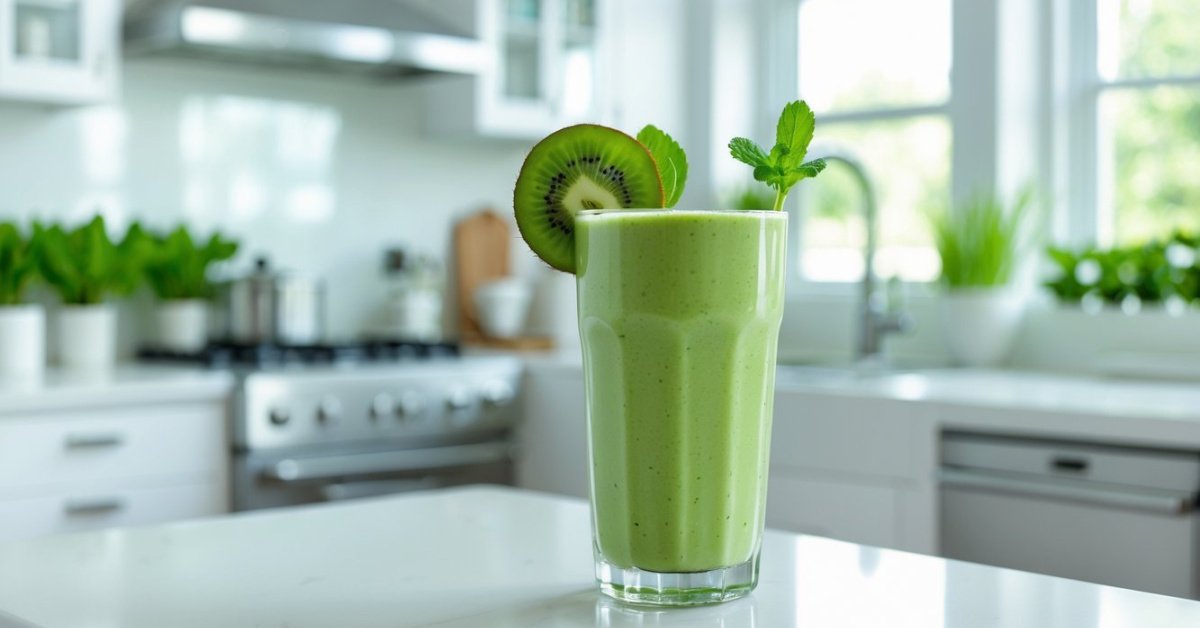

When I’m looking for a quick and tasty way to boost my protein intake, I always reach for a protein shake. But there’s one ingredient I never skip—Greek yogurt. It’s become my go-to for making shakes that are not just nutritious but also creamy and satisfying.
Greek yogurt adds a rich texture and a subtle tang that takes any shake to the next level. Plus it packs a protein punch that helps me feel full and energized after every sip. If you’re curious about why Greek yogurt has earned a spot in so many protein shake recipes you’re in the right place.
Understanding Greek Yogurt and Its Nutritional Profile
Greek yogurt, one of my favorite smoothie ingredients, offers a thicker texture than regular yogurt by straining out extra whey. Each serving, usually 170g or about 6 ounces, delivers about 15g of protein according to the USDA. Most brands use only milk and live active cultures, which keeps ingredients simple and adds probiotics.
Greek yogurt contains less lactose compared to regular yogurt, which helps some customers with mild lactose intolerance. Most plain, nonfat Greek yogurts include 90–120 calories, 0g fat, 5g carbs, and less than 5g sugar per serving. Adding Greek yogurt to shakes boosts calcium intake, supporting bone health, with a typical serving providing 15–20% of the daily value.
For customers wanting low-sugar smoothies, I use plain Greek yogurt, which skips most added sugars. Flavored versions include more sugars, usually 6–12g per serving. Greek yogurt’s creamy consistency smooths out gritty powdered proteins and blends with fruits like berries or bananas for extra flavor.
In my shop, I pick Greek yogurts with live active cultures, which the National Yogurt Association recognizes as beneficial for digestion. Greek yogurt’s dense nutrition makes it a versatile base for protein shakes—fitting customers interested in flavor, nutrition, or simple, high-quality ingredients.
Benefits of Greek Yogurt in Protein Shakes
Greek yogurt consistently transforms my protein shakes, turning ordinary blends into nutrition-packed, creamy drinks that satisfy and sustain. Every time I craft a shake for myself or my smoothie shop customers, I look for suitable, whole-food ingredients—Greek yogurt ranks at the top.
Enhanced Protein Content
Greek yogurt boosts the total protein of any shake. In most commercial or homemade blends, adding 170g (6oz) of plain Greek yogurt supplies around 15g of protein, according to USDA FoodData Central. When combined with whey, plant powders, or nut butters, Greek yogurt helps reach the target of 20–30g total protein per serving—common in shakes I serve for post-workout recovery and meal replacement. I choose Greek yogurt for its higher protein density compared to regular yogurt, making it ideal for keeping shakes filling without added bulk.
Improved Texture and Flavor
Greek yogurt creates a thick, smooth texture in shakes. Unlike nonfat milk or water bases, it provides lasting creaminess that’s key in a satisfying smoothie. Customers often mention the subtle tang Greek yogurt adds, blending especially well with berries, bananas, and chocolate for a bright flavor lift. I use Greek yogurt when I want shakes with body and natural richness, avoiding gums or added thickeners. Unflavored Greek yogurt also keeps sugar content low, letting the fruit or add-ins shine.
Probiotic Support and Digestive Health
Greek yogurt offers probiotic strains—commonly Lactobacillus bulgaricus and Streptococcus thermophilus—when labeled with “live and active cultures”. Including these yogurts in protein shakes supports gut health and digestion, supported by Mayo Clinic research on probiotics. My shop stocks Greek yogurt brands featuring live cultures so each blend delivers these digestive benefits. For at-home shakes, I recommend looking for this label to get the added probiotic support, especially valuable in daily wellness routines.
How to Incorporate Greek Yogurt into Protein Shakes
Greek yogurt adds creaminess and a rich source of protein to any smoothie or shake. I rely on these methods in my shop to make every blend smooth, flavorful, and packed with nutrition.
Choosing the Right Type of Greek Yogurt
I always select plain, unsweetened Greek yogurt for shakes, since flavored versions usually contain added sugars or artificial ingredients that aren’t necessary for great taste. Full-fat Greek yogurt creates a dense, creamy texture, while nonfat or low-fat types lighten up calories but still give a protein boost. For better gut health, I pick products labeled “live and active cultures,” often from brands like FAGE or Chobani.
If I want extra creaminess or a richer mouthfeel, I use full-fat Greek yogurt. For customers with milk sensitivities, I look for Greek yogurt marked “lactose-free” or use goat’s milk options. To control sweetness, I add whole fruits or a drizzle of honey instead of relying on flavored yogurts.
Tips for Blending Smooth and Delicious Shakes
I add Greek yogurt near the blades or bottom of the blender, so it mixes evenly and smoothly with other ingredients. Chilling all ingredients beforehand helps keep protein shakes cold and thick without using ice, which can water down flavor.
I usually blend Greek yogurt with protein powder, fruits like banana or berries, and a splash of liquid—milk, almond milk, or coconut water all work. To keep the texture creamy yet pourable, I adjust liquid amounts slowly, starting with ¼ cup and increasing if needed. For a dessert-like taste, I add cocoa powder or peanut butter, making sure to blend well for a silky consistency.
Every time I create new smoothie recipes for my shop, I balance the tartness of Greek yogurt with sweet and fresh fruits, which lets the natural flavors shine. I recommend cleaning the blender immediately after each use, since dried yogurt can stick and be difficult to remove. If I want extra thickness, I freeze Greek yogurt portions in ice cube trays and blend these directly into my shakes.
Comparing Greek Yogurt to Other Protein Shake Additions
Choosing the right protein source shapes both the nutrition and texture of homemade shakes. I often compare Greek yogurt with other common additions to help customers get the best blends at home.
Greek Yogurt vs. Traditional Yogurt
Greek yogurt delivers a thicker, creamier base than regular yogurt. For the same 170g serving, Greek yogurt contains about 15g protein, almost double the 7–8g in most traditional yogurts (USDA FoodData Central). This higher protein density means Greek yogurt supports satiety and muscle recovery after workouts. My shakes with Greek yogurt stay rich and don’t water down, even after blending juicy fruits like berries or peaches. While both options supply probiotics and calcium, Greek yogurt usually has less sugar, especially if you pick plain, unsweetened versions. I choose Greek yogurt for customers who want fuller-bodied, protein-rich smoothies without extra sweetness.
Greek Yogurt vs. Protein Powders
Greek yogurt creates a creamy, whole-food texture in shakes, while protein powders like whey or plant-based blends dissolve and thicken differently. For those who’d rather avoid processed ingredients, Greek yogurt supplies a clean source of 15g protein per serving, compared to most powders which yield 20–25g per scoop. Protein powders work well for quick boosts or for those with specific nutritional goals like dairy-free or low-calorie diets. In my shop, I often add Greek yogurt for its live cultures, extra calcium, and natural richness, then combine it with a half-scoop of powder if a customer requests even more protein. Greek yogurt also brings its digestive health benefits and tangy flavor, which pairs well with both fruits and chocolate, offering more taste dimension than most neutral powders.
Potential Drawbacks to Consider
Texture Variability: Greek yogurt in protein shakes can sometimes cause a gritty or overly thick texture, especially if the blender isn’t powerful enough or if frozen ingredients are used. I often see this with older blenders or when customers request extra Greek yogurt, creating a shake that’s tougher to sip.
Dairy Sensitivities: Some customers feel bloated or gassy after consuming Greek yogurt, even with lower lactose content compared to other dairy. If you notice discomfort after your shakes, dairy might not be the best base.
Added Sugars in Flavored Varieties: Many flavored Greek yogurts contain up to 12g extra sugar per 170g cup (Harvard T.H. Chan School of Public Health). Always use plain, unsweetened Greek yogurt for a smoothie base unless you want a sweeter, higher-calorie shake.
Calorie and Fat Content: Full-fat Greek yogurt can have as much as 190 calories and 9g fat per serving (USDA FoodData Central). If you’re blending several high-calorie ingredients, it’s easy for your shake to exceed 400 calories.
Flavor Impact: Greek yogurt’s natural tang can overpower delicate flavors like peach or vanilla in shakes. I use milder yogurt or balance the tang with honey or extra fruit in these cases.
Shorter Shelf Life: Fresh Greek yogurt spoils faster than shelf-stable protein powders. If you prep shakes in advance, don’t store them with Greek yogurt for more than 24 hours refrigerated, as I find both texture and flavor suffer.
| Potential Drawback | Typical Impact Example | Source/Context |
|---|---|---|
| Texture Variability | Too thick, gritty with some blenders | Customer/Personal observation |
| Dairy Sensitivities | Bloating, discomfort in lactose-intolerant people | Personal/Customer experience |
| Added Sugars | 8–12g extra sugar per serving in flavored varieties | Harvard T.H. Chan School of Public Health |
| High Calorie/Fat Content | 190 calories, 9g fat per cup (full-fat version) | USDA FoodData Central |
| Flavor Impact | Tang can overwhelm mild fruits | Professional blending experience |
| Shorter Shelf Life | Loses taste/texture after 24 hours in fridge | Smoothie shop operations |
Conclusion
Greek yogurt has truly changed the way I approach protein shakes. I love how it brings a creamy texture and a boost of nutrition to every blend. With so many ways to mix and match flavors and textures it’s easy to find a combination that fits both your taste and your nutritional goals.
Whether you’re after extra protein or just want a thicker shake Greek yogurt is a simple addition that makes a big difference. Give it a try in your next shake and see how it transforms your routine.