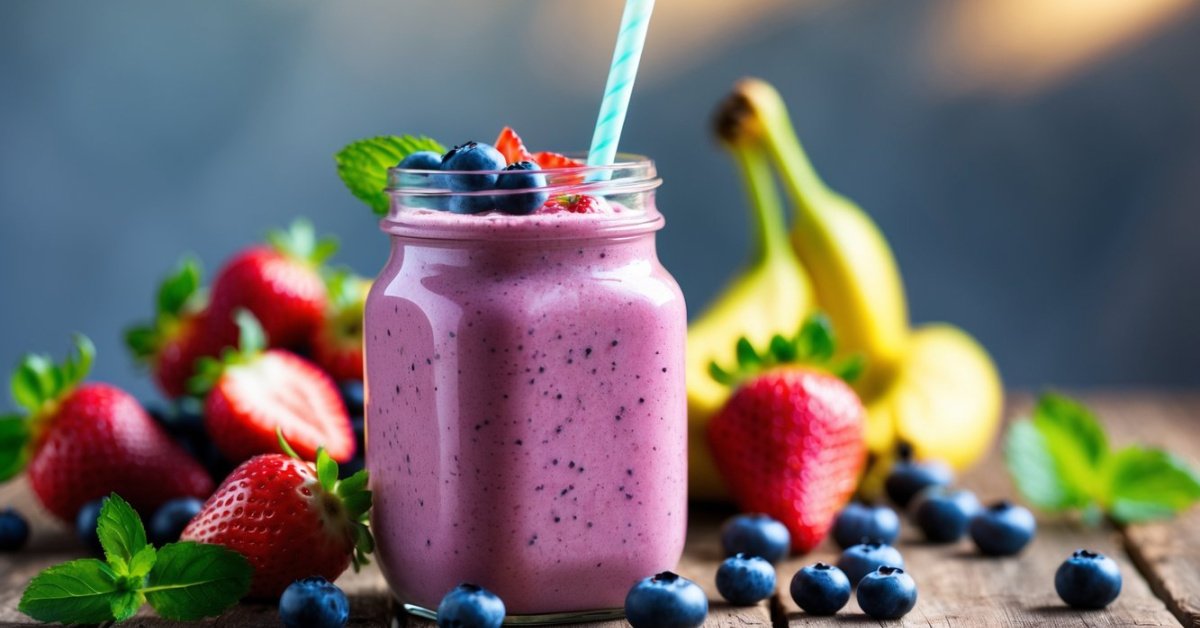

I’ve always loved the refreshing taste of a good smoothie but lately I’ve realized they’re more than just a tasty treat. With the right ingredients these colorful blends can actually give my brain a boost. It’s amazing how a simple drink can pack in so many nutrients that support memory focus and overall mental clarity.
When I whip up a smoothie I’m not just satisfying a craving—I’m fueling my mind for the day ahead. Whether I’m adding berries leafy greens or seeds I know each choice can make a difference in how sharp and energized I feel. It’s a delicious way to care for my brain and enjoy every sip.
The Connection Between Diet and Brain Health
I focus on whole foods when crafting smoothie recipes because nutrition directly influences brain health. Nutrient-dense ingredients like spinach, kale, and blueberries provide antioxidants, which shield brain cells from oxidative stress according to the National Institutes of Health. Healthy fats such as those in avocados, flaxseeds, and walnuts deliver omega-3s. These fats support cognitive function—Harvard Health Publishing reports that higher omega-3 intake links to sharper memory.
I incorporate protein sources like Greek yogurt and almond butter because they supply amino acids, which play a role in neurotransmitter production. Proper neurotransmitter balance lets the brain manage focus and mood effectively. By blending these ingredients into smoothies, I ensure my drinks fuel mental clarity and stable energy.
Hydration matters too. Fruits with high water content, such as watermelon and cucumber, help the brain function optimally by keeping dehydration at bay. A single smoothie can easily combine these elements, creating a daily option for eating patterns that support brain health.
Every smoothie I design addresses both flavor and function, showing that the right diet—especially through thoughtfully chosen smoothie recipes—naturally supports cognitive wellness.
Key Nutrients in Smoothies That Benefit the Brain
I’ve seen how using the right ingredients in smoothies supports focus and memory every day in my smoothie shop. Choosing nutrient-rich components delivers direct benefits for brain health, especially when blending at home.
Antioxidants and Their Role in Cognitive Function
Antioxidants, like those in blueberries, strawberries, and spinach, protect brain cells against oxidative stress. I pack my blends with fruits and greens that offer high flavonoid content, since multiple studies—including a 2021 review in the journal Nutrients—connect higher fruit and vegetable intake with better cognitive performance. Every time I add a scoop of acai or a handful of kale, I’m prioritizing long-term brain wellness.
Omega-3 Fatty Acids for Mental Sharpness
Omega-3 fatty acids, mainly from ingredients like chia seeds, walnuts, and flaxseeds, support faster thinking and better memory. Research consistently points to the brain-boosting power of these fatty acids; according to the National Institutes of Health, EPA and DHA directly contribute to maintaining cognitive health. When I blend walnuts or flaxseed into a shake, I enhance both texture and mental clarity.
Vitamins and Minerals That Support Neurological Health
Vitamins such as B6, B12, and folate help maintain focus and energy, especially in busy routines. Minerals like magnesium and potassium, found in bananas and leafy greens, keep nerve cells functioning optimally. I often toss in spinach, avocado, or Greek yogurt for their rich nutrient profiles. Each scoop ensures my customers’ smoothies deliver more than just great flavor—they fuel sharper minds and steady moods.
Best Ingredients to Add to Brain-Boosting Smoothies
Blending ingredients for brain health means picking components that deliver nutrition and lasting energy. I always create mixes that taste great while packing clear benefits for mental focus and memory.
Top Fruits and Vegetables for Brain Power
Berries always form the foundation of my brain-focused blends, especially blueberries and blackberries. Blueberries provide anthocyanins—antioxidants linked to sharper memory and slower cognitive decline (Harvard Health Publishing, 2021). Blackberries, strawberries, and raspberries add vitamin C, which protects cells from oxidative stress.
Leafy greens such as spinach and kale hold vitamins A, C, and K along with plant polyphenols. I toss these into smoothie bowls since they boost mental alertness and supply folate, essential for mood regulation. Avocado gives smoothies a creamy texture and supplies monounsaturated fats, which support circulation and help nutrients reach the brain. Bananas boost smoothies with potassium and vitamin B6, enhancing neurotransmitter function and supporting memory.
Carrots and beets blend smoothly, and their natural nitrates help improve blood flow to the brain.
Superfoods to Include for Maximum Effect
Chia seeds, flaxseeds, and walnuts form my go-to trio for omega-3s, which research ties to stronger cognitive function (NIH, 2017). Hemp hearts add protein, magnesium, and iron in one spoonful.
Cacao nibs or pure cocoa powder, unsweetened, deliver flavonoids that improve blood flow and might support memory. Spirulina and matcha powder stand out for their antioxidants and ability to increase alertness without excess caffeine.
A scoop of unsweetened Greek yogurt or silken tofu amps up protein, which keeps energy steady and supplies building blocks for neurotransmitters. I add these to keep shakes creamy and satisfying.
Hydration remains critical, so I blend fresh cucumber or freeze cubes of coconut water. Both hydrate while delivering minerals vital for focus and brain function.
| Ingredient | Key Nutrients | Brain Health Benefit |
|---|---|---|
| Blueberries | Anthocyanins, C | Memory retention, cell protection |
| Kale/Spinach | Folate, C, K | Focus, alertness, mood |
| Avocado | Monounsaturated fat | Circulation, nutrient absorption |
| Walnuts | Omega-3, E | Cognitive function |
| Chia/Flaxseed | Omega-3, Fiber | Mental sharpness, steady energy |
| Cacao Nibs | Flavonoids | Blood flow, memory |
| Greek Yogurt | Protein, B12 | Neurotransmitter support |
| Cucumber | Hydration, Potassium | Focus, hydration |
Tips for Creating Brain-Healthy Smoothies
- Select vibrant produce for antioxidants
I pick blueberries, blackberries, kale, or spinach in every blend for rich antioxidants. My customers love combinations like blueberry-spinach or blackberry-kale for their brain-cell protection.
- Add omega-3 sources for cognitive support
I blend walnuts, flaxseeds, or chia seeds into most recipes because their omega-3s support focus and memory. I choose chia or flax for a neutral flavor or walnuts for a toasty note.
- Balance carbs, fats, and protein for steady energy
I pair fruit with a scoop of Greek yogurt or almond butter so smoothies have balanced nutrients. This style helps my customers stay energized and avoid mental crashes.
- Use hydrating bases for mental clarity
I mix cucumber or coconut water into base recipes because hydration impacts attention and sharpness. I recommend coconut water in tropical blends or cucumber with green veggies.
- Choose unsweetened, whole ingredients to avoid sugar spikes
I avoid juices with added sugar and sweeten smoothies naturally using fruit or a small date. My shop uses only unsweetened almond milk, coconut water, or filtered water for every recipe.
- Blend with mindfulness to maintain nutrition
I use a short blend time and start with leafy greens on the bottom for even mixing. If I need a sweet touch, I add a small amount of cacao nibs for antioxidants without extra sugar.
My process creates smoothies that satisfy, fuel, and support brain health every day.
Common Mistakes to Avoid When Making Smoothies
- Overloading Fruit: When I add too much fruit, like bananas, mangoes, or pineapples, smoothies get high in sugar and lose balance. I use 1 cup of fruit to keep sugar at a reasonable level and support brain health without energy crashes.
- Skipping Greens: Many customers avoid greens, but spinach and kale blend in smoothly and boost antioxidant and nutrient content. I always add a handful of leafy greens for extra brain-supporting benefits without overwhelming flavor.
- Ignoring Healthy Fats: I notice people often forget fats like avocado, flaxseed, or walnuts. These provide omega-3s, supporting cognitive function and making the smoothie more filling. I add 1–2 tablespoons of healthy fat sources every time.
- Using Flavored or Sweetened Bases: Flavored yogurt, sweetened almond milk, or juice add unnecessary sugar. I stick to plain Greek yogurt, unsweetened milk alternatives, or water to keep the recipe brain-friendly and natural.
- Forgetting Protein: Smoothies lacking protein (examples: Greek yogurt, cottage cheese, hemp seeds) don’t satisfy or support neurotransmitter function. I use at least 10 grams of protein per serving for better focus and lasting energy.
- Not Balancing Texture: Lumpy or too-thin smoothies lose their appeal. I blend in frozen fruit, creamy bases, or ice to achieve a smooth, thick, drinkable consistency for every order.
- Overlooking Hydration: If I forget water-rich ingredients (examples: cucumber, coconut water), smoothies can feel heavy and less refreshing. I always add a hydrating base to keep the drink light and ideal for mental clarity.
- Rushing the Blend: Quick blends can result in unevenly chopped greens, seeds, or nuts. I blend in stages, starting with liquids and tough ingredients, ensuring a silky texture that maximizes nutrient absorption.
| Mistake | Impact | Simple Fix |
|---|---|---|
| Overloading Fruit | High sugar, energy swings | Limit fruit to 1 cup |
| Skipping Greens | Missed antioxidants, nutrients | Add a handful of spinach or kale |
| Ignoring Healthy Fats | Lacks omega-3s, less satiety | Include avocado, flaxseed, or walnuts |
| Using Sweetened Bases | Extra sugar, reduced nutritional value | Stick to unsweetened milk or water |
| Forgetting Protein | Lower satiety, less brain support | Use Greek yogurt or hemp seeds |
| Not Balancing Texture | Grainy or watery smoothies | Use frozen fruit or blend longer |
| Overlooking Hydration | Heavy, less refreshing final product | Add water-rich ingredients or coconut water |
| Rushing the Blend | Inconsistent texture, lower nutrient yield | Blend in stages for thorough mixing |
By avoiding these common mistakes, I consistently craft smoothies packed with flavor and optimized for brain health in my shop and at home.
Conclusion
I love knowing that every smoothie I make is more than just a quick snack—it’s a way to give my brain the support it needs to thrive. With a little creativity and the right ingredients I can blend up something delicious that also helps me stay focused and energized.
Making smoothies part of my daily routine has become one of my favorite ways to care for my mind. It’s amazing how a simple habit can make such a positive difference in how I feel and think each day.