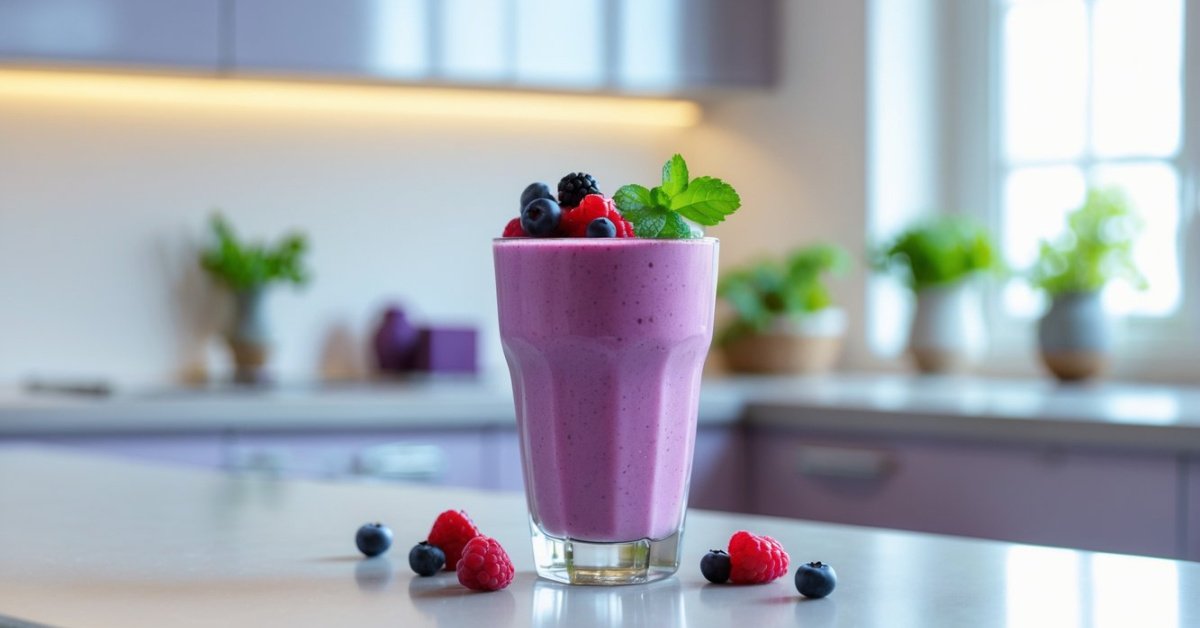
I love starting my day with a fresh smoothie. It’s quick, tasty, and packed with all sorts of good stuff. But I used to wonder just how many calories I was actually sipping down each morning. If you’ve ever tossed a handful of fruit, a splash of juice, and maybe a scoop of protein powder into the blender without a second thought, you’re not alone.
Knowing how to calculate the calories in your smoothie can make a big difference, especially if you’re watching your intake or aiming for specific health goals. It doesn’t have to be complicated or time-consuming. With a few simple steps, I’ve learned how to take control of what’s in my glass—and you can too.
Why Knowing Smoothie Calories Matters
Tracking smoothie calories means knowing exactly what goes into each glass I serve or blend for myself. For guests and regulars at my smoothie shop, detailed calorie info helps match smoothies to their health goals—whether cutting sugar, boosting protein, or sticking to a set daily calorie limit.
Adjusting smoothie recipes becomes easier and more effective with accurate calorie calculations. For example, swapping whole milk for almond milk or adding chia seeds changes the nutritional value and supports specific dietary needs.
Comparing calorie counts for common smoothie ingredients reveals hidden calorie spikes. Higher-calorie items like peanut butter, avocados, and sweetened yogurts add more calories than most fruits or leafy greens. Knowing the numbers lets me recommend ingredient swaps tailored to personal preferences and goals.
Nutritional transparency gives customers confidence in every order. People who track daily intake—for weight loss, management, or sports nutrition—rely on precise ingredient amounts and calories for accountability. I’ve seen more customers thrive and return when they feel empowered, informed, and supported in their choices.
Key Components in Your Smoothie
Every smoothie starts with a few essential building blocks that drive the calorie total. I focus on ingredient choice and portion control, using these three primary categories for every blend.
Fruits and Vegetables
Fruits and vegetables create the flavor and nutrition foundation for smoothies. I select options like bananas, mangoes, or spinach, checking calorie counts per serving—one medium banana contains around 105 calories, while one cup of spinach provides just 7 calories (USDA FoodData Central). Dark leafy greens add bulk and fiber without increasing calories much, and berries boost antioxidants with about 50-85 calories per cup.
Liquids and Bases
Liquids and bases help blend everything to the right consistency. Common bases in my recipes include dairy milk (whole: 150 calories/cup, unsweetened almond: 30-40 calories/cup), coconut water (45 calories/cup), or Greek yogurt (plain nonfat: 100 calories/cup). Caloric value varies widely, so I always check nutrition labels and choose lower-calorie options when aiming for lighter blends.
Add-ins and Sweeteners
Add-ins and sweeteners change both nutrition and calorie content quickly. I use protein powder (80-120 calories/scoop), nut butter (peanut butter: about 190 calories/tbsp), seeds (chia: 60 calories/tbsp), and oats (rolled: 150 calories/½ cup). Sweeteners like honey or agave pack about 60 calories/tbsp, while dates add roughly 20 calories per piece. Choosing unsweetened or minimal add-ins keeps calorie counts lower while still boosting texture, flavor, or nutrition.
Step-by-Step Guide: How to Calculate Calories in Your Smoothie
I use a simple process to get the most accurate calorie count in every homemade smoothie. Knowing each step keeps my recipes consistent, supports nutritional goals, and helps my customers make informed choices.
Listing and Weighing Ingredients
I start by listing every single ingredient. Fruits, vegetables, liquids, protein powders, nut butters, sweeteners, and greens each go on my list. I weigh or measure each before blending—often using grams or ounces—for precision. For example, instead of “1 banana,” I’ll log “120g banana,” since size and weight change calories.
Using Nutrition Labels and Apps
I use nutrition labels for packaged items like yogurt, almond milk, or protein powder, as these provide specific calories per serving or per gram. For fresh produce or pantry staples without labels, I rely on apps like MyFitnessPal or the USDA Food Database. Entering exact weights pulls up the most specific calorie count for each ingredient.
Calculating Total Caloric Content
I total the calories for all smoothie ingredients. I add up each measured value from labels and app results. For instance, if I blend 120g banana (105 kcal), 200ml almond milk (30 kcal), and 15g peanut butter (90 kcal), my smoothie totals 225 kcal. I log this in my recipe notebook for quick repeats or adjustments. I double-check for “hidden” extras, like honey or seeds, to give the most accurate overall number.
Tips for Managing Smoothie Calories
- Choose low-calorie bases
I use unsweetened almond milk, coconut water, or cold-brewed green tea to lower the calorie count compared to dairy milk or juice.
- Measure ingredients precisely
I weigh fruits, nut butters, and add-ins to avoid accidental calorie overload, especially with high-calorie options like peanut butter or honey.
- Use whole fruits for sweetness
I blend ripe bananas, berries, or mango instead of adding sugar or syrups, keeping flavors rich and calories lower.
- Limit high-calorie add-ins
I add seeds, protein powders, or granola sparingly, using 5–10 grams per serving, since these boost nutrition but can raise calories fast.
- Swap creamy thickeners
I reach for frozen cauliflower, Greek yogurt, or ice cubes instead of full-fat yogurt or ice cream to keep shakes satisfying but lighter.
- Watch portion sizes
I serve smoothies in 12–16 oz glasses, not extra-large cups, since portion control helps manage calorie intake without sacrificing enjoyment.
- Read nutrition labels
I double-check calories on nut milks, protein powders, and packaged items before blending, preventing accidental calorie spikes.
- Add fiber and protein
I include chia seeds or a scoop of protein isolate, since fiber and protein increase fullness for the same or fewer calories than sugary mixers.
- Keep recipes simple
I stick to three to five ingredients for most shakes, cutting calories from unnecessary extras while allowing great flavors to shine.
Following these techniques, I help my customers and myself enjoy delicious, nutrient-packed smoothies that support health goals and taste preferences.
Common Mistakes to Avoid
- Guessing or Eyeballing Ingredient Amounts
Guessing amounts lowers accuracy in calorie counts, especially for calorie-dense items like peanut butter or honey. I use a digital kitchen scale for precise measurements.
- Ignoring High-Calorie Add-Ins
Ignoring items like protein powders, nut butters, or flavored syrups hides hundreds of calories. I always add these to my calculations and use them carefully.
- Overlooking Liquid Bases
Overlooking the calories in bases like fruit juice, chocolate milk, or coconut milk misleads totals. I check every base with nutrition labels and apps.
- Missing Hidden Sugars
Missing sugars in flavored yogurts, pre-made smoothies, or sweetened non-dairy milk spikes daily intake. I only choose unsweetened or low-sugar varieties in my shop.
- Forgetting Portion Size When Multiplying Recipes
Forgetting to divide a large batch by several servings lets a single drink exceed expected calories. I portion out servings and do the calorie math for each glass.
- Using Generic or Inaccurate Nutrition Sources
Using generic database values causes big differences, because brands and produce sizes vary. I rely on branded packaging info and use digital databases backed by USDA data for produce.
- Not Tracking Toppings or Extras
Not tracking toppings like granola, whipped cream, or nut chunks increases final calories. I note every extra, even small ones, before serving smoothies in my shop.
- Skipping Updates When Recipes Change
Skipping recalculation after ingredient swaps or seasonal changes makes my calorie info outdated. I update my counts every time I tweak a recipe or bring in a new product.
Conclusion
Taking a little extra time to calculate the calories in my smoothies has made a big difference in how I approach my health goals and recipe choices. It’s become second nature for me to check labels and weigh ingredients before blending up something delicious.
By paying attention to these details I’ve found it much easier to enjoy smoothies that fit my lifestyle and support my well-being. Whether I’m making a quick breakfast or crafting new recipes for my shop I know I’m providing something nutritious and satisfying every time.