When I’m gearing up for a workout or winding down after a tough session I always look for something quick and delicious to fuel my body. That’s where smoothies come in. They’re my go-to choice for packing in nutrients without spending hours in the kitchen.
Smoothies aren’t just tasty—they can actually help boost athletic performance when made with the right ingredients. Whether I’m aiming for more energy before a run or faster recovery after lifting weights I’ve found that the right blend makes all the difference. With a little creativity it’s easy to whip up a smoothie that fits my fitness goals and keeps me coming back for more.
Understanding the Role of Nutrition in Athletic Performance
Nutrition drives athletic performance through every stage of training and recovery. Macros like carbohydrates, proteins, and fats each have unique roles in fueling athletes—carbohydrates from bananas or oats power endurance, proteins from Greek yogurt or whey support muscle repair, and healthy fats from nut butters or seeds help sustained energy production. Micronutrients such as potassium in spinach or magnesium in chia seeds are also critical for muscle function and hydration.
Timing impacts the effect of nutrition—eating carbs and some protein about 1–2 hours before a workout can optimize energy stores. After training, a mix of protein and simple carbs—like in a smoothie with berries and protein powder—helps muscle recovery by supporting repair and glycogen replenishment, a fact supported by the International Society of Sports Nutrition (ISSN, 2017).
Quality ingredients matter. When I pick fruits, greens, or add-ins like flaxseed or cacao, I focus on nutritional density and absorption. Fresh produce delivers better taste and nutrient bioavailability compared to heavily processed ingredients. The right blend of macros, micros, and hydration from liquids like coconut water or almond milk in every smoothie enhances real performance benefits for anyone, from casual gym-goers to experienced athletes.
Benefits of Smoothies for Athletes
Athletes see noticeable results with smoothies that combine balanced nutrition and fresh ingredients. In my smoothie shop, I design each blend to maximize performance, whether clients want pre-workout fuel or support for faster recovery.
Quick Nutrient Absorption
Smoothies deliver nutrients rapidly—blending fruits, vegetables, and proteins breaks down fibers, which helps the body absorb vitamins, minerals, and amino acids efficiently. After workouts, fast-absorbed proteins like Greek yogurt or whey support muscle repair right when it’s most needed. My customers often mention feeling renewed and energized within 30 minutes of drinking a post-exercise smoothie.
Customizable Ingredients for Specific Needs
Smoothie ingredients adjust to target unique performance goals. Endurance athletes add rolled oats, bananas, and honey for slow-burning complex carbs. Strength trainers use nut butters, spinach, and seeds for extra protein and iron. I recommend plant-based powders for vegan customers and swap dairy for oat milk or coconut water when needed. Every blend can be fine-tuned—some opt for beetroot to boost stamina, while others choose berries and chia seeds for antioxidants.
Hydration and Recovery Support
Smoothies made with coconut water, leafy greens, or watermelons hydrate the body before and after training. I often blend in natural electrolytes, like a pinch of sea salt or unsweetened coconut water, to replenish what’s lost during intense exercise. Antioxidant-rich ingredients—blueberries, turmeric, or pineapple—help reduce inflammation and support muscle recovery post-workout, letting athletes return to their training routines sooner.
Key Ingredients for Performance-Boosting Smoothies
I build every performance smoothie on carefully selected ingredients that support strength, stamina, and recovery. Ingredient choice drives the unique benefits and flavor of each blend.
Protein Sources
I include protein in each smoothie to help support muscle growth and repair. My favorites are:
- Greek Yogurt: Delivers 10–15g protein per serving, plus probiotics for gut health.
- Whey or Plant-Based Protein Powders: Offers 20–25g high-quality protein per scoop, ideal for post-workout recovery.
- Nut Butters (examples: almond, peanut): Adds 4–8g protein, healthy fats, and rich flavor.
- Silken Tofu: Supplies 7–9g protein while creating a creamy texture for those avoiding dairy.
Complex Carbohydrates
I use complex carbs to provide sustained energy throughout intense training sessions. Ingredients I recommend:
- Rolled Oats: Adds 27g slow-digesting carbs per ½ cup, keeping energy levels steady.
- Banana: Brings 24g carbs per medium fruit for quick and long-lasting fuel.
- Sweet Potato Purée: Packs 20g carbs per ½ cup, along with fiber for digestion.
Essential Vitamins and Minerals
I maximize every smoothie’s micronutrient content for optimal athletic performance. My popular additions include:
- Leafy Greens (examples: spinach, kale): Delivers vitamins A, C, and K, along with magnesium and iron for oxygen delivery and muscle function.
- Berries (examples: blueberries, strawberries): Supplies vitamin C and powerful antioxidants that fight inflammation and speed up recovery.
- Chia or Flax Seeds: Offers magnesium, iron, and omega-3 fatty acids to reduce muscle soreness and promote cellular repair.
Hydration Boosters
I enhance recovery and endurance with ingredients that prevent dehydration. I rely on:
- Coconut Water: Provides natural electrolytes like potassium and sodium for optimal fluid balance.
- Cucumber: Contributes high water content and vitamin K, helping rehydrate after exercise.
- Watermelon: Delivers L-citrulline, which may reduce muscle soreness, and supports hydration with its high water content.
In my smoothie shop and at home, I rely on these ingredients for blends that support every stage of an athlete’s training.
Best Times to Consume Smoothies for Athletic Performance
Timing smoothies matters for maximizing training results and supporting recovery. I focus on using every ingredient at the right moment to help athletes fuel up or recharge efficiently.
Pre-Workout Fueling
Drinking a smoothie 60-90 minutes before exercise supports endurance and energy. I blend complex carbs like oats, bananas, or sweet potato purée with light protein sources such as Greek yogurt or silken tofu. If training starts early, I keep the blend simple—one banana, a handful of fresh berries, and coconut water. High-fiber and high-fat ingredients slow digestion, so I keep them minimal in pre-workout smoothies. By choosing the right balance, I help prevent sluggishness and ensure sustained energy.
Post-Workout Recovery
Consuming a smoothie within 30 minutes of finishing exercise helps me kickstart muscle repair and replenish glycogen. I use fast-digesting protein like whey or a clean plant-based blend, paired with easily absorbed carbs from pineapple, watermelon, or mango. Anti-inflammatory ingredients like cherries or spinach and hydration boosters such as coconut water support recovery. For clients tackling long or intense sessions, I add a scoop of nut butter or flax seeds to address mild electrolyte loss and deliver sustained protein. Fast action in this window helps reduce soreness and prime muscles for the next workout.
Sample Smoothie Recipes for Enhanced Athletic Performance
I’m always experimenting with new blends in my smoothie shop, aiming to create simple recipes that deliver on taste and support performance. Below, I’ve included a few favorites that regularly fuel athletes and fitness fans alike.
Energy-Boosting Green Smoothie
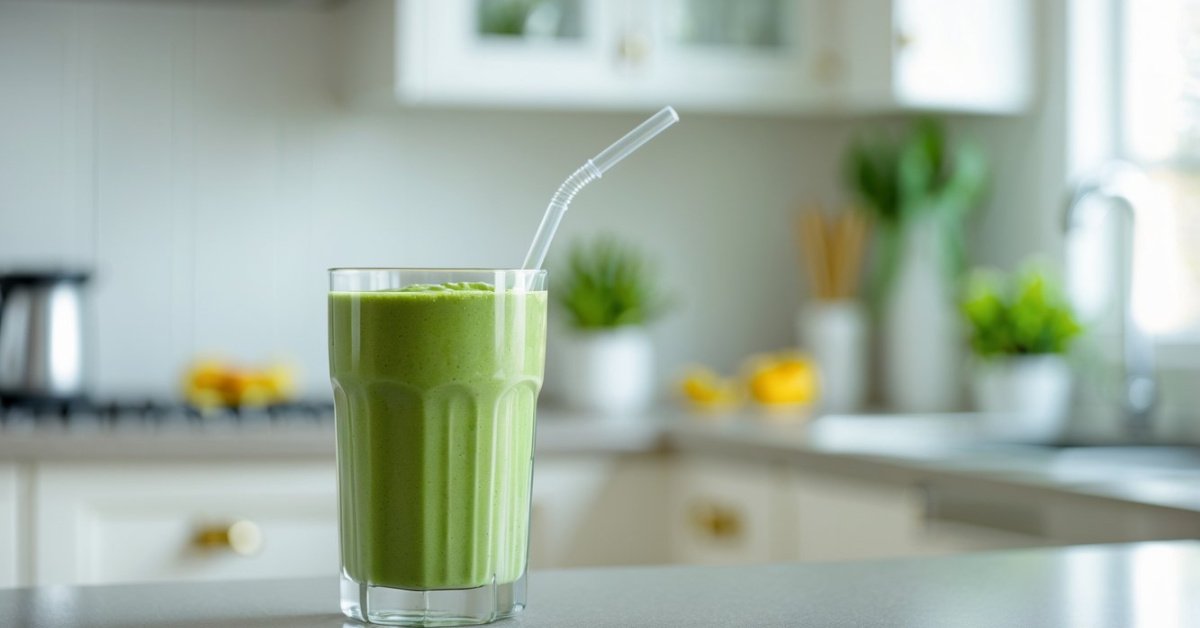
I craft this green smoothie to deliver sustained energy before workouts. Spinach (1 cup), frozen mango (3/4 cup), ripe banana (1 medium), rolled oats (3 tablespoons), Greek yogurt (1/2 cup), and coconut water (3/4 cup) blend together for a drink packed with complex carbs and antioxidants. Leafy greens like spinach boost vitamin K and iron for optimal oxygen transport. I use ripe mango and banana to raise glycogen stores and enhance natural sweetness, avoiding added sugars. Rolled oats raise fiber content and provide lasting energy, keeping blood sugar steady during training sessions.
Post-Workout Protein Smoothie
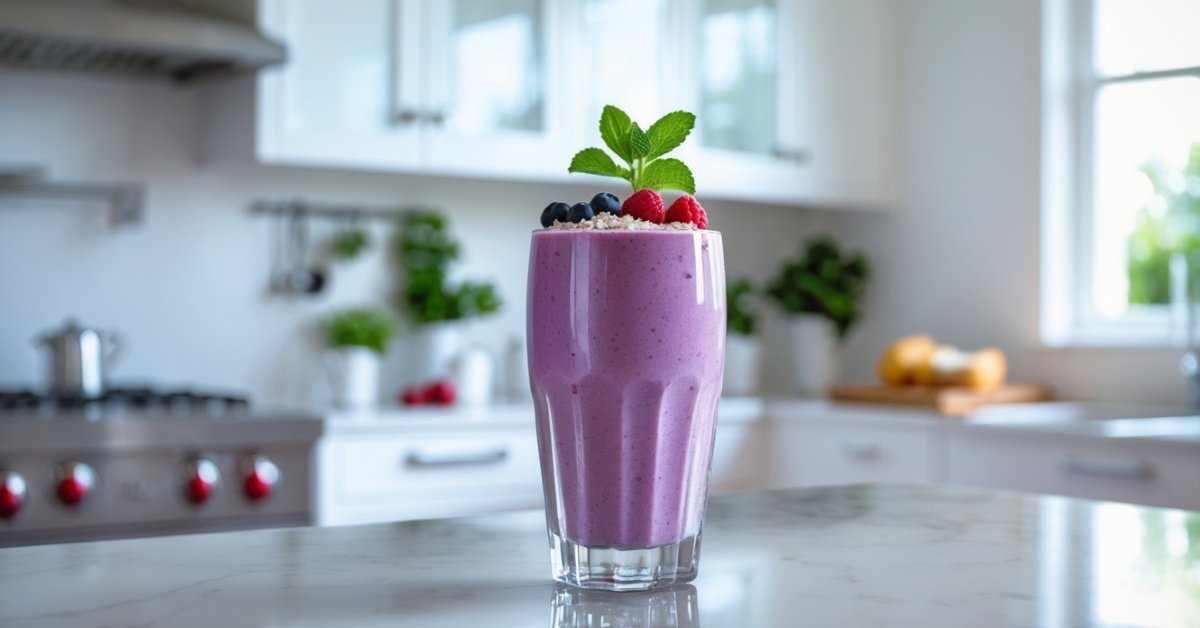
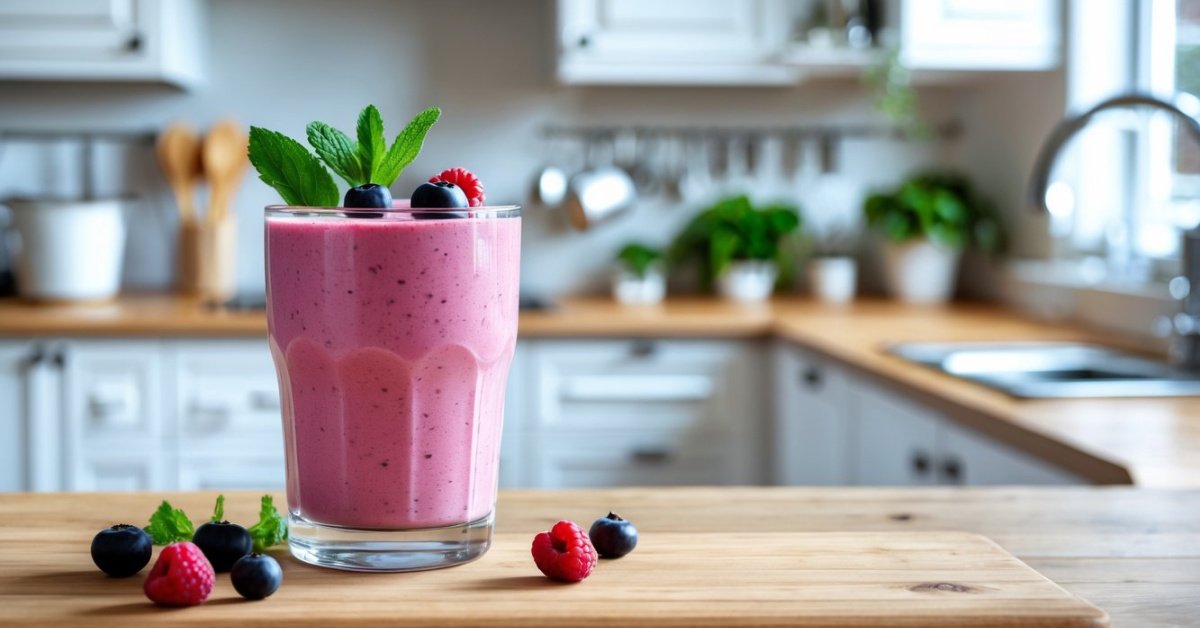
For muscle recovery after intense sessions, I recommend a balanced smoothie with whey or plant-based protein powder (1 scoop), frozen berries (1 cup, such as blueberries and strawberries), unsweetened almond milk (1 cup), natural peanut butter (1 tablespoon), and ground flax seeds (1 tablespoon). Whey or pea protein rebuilds muscle fibers, while mixed berries supply antioxidants that combat exercise-induced inflammation. I opt for natural peanut butter to add healthy fats and extra protein, aiding muscle repair. Ground flax seeds bring omega-3 fatty acids, supporting joint health and controlling inflammation.
Hydration-Focused Fruit Smoothie
During long training days, hydration becomes just as important as fuel. I combine watermelon (1 cup, cubed), cucumber (1/2 cup, sliced), frozen pineapple (1/2 cup), fresh mint (a few leaves), and coconut water (3/4 cup) for a refreshing, rehydrating blend. Watermelon and cucumber raise fluid intake with high water content and potassium, while pineapple adds vitamin C to support recovery. I top off with coconut water for electrolytes, ensuring efficient post-workout hydration. Fresh mint finishes the blend, promoting digestion and a cooling effect after high-intensity sessions.
Tips for Making Effective Athletic Performance Smoothies
Blend high-quality ingredients for effective smoothies. I always reach for fresh produce, unsweetened nut butters, Greek yogurt, and plant-based milks to create a vibrant, nutrient-dense base. Frozen fruits like berries or mango keep the texture creamy without extra ice or sugar.
Balance macronutrients for targeted athletic performance. I pair complex carbs such as rolled oats or sweet potato with lean proteins like protein powder, silken tofu, or hemp seeds to fuel workouts and speed up recovery. I usually add healthy fats—chia, flax, or walnuts—to maximize satiety and support joint health.
Adjust ingredient amounts for specific goals. I increase carbs for endurance smoothies by blending more oats or bananas; for muscle recovery blends, I boost protein with Greek yogurt or a full scoop of protein powder.
Layer flavors for taste and nutrition. I balance tart with sweet by combining citrus or pineapple with greens like spinach. I add a dash of cinnamon, a drizzle of honey, or a splash of vanilla to make each drink crave-worthy and satisfying.
Use hydration boosters for added benefits. I swap plain water for coconut water or herbal tea, which contain electrolytes and antioxidants that help reduce dehydration and inflammation during intense training.
Blend in stages for best consistency. I start with liquids and soft ingredients, add powders, then finish with frozen items. This order helps my blender run smoothly, avoiding lumps and clumps.
Watch portion sizes when making performance smoothies. I use a blend that fills a 16–20 oz cup, as this size typically fits the nutritional needs of most athletes without overloading the digestive system before or after exercise.
Rotate ingredients to avoid nutrient gaps. I swap greens weekly—spinach, kale, or collard greens—and vary fruits to provide a wider range of vitamins and antioxidants.
Taste-test and adjust every recipe. I always sip before serving, adjusting sweetness or thickness as needed, so every performance smoothie is both enjoyable and effective.
Conclusion
When it comes to fueling my workouts and speeding up recovery nothing beats a well-crafted smoothie. I love how easy it is to experiment with new flavors and ingredients that support my fitness goals while still tasting delicious.
Making smoothies a regular part of my routine keeps me motivated and energized for every training session. With a little creativity and attention to nutrition I can always find a blend that works for me and helps me perform at my best.