I’ve always loved a good shake but I used to worry about all the sugar hiding inside. That’s when I started exploring low-sugar shakes and I was surprised by how tasty and satisfying they could be. Cutting back on sugar doesn’t mean giving up flavor or nutrition.
Low-sugar shakes have become my go-to for a quick breakfast or a midday snack. They’re packed with nutrients and keep me feeling energized without the sugar crash. If you’re curious about what makes these shakes so good for you you’re in the right place.
What Are Low-Sugar Shakes?
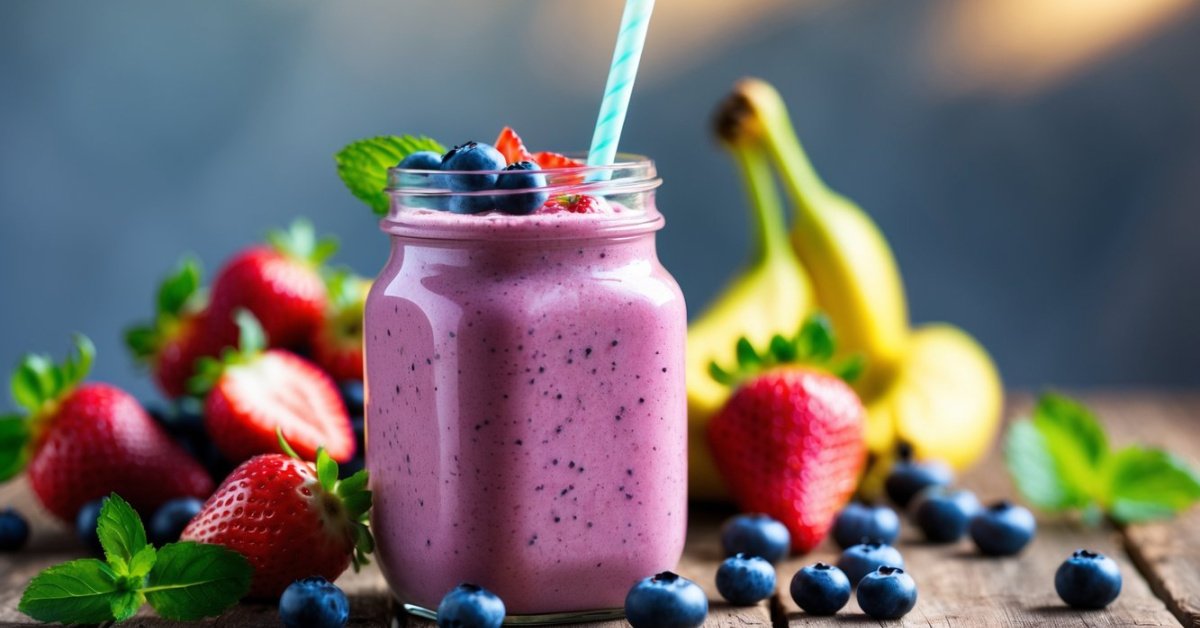
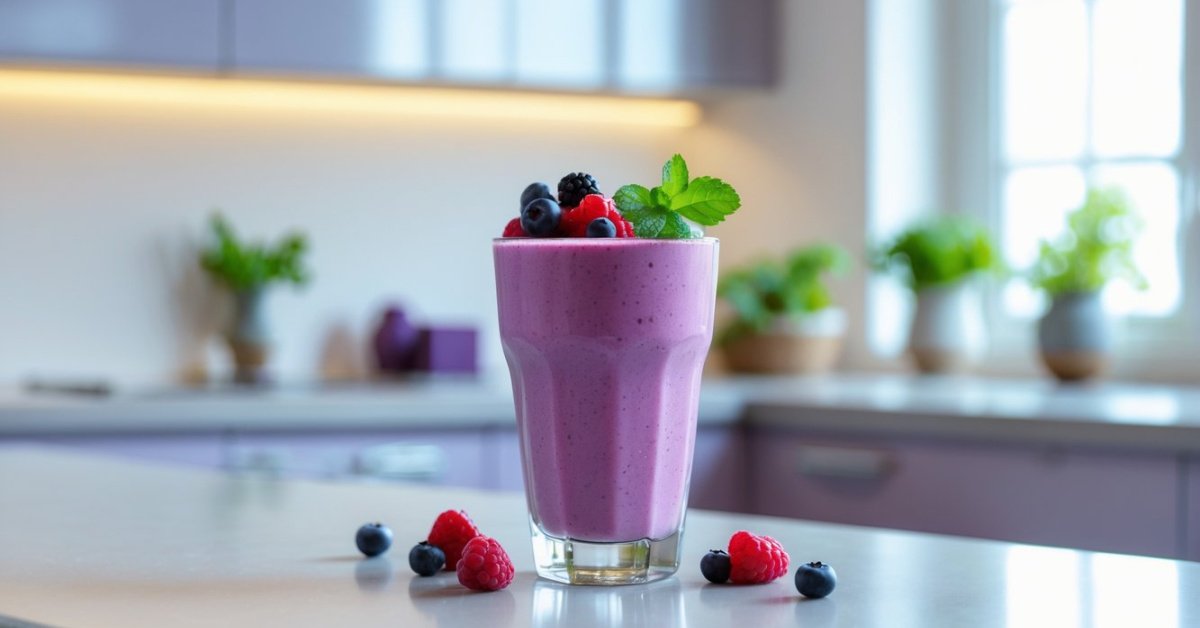
Low-sugar shakes use minimal added sugars, focusing on nutrient-dense ingredients like unsweetened almond milk, low-glycemic fruits such as berries, and protein sources like Greek yogurt. I pick these to give every shake flavor and texture while avoiding sugar spikes. Each recipe features fresh produce, seeds (chia, flax), and quality proteins, which keep the body fueled longer.
Most pre-made shakes use 12–40 grams of sugar per serving—for example, many fast-food options—while my low-sugar shakes target 5 grams or less using natural sweeteners like stevia or a few pieces of fruit. This keeps flavors balanced, letting each ingredient stand out.
Typical customers choosing low-sugar shakes want delicious, creamy texture and balanced flavors without feeling bloated or sluggish. Low-sugar shakes work for breakfast, post-workout, or anytime nutrition is needed on the go, given the right blend of proteins, fiber, and healthy fats. Every recipe I develop spotlights the natural taste of ingredients, which makes healthy choices easier and tastier.
Key Nutritional Benefits of Low-Sugar Shakes
Low-sugar shakes give my customers a way to enjoy full flavor while supporting healthy choices. I always use quality and nutrient-focused ingredients to deliver taste and functional benefits.
Reduced Caloric Intake
Choosing low-sugar shakes lowers calorie intake per serving. In my shop, shakes with less than 5 grams of added sugar average 120-180 calories per 12-ounce serving, compared to typical high-sugar shakes, which often exceed 300 calories. Lower calories allow more flexibility for people tracking daily energy intake or aiming for weight management. My regulars who swap high-sugar blends for my low-sugar recipes consistently see their calorie totals drop without losing satisfaction.
Improved Blood Sugar Control
Low-sugar shakes help stabilize blood sugar after meals. I use slow-digesting ingredients like chia seeds, unsweetened almond milk, and Greek yogurt, which support steady energy levels. For customers with diabetes or anyone mindful of glycemic impact, low-sugar shakes minimize spikes because they avoid high-fructose fruits or added sweeteners. I’ve seen even my most active clients report less “crashing” or craving sweets after trying my low-sugar recipes.
Enhanced Nutrient Density
Low-sugar shakes boost the amount of vitamins, minerals, and antioxidants per calorie. Each shake I craft features ingredients such as spinach, blueberries, flaxseeds, and natural protein sources, creating a blend that covers macronutrient and micronutrient needs. By limiting empty calories from added sugars, my shakes make more room for nutritious foods—making every serving a meaningful source of nourishment for anyone seeking a healthier smoothie routine.
Comparing Low-Sugar Shakes to Traditional Shakes
Low-sugar shakes and traditional shakes stand apart in ingredient choices, nutrition, and taste. I’ve crafted both types in my shop, and each has a unique profile.
Sugar Content
Low-sugar shakes contain 3-6 grams of sugar per 12-ounce serving, using unsweetened almond milk and berries. Traditional shakes often exceed 25 grams per serving from sweetened yogurts, ice cream, or syrups.
Calorie Counts
Low-sugar blends average 120-180 calories using Greek yogurt or nut milk as a base. Traditional shakes usually range from 220-350 calories, mainly from added sugars and full-fat dairy.
Protein and Fiber
Low-sugar shakes include nuts, seeds, or protein powder, which yield 10-18 grams of protein and 3-6 grams of fiber per serving. Classic shakes typically contain less protein and fiber, often missing nuts, seeds, or complex produce.
Micronutrient Density
Low-sugar shakes incorporate spinach, chia seeds, or low-glycemic fruit for vitamins C, E, magnesium, and potassium. Traditional shakes may provide calcium but lack the broader range of phytonutrients from greens and seeds.
Blood Sugar Impact
Low-sugar shakes offer slower-burning carbs and healthy fats. My customers who monitor blood sugar prefer these, since they avoid sharp spikes and dips linked to sweetened, high-glycemic drinks.
Table: Nutritional Comparison of 12-Ounce Shakes
| Shake Type | Sugar (g) | Calories | Protein (g) | Fiber (g) | Example Base |
|---|---|---|---|---|---|
| Low-Sugar Shake | 3–6 | 120–180 | 10–18 | 3–6 | Almond milk, Greek yogurt |
| Traditional Shake | 25–35 | 220–350 | 5–8 | 1–2 | Sweetened milk, ice cream |
Low-sugar shakes deliver nutrition, flavor, and satisfying texture using carefully selected ingredients. If I blend traditional shakes, rich taste and creamy textures come from added sugars and fats, while low-sugar recipes rely on protein, seeds, and fresh produce for balance. My regulars often notice they feel fuller and more energized after a low-sugar shake, compared to the fleeting fullness and crash from sweetened alternatives.
Ideal Ingredients in Low-Sugar Shakes
Selecting ideal ingredients in low-sugar shakes transforms the experience from bland to crave-worthy while supporting balanced nutrition. I always layer shakes with fresh and nutrient-dense building blocks, keeping sugar content low and taste high.
- Unsweetened Plant-Based Milks
Almond milk, soy milk, and coconut milk naturally cut sugar compared to sweetened versions. I use them as creamy, low-calorie bases.
- Low-Glycemic Fruits
Blueberries, strawberries, and raspberries add vibrant flavor and antioxidants. These berries contain 3-7 grams of sugar per ½-cup serving.
- Protein-Rich Additions
Greek yogurt, cottage cheese, or plant-based protein powders boost satiety and muscle support. Each delivers 10-20 grams of protein per serving with little sugar.
- Leafy Greens and Vegetables
Spinach, kale, and zucchini blend into shakes without overpowering flavors. These add fiber, magnesium, and calcium with negligible sugar impact.
- Nut and Seed Butters
Almond butter, peanut butter, and chia seeds offer healthy fats and fiber. I often use 1 tablespoon to keep shakes filling and creamy.
- Flavor Enhancers
Unsweetened cocoa powder, vanilla extract, and spices like cinnamon or nutmeg heighten sweetness perception without raising sugar.
Combining these ideal ingredients in each shake creates a smooth, rich texture, natural sweetness, and a nutrient-packed result that never relies on excess sugar. This approach keeps my shakes both satisfying and supportive of healthy eating routines.
Who Can Benefit from Low-Sugar Shakes?
Parents find low-sugar shakes ideal for children needing balanced snacks without excess sugar, especially when picky eaters resist vegetables or whole fruits.
Athletes use low-sugar shakes as post-workout fuel, as my protein-rich blends support muscle recovery and sustained energy with only 5 grams of sugar or less per serving.
People with diabetes benefit from low-sugar shakes thanks to steady blood sugar support from slow-digesting carbs and minimal added sugar, as shown in American Diabetes Association guidelines.
Weight-conscious individuals choose my shakes for meal replacements and calorie control, since each serving typically offers 120-180 calories and rich micronutrients.
Busy professionals look for portable, satisfying mixes that deliver fiber, protein, and vitamins without mid-day energy crashes, especially with fast-paced schedules.
Plant-based eaters rely on customizable low-sugar shakes featuring unsweetened plant milks, seeds, and greens, making them suitable for vegan lifestyles while supporting daily nutrition.
Anyone seeking nutrient-dense snacks enjoys my low-sugar shakes, with blends that layer berries, greens, and healthy fats while keeping the sugar content low.
Conclusion
Choosing low-sugar shakes has completely changed the way I approach quick meals and snacks. I love knowing that every blend I make is packed with nutrients and keeps my energy steady throughout the day.
It’s great to have an option that fits so many different needs without sacrificing taste or texture. Whether I need a speedy breakfast or a post-workout boost these shakes have become my go-to for healthy and satisfying nourishment.