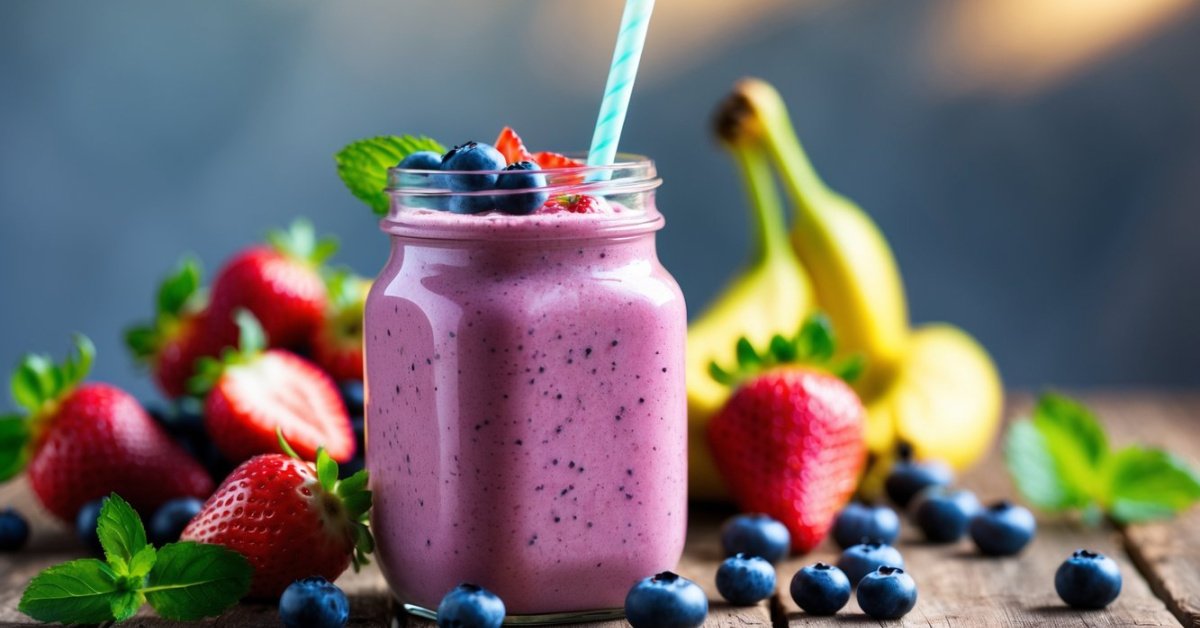

When I toss a handful of juicy peaches into my morning smoothie I know I’m in for a treat. Peaches bring a natural sweetness that can turn any blend into something special and refreshing. But there’s more to these golden fruits than just their taste—they’re packed with nutrients that make my smoothies as nourishing as they are delicious.
I love how peaches blend so smoothly with other fruits and even greens. Every sip feels like a burst of summer and I always feel good knowing I’m fueling my body with vitamins and fiber. If you’re curious about what makes peaches such a smart choice for smoothies you’re in the right place.
The Appeal of Peaches in Smoothies
Ripe peaches bring vibrant color, juicy sweetness, and velvety texture to smoothies. I use fresh or frozen peach slices in my shop because they blend seamlessly, leaving no gritty residue in the cup. Their naturally sweet taste means I rarely add extra sugars to recipes featuring peaches.
Low-calorie content makes peaches ideal for smoothies supporting fitness goals, as a medium peach contains only 60 kcal (USDA, 2023). High water content helps with hydration, especially during hotter months. I often recommend peaches for post-workout shakes since their mild flavor pairs with proteins like Greek yogurt, plant-based milks, or whey isolate.
Versatile in flavor, peaches complement berries, pineapples, oats, ginger, spinach, and chia seeds. This flexibility lets me create smoothies that satisfy different preferences, whether customers want something tropical, green, or protein-rich.
Distinctive aroma enhances the overall sensory experience, so I feature peach-based blends as seasonal favorites each summer. Customers appreciate the balance of taste, nutrition, and visual appeal that peaches bring to every smoothie.
Overview of the Nutritional Profile of Peaches
I always keep peaches at the top of my ingredient list for smoothies because their nutrient balance supports both taste and health. Peaches deliver key vitamins, fiber, and antioxidants—making every blend more nutritious and delicious.
Vitamins and Minerals
Peaches pack vitamin C, vitamin A, and potassium in each serving. A medium peach (about 150g) provides 10% of the daily value (DV) for vitamin C, based on USDA data. Vitamin C in peaches helps support immunity and skin health. I also rely on their vitamin A content—mainly as beta-carotene, with around 8% DV per peach—for eye health. Potassium levels average 285mg per fruit, helping with fluid balance, especially after workouts.
Macronutrients and Calories
A medium peach contains 15g carbohydrates, 1g protein, and 0g fat. Fiber adds up to 2g per fruit, enhancing digestive health and smoothie texture. At just 60 kcal per peach, they offer plenty of volume and flavor without adding excess energy. Low fat and moderate natural sugars keep my smoothies light yet satisfying.
Antioxidants and Phytochemicals
Peaches add antioxidants like polyphenols, chlorogenic acid, and beta-carotene to any smoothie. Polyphenols support cell protection against oxidative stress. Chlorogenic acid, present in both skin and flesh, contributes to heart health. Beta-carotene provides both color and antioxidant action—visual appeal and nutrition in one. Each blend in my smoothie shop benefits from these natural compounds, helping customers enjoy real wellness with every sip.
Health Benefits of Adding Peaches to Smoothies
I always reach for peaches when blending smoothies at my shop. Their impressive nutritional value upgrades every blend, delivering delicious flavor and noticeable wellness benefits.
Supporting Immune Health
Peaches support immune health with a solid vitamin C supply. Each medium peach offers about 10% of the daily value, which promotes collagen formation and helps maintain a resilient immune system. I blend peaches into smoothies for customers looking to feel energized or recover quicker during cold and allergy seasons.
Digestive Health and Fiber Content
Peaches improve digestive health thanks to their fiber content. One medium peach contains about 2g of dietary fiber, making every smoothie more satisfying while supporting regularity. When customers ask for drinks that support digestive comfort, I always suggest peach-based blends with oats or chia seeds for extra fiber.
Skin and Heart Health
Peaches promote skin and heart health through antioxidants and essential nutrients. Rich in polyphenols and vitamin A, peaches contribute to skin’s natural glow. They’re also an easy source of potassium, which supports heart function and fluid balance. Many customers look for skin-friendly smoothies, so I add peaches with leafy greens for a tasty, nourishing blend that helps people feel as good as they look.
Comparing Peaches to Other Popular Smoothie Fruits
Comparing peaches to other popular smoothie fruits reveals distinct nutritional differences. I often blend peaches with strawberries, bananas, pineapples, and mangoes for comparison and balance in my smoothie shop. Each fruit brings unique texture, sweetness, and health benefits.
- Peaches vs. Strawberries: Both peaches and strawberries provide vitamin C, but strawberries contain roughly 89 mg per cup, higher than peaches’ 10 mg per medium fruit. Strawberry smoothies offer more antioxidants, though peaches give a creamier blend and subtle floral notes. Strawberries bring 3g fiber per cup while peaches offer 2g per fruit.
- Peaches vs. Bananas: Bananas deliver more potassium—422 mg per medium banana compared to peaches’ 285 mg—and a thicker, smoother texture. Peaches have less sugar and calories, making them easier for those monitoring intake. My lower-calorie shakes feature peaches for a lighter energy boost.
- Peaches vs. Pineapples: Pineapple smoothies taste tangy and pack 79 mg vitamin C per cup, significantly more than peaches. Peaches offer milder sweetness and less acidity, providing a smoother base and balancing strong tropical flavors. Pineapples also provide more natural enzymes for digestion support.
- Peaches vs. Mangoes: Mangoes create a velvety texture similar to peaches and bring 60 mg vitamin C per cup. Both add bright color and aromatic notes, but peaches include less sugar and calories and slightly more fiber, contributing to more filling, balanced shakes.
| Fruit | Calories (per medium/cup) | Vitamin C (mg) | Fiber (g) | Potassium (mg) | Unique Benefits |
|---|---|---|---|---|---|
| Peach | 60 (medium) | 10 | 2 | 285 | Hydration, low calories |
| Strawberry | 49 (cup) | 89 | 3 | 233 | High antioxidants, low sugar |
| Banana | 105 (medium) | 10 | 3 | 422 | Potassium, creamy texture |
| Pineapple | 82 (cup) | 79 | 2 | 180 | Enzymes, tangy flavor |
| Mango | 99 (cup) | 60 | 3 | 277 | Vibrant color, smooth texture |
Rotating these fruits in my smoothie recipes adds variety, nutrition, and flavor complexity. I combine peaches with other fruits to customize calorie, fiber, and micronutrient profiles based on customer needs. Using quality, healthy ingredients like peaches ensures smoothies are flavorful and support wellness goals.
Tips for Maximizing Nutrition in Peach Smoothies
Use ripe peaches for peak nutrients
I always select peaches that yield slightly to gentle pressure and have vibrant color, since ripe peaches contain higher antioxidant and vitamin C levels according to USDA data.
Add leafy greens for extra minerals
I blend baby spinach or kale into peach smoothies for iron, calcium, and vitamin K, which research in the Journal of Food Science links to better bone and immune health.
Incorporate seeds and nuts for healthy fats
I add chia seeds, flaxseeds, or almonds to boost omega-3 fatty acids, fiber, and plant-based protein, based on USDA nutrient composition reports.
Choose plain yogurt or plant-based substitutes for probiotics
I use nonfat Greek yogurt or almond yogurt, providing probiotics, added calcium, and extra protein, which support gut and bone health as found in the American Journal of Clinical Nutrition.
Skip added sugars and syrups
I rely on peaches’ natural sweetness and use dates or a ripe banana for occasional extra flavor, reducing excess sugar while maintaining smooth texture.
Limit juice and use hydrating liquids
I substitute water, coconut water, or unsweetened almond milk, controlling calorie intake and maximizing hydration, as recommended by the Academy of Nutrition and Dietetics.
Blend with the skin left on
I wash peaches thoroughly and blend with the skin for an extra boost of fiber and antioxidants, which studies from the Journal of Agricultural and Food Chemistry show can enhance total polyphenol content.
Rotate flavors with berries, pineapple, or fresh herbs
I often combine peaches with strawberries, blueberries, or fresh mint, adding phytonutrients and antioxidants, which creates a more complete nutritional profile and keeps my recipes exciting for both me and my customers.
Conclusion
Peaches always bring something special to my smoothie routine. Their unique blend of flavor and nutrition makes every sip more enjoyable and satisfying. I love how easy it is to experiment with different ingredients while still letting peaches shine.
If you’re looking to add a little extra wellness and a lot of taste to your smoothies give peaches a try. I find that they turn even the simplest blend into a refreshing treat that feels good and tastes even better.