I love starting my day with a smoothie that’s not just delicious but also good for my health. When it comes to supporting healthy blood pressure, I’ve found that the right blend of fruits and veggies can make a real difference. There’s something satisfying about sipping a cool drink and knowing it’s helping my body in more ways than one.
I’m always on the lookout for simple ways to add more nutrients into my routine. Smoothies are a quick fix that let me sneak in ingredients known to help keep blood pressure in check. Whether I’m rushing out the door or winding down after a workout, these tasty blends fit right into my lifestyle and help me feel my best.
Benefits of Smoothies for Healthy Blood Pressure
Smoothies support healthy blood pressure by combining ingredients rich in potassium, fiber, and antioxidants. I always use bananas, spinach, or avocados—these provide at least 350 mg of potassium per serving, which helps balance sodium levels. Research from the American Heart Association confirms that diets higher in potassium and lower in sodium improve blood pressure control.
Blending fruits and vegetables creates an easy way for customers at my smoothie shop to consume 2 to 3 servings of produce with every drink. Strawberries, beets, and blueberries deliver flavonoids known for supporting cardiovascular health, according to data published in Nutrients in 2021.
Making smoothies at home lets me control the amount of added sugar. I add unsweetened nut milks or Greek yogurt for creaminess and protein, while limiting refined sugars that could otherwise affect blood pressure.
Offering customization for smoothies in my shop enables everyone to choose flaxseeds, chia seeds, or oats, each providing soluble fiber. Higher fiber intake, shown by Harvard Health, helps reduce blood pressure and supports overall heart wellness.
Using high-quality ingredients ensures every smoothie delivers maximum benefits for healthy blood pressure and taste.
Key Ingredients for Blood Pressure Support
Blending the right ingredients is essential for smoothies that support healthy blood pressure. I focus on adding nutrient-dense options for both flavor and benefit.
Leafy Greens and Vegetables
Leafy greens offer powerful blood pressure support in every smoothie I make. Spinach, kale, and Swiss chard deliver high potassium and magnesium content—two minerals that may help relax blood vessels and counter sodium (Journal of Clinical Hypertension, 2020). Beets and celery also make regular appearances on my menu for their natural nitrates, shown to help promote normal vascular function. I prep and blend them raw to keep nutrients intact and flavors fresh.
Fruits Rich in Potassium
Fruits high in potassium help maintain electrolyte balance in my smoothies. Bananas, avocados, and oranges are staple picks, each adding creamy texture or tang. I add strawberries and kiwis for their fiber and antioxidant value, while cantaloupe brings extra sweetness without excess sugar. Potassium from these fruits supports healthy nerve signals and fluid balance for cardiovascular wellness (American Heart Association).
Seeds, Nuts, and Healthy Fats
Seeds and nuts deliver healthy fats and fiber critical for blood pressure management. I blend in flaxseeds or chia seeds for soluble fiber and plant-based omega-3s—both researched for heart health support (Harvard T.H. Chan School of Public Health). Almonds and walnuts introduce a subtle crunch and provide more magnesium. When customers request extra creaminess, I add a spoon of unsweetened nut butter or a few avocado slices, both healthy choices for delicious, satisfying texture.
Best Smoothie Recipes for Healthy Blood Pressure
I focus on smoothies with carefully paired ingredients when I want to support blood pressure health at home or in my shop. Here are my favorite recipes that combine science-backed choices for natural, delicious results.
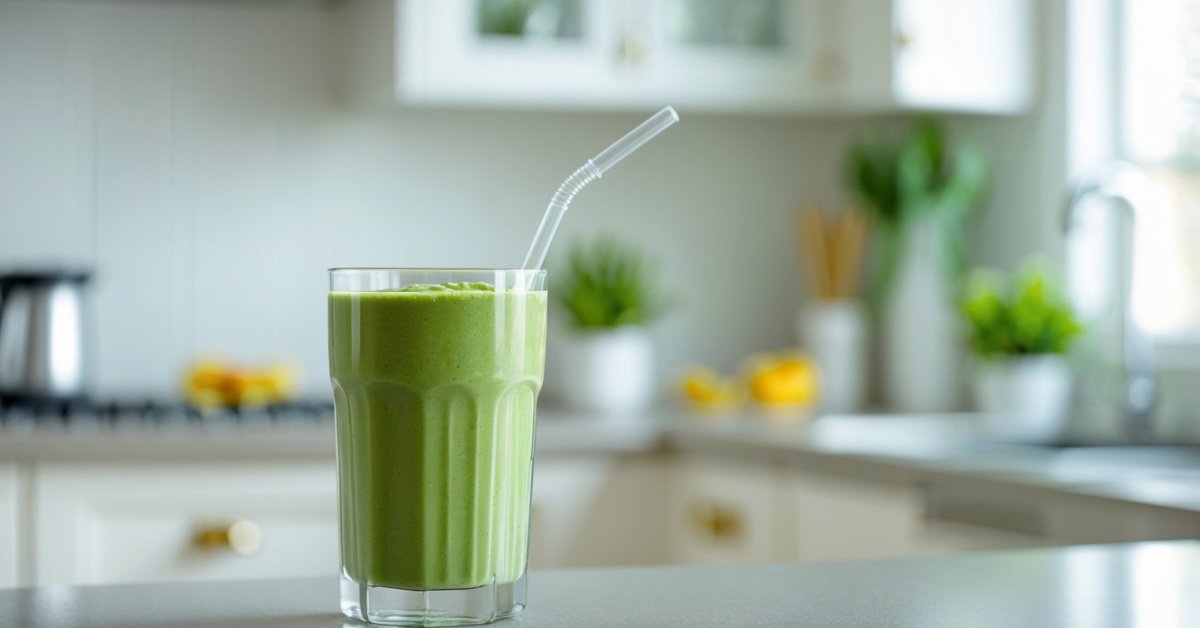
Green Power Smoothie
I make this with a mix of leafy greens, potassium-rich fruits, and creamy avocado for a smooth texture. I use:
- Spinach or kale (1 cup per serving) for magnesium and potassium
- Banana (½ medium) for extra potassium
- Avocado (¼ medium) to support heart-healthy fats
- Cucumber (½ cup, chopped) for hydration and antioxidants
- Unsweetened almond milk (1 cup) for a light, dairy-free base
I blend everything until it’s extra smooth. I sometimes add a tablespoon of chia or flaxseeds for fiber, if I want to boost the filling power. Customers in my shop love the bright color and subtle sweetness.
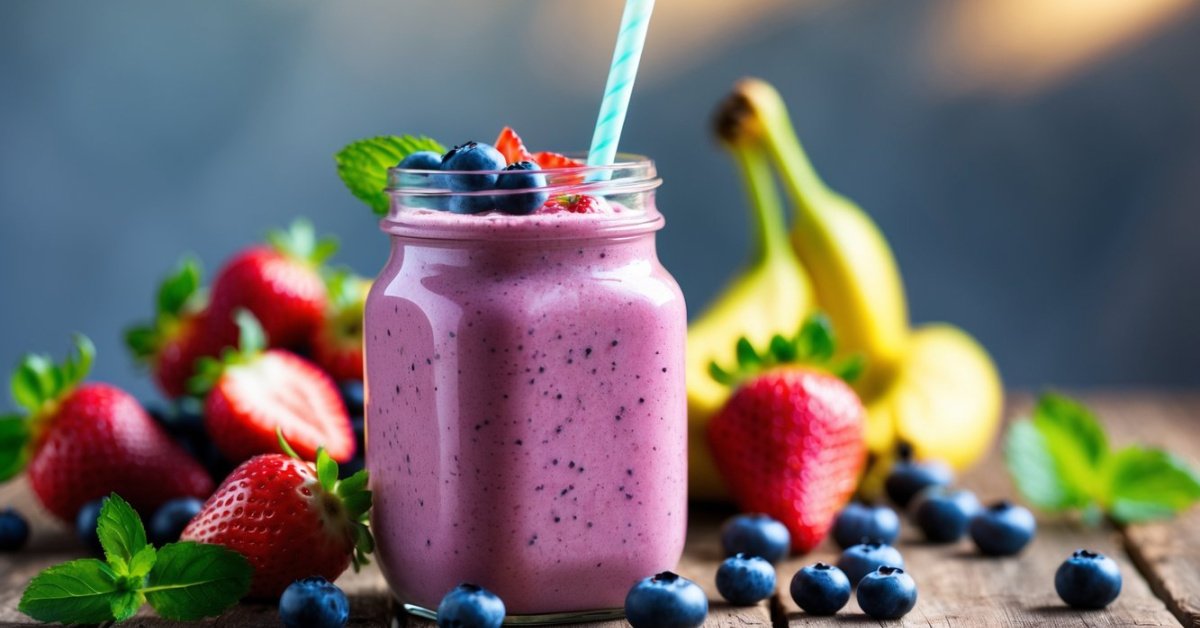
Berry Beet Blend
My go-to for antioxidant support and nitric oxide benefits is this blend. I include:
- Cooked beet (½ small, peeled) for natural nitrates
- Blueberries (½ cup, frozen) to supply antioxidants
- Strawberries (½ cup, fresh or frozen) for vitamin C and flavor
- Plain Greek yogurt (⅓ cup) for protein and creaminess
- Water (½ cup) or unsweetened oat milk for blending
I combine all the ingredients and blend until smooth. Adding oats (about 2 tablespoons) increases soluble fiber, which research associates with healthy blood pressure (source: American Heart Association).
Tropical Omega Boost
This smoothie offers a creamy base with tropical flavors and plenty of healthy fats. I use:
- Pineapple (½ cup, frozen) for natural sweetness and vitamin C
- Mango (½ cup, frozen) for more potassium and antioxidants
- Orange (juice of 1 medium) for vitamin C and flavor lift
- Ground flaxseeds (1 tablespoon) for plant-based omega-3s
- Coconut or cashew milk (1 cup) for a tropical dairy alternative
- Spinach (½ cup) for a mild, added nutrient boost
I blend until it’s smooth and creamy. Customers enjoy this smoothie for its bright flavor and nourishing profile, especially after a workout or as a quick breakfast.
Tips for Making and Enjoying Blood Pressure-Friendly Smoothies
Choose fresh, high-quality produce
I always pick crisp spinach, ripe bananas, and firm beets from local markets, since the flavor and nutrient retention are always strongest when produce is fresh.
Prioritize potassium-rich ingredients
I like to use bananas, avocados, oranges, and spinach in every batch, as these help maintain sodium balance, supported by AHA research.
Limit added sugars with smart swaps
I blend unsweetened almond milk, Greek yogurt, or plain kefir for creaminess, skipping syrups or sweetened juices that can spike blood pressure.
Add fiber and healthy fats
I toss in chia seeds, ground flaxseeds, or rolled oats for fiber, and a scoop of nut butter or a sprinkle of walnuts for heart-healthy fats.
Balance flavors with acids and herbs
I use a squeeze of lemon or lime and fresh mint or parsley to brighten greens and cut any earthy taste from beets, ensuring a crowd-pleasing smoothie.
Keep portions controlled
I serve 12-16 oz. smoothies at my shop, since larger servings make it harder for the body to manage sugar and calorie loads at once.
Prep ingredients for convenience
I freeze chopped fruit and greens in individual bags so I can blend and go in under five minutes, which keeps healthy choices simple on busy days.
Experiment with superfood additions
I sometimes toss spirulina, matcha, or cocoa nibs into recipes, giving smoothies a flavor twist and boosting antioxidant content without extra salt or sugar.
Vary the base to match your needs
I rotate between filtered water, coconut water, oat milk, and kefir to suit dietary needs and flavor profiles for every customer.
Enjoy smoothies soon after blending
I always serve smoothies fresh since vitamins and flavors stay at their peak and texture remains creamy, never separating or turning gritty.
Conclusion
I love how easy it is to make smoothies that fit my lifestyle while supporting my health goals. Whether I’m grabbing one on the go or blending at home I know I’m giving my body a boost with every sip.
Trying new combinations keeps things interesting and lets me tailor each smoothie to my tastes and needs. With so many delicious options out there it’s simple to enjoy drinks that help keep my blood pressure in check and make healthy habits stick.