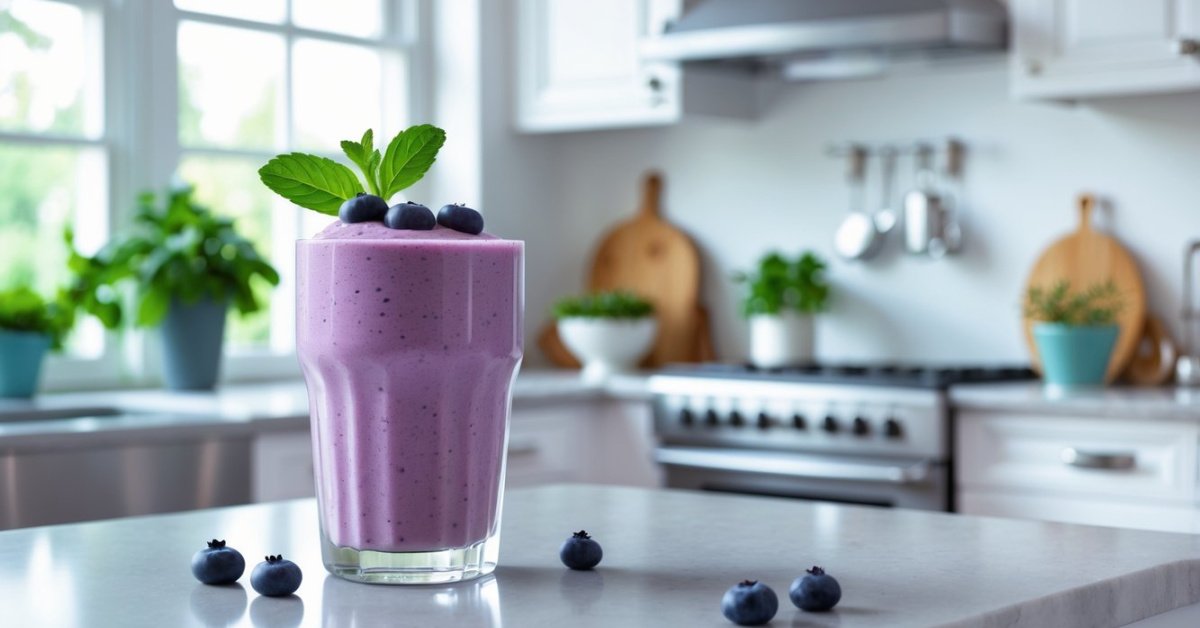
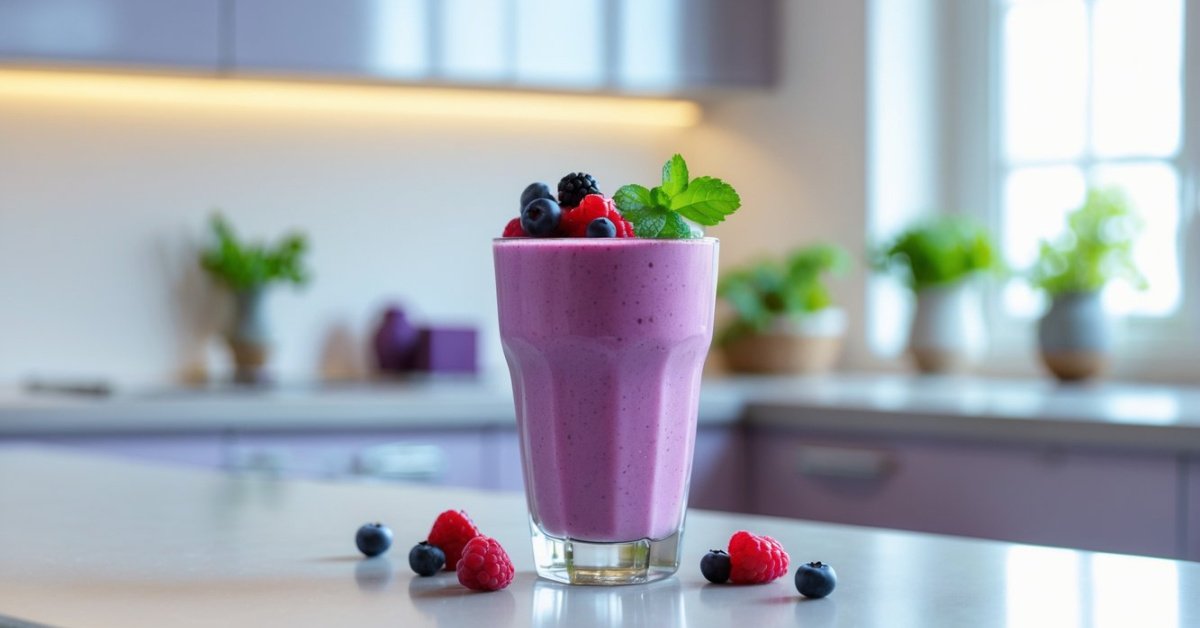
I’m always on the lookout for natural ways to boost my energy, especially when my mornings feel sluggish. That’s when I discovered maca powder—a superfood that’s been used for centuries to enhance stamina and vitality. Blending it into my daily smoothie quickly became my favorite ritual.
Maca powder’s earthy flavor mixes well with fruits and greens, turning an ordinary smoothie into an energizing treat. I love how it gives me a gentle lift without the jitters I get from coffee. If you’re curious about adding a little extra pep to your day, maca powder might just become your new go-to ingredient.
What Is Maca Powder?
Maca powder comes from the maca root, a cruciferous vegetable native to the Peruvian Andes. I use organic maca powder in my smoothies for its adaptogenic properties and nutty, earthy taste. Maca provides calcium, potassium, and iron in measurable amounts—one tablespoon contains about 80 mg calcium, 420 mg potassium, and 1 mg iron (USDA FoodData Central).
Grown at altitudes over 4,000 meters, maca root undergoes a drying and grinding process before it’s ready for use in recipes like shakes or smoothie bowls. Cultivators in Peru harvest maca in yellow, red, and black varieties, each offering slightly different flavor profiles and nutritional value.
Many brands package maca powder in raw and gelatinized forms. I choose gelatinized maca when blending cold smoothies since the starch has already been removed, which makes it more digestible for my customers. Maca powder works well in most blender-friendly recipes, especially when paired with ingredients like banana, cacao, or almond milk for a nutritious energy boost.
The Benefits Of Using Maca Powder For Energy
I use maca powder in my smoothie shop for its gentle energy lift and broad health advantages. Many customers ask for smoothies that offer more than flavor, and maca adds a noticeable vitality to my recipes.
How Maca Boosts Energy Levels
Maca provides a steady, jitter-free rise in energy by supporting the body’s natural balance. The adaptogenic properties of maca help the body manage fatigue and adjust to daily stress, as documented in studies like “Maca (Lepidium meyenii) as an energizer” (Wang et al., 2017). I blend maca in morning smoothies for customers looking to power through long workdays or workouts, using about 1–2 teaspoons per serving. When combined with bananas or plant-based milk, the effect is smooth and sustained—no sudden crash like with coffee or sweetened energy products.
Other Health Advantages Of Maca
Maca brings more than energy to my blends. It’s a rich source of calcium, potassium, and biologically available iron, key for supporting muscle function and oxygen transport (USDA FoodData Central, 2023). The antioxidants in maca, including polyphenols, protect cells from oxidative stress. Customers often mention feeling more resilient and balanced after adding maca-based smoothies to their routines. Maca also supports mood stabilization and hormonal balance, making it popular among those seeking holistic wellness options. I suggest pairing maca with cacao, berries, or leafy greens to amplify the nutritional punch in every smoothie.
Incorporating Maca Powder Into Your Smoothies
Balancing taste and nutrition in every smoothie comes naturally in my shop, and maca powder fits seamlessly into that mission. I rely on its distinct earthy flavor and energy-boosting properties, so I always keep it stocked for daily blends and custom recipes.
Choosing The Right Type Of Maca Powder
Selecting the right maca powder for smoothies influences taste and nutrition. I prefer gelatinized maca powder over raw for smoothies because it digests more easily, which suits most of my customers. Gelatinized maca is heated to remove starch, resulting in a finer texture and a milder, toasted flavor that mixes smoothly in shakes. Raw maca retains its full nutrient profile but can be harder to digest for some people. I recommend light-colored yellow maca for everyday use, as it’s the most versatile and has a subtle flavor. Red and black maca varieties bring slightly different tastes and benefits, and I reserve those for special recipes or guests looking for a more unique experience.
How Much Maca Powder To Use
Starting with the right amount of maca powder in smoothies helps balance flavor and energy boost. I use 1–2 teaspoons (about 3–6 grams) of maca powder per 16-ounce smoothie. This range provides a noticeable lift without overpowering the drink. Customers new to maca often benefit from starting closer to 1 teaspoon to test how their body responds before trying more. For larger batches or specialty shakes, I scale the maca up in proportion to keep the flavor and benefits steady. Maca blends especially well with bananas, cacao, dates, or nut butters, masking its earthiness while enhancing overall nutrition.
Best Smoothie Ingredients To Pair With Maca Powder
Maca powder pairs with a wide range of smoothie ingredients, letting me layer in extra nutrients and great flavors. I focus on adding whole foods that complement maca’s earthy taste and amplify its energizing effects.
Flavor Combinations To Try
- Bananas and Berries: Bananas and berries like blueberries or strawberries mellow out maca’s earthiness while adding natural sweetness and antioxidants.
- Cacao or Cocoa Nibs: Cacao or cocoa nibs deepen the flavor and bring extra magnesium and mood-boosting benefits.
- Nut Butters and Almond Milk: Nut butters and almond milk create a creamy base and supply healthy fats and protein to smooth out maca’s texture.
- Cinnamon or Vanilla: Cinnamon or vanilla beans add warmth, blending well with maca for a dessert-like experience.
- Leafy Greens: Spinach or kale boosts the vitamin content without overpowering the drink’s flavor when masked with banana or berries.
Tips For Blending Maca Powder Smoothies
- Start Small: I recommend adding 1 teaspoon of maca per 16-ounce smoothie, especially for first-timers, to keep the flavor balanced and let your body adjust.
- Blend With Creamy Bases: Using yogurt, avocado, or plant-based milks helps achieve a smooth, thick texture and integrates the maca evenly.
- Sweeten Naturally: Dates, honey, or maple syrup can round out maca’s slight bitterness without resorting to refined sugar.
- Control Temperature: Blending with frozen fruit or ice cubes keeps smoothies cold, helping preserve maca’s nutrients and making the drink more refreshing.
- Layer Flavors: Mixing spices like cardamom or nutmeg or adding a hint of citrus brightens maca’s deep, malty flavor.
Potential Side Effects And Considerations
Using maca powder in smoothies is generally safe in moderate amounts, but some people experience side effects. My customers sometimes mention mild digestive issues like bloating or gas after adding maca to their shakes, especially when they’re new to this ingredient or use larger servings over 2 teaspoons. I advise anyone new to maca to start with 1 teaspoon and watch for changes in how their stomach feels.
Taking maca powder may not suit everyone, especially people with certain hormone-related conditions such as thyroid issues or hormone-sensitive cancers. Because maca contains goitrogens and bioactive compounds, I recommend consulting a healthcare provider first for those with thyroid concerns, as cited by the National Institutes of Health.
Pregnant or breastfeeding women haven’t been widely studied when it comes to maca use, so out of caution, I avoid recommending it for this group. Allergic reactions appear rare, but any new food addition should be introduced carefully, especially for customers with food sensitivities.
Storing maca powder away from heat and light keeps it fresh and preserves its mild flavor in shakes and smoothies. Clumpy or bitter maca may indicate it’s gone stale and could lead to stomach upset in sensitive individuals.
Pairing maca with other strong adaptogens or supplements needs extra care, since combinations can amplify effects. In my smoothie shop, I keep ingredient blends simple and encourage transparency, especially for customers managing chronic conditions, taking medication, or following specific diets.
Conclusion
Adding maca powder to my smoothies has made a noticeable difference in my daily routine. I love how it delivers a smooth and steady lift that keeps me going without the crash or jitters. It’s become a simple way to support my energy and wellness goals while enjoying delicious flavors.
If you’re looking for a natural boost or want to experiment with new superfoods, maca powder is worth a try. Just remember to listen to your body and start with small amounts. Here’s to more vibrant mornings and balanced days—one smoothie at a time.