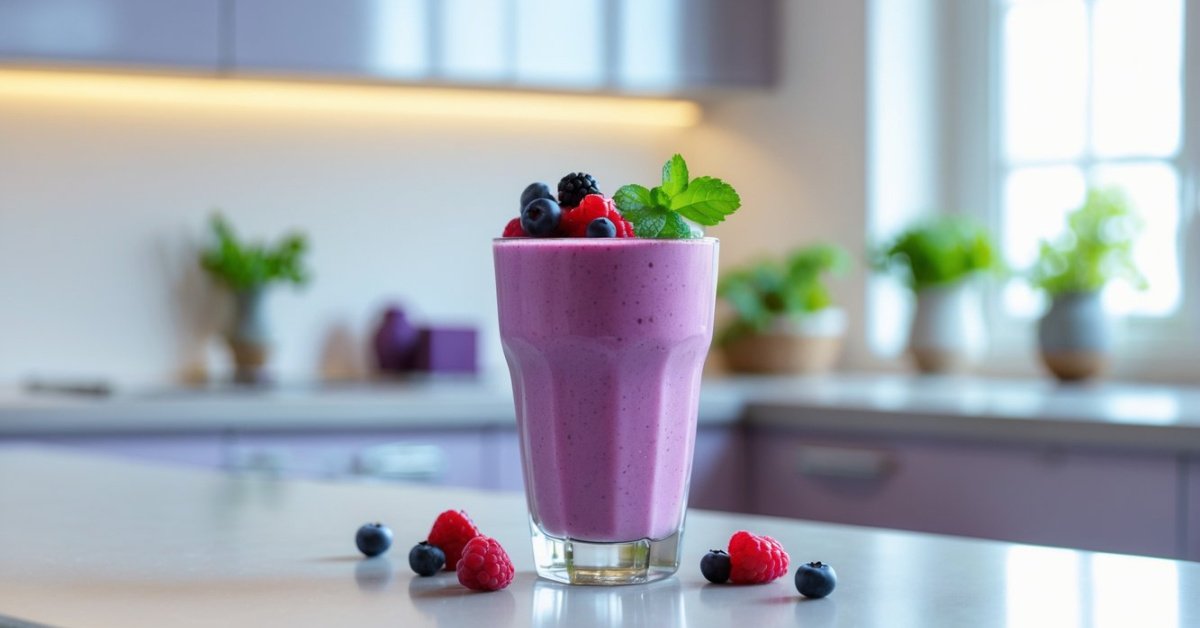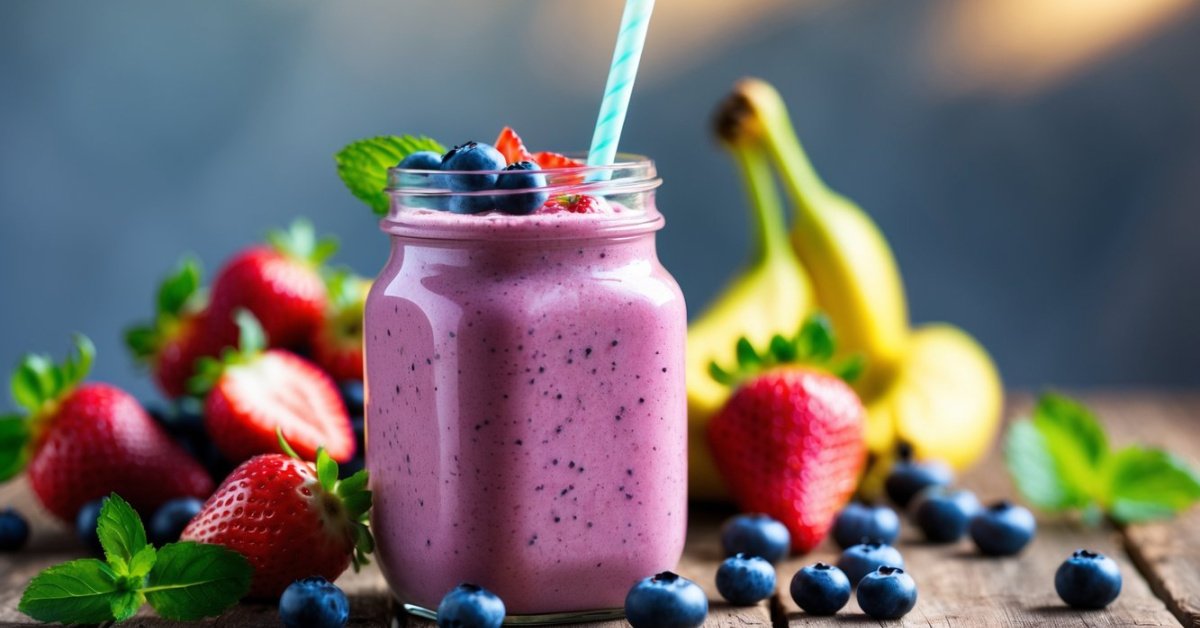

When I toss passionfruit into my morning smoothie I know I’m in for a treat that’s as delicious as it is good for me. There’s something about that sweet-tart flavor and those crunchy seeds that just wakes up my taste buds. It’s not just about the taste though—passionfruit brings a burst of nutrients that can make any smoothie a little more special.
I love how easy it is to blend this tropical fruit into my daily routine. Whether I’m after a quick breakfast or a post-workout snack I want something that supports my health without sacrificing flavor. If you’ve ever wondered what passionfruit adds to your smoothie beyond its unique zing you’re in for some tasty surprises.
What Makes Passionfruit a Superfood
Antioxidant content stands out when I use passionfruit in smoothies. This fruit packs high levels of vitamin C, polyphenols, and beta carotene, according to the USDA FoodData Central. I see these antioxidants help support the immune system and protect cells from oxidative damage.
Fiber content plays a key role in smoothies that use passionfruit. Each medium fruit contains around 1.9 grams of dietary fiber. I find fiber promotes satiety in my shake recipes and helps maintain digestive health.
Vitamins and minerals present in passionfruit, including potassium, magnesium, vitamin A, and iron, appear in noticeable amounts in my blends. These micronutrients support muscle function, energy production, and oxygen transport.
Low glycemic index shows up as an advantage for my clients who monitor blood sugar levels. Passionfruit’s GI score ranges around 30–40, keeping smoothies balanced and less likely to cause rapid glucose spikes.
Versatile nutrient profile lets passionfruit fit into vegan, dairy-free, or high-protein smoothie recipes in my shop. I use fresh pulp, frozen pieces, or cold-pressed passionfruit juice for flexibility and convenience.
Key Nutritional Benefits of Passionfruit in Smoothies
Passionfruit packs each smoothie with flavor and essential nutrients. I rely on this tropical fruit at my shop to add a nutritional boost and complexity to every blend.
Rich in Vitamins and Antioxidants
Passionfruit provides concentrated vitamins and antioxidants that elevate my smoothies. One serving contains vitamin C, vitamin A, and beta carotene, plus polyphenols that help protect cells. I see the vibrant yellow pulp as a sign of potent plant compounds, and I choose passionfruit when I want flavor and nutrition in one ingredient.
Excellent Source of Dietary Fiber
Passionfruit delivers dietary fiber, found in its pulp and seeds, that supports gut health and gives my customers’ smoothies great overall texture. I appreciate that each passionfruit contains about 2 grams of fiber per 18-gram serving, helping people feel fuller and improving the satisfaction from a breakfast or snack blend.
Boosts Immune Health
Passionfruit boosts immune health through its vitamin C and carotenoid content. Many customers like an immunity support option, especially during winter months. I make smoothies with passionfruit and citrus to naturally increase vitamin C levels in each glass.
Supports Digestive Function
Passionfruit helps support digestive function, mainly because of its mix of soluble and insoluble fiber. I mix passionfruit into smoothie recipes to promote regularity and make it easier for my guests to get daily fiber, especially when paired with probiotic-rich yogurt or kefir.
How to Incorporate Passionfruit Into Your Smoothies
Adding passionfruit to smoothies transforms both flavor and nutrition. As someone who crafts smoothies daily in my shop, I rely on passionfruit to bring unique zest and nutrients to my recipes.
Best Combinations and Recipe Ideas
Pairing passionfruit with other fruits delivers balance and depth. I blend passionfruit pulp with mango, pineapple, and banana for a classic tropical experience. I sometimes use it with berries like strawberries or blueberries to create a tart-sweet blend. When my customers want green smoothies, I combine passionfruit with spinach, kale, and avocado for a nutrient-dense drink. I frequently use unsweetened Greek yogurt or plant-based yogurt alongside passionfruit for creamy texture and added probiotics. Using coconut water or almond milk as the base preserves passionfruit’s brightness. For extra crunch, I top smoothies with chia seeds or granola.
| Combination | Main Benefits |
|---|---|
| Passionfruit + Mango | Boosts vitamin C, fiber, and natural sweetness |
| Passionfruit + Spinach + Avocado | Adds iron, healthy fats, and fiber |
| Passionfruit + Berries | Increases antioxidant content |
| Passionfruit + Greek Yogurt | Promotes gut health and creaminess |
Tips for Maximizing Nutritional Value
Using fresh passionfruit pulp delivers the highest vitamin C and antioxidant content. I always use the seeds to provide extra fiber and texture. When working with frozen passionfruit or juice, I look for unsweetened varieties with no added sugar to prevent dilution of nutrients. If blending with leafy greens, I pair passionfruit with vitamin C-rich ingredients to boost iron absorption, such as kiwi or citrus. I often add flax or chia seeds to smoothies, as their omega-3 content complements passionfruit’s nutrients. Prepping passionfruit in batches and freezing the pulp saves time and locks in freshness for future recipes.
Potential Considerations and Allergies
When adding passionfruit to smoothies, I always keep in mind potential dietary considerations. Passionfruit rarely triggers allergies, though in rare cases some people do report symptoms like itching, skin rashes, or swelling after consuming it, especially if they have latex-fruit syndrome according to the American Academy of Allergy, Asthma & Immunology.
Some varieties, like purple passionfruit (Passiflora edulis), contain small amounts of cyanogenic glycosides in the rind, so I never use the outer shell in recipes and always scoop just the pulp. Sometimes passionfruit seeds cause digestive discomfort for those not used to high-fiber fruits, so I inform my customers who are sensitive to seeds or fiber.
Smoothies for guests monitoring sugar should use passionfruit in moderation as it contains natural sugars, though a typical serving offers less than 9 grams per fruit (USDA FoodData Central). For people taking heart medication like beta blockers or those with kidney disorders, passionfruit’s potassium content (about 63 mg per fruit) requires attention to avoid excess intake.
If anyone in my shop has food allergies, I always ask before making their smoothie since cross-contact can occur with equipment processing other fruits. I keep ingredient labels available for passionfruit purées and frozen blends, since commercial products sometimes contain added preservatives or allergens.
My focus on healthy, high-quality smoothies includes monitoring these details, ensuring every blend with passionfruit fits my guests’ dietary needs.
Conclusion
Adding passionfruit to my smoothies has truly elevated both the taste and the nutritional value of my daily routine. I love how its vibrant flavor and unique texture make every sip feel like a treat while also supporting my health goals.
If you’ve never tried passionfruit in your smoothies before I highly recommend giving it a go. It’s a simple way to add a burst of tropical goodness and a boost of essential nutrients to your day. Just remember to listen to your body and enjoy experimenting with new combinations.