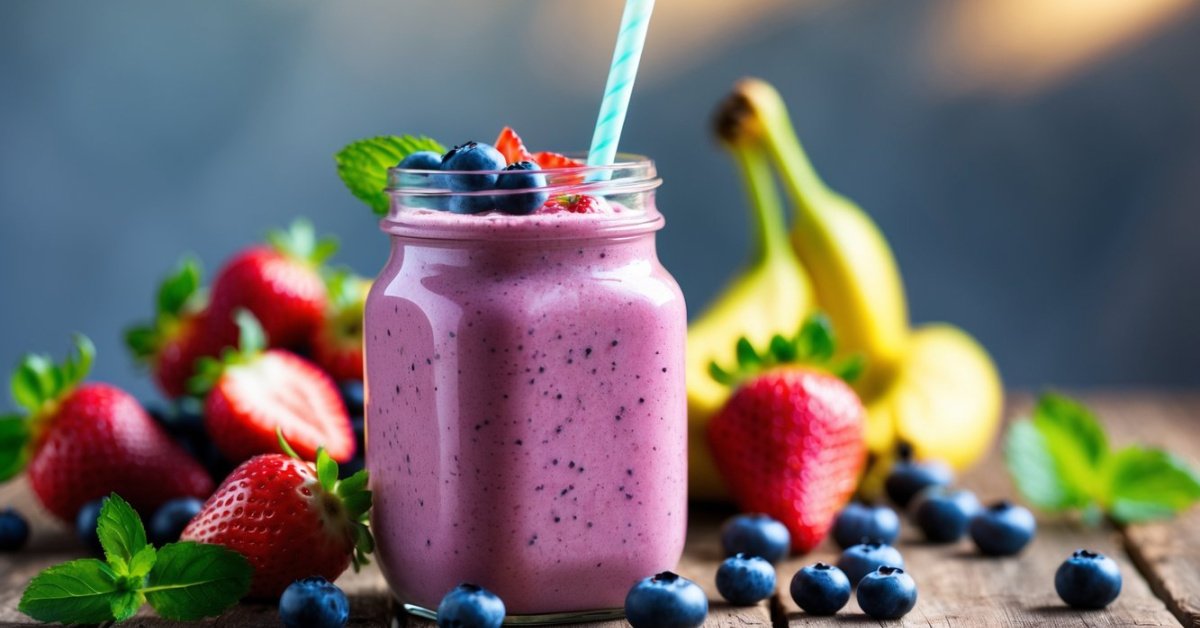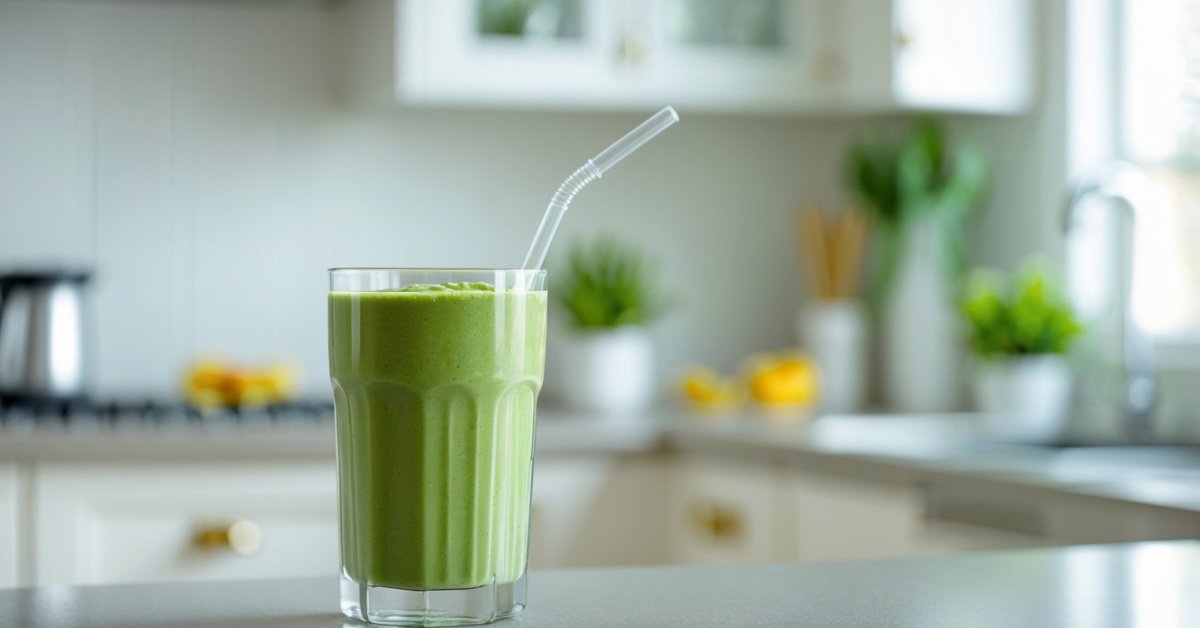
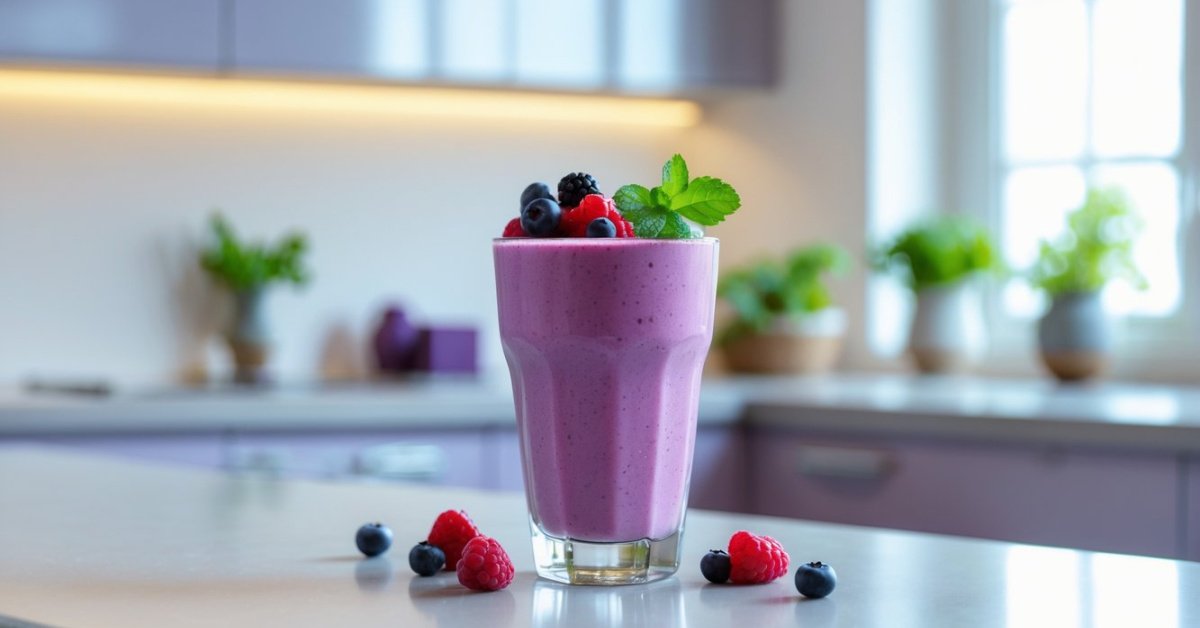
When I think about leveling up my daily shakes, carrots are always at the top of my list. They bring more than just a splash of color—these crunchy veggies pack a punch when it comes to nutrition and flavor. Whether I’m blending a post-workout smoothie or a quick breakfast shake, carrots slip right in and make every sip feel a little more wholesome.
It’s easy to overlook carrots in favor of trendier superfoods, but I’ve found they offer a unique blend of natural sweetness and essential nutrients. Adding them to shakes isn’t just about taste—it’s about giving my body a boost without any fuss.
Understanding Nutrient-Dense Shakes
Every nutrient-dense shake I make balances essential vitamins, minerals, and macronutrients from whole, fresh ingredients. Blending fruits, vegetables, lean proteins, and healthy fats lets me deliver complete nutrition in one glass. Carrots play a central role, but I always include a mix to ensure diverse nutrient coverage.
I source ingredients based on nutrient density, selecting items like spinach for iron, Greek yogurt for protein, chia seeds for omega-3s, and of course, carrots for vitamin A. Each ingredient brings a unique benefit—berries add antioxidants, avocado provides healthy fats, and oats give sustained energy.
When building shakes in my smoothie shop, I structure each recipe with three goals: taste, texture, and nutrition. A nutrient-dense shake tastes great, blends smooth, and supports health goals like muscle recovery or immune function.
Blending methods matter, too. I use high-powered blenders to break down fibers and fully combine root vegetables like carrots, ensuring smooth texture without losing any nutritional value. For anyone making shakes at home, starting with fresh, quality produce and balancing the flavors always results in a satisfying, nourishing drink.
The Nutritional Profile of Carrots
Carrots add important nutrients and smooth flavor to any shake. In my smoothie shop, I use carrots for their impressive nutrition and versatility.
Vitamins and Minerals Found in Carrots
Carrots supply significant levels of vitamins and minerals. Vitamin A appears in the form of beta-carotene, which supports eye health and immune function. Vitamin K clusters in raw carrots, helping with blood clotting and bone strength. Potassium contributes to electrolyte balance, especially valuable after workouts. Vitamin C, though moderate, aids collagen production for skin and joint health. Table 1 shows common nutrient values for 100 grams of carrots, based on USDA data.
| Nutrient | Amount per 100g |
|---|---|
| Vitamin A | 835 mcg |
| Vitamin K | 13.2 mcg |
| Potassium | 320 mg |
| Vitamin C | 5.9 mg |
Antioxidant Properties of Carrots
Carrots showcase high antioxidant power. Beta-carotene acts as the main antioxidant, fighting free radicals that can damage cells. Lutein and zeaxanthin, found in orange carrots, support eye health and may protect against visual decline. Polyacetylenes, especially falcarinol, appear in small amounts and show promise in cellular protection according to emerging studies (Nutrition Research Reviews, 2019). Using carrots in shakes delivers these antioxidants in a form that’s easy to absorb, boosting the shake’s overall nutrient quality.
The Role of Carrots in Nutrient-Dense Shakes
Carrots serve as a powerhouse ingredient in my smoothie shop for both their flavor and nutrition. Their versatility lets me create shakes that appeal to a broad range of tastes while delivering essential nutrients.
Enhancing Flavor and Texture
Carrots add a natural sweetness and earthy undertone to nutrient-dense shakes. I blend raw carrots into smoothies for a crisp, slightly sweet note that complements fruits like pineapples and mangos. When I steam carrots prior to blending, they create a creamy texture without dairy, making shakes velvety and smooth. The fibrous content of carrots also thickens the shake, offering substance and satiety that compares to ingredients like avocado or oats.
Boosting Nutritional Value
Carrots significantly raise the nutritional quality of home shakes and smoothies. Each serving contributes beta-carotene, which the body converts to Vitamin A, supporting vision and immunity. Carrots also supply potassium, Vitamin K1, and antioxidants, building a nutrient-dense base. I often combine carrots with spinach, chia seeds, or Greek yogurt for balanced macronutrients and micronutrients. This blend maximizes nutrient absorption and supports overall health. Using carrots in shakes means every sip delivers more than just taste—each glass supports energy, recovery, and well-being.
How to Incorporate Carrots into Shakes
Carrots fit effortlessly into homemade shakes with simple prep and thoughtful blending. I use specific methods in my smoothie shop to make sure every shake featuring carrots turns out smooth, flavorful, and nutrient-rich.
Preparation Tips for Smooth Consistency
- Peel and chop carrots into small pieces to help high-powered blenders break them down faster, especially for raw carrot shakes.
- Steam carrots until just tender for a silkier texture, often around 7–10 minutes, before cooling and adding them to the blender. This softens fibers while retaining nutrients.
- Add carrots as the first or second ingredient in the blender, right after liquids, to ensure even blending throughout the shake.
- Combine carrots with extra liquid bases such as oat milk, almond milk, or coconut water. For example, I use 6–8 oz liquid per 1 medium carrot to achieve optimal flow and consistency.
- Use a fine-mesh strainer if a blender can’t completely puree raw carrots, creating smoother results for those who prefer a velvety texture.
Recommended Flavor Combinations
- Pair carrots with tropical fruits, such as pineapple and mango, for a naturally sweet, tangy shake that’s bright and energizing.
- Blend carrots and citrus (orange, lemon juice) for a vitamin-rich, zesty experience that refreshes and balances earthier undertones.
- Mix carrots with warming spices, like ginger or cinnamon, and apples for a classic juice-bar combo that highlights sweetness and anti-inflammatory properties.
- Combine carrots, Greek yogurt, and oats with a hint of vanilla for a hearty, creamy base that supports energy and muscle recovery after workouts.
- Add leafy greens (spinach, kale) with carrots and frozen berries to build depth and enhance antioxidant content, masking any bitterness while increasing nutrient density.
I’ve found these combinations deliver balanced flavor, great texture, and maximum nutrition, making carrots a versatile and essential ingredient in any shake routine.
Potential Health Benefits of Carrot-Based Shakes
Adding carrots to shakes enhances nutritional content with specific benefits valued at my smoothie shop. Carrot-based shakes deliver nutrients in a convenient, palatable way that fits busy routines.
- Supports Eye Health: Carrots supply high beta-carotene amounts, which the body converts to Vitamin A. Clinical studies show that Vitamin A supports normal vision and may help maintain eye surface health. My shakes with fresh carrots typically provide over 150% of the daily value for Vitamin A per 16-ounce serving.
- Boosts Immune Function: Carrot shakes offer Vitamin C and phytonutrients, such as lutein and zeaxanthin, which may strengthen immune system activity. For example, 1 cup of chopped carrot in a shake gives about 7 mg of Vitamin C, contributing roughly 8% of the daily value.
- Promotes Healthy Skin: Nutrients found in carrots, especially beta-carotene and Vitamin C, play key roles in collagen production and protection from oxidative stress. Regularly blending carrots into shakes supports glowing skin for many of my shop’s regulars.
- Supports Digestion: Carrots provide dietary fiber, with about 2 grams per 100 grams of raw carrot. In shakes, this fiber promotes regularity and supplies a satisfying texture. Customers seeking digestive balance often request extra carrot for this benefit.
- May Support Heart Health: Potassium in carrots—over 300 mg per cup—can contribute to normal blood pressure levels. By combining carrots with leafy greens or berries in my recipes, I maximize cardiovascular benefits.
- Contributes to Satiety and Weight Management: Carrots offer some volume and fiber with very few calories (about 52 kcal per cup), helping shakes feel filling without excess energy intake. People interested in weight-conscious meal replacements find carrot-based shakes supportive for satiety.
| Benefit | Key Carrot-Nutrient | Example Amount Per Shake* | % Daily Value |
|---|---|---|---|
| Eye Health | Beta-carotene/Vitamin A | 1100 mcg RAE | 150%+ |
| Immune Function | Vitamin C | 7 mg | 8% |
| Skin Health | Beta-carotene/Vitamin C | 1100 mcg RAE / 7 mg | 150%+ / 8% |
| Digestive Support | Fiber | 2-3 grams | 7-10% |
| Heart Health | Potassium | 320 mg | 7% |
| Satiety & Weight Mgmt | Fiber, low calories, water | 2-3 grams / 52 kcal | 7-10% / Low cal |
*Servings based on 1 cup chopped raw carrot per shake.
Every day at my shop, I see these carrot benefits fit into customers’ routines seamlessly. Whether blended with tropical fruits or greens, carrot-based shakes balance flavor, nutrition, and real health advantages.
Conclusion
Adding carrots to my shakes has become second nature and I can’t imagine my daily routine without them. Their natural sweetness and impressive nutrient profile make every blend more satisfying and nourishing.
If you’re looking to refresh your shake routine or boost your nutrition in a simple way carrots are a fantastic ingredient to try. I hope you’ll experiment with your own combinations and discover just how versatile and delicious carrot-based shakes can be.