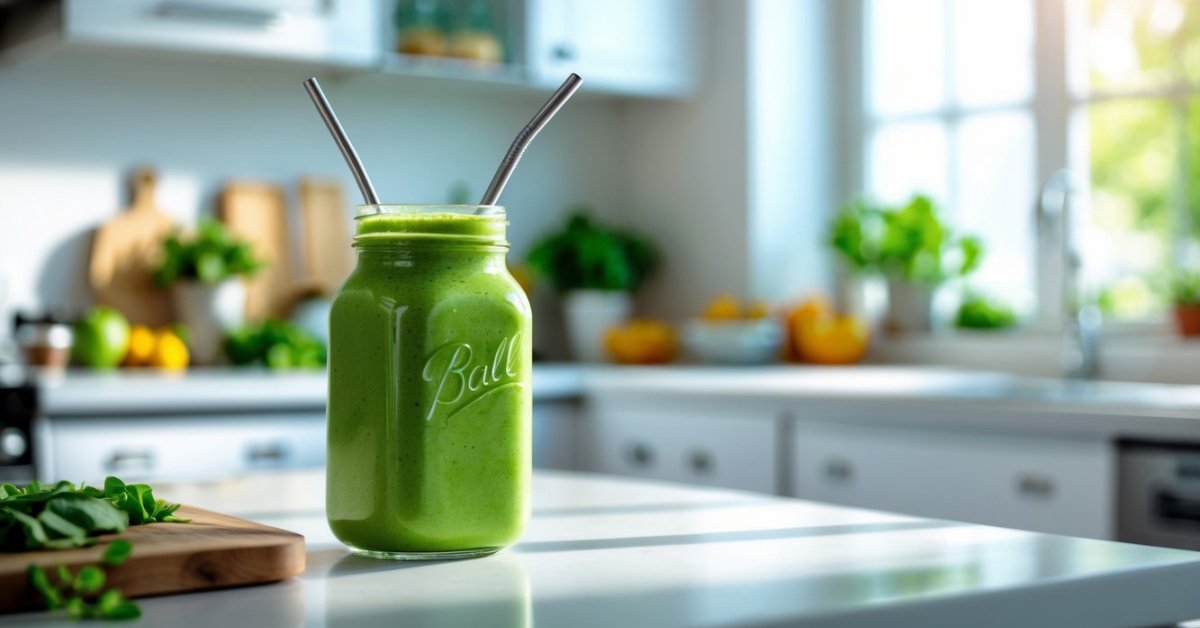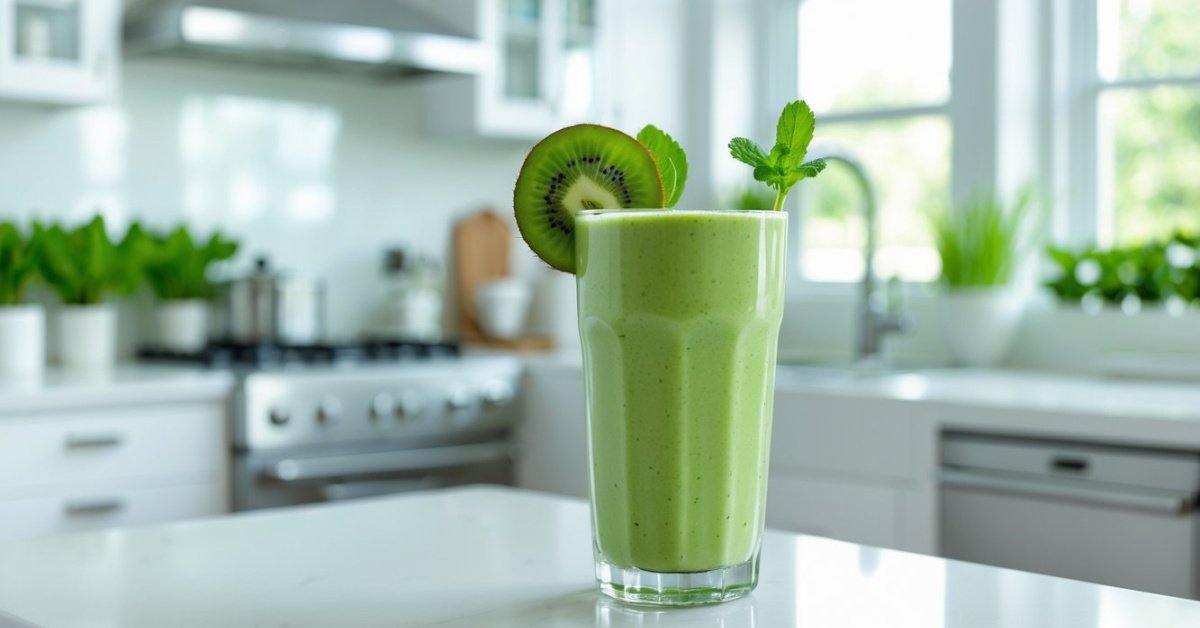

Smoothies have always been my go-to for a quick and tasty way to pack in nutrients. But lately I’ve discovered that adding just a few superfoods can take my morning blend from good to amazing. It’s incredible how a handful of powerful ingredients can boost energy and help me feel my best all day.
I love experimenting with new flavors and textures so I’m always on the lookout for superfoods that blend well and add an extra punch of nutrition. Whether I’m after more protein fiber or antioxidants there’s always something new to try. Let’s dive into some of my favorite superfoods that can seriously level up any smoothie.
What Are Superfoods?
Superfoods pack higher concentrations of nutrients, antioxidants, or health-promoting compounds than everyday ingredients like bananas or regular spinach. I use superfoods—examples include chia seeds, goji berries, and spirulina—in my shop to enhance both the nutrition and flavor of smoothies and shakes. Nutrient-dense ingredients like these add fiber, protein, essential fats, and phytonutrients beyond what’s found in typical fruits and vegetables.
Research from the Harvard T.H. Chan School of Public Health indicates superfoods such as blueberries and kale stand out for their antioxidant levels and micronutrient density. My menu features these superfoods because they help support energy, immunity, and overall wellness. Some, like cacao and acai, give rich flavor and color to smoothie blends, making the drinks naturally delicious and visually appealing for customers seeking both taste and health benefits.
Benefits of Adding Superfoods to Smoothies
Adding superfoods to smoothies increases their nutrient density without much effort. Superfoods like spirulina, chia seeds, and flaxseeds pack high levels of protein, omega-3 fatty acids, or fiber per tablespoon. These nutrients help with satiety and sustained energy, especially in morning blends or post-workout shakes.
Including antioxidant-rich superfoods such as goji berries and blueberries supports immune function by reducing oxidative stress. The bright colors and unique flavors from ingredients like acai and cacao create more visually appealing and delicious drinks, which keeps my shop’s menu exciting and memorable for customers.
Blending superfoods into shakes lets me customize nutrition for specific goals. For example, adding hemp hearts boosts plant protein for workout recovery, while maca or matcha provides extra energy. Superfoods often have a neutral or slightly nutty taste, blending seamlessly into fruit bases like banana or mango.
Rotating seasonal superfoods like fresh kale, pomegranate arils, or pumpkin seeds keeps smoothies varied and interesting year-round. Consistent use of superfoods in shakes supports well-rounded nutrition and helps create more functional recipes for everyday vitality.
Top Superfoods to Boost Smoothie Nutrition
Superfoods make every smoothie more nutrient-dense and flavorful. I source these powerhouse ingredients to create blends that deliver both taste and health benefits.
Leafy Greens
Leafy greens like spinach, kale, and Swiss chard pack my smoothies with vitamins A, C, and K, plus folate and magnesium. Baby spinach gives a mild, creamy base, while kale adds earthy depth and more antioxidants. I use handfuls of tender greens for a clean, vibrant flavor without overpowering the fruit.
Berries
Berries such as blueberries, raspberries, strawberries, and goji add antioxidants, vitamin C, and polyphenols to every shake. I prefer wild blueberries for maximum anthocyanin content, which supports heart health (Harvard T.H. Chan School of Public Health). Freeze-dried goji berries amplify immune support and introduce a tangy element perfect in berry blends.
Seeds and Nuts
Seeds and nuts elevate protein, healthy fats, and fiber in smoothies. Chia seeds gel up for better texture and fiber, while flaxseeds provide omega-3s and lignans. I swirl almond butter or hemp hearts into blends for creamy richness and plant-based protein, supporting satiety after breakfast or a workout.
Ancient Grains and Powders
Ancient grains and powders like quinoa flakes, amaranth, and spirulina add amino acids and micronutrients. I blend spirulina for chlorophyll and protein; it produces a vibrant green color and a subtle earthy taste. Maca root delivers a caramel-vanilla note and boosts energy, while matcha powder offers long-lasting alertness from L-theanine and caffeine.
Other Notable Superfoods
Other notable superfoods round out my menu creations. Cacao nibs and raw cacao powder bring magnesium, flavonoids, and deep chocolate flavor. Acai puree increases antioxidants and creates a purple hue ideal for bowl builds. Pumpkin seeds and pomegranate arils make excellent seasonal additions, supplying zinc, iron, and color contrast for beautiful, nourishing smoothies.
How to Incorporate Superfoods Into Your Smoothies
Adding superfoods to smoothies increases nutrient density and creates endless possibilities for new flavors and colors. I’ve tested different approaches to make blending and pairing superfood ingredients easy and satisfying.
Tips for Blending
Blending superfoods achieves both smooth texture and maximum nutrition.
- Soaking seeds increases blendability and nutrient release. I soak chia seeds and flaxseeds in water for 10 minutes before adding them to the blender, especially for thicker textures.
- Starting with powders smooths the consistency. I add spirulina, matcha, or cacao powder with liquids at the beginning, avoiding clumps.
- Layering ingredients ensures even blending. I place leafy greens like kale or spinach at the base, with frozen fruits and heavier grains or nuts on top, so the blender makes quick work of everything.
- Boosting liquids improves the blend. Thick superfoods such as nut butters or protein powders loosen up with an extra splash of milk or coconut water.
Flavor Pairing Suggestions
Pairing superfoods with the right ingredients enhances both nutrition and tasting experience.
- Blending leafy greens such as spinach and kale with banana or pineapple balances bitterness with natural sweetness.
- Mixing berries—like blueberries or goji—with acai, cacao, or a splash of citrus keeps flavors vibrant while boosting antioxidants.
- Combining chia seeds or hemp hearts with creamy ingredients—like almond butter or Greek yogurt—creates satisfying, protein-rich smoothies.
- Mixing matcha or spirulina with coconut water and frozen mango adds a tropical, energizing twist without overwhelming the palate.
- Adding cacao powder with frozen cherries or strawberries achieves a dessert-like richness while maintaining healthy nutrition.
I experiment with ratios and try small amounts of new superfoods. Adjustments keep texture smooth, flavors balanced, and nutrition optimized.
Potential Drawbacks and Considerations
Superfoods introduce higher concentrations of nutrients and unique flavors, though not every blend works for every person or taste. Some superfoods—like spirulina, chlorella, or certain mushroom powders—carry strong, earthy flavors that overwhelm delicate fruits and may create an unbalanced smoothie if not measured carefully. I always suggest starting with small amounts for intense powders or seeds, especially when blending at home.
Allergens present potential risks when using superfoods in smoothies. Tree nuts, seeds, or grains—such as hemp hearts, chia, or almond butter—might trigger reactions in those with sensitivities. I label every superfood source in my shop and recommend checking ingredient information when experimenting with new additions.
Digestive discomfort sometimes occurs if fiber content increases sharply. Adding large portions of chia, flaxseed, or leafy greens like kale can lead to bloating or gas, particularly if consumed by those unaccustomed to a high-fiber diet. I gradually increase portion sizes and recommend blending with extra liquid for smooth consistency and easier digestion.
Interactions with medications or health conditions arise with some superfoods. For example, maca, matcha, or high-dose greens could interact with thyroid medications, blood thinners, or anti-hypertensive drugs. I follow evidence-based guidance from reputable sources like Mayo Clinic and advise consulting a healthcare professional if you’re taking medication or managing chronic conditions.
Cost varies widely for superfoods, with premium powders like acai, goji, or spirulina sometimes doubling the ingredient budget for a smoothie. I source high-quality but cost-effective options for my shop and recommend buying in bulk or rotating a few key superfoods to optimize nutrition without breaking the bank.
Food safety and contamination risks should always be considered. Raw superfood powders, seeds, and berries from unverified suppliers may carry heavy metals, bacteria, or pesticides. I stick with reputable brands, check for certifications like USDA Organic or third-party testing, and store ingredients smartly to ensure freshness.
Potential overuse of supplements or concentrated powders can mean excessive intake of certain micronutrients. High doses of spirulina or super greens powder, for example, might add excess iron, iodine, or vitamin K. I balance whole ingredients with small amounts of powders to support nutrition without unnecessary megadoses.
Conclusion
Exploring superfoods has truly changed the way I approach making smoothies each day. I love how easy it is to experiment with new flavors and create blends that not only taste great but also support my health goals.
By staying curious and mindful about what I add to my blender I can keep my smoothies interesting and nourishing. There’s always something new to try and I’m excited to keep discovering creative ways to boost nutrition with every sip.